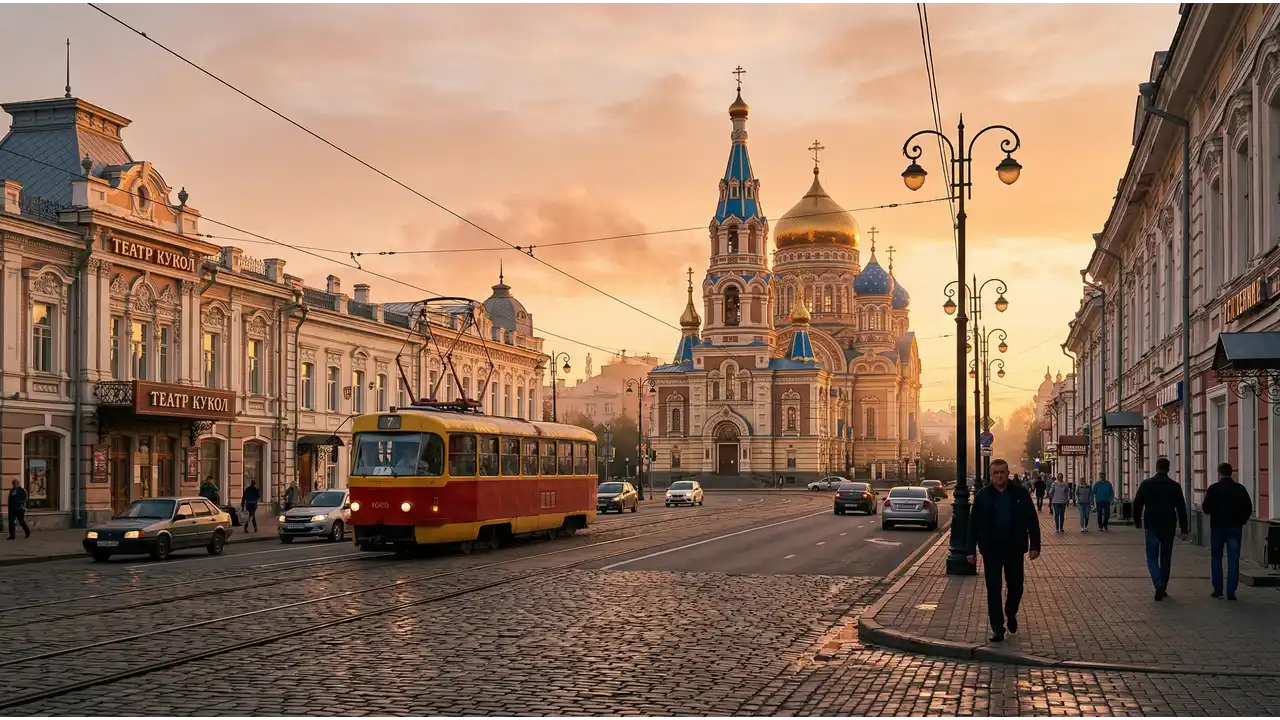
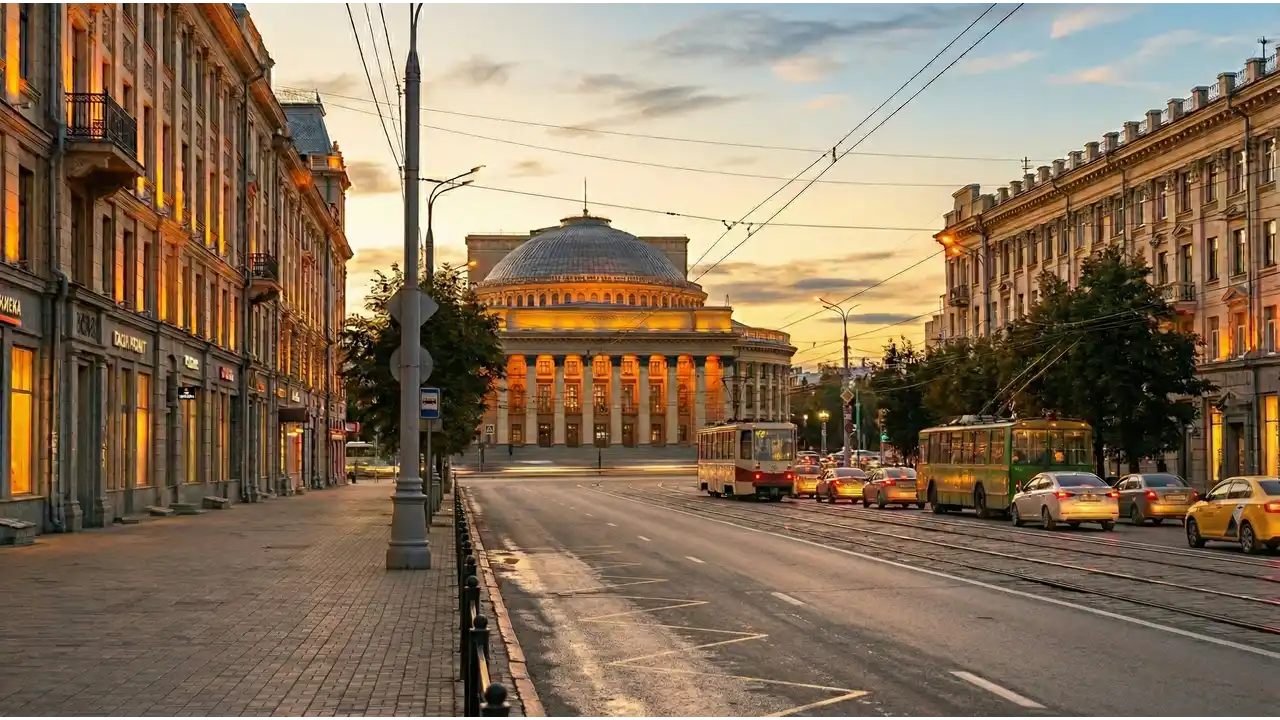
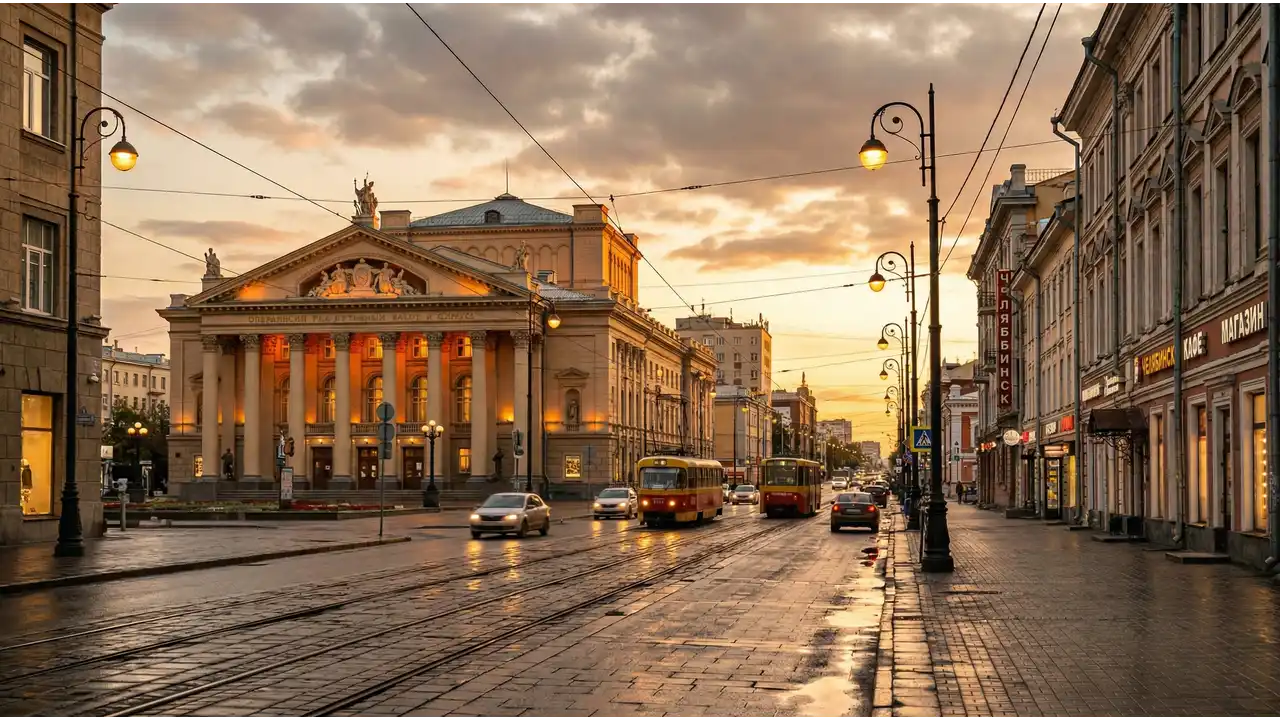
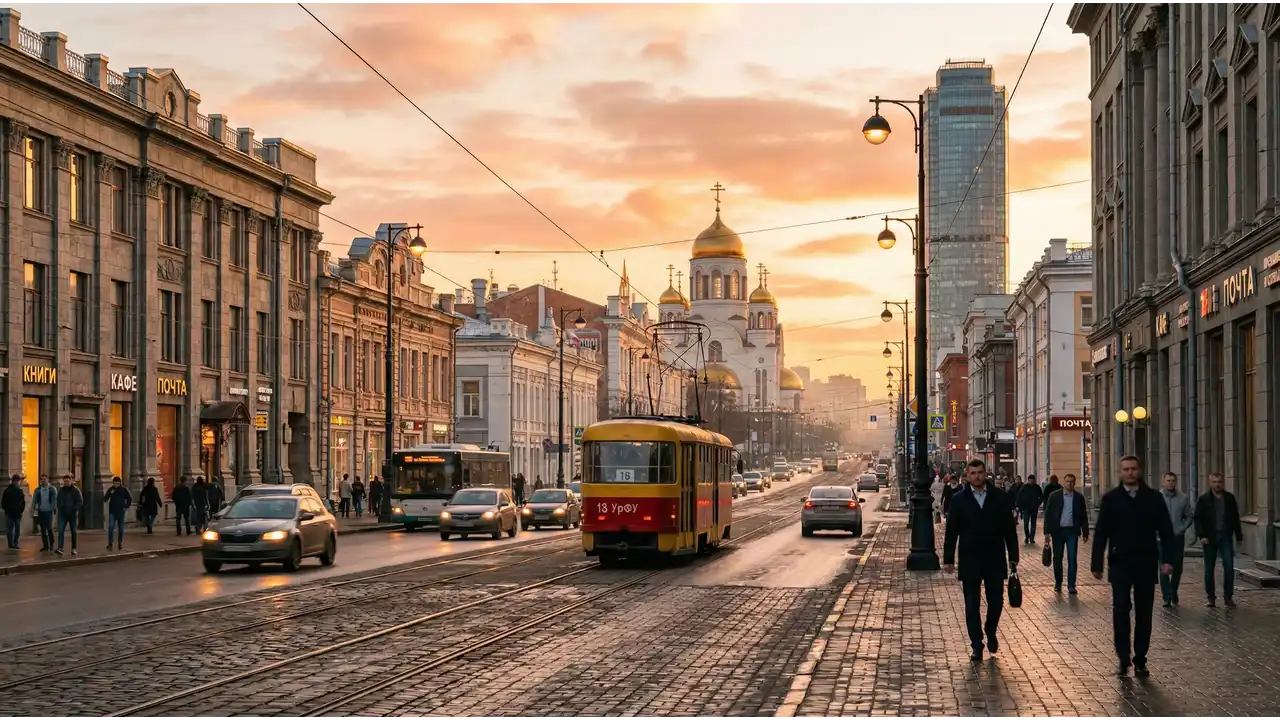
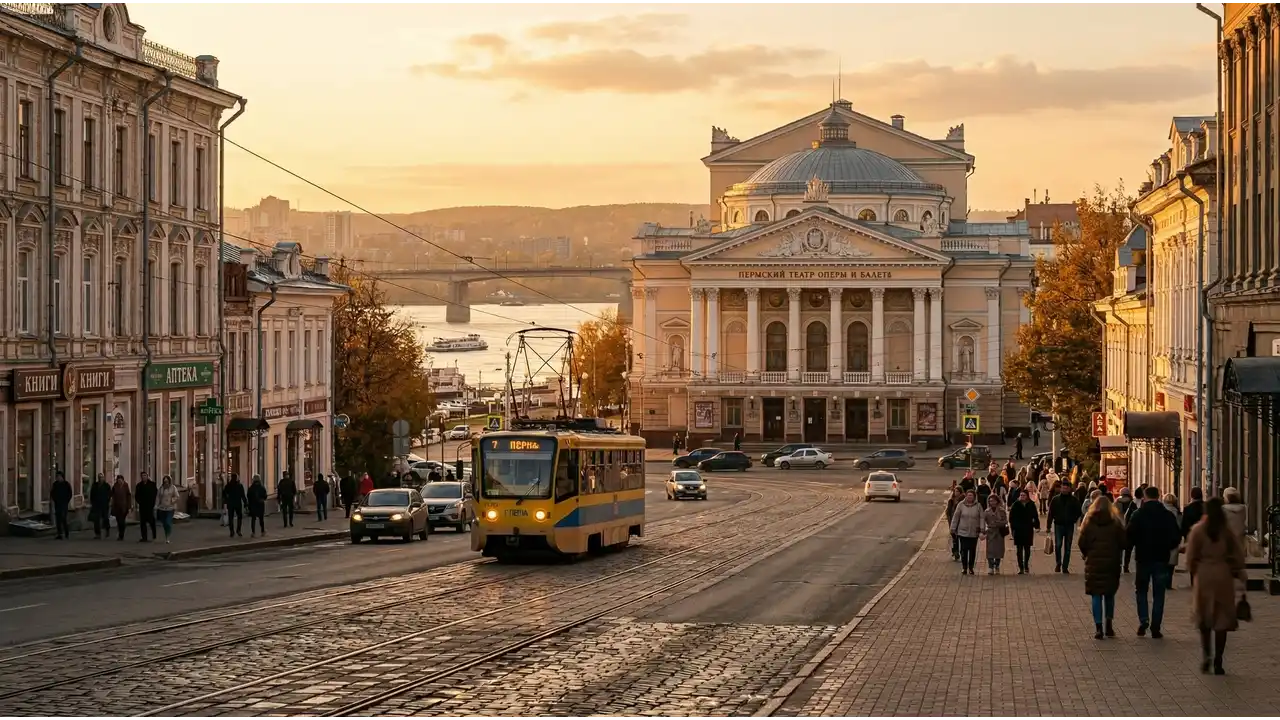
Omsk is a major industrial and administrative center in southwestern Siberia, about 2,200 kilometers east of Moscow. It sits on the Irtysh River and serves as a regional hub for oil refining, education, and commerce. Winter temperatures drop to minus 20 to 30 degrees Celsius regularly, and the city experiences genuine Siberian weather from October through April. The population is around 1.1 million. Daily life centers on Soviet-era apartment blocks, Soviet-built public transit, and a mix of Soviet-era institutions alongside newer shopping and dining options. Russian is the dominant language. The city has museums, theaters, and parks but lacks the tourist infrastructure of Moscow or St. Petersburg.
💡 Local Insights
Omsk · 2026
Omsk's cost structure reflects its status as a major Russian city without Moscow's expat premium. The $504/month housing figure represents the Russia-wide average that Omsk inherits in our data, not a separately measured local rent. On the ground, one-bedroom apartments in central neighborhoods rent for roughly $250 to $450 per month, while outlying areas run $150 to $300. Groceries average $160/month for a moderate diet: bread costs $0.40 to $0.60 per loaf, milk around $0.70 per liter, chicken $3 to $4 per kilogram, and seasonal vegetables $1 to $2 per kilogram. Public transport costs approximately $0.15 per ride or $8 to $12 for a monthly pass. Dining out at casual local restaurants runs $3 to $6 per meal. Expats sometimes pay slightly higher rents in newer developments but generally avoid major pricing distortions. Utilities (heating, water, electricity) typically add $30 to $50 monthly and spike during winter. Internet and mobile phone plans cost $5 to $12 per month. The key cost driver is housing quality and location; Soviet-era apartments without recent renovation are cheaper but colder and less convenient.
Frequently Asked Questions
How much does it cost to live in Omsk per month?
A moderate lifestyle in Omsk costs around $1,000/month. This breaks down roughly as housing (inherited Russia figure) $504, groceries $160, utilities and transport $60 to $80, dining out and entertainment $100 to $150, and miscellaneous expenses $100 to $150. A tighter budget of $600/month is achievable if you rent outside the center, cook all meals, and minimize entertainment spending. A comfortable lifestyle with better housing, dining out regularly, and more discretionary spending runs approximately $1,550/month.
What is the average rent in Omsk?
The $504/month housing figure shown is the Russia-wide average that Omsk inherits in our measurement, not a separate Omsk rent survey. In practice, renters in Omsk find one-bedroom apartments in central areas (near Krasnaya Ploshchad, Leninsky district) advertised at $250 to $450/month for Soviet-era or modestly renovated units. Newer apartments with modern amenities rent for $400 to $600. Outlying neighborhoods and dormitory towns like Kirovsky and Oktyabrsky offer smaller one-bedrooms for $150 to $300. Two-bedroom apartments typically rent for $350 to $700 depending on location and condition. Landlords may negotiate, especially for longer leases. Western expats sometimes pay 10 to 20 percent above local rates.
Is Omsk cheap to live in for expats?
Yes, but with caveats. Compared to Western Europe or North America, Omsk is inexpensive: groceries, rent, and dining out all cost roughly one-third to one-half of prices in London or Toronto. Compared to other major Russian cities, Omsk is cheaper than Moscow and St. Petersburg but similar to Novosibirsk or Yekaterinburg. The trade-off is harsh winters, less English spoken outside business contexts, limited Western services, and stricter visa regulations. Expats accustomed to comfort will find that money goes further here, but the climate and isolation mean most stay temporarily rather than long-term. Budget-conscious remote workers or teachers do quite well.
How much does food cost per month in Omsk?
Groceries average $160/month for a moderate diet. Specific prices: bread $0.40 to $0.60 per loaf, milk $0.70 per liter, eggs $1 to $1.20 per dozen, chicken $3 to $4 per kilogram, beef $5 to $6 per kilogram, potatoes $0.30 per kilogram, cabbage $0.20 to $0.30 per kilogram, apples $1 to $1.50 per kilogram (seasonal), canned vegetables $0.50 to $0.80 per can. Local markets (bazaars) offer cheaper produce than supermarkets, particularly in summer. Dining out at casual cafes and small restaurants costs $3 to $6 per meal. Sit-down restaurants with alcohol average $8 to $15 per person. Alcohol is inexpensive: local beer $1 to $2 per liter, vodka $4 to $8 per bottle.
What salary do you need to live comfortably in Omsk?
A comfortable lifestyle costs approximately $1,550/month. This covers decent central housing around $500 to $600, groceries and dining out totaling $400 to $500, utilities and transport $80 to $100, and discretionary spending (entertainment, hobbies, travel, clothing) $400 to $500. In US dollar terms, that translates to a monthly income of roughly $1,600 to $1,700 to account for taxes and unexpected costs. In local rubles (at current exchange rates around 100 to 110 rubles per dollar), that is approximately 160,000 to 180,000 rubles gross monthly income. Most professional expats earning Western salaries live well above this threshold.
How does the cost of living in Omsk compare to other places?
Omsk sits in the middle range for Russian cities. A moderate lifestyle here runs $1,000 per month, with housing at $504 per month. That puts it noticeably more expensive than Kyiv at $800 per month, though Kyiv's housing alone is $336 per month. Lviv comes in as a peer at $925 per month overall, making it slightly cheaper than Omsk while offering similar urban amenities. Saint Petersburg, by contrast, is significantly dearer at $1,400 per month with housing at $738 per month, reflecting its status as Russia's second-largest city and cultural capital. For expats and locals alike, Omsk offers reasonable value compared to major Russian centers, though you'll spend more here than in neighboring Ukraine. Your actual costs will vary based on neighborhood choices and lifestyle preferences.
Yes, but it requires discipline. A $600/month budget means renting outside the center for $150 to $250, cooking all groceries (staying within the $160/month average), keeping utilities and transport to $40, and minimal dining out or entertainment. You cut out restaurants, alcohol, new clothing, and regular travel. Many Russian students and lower-wage workers live on this amount, and expats with remote income can manage it by choosing Soviet-era housing, shopping at bazaars, and accepting a more austere lifestyle. It is doable but removes most comfort and social spending. Most expats find $1,000/month necessary for a life that doesn't feel constrained.