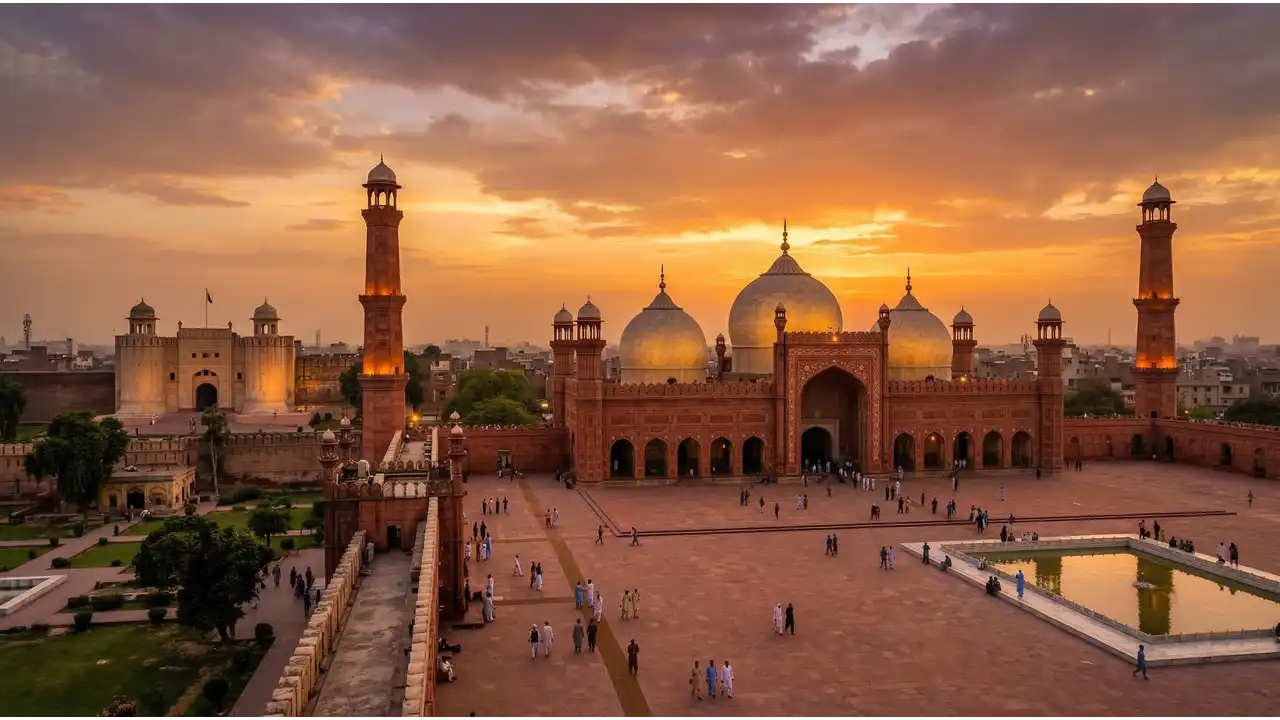
Pakistan is a South Asian country of 240 million people spanning diverse terrain from the Indus River plains to the Karakoram mountains. Daily life centers on family, commerce, and faith. In cities like Karachi, Lahore, and Islamabad, you encounter dense traffic, street vendors, and organized bazaars alongside modern shopping centers. The climate is hot and dry in most regions, with monsoons from June to September. Local life moves at a different pace than Western cities. Power outages and water shortages are routine in many areas. English is widely spoken in professional and educated circles, though Urdu is the national language. Food is central to social life, with chai culture and shared meals marking daily rhythms.
💡 Local Insights
Pakistan · 2026
Pakistan offers genuine affordability, but costs vary sharply by city and lifestyle choice. Housing at $139/month reflects modest local standards. A basic one-bedroom apartment in a middle-class neighborhood in Lahore or Islamabad runs $80 to $150/month; Karachi is similar, though premium expat-focused areas can push higher. Shared accommodations or older properties drop below that. Groceries at $100/month assumes cooking at home with local produce and staples. Rice, lentils, seasonal vegetables, and locally-made dairy are cheap; imported goods cost triple or more. Eating out is inexpensive if you eat local food, under $2 per meal at street stalls or modest restaurants. Expats often spend more on familiar imports, private transport, and utilities like electricity and water. Transport is very cheap: public buses cost cents, motorcycle taxis (rickshaws) cost $0.25 to $0.50 per trip. Many expats hire drivers at $200 to $400/month. Utilities can spike in summer due to air conditioning. Medical care is affordable if you use local clinics; expats often pay more for private clinics offering English-speaking doctors. Visa status and ability to work legally shape long-term feasibility.
Frequently Asked Questions
How much does it cost to live in Pakistan per month?
A moderate lifestyle costs around $450/month. This breaks down roughly as housing at $139/month, groceries at $100/month, transport at $30 to $50/month, utilities at $40 to $80/month, and dining out, communications, and miscellaneous expenses making up the remainder. A tighter budget of $270/month is possible if you live very locally, avoid eating out, and accept basic accommodations. At the comfortable end, $698/month allows for better housing, more frequent dining out, private transport, and some savings or leisure spending. Your actual costs depend heavily on which city you choose, whether you eat local or import foods, and your transport decisions.
What is the average rent in Pakistan?
Average rent sits around $139/month for moderate housing. In Lahore, Islamabad, and Karachi, a basic one-bedroom apartment in a middle-class neighborhood runs $80 to $150/month. Smaller towns and older buildings drop to $50 to $90/month. Expat-focused compounds or newer buildings in central Islamabad or upscale Karachi areas can reach $200 to $400/month. Utilities (electricity, water, gas) add $40 to $80/month depending on season and usage. Deposits are typically one month's rent. Furnished apartments rent higher than unfurnished. Negotiation is normal, especially for longer leases. Many expats share houses to reduce per-person costs.
Is Pakistan cheap to live in for expats?
Yes, Pakistan is genuinely affordable compared to most Western countries, Southeast Asia, or the Middle East. $450/month supports a decent life with your own place, regular meals out, and local transport. However, expat costs often exceed local costs because many expats import familiar foods, use private drivers or ride-hailing instead of public buses, and pay more for expat-focused housing and services. An expat eating entirely locally, using public transport, and living modestly can match or beat the moderate figure. Those wanting Western-style groceries, air-conditioned taxis, and expat-standard accommodation should budget higher. Language barriers, visa restrictions, and security concerns in some areas also matter for expat decision-making beyond raw cost.
How much does food cost per month in Pakistan?
Groceries cost around $100/month buying local staples and cooking at home. Rice (bulk), lentils, flour, seasonal vegetables, and local dairy are very cheap. A kilogram of rice costs under $1; vegetables under $1 per kilogram; a dozen eggs under $1.50. Street food meals (biryani, naan with curry, chaat) run $1 to $2.50. Mid-range restaurant meals in local places cost $2 to $5. Eating out frequently bumps costs higher. Imported foods (Western cereals, cheeses, packaged goods) cost 2 to 4 times local prices and are found mainly in large cities. Many expats report food as their biggest lifestyle expense because they default to familiar imports. Cooking local dishes and eating at local spots holds costs down significantly.
What salary do you need to live comfortably in Pakistan?
A comfortable lifestyle costs around $698/month. This allows for better housing ($180 to $250/month), regular restaurant meals, occasional travel within Pakistan, private transport or hired driver use, and modest entertainment. In US dollars, that translates to a monthly income of roughly $700 to afford a comfortable life without stress. In Pakistani rupees (at current exchange rates around 277 PKR/$), that is roughly 190,000 to 200,000 PKR monthly. For expats on fixed Western incomes, even modest salaries often stretch far. Local professionals earning comfortable salaries in Pakistan earn 100,000 to 300,000 PKR/month ($360 to $1,080), and that range covers comfortable to upper-middle-class living. Visa and work permit restrictions affect who can earn locally.
How does the cost of living in Pakistan compare to other places?
Pakistan is genuinely affordable compared to most places. A moderate lifestyle costs $450 per month, with housing running $139 monthly. That puts it squarely in the lower tier globally.
Your nearest regional peer is Bangladesh, where a moderate lifestyle runs $525 monthly, about 17 percent higher. Housing there is actually cheaper at $107 per month, though total costs still edge ahead.
Iran is noticeably dearer. A moderate lifestyle in Iran costs $650 monthly with housing at $247, making it roughly 44 percent pricier overall than Pakistan.
Pakistan's advantage lies in food, local transportation, and domestic help remaining deeply affordable. You'll stretch money further on rent and utilities too. The trade-off is that imported goods and Western services cost significantly more relative to local wages.
Yes, but only with strict local discipline. $270/month works if you share housing (splitting a $100 to $140/month apartment with a roommate), buy only local groceries and cook all meals, use public buses and rickshaws exclusively, and avoid restaurants and imported goods. Your housing share drops to $50 to $70/month, groceries stay at $80 to $100/month, transport at $15 to $20/month, leaving $50 to $80/month for utilities, communications, and emergencies. This budget cuts out dining out, taxis, imported foods, entertainment, and most leisure spending. It is survivable if you integrate locally and accept a spartan lifestyle. Most expats and journalists cannot sustain this long-term without social isolation or health compromises. It is realistically a temporary or exceptionally frugal scenario.