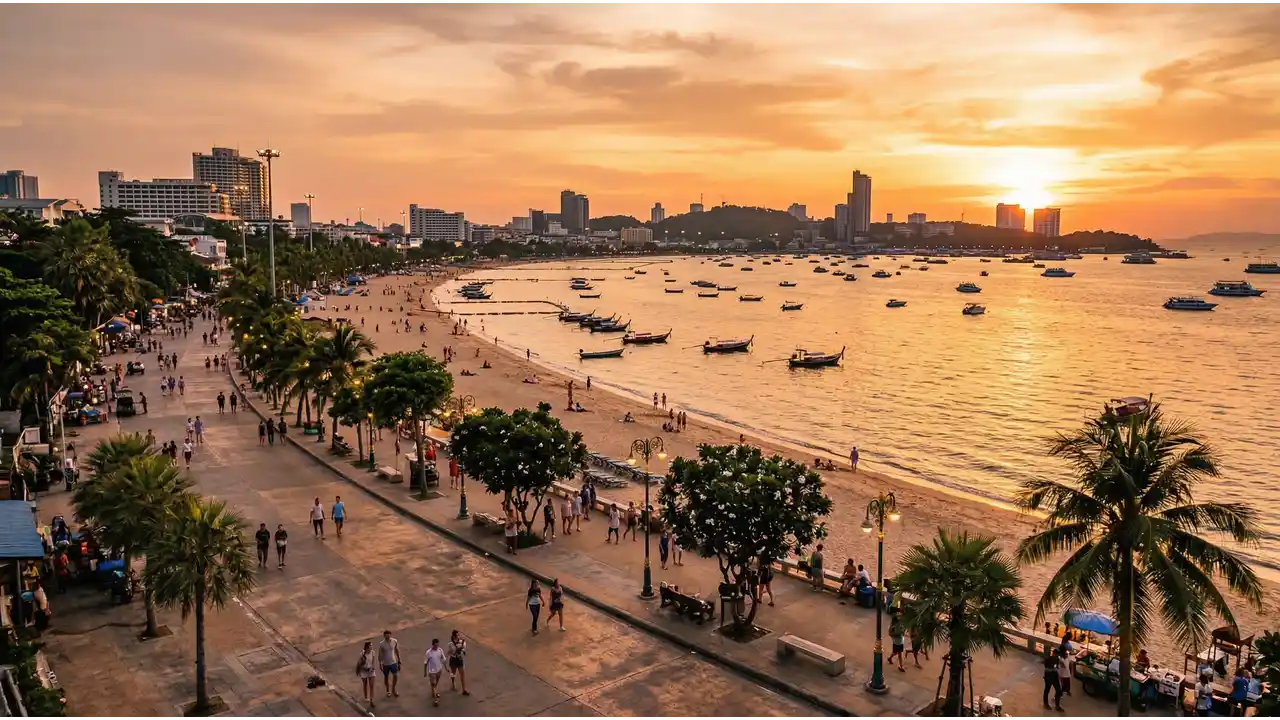
Penang is a Malaysian state split between Georgetown on the island and Seberang Perai on the mainland. Georgetown is the main draw for expats, with colonial architecture, hawker stalls, and a significant foreign resident base. The climate is tropical and humid year-round, with monsoon rains heaviest from September to November. Daily life centers on eating at street-level hawker markets, traveling by motorcycle taxi (tuk-tuk) or bus, and working from cafes or co-working spaces. The island has a long expat history, so English is widely spoken in tourist and expat neighborhoods. Cost of living is low by regional standards, though prices have risen noticeably in central Georgetown over the past few years.
💡 Local Insights
Penang · 2026
Penang's moderate cost of $900/month assumes housing of $336/month and groceries of $182/month, leaving room for transport, utilities, and discretionary spending. Housing costs vary sharply by location. Georgetown's central areas (Thalipot Road, transfer area, Pulau Tikus) command higher rents, while outer neighborhoods like Batu Ferringhi or mainland Seberang Perai offer cheaper options closer to that $336 anchor. Most expats rent furnished apartments or houses rather than buy. Groceries are cheap if you eat local. A hawker meal costs $1 to $3, and monthly groceries for one person average around $182 if you cook at home and shop at wet markets. Imported goods cost significantly more. Transport is inexpensive: local buses cost under $1 per ride, and ride-hailing services cost $2 to $5 for most trips within Georgetown. Electricity and water bills run $40 to $60 monthly depending on air conditioning use. Utilities and internet add $50 to $80. The main cost driver is housing, and where you live determines whether you stay budget or move toward the $1,395 comfortable tier. Expats often pay slightly more than locals for rentals, but negotiation is standard and long-term leases bring better rates.
Frequently Asked Questions
How much does it cost to live in Penang per month?
A moderate lifestyle in Penang costs around $900/month. This breaks down to approximately $336/month for housing (a one-bedroom apartment in a central neighborhood or a shared house), $182/month for groceries and cooking at home, $50 to $80 for utilities and internet, $30 to $50 for transport if you use buses and occasional ride-hailing, and the remainder for dining out, entertainment, and miscellaneous costs. A tighter budget of $540/month is possible if you live outside central areas, eat exclusively at hawker stalls, and minimize transport costs. A comfortable lifestyle with more flexibility costs around $1,395/month.
What is the average rent in Penang?
Average monthly rent is around $336/month, though this varies significantly by neighborhood. In central Georgetown (Thalipot Road, near the ferry terminal, or Pulau Tikus), a one-bedroom unfurnished apartment rents for $350 to $500/month. Outer Georgetown areas (Sungai Ara, Bayan Lepas) and the island's quieter zones (Batu Ferringhi, Relau) typically cost $250 to $400/month. Mainland Seberang Perai offers the cheapest options, often $200 to $300/month for similar space. Most leases are negotiable, and landlords offer discounts for 12-month terms. Furnished rentals cost 20 to 30 percent more. Expats often pay a premium of 10 to 20 percent over local rates for the same property.
Is Penang cheap to live in for expats?
Penang is genuinely affordable compared to most Western cities and even other major Asian expat hubs like Bangkok or Chiang Mai. At $900/month, a comfortable lifestyle with private housing, regular dining out, and leisure activities is achievable. However, prices have risen in Georgetown over the past five years, especially in expat-friendly areas. Long-term expats often rent outside central zones to keep costs down. Internet and banking services work smoothly for remote workers, making the city attractive for digital nomads and freelancers. Visa requirements (Malaysia My Second Home visa or tourist stays) require either proof of income or regular border runs, which is worth factoring into your decision. For expats with flexible remote income, Penang remains cost-effective.
How much does food cost per month in Penang?
Monthly grocery costs average around $182/month if you shop at wet markets (Chowrasta, Thaipusam markets in Georgetown) and cook at home. A kilogram of rice costs roughly $0.80, eggs $1.20 per dozen, chicken $3 per kilogram, and fresh vegetables $0.50 to $1.50 per item. Eating at hawker stalls costs $1 to $3 per meal, making it cheaper than groceries if you eat out daily. Mid-range restaurants in Georgetown charge $5 to $8 per meal. Western imported foods (cheese, cereal, certain meats) cost two to three times more than local alternatives. Coffee at cafes frequented by expats costs $2 to $4, while local kopitiam (coffee shop) coffee is under $0.50.
What salary do you need to live comfortably in Penang?
A comfortable lifestyle costs around $1,395/month. This supports a one-bedroom apartment in a good neighborhood ($450 to $550/month), regular dining out and entertainment ($300 to $400/month), travel within Malaysia ($100 to $150/month), and a safety margin for unexpected costs. Remote workers earning $2,000 to $2,500/month can live well while saving. The Malaysian government's My Second Home visa requires proof of $1,340/month income or $34,000 in liquid assets, which aligns with this comfortable tier. Many expats live on significantly less ($900/month is achievable) by choosing outer neighborhoods and eating local, but the $1,395 level provides buffer and access to expat services, better housing, and more flexibility.
How does the cost of living in Penang compare to other places?
Penang is genuinely affordable for Southeast Asia. A moderate lifestyle costs $900 per month, with housing at $336 per month. That makes it cheaper than Ankara, which runs $1,250 for the same lifestyle, though Ankara's housing is steeper at $590 per month. Penang sits roughly level with Chengdu at $825 per month, despite slightly lower housing costs in the Chinese city at $361 per month. If you're budget-conscious, Hyderabad offers more savings at $575 per month, with housing around $230 per month. Penang's advantage is the combination of relatively low costs and reliable infrastructure, English-language services, and established expat communities. You're not paying Bangkok or Kuala Lumpur prices, but you're getting a port city with better amenities than many cheaper alternatives in the region.
Yes, but with significant trade-offs. The $540/month budget tier typically means renting in outer neighborhoods like Bayan Lepas, Jelutong, or mainland Seberang Perai ($200 to $280/month), eating almost exclusively at hawker stalls and markets ($120 to $150/month), using buses or walking for transport ($20 to $30/month), and minimal dining out or entertainment. You'll need your own transportation (motorcycle or bicycle) to avoid ride-hailing costs. This budget leaves little room for healthcare, travel, or unexpected expenses. Many budget travelers and digital nomads do this successfully, particularly those with flexible schedules who live like locals. However, it requires discipline and comfort with a basic standard. Most people find $900/month a more realistic baseline for stability and quality of life.