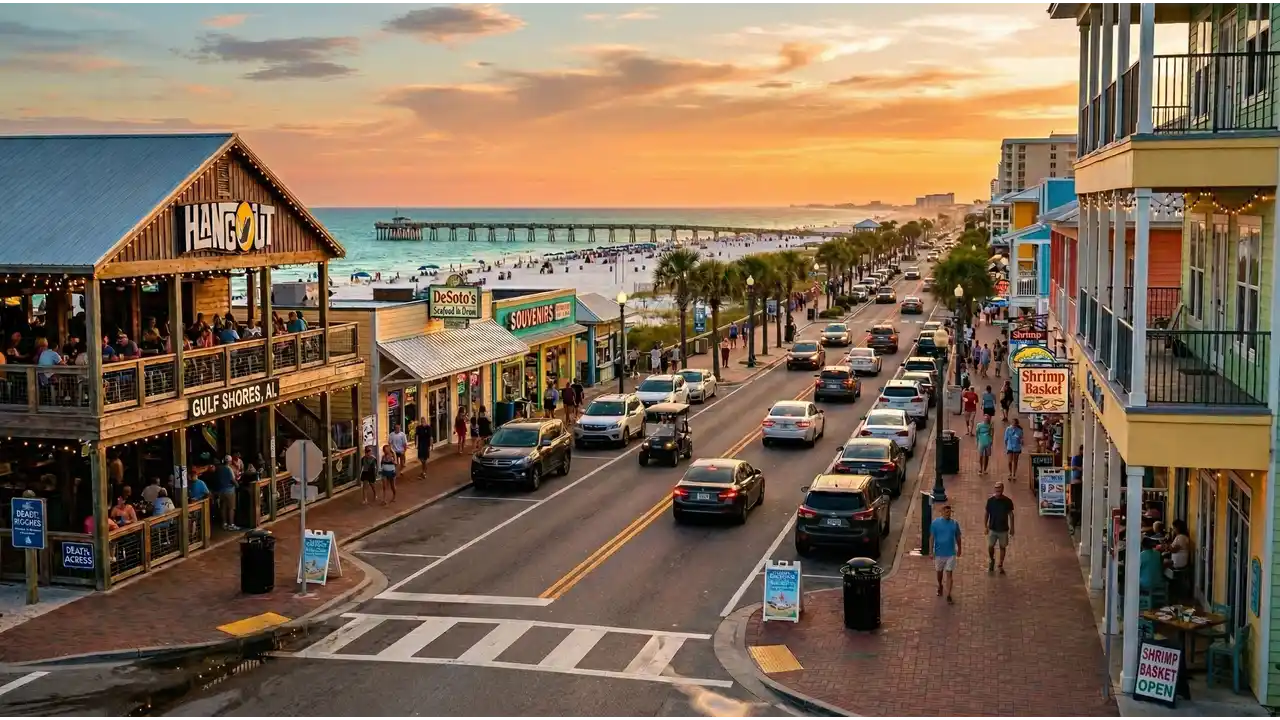
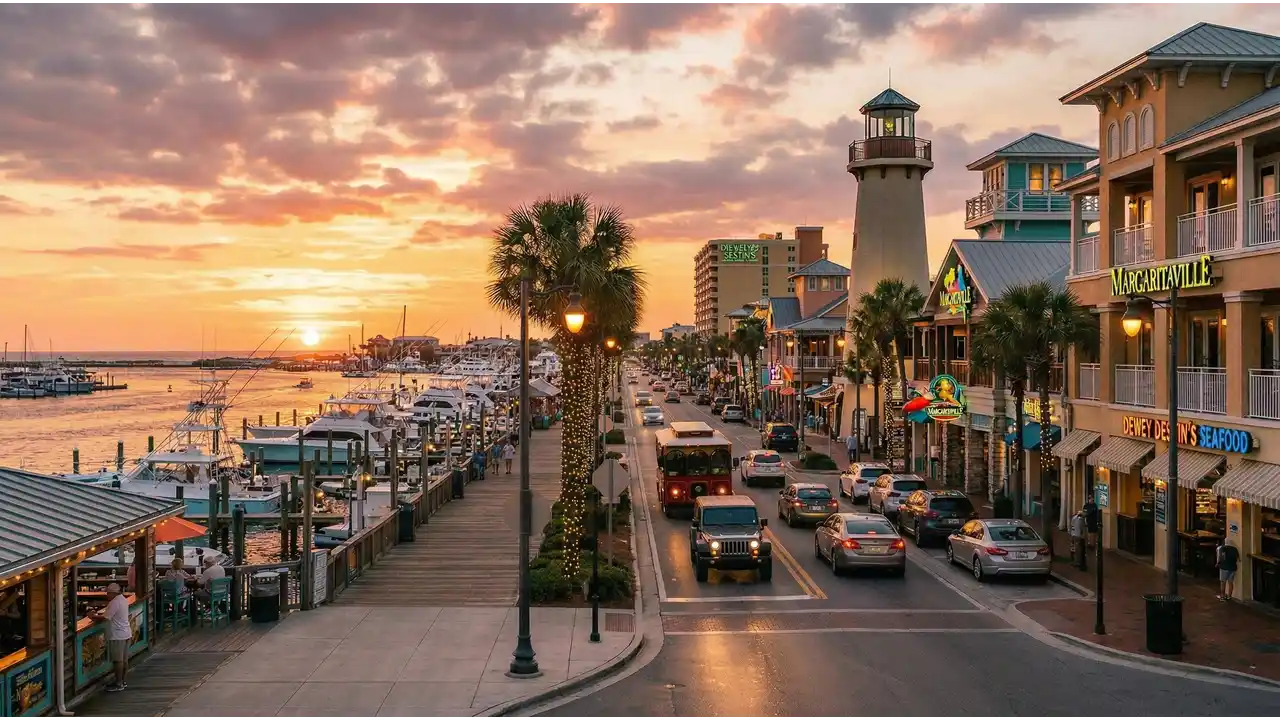
Pensacola is a port city of about 52,000 people on Florida's northwest coast, known for Naval Air Station presence and a downtown waterfront. The climate is subtropical, with hot, humid summers and mild winters. The population is a mix of military families, retirees, and longtime Gulf Coast residents. Daily life centers on beach access, seafood restaurants, and a slower pace than major metros. Summer heat and occasional hurricanes shape the rhythm of the year. Housing ranges from older downtown cottages to newer suburban developments. The city has real character but also real decay in parts of downtown, creating price variation by block.
💡 Local Insights
Pensacola · 2026
Pensacola's cost structure reflects its position as a mid-sized military and tourism hub with limited job diversity. Housing averages $1,247/month across the area, with one-bedroom apartments downtown or near the beach running $900-$1,100, while newer three-bedroom houses in suburbs like Brent or Ensley reach $1,400-$1,600. Grocery costs are typical for the Gulf South at $517/month for a household, with local seafood cheaper than national averages. Transportation is car-dependent; there is minimal public transit. Expats report that salaries are lower than national median, so relative affordability depends heavily on remote work or military income. The budget tier of $1,710/month is tight but livable if you avoid dining out and stay in older rental stock. Summer air conditioning costs spike July to September. Military discounts apply widely if you have eligible status. Real estate prices have risen since 2015 but remain well below Tampa or Miami.
Frequently Asked Questions
How much does it cost to live in Pensacola per month?
A moderate lifestyle in Pensacola costs around $2,850/month. This includes housing at $1,247/month, groceries at $517/month, utilities and transport at approximately $400-$500, and discretionary spending on dining, entertainment, and personal care. Budget-conscious individuals can live on $1,710/month by choosing older rental stock, cooking at home, and using free activities like beaches. Those seeking more space, dining out regularly, or newer housing should budget toward the comfortable tier of $4,418/month. Actual costs vary significantly by neighborhood and lifestyle choices.
What is the average rent in Pensacola?
Average housing costs are around $1,247/month across Pensacola. One-bedroom apartments in downtown or midtown neighborhoods typically rent for $800-$1,050. Two-bedroom apartments run $1,000-$1,350. Three-bedroom houses in suburban areas like Brent, Ensley, or near the airport rent for $1,200-$1,500. Beachfront or historic district properties command premiums, reaching $1,600-$2,000. Older buildings downtown offer the lowest rents but may have maintenance issues. Furnished short-term rentals cost 20-30% more. Property taxes and insurance are moderate by Florida standards, around $100-$150/month on a $150,000 home.
Is Pensacola cheap to live in for expats?
Pensacola is moderately affordable compared to US coastal cities but not a bargain by global standards. Housing at $1,247/month is cheaper than Miami, Charleston, or Austin, but salaries are also 10-15% lower than national median. For expats on remote US salaries or pensions, the cost is reasonable. For those seeking local employment, job market limitations and modest wages make the value less compelling. Expats with military connections, remote work, or substantial savings find Pensacola practical. Those comparing it to Mexico City, Lisbon, or Southeast Asia will find it expensive. The real appeal for expats is stability, English-language ease, and beach access rather than cost advantage.
How much does food cost per month in Pensacola?
Grocery costs average $517/month for a moderate household diet. Fresh local seafood (grouper, shrimp) is cheaper here than inland, typically $8-$12/lb. Eggs run $2.50-$3.50/dozen, chicken breast $6-$8/lb, and milk $3.50-$4/gallon. Produce prices are seasonal; winter vegetables are cheaper December to April. Eating out is affordable by US standards: casual restaurant meals cost $10-$15, sit-down dinners $18-$28. Grocery chains like Publix and Winn-Dixie dominate. Ethnic groceries (Latino, Asian) are available in pockets but more limited than larger metros. Budget shoppers can reduce monthly food costs to $400 by cooking at home and avoiding processed foods.
What salary do you need to live comfortably in Pensacola?
A comfortable lifestyle in Pensacola requires approximately $4,418/month, or around $53,000/year before taxes. This covers newer or well-maintained housing at $1,400-$1,600/month, frequent dining out, car ownership with insurance and gas, regular entertainment and travel, and a financial cushion. For a household of two, $60,000-$70,000 combined household income provides breathing room. The US Census Bureau lists Pensacola's median household income around $42,000, meaning comfortable living exceeds typical local earnings. This gap is why many residents either earn remote income, receive military benefits, or have lower spending expectations than the comfortable tier suggests.
How does the cost of living in Pensacola compare to other places?
Pensacola runs $2,850 per month for a moderate lifestyle, with housing at $1,247 per month. That puts it squarely in the middle of the Southeast. St. Louis, a peer city, costs roughly the same at $2,750 monthly, though housing there is nearly identical. If you're looking for cheaper options, Tulsa comes in significantly lower at $2,325 per month overall, with housing at just $831. On the other end, Miami is substantially pricier at $3,925 monthly, driven largely by housing costs of $2,311 per month. Pensacola's advantage is that it undercuts the major coastal cities while remaining affordable compared to regional peers. For someone relocating from a high-cost area, the difference is real. For someone coming from cheaper parts of the country, Pensacola will feel noticeably more expensive.
Yes, but with significant constraints. This budget tier requires shared housing or a studio apartment at $700-$850/month, minimal dining out, no car payment, and careful grocery shopping at $400/month or less. You can cover utilities, phone, and basic transport. What cuts out: new clothing, entertainment, travel, car ownership beyond an older paid-off vehicle, and any savings. Healthcare costs can break this budget quickly. This works for single individuals without dependents, students with support, or those with subsidized housing. It does not work for families, people with debt or medical expenses, or anyone needing a car loan. Many long-term residents live at or below this level by choice, but it requires discipline and lower expectations than the moderate tier.