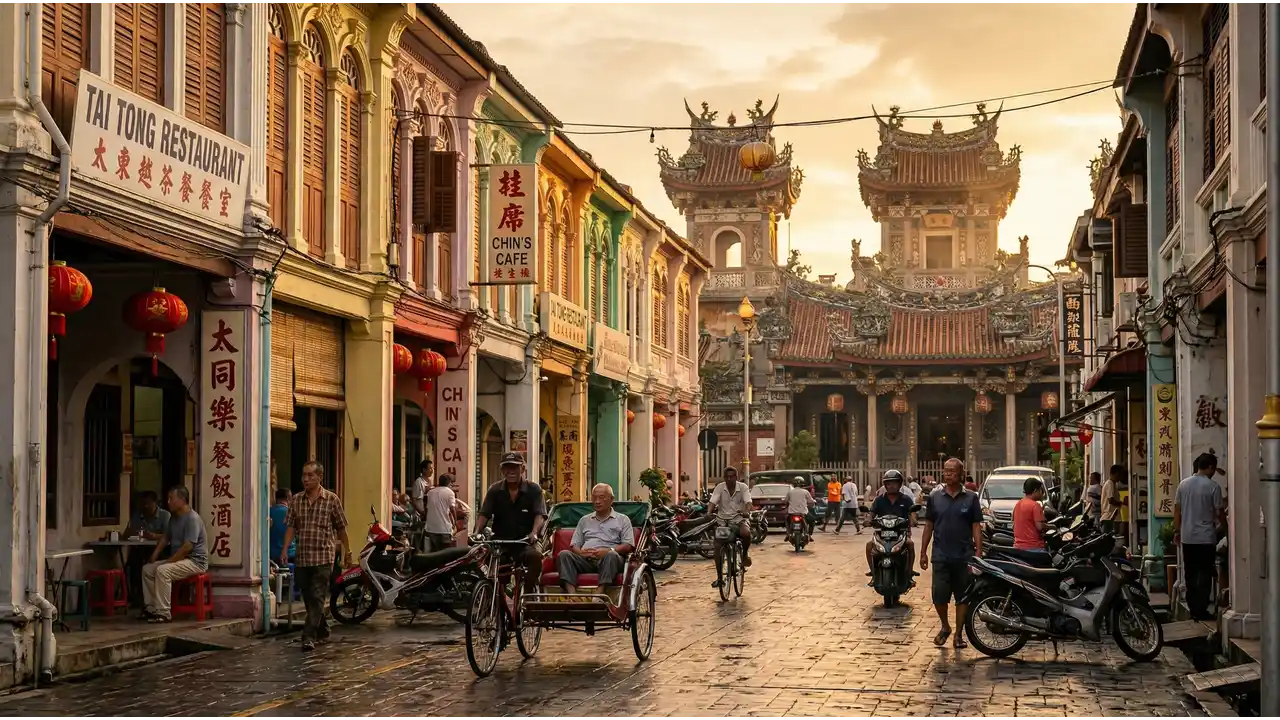
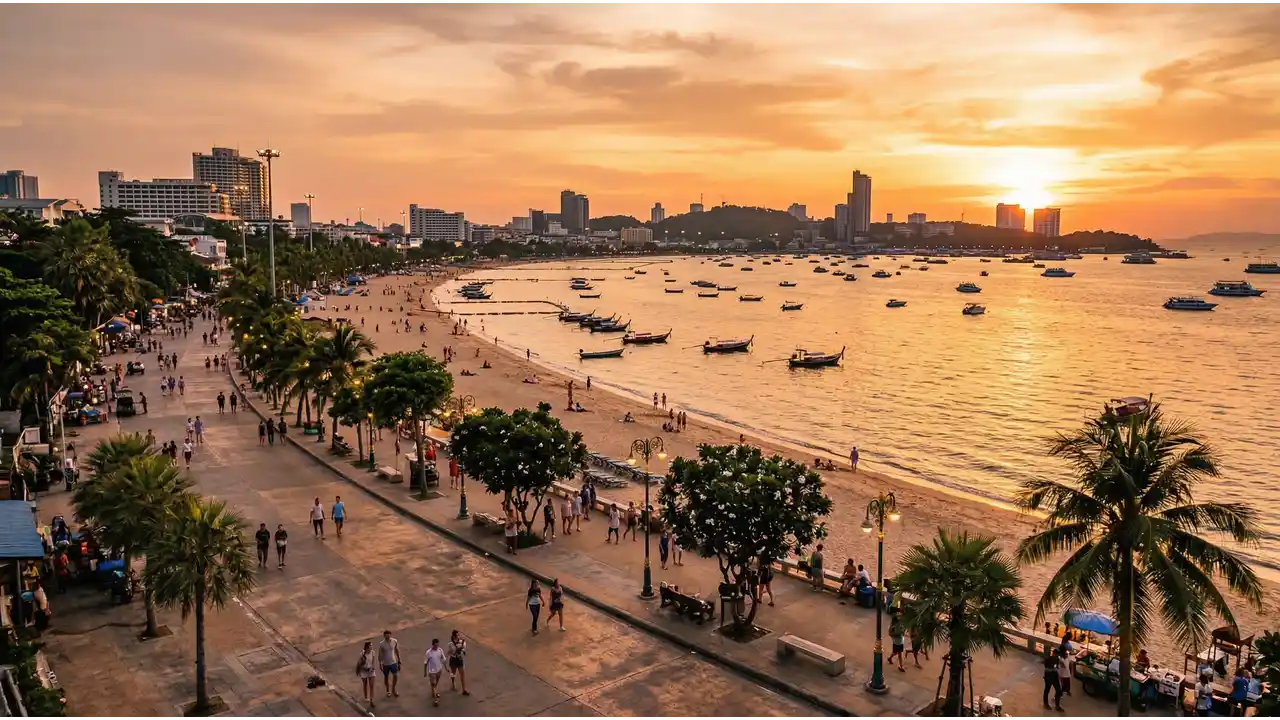
Phuket is Thailand's largest island and primary beach resort destination, home to around 400,000 residents plus seasonal tourists. The island has distinct zones: Patong Beach draws party crowds and tour operators, while quieter neighborhoods like Bang Tao and Karon appeal to families and retirees. Daily life involves navigating monsoon seasons (May to October), dealing with regular traffic congestion, and operating within Thailand's visa and work permit system. Most expats live in rented condominiums or townhouses near beaches or central Phuket Town. English is widespread in expat areas but limited outside tourist zones. The pace is slower than Bangkok, centered around beach culture, diving, and long-term remote work communities.
💡 Local Insights
Phuket · 2026
Phuket's costs split sharply between expat-facing areas and Thai neighborhoods. Housing averages $536/month and varies dramatically by location: basic Thai-style apartments in outer neighborhoods run $300-400/month, while furnished condos in Patong or Bang Tao reach $700-1,000. Monthly groceries average $238 if you shop at local markets and cook at home; eating out at Thai restaurants costs $2-4 per meal, Western restaurants $10-20. Transport relies on tuk-tuks ($1-3 rides), renting a scooter ($100-150/month), or car rental ($400-600/month). Many expats overspend on international food, alcohol in tourist bars, and frequent travel, pushing totals well above $1,275. Utilities run $40-60/month in air-conditioned spaces. The budget figure assumes Thai-language comfort and local shopping habits; expats exclusively using imported goods and Western venues spend 50 percent more. Visa costs ($1,000-2,000 annually for Elite or education visas) aren't captured in monthly totals but matter for annual planning.
Frequently Asked Questions
How much does it cost to live in Phuket per month?
A moderate lifestyle costs around $1,275/month. This covers housing at $536/month, groceries at $238/month, utilities ($50), transport ($40-60), and modest dining out and entertainment. A budget tier, relying on Thai neighborhoods and minimal dining out, runs $765/month. A comfortable lifestyle with Western amenities, occasional travel, and dining out regularly costs $1,976/month. Costs vary widely by neighborhood and spending habits, especially for expats who use international products and Western venues.
What is the average rent in Phuket?
Average monthly rent is $536, but ranges significantly by location and property type. Thai-style apartments in neighborhoods like Rassada or Kathu run $300-400/month. Mid-range furnished condos in Karon or Bang Tao cost $500-700/month. Expat-friendly apartments in Patong Beach or modern complexes in Phuket Town reach $700-1,000/month. Houses with multiple bedrooms start at $800/month and climb to $1,500+ in resort areas. Long-term renters (6+ months) often negotiate 10-20 percent discounts. Most rentals require deposits of one to two months' rent.
Is Phuket cheap to live in for expats?
Phuket is genuinely inexpensive compared to Western cities, but it's not the cheapest in Thailand. Bangkok's old neighborhoods and northern Thailand offer lower costs. Phuket's expense comes from tourism infrastructure, beach premiums, and expat-oriented commercial areas pushing up rental and dining prices. A disciplined expat living like locals, shopping at morning markets, and staying outside Patong can sustain the $765-1,275 range. Expats accustomed to Western dining, imported groceries, and frequent travel typically spend $1,976+. The real savings come from eliminating car payments, reduced healthcare costs, and low utility bills.
How much does food cost per month in Phuket?
Groceries average $238/month if you shop at local markets, 7-Eleven, and Tesco Lotus, eating Thai food at home. Individual prices: rice ($0.50/kg), chicken ($2.50/kg), fresh fish ($4-6/kg), eggs ($1.20/dozen), vegetables ($0.50-1.50/kg). Eating out at Thai street food costs $1.50-3 per meal; casual Thai restaurants $3-5. Western food and international brands push costs higher. Alcohol from convenience stores is cheap (beer $1-2), but Western bars charge $4-8 per drink. Expats who shop only at import sections or international supermarkets easily spend $400+/month on groceries alone.
What salary do you need to live comfortably in Phuket?
A comfortable lifestyle requires around $1,976/month. This supports a nice one-bedroom apartment, regular dining out at quality restaurants, gym or club memberships, frequent travel within Thailand, and entertainment. For a family of two, budget $2,500-3,000/month for equivalent comfort. Most expats on digital nomad visas or remote employment aim for at least $2,000/month to avoid financial stress. Thailand's Elites and Elite Plus visas ($20,000-40,000 initial investment) are designed for retirees and affluent remote workers seeking visa certainty alongside that comfortable spending level.
How does the cost of living in Phuket compare to other places?
Phuket sits in the middle tier globally for cost of living. A moderate lifestyle here costs $1,275 per month, with housing running $536 monthly. That puts it slightly cheaper than Saudi Arabia, where a moderate lifestyle costs $1,350 with housing at $554 per month. Malaysia undercuts both significantly at $875 monthly for a moderate lifestyle and $377 for housing. If you're considering the Maldives, expect substantially higher costs: a moderate lifestyle there runs $1,825 per month with housing at $1,009. Phuket's affordability depends heavily on your spending habits. Tourist areas and beachfront neighborhoods cost more, while local Thai communities inland offer better value. Compared to Western cities, Phuket remains genuinely affordable, particularly for housing and dining outside resort zones.
Yes, but with real constraints. A $765/month budget requires renting a Thai apartment ($350-400), shopping at local markets ($150-180/month in groceries), cooking at home, using public transport or a scooter, and minimal dining out or entertainment. You'd skip international restaurants, alcohol beyond convenience-store beer, gym memberships, and frequent travel. This lifestyle works for disciplined remote workers comfortable with Thai neighborhoods, limited English, and no margin for unexpected costs. Medical emergencies, visa runs, or flight emergencies deplete savings quickly. Most expats find $765 unsustainably tight unless supported by low-cost housing arrangements or local income.