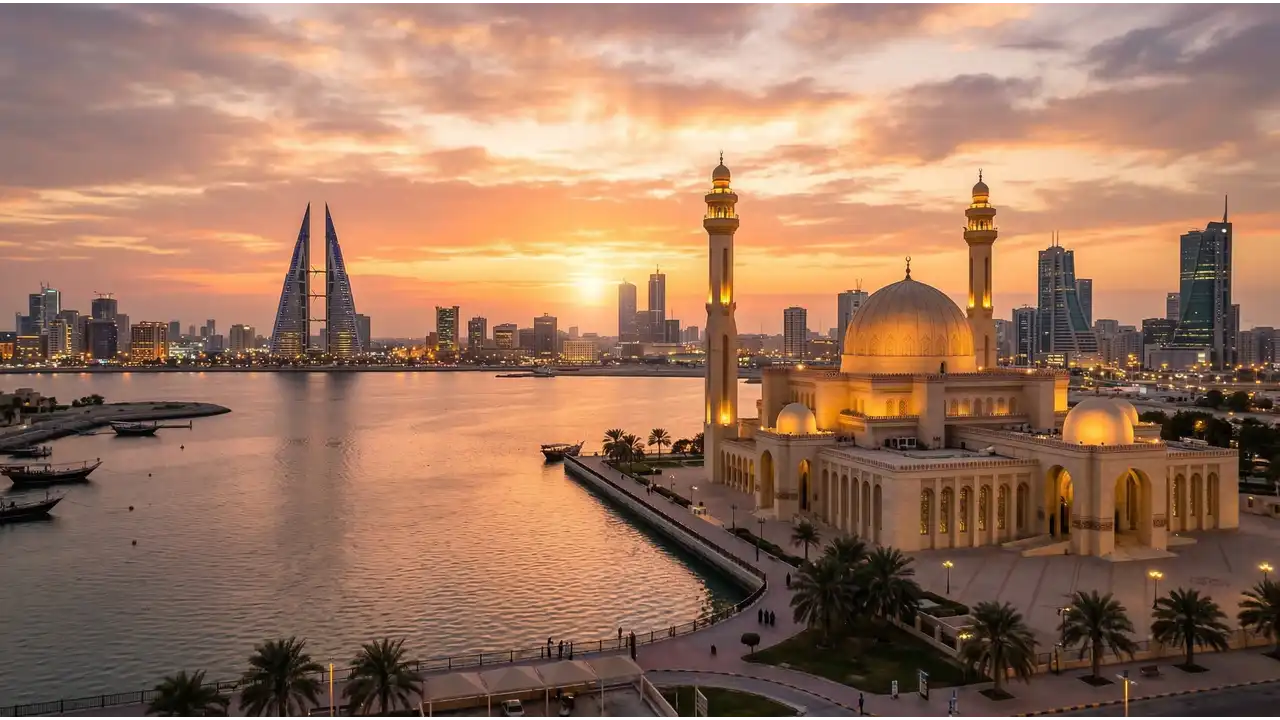
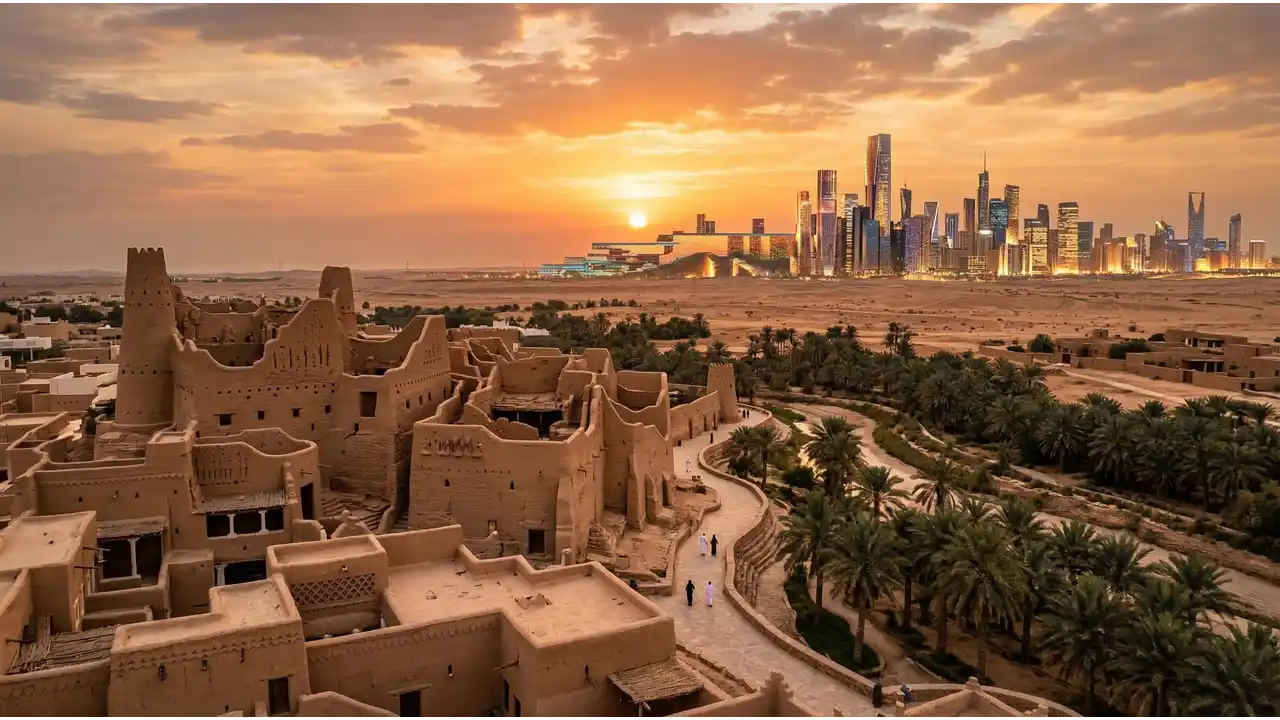
Qatar is a small Gulf nation of about 3 million people, roughly 90 percent expats. Doha is the capital and economic center, with modern infrastructure, shopping malls, and strict urban planning. The climate is extreme: summer temperatures exceed 120°F (49°C) from June to August, making outdoor life difficult. Most residents live indoors or in air-conditioned spaces. The country is Muslim and conservative in public behavior, though enforcement varies by area. English is widely spoken in business and expat communities. Daily life revolves around work, air-conditioned shopping, and social gatherings in private spaces. Employment is the primary reason people move here, not tourism or retirement.
💡 Local Insights
Qatar · 2026
Qatar's cost of living is shaped by its reliance on imports and wealth-driven demand. Housing at $1,640 per month reflects a two-tier market: expat compounds and modern apartments in central Doha command higher prices, while older areas or shared housing runs lower. Many employers provide housing as part of employment packages, which significantly lowers personal housing costs for workers. Groceries at $318 per month are reasonable by Gulf standards because Qatar subsidizes basic food staples. Supermarkets like Carrefour and Lulu are the norm. Eating out is expensive: a meal at a casual restaurant costs $12-18, while mid-range dining runs $25-40 per person. Public transport is limited; most residents rely on private cars or taxis. Uber and Karwa (local ride-hailing) operate but are pricier than Western equivalents. Utilities (electricity, water) run high due to air conditioning year-round. Healthcare and education costs spike if not covered by employment contracts. Expats often pay premiums for familiar imported goods and Western services.
Frequently Asked Questions
How much does it cost to live in Qatar per month?
A moderate lifestyle costs $2,625 per month. This covers housing at $1,640, groceries at $318, utilities, transport, and discretionary spending. A tighter budget runs $1,575 monthly, cutting back on dining out and entertainment. A comfortable lifestyle costs $4,069, allowing for larger housing, regular restaurant meals, and leisure activities. Most expats fall into the moderate or comfortable tier because employment contracts often subsidize housing. The breakdown assumes you cover your own rent and food; those with employer-provided housing spend significantly less from personal income.
What is the average rent in Qatar?
Average rent is $1,640 per month for a moderate lifestyle. A one-bedroom apartment in central Doha (West Bay, Lusail) ranges $1,200-2,000. Two-bedroom apartments run $1,600-2,500. Older areas or compounds further from downtown cost $900-1,400 for one-bedroom units. Villas with multiple bedrooms start at $2,000 and exceed $4,000 in upscale neighborhoods. Many employers provide housing allowances or direct accommodation, especially for skilled workers and managers. Utility bills (electricity, water, cooling) add $150-250 monthly because air conditioning runs continuously. Furnished apartments command a premium; unfurnished units are cheaper but require outfitting.
Is Qatar cheap to live in for expats?
Not particularly. Qatar is expensive compared to most Southeast Asian destinations and moderately priced against other Gulf states like the UAE. However, many expats don't directly pay for housing because employment contracts include accommodation. Without that subsidy, costs are high. Groceries are cheaper than Western capitals because staples are subsidized, but imported goods and Western brands cost more. Dining out is significantly pricier than comparable meals in Thailand or Mexico. Healthcare and education, if not employer-covered, are costly. The financial logic for expats is employment income, not affordability. Most work in oil and gas, finance, construction, or healthcare and earn salaries that justify the cost of living.
How much does food cost per month in Qatar?
Groceries run $318 per month for a moderate diet. Local produce (dates, tomatoes, cucumbers) is affordable at farmers markets. Imported goods from the US, UK, and Australia cost 30-50 percent more than at home. A loaf of bread costs $1-2, eggs $4-5 per dozen, chicken breast $6-8 per kilogram. Rice, pasta, and oils are cheap. Supermarkets like Carrefour, Lulu, and Spinneys dominate. Eating out is expensive: a casual lunch $12-18, dinner at a mid-range restaurant $25-40 per person, fast food $8-12. Coffee at a café runs $4-6. Alcohol is restricted and expensive where available (some hotels, expat clubs). Most expats cook at home to manage food costs.
What salary do you need to live comfortably in Qatar?
A comfortable lifestyle costs $4,069 per month. To sustain this without external support, a gross monthly salary of $5,000-6,000 is realistic after taxes and deductions. However, most expats earning comfortable-tier income (typically $60,000+ annually) have employer-provided housing and benefits, which covers or subsidizes the largest expense. For true self-sufficiency covering housing, food, and discretionary spending, aim for $55,000-70,000 annually. Executive and professional roles (oil and gas, banking, healthcare management) earn well above this. Entry-level expat jobs may offer $25,000-35,000 but include housing and transport, making the total compensation relevant, not just salary.
How does the cost of living in Qatar compare to other places?
Qatar's moderate lifestyle costs $2,625 per month, with housing running $1,640 monthly. This positions it as a middle-ground destination globally. Israel, a peer economy, runs slightly higher at $2,800 for an equivalent lifestyle, though Israeli housing costs less at $1,279 per month. If you're looking for genuine savings, the Maldives comes in cheaper at $1,825 monthly overall and $1,009 for housing. On the other end, Iceland is significantly dearer at $3,625 for a moderate lifestyle, with housing alone at $2,030 per month. The gap between Qatar and Iceland reflects the latter's limited housing supply and remote island economics. Qatar's cost sits comfortably below North European standards while remaining pricier than many Southeast Asian alternatives, making it competitive for expats seeking Gulf employment without extreme expense.
Yes, but with significant constraints. This budget assumes employer-provided housing, which most expats have. With housing covered, $1,575 covers groceries ($318), utilities ($150-200), transport ($200-300), and modest discretionary spending. You'll need to cook most meals, avoid dining out, use public transport or carpool, and skip entertainment and travel. Without housing provided, $1,575 is insufficient for rent alone in Doha. This budget works for single workers with employment packages but not for families or independent residents. Shared housing or compounds further outside Doha extend the budget. It's livable but requires discipline and employer support. Budget travelers typically base themselves in cheaper neighboring countries and visit on weekends.