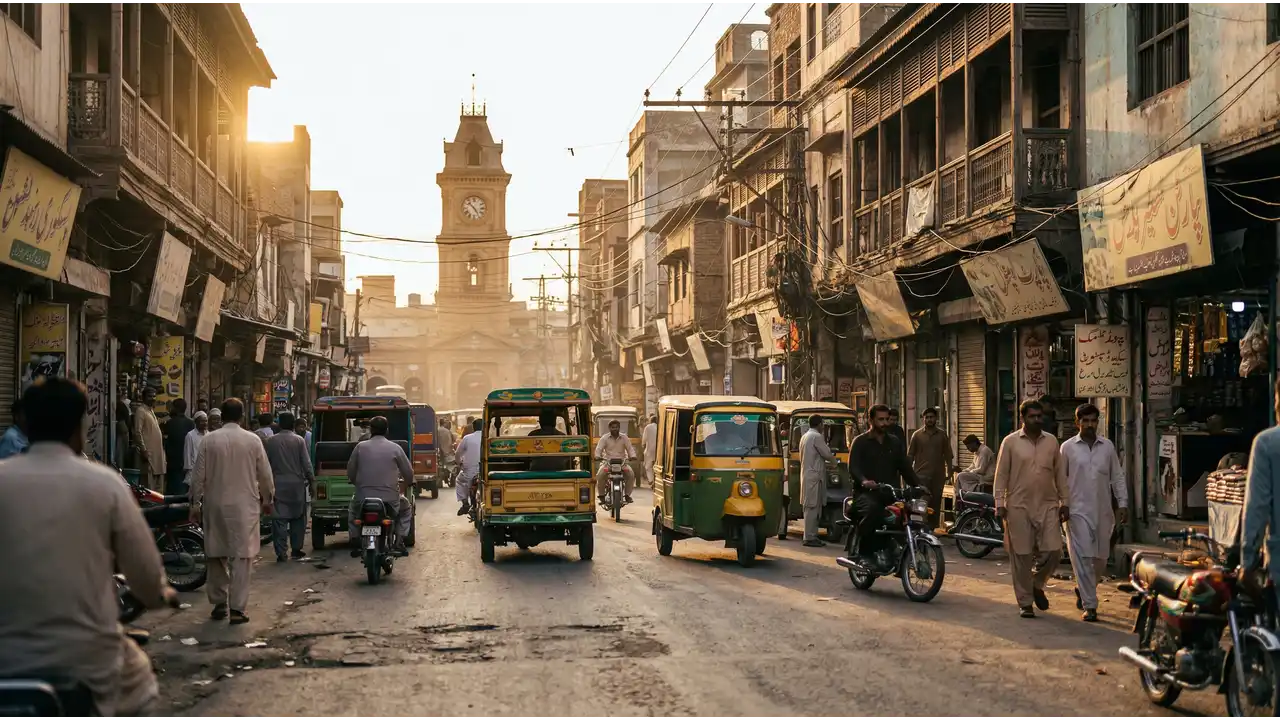
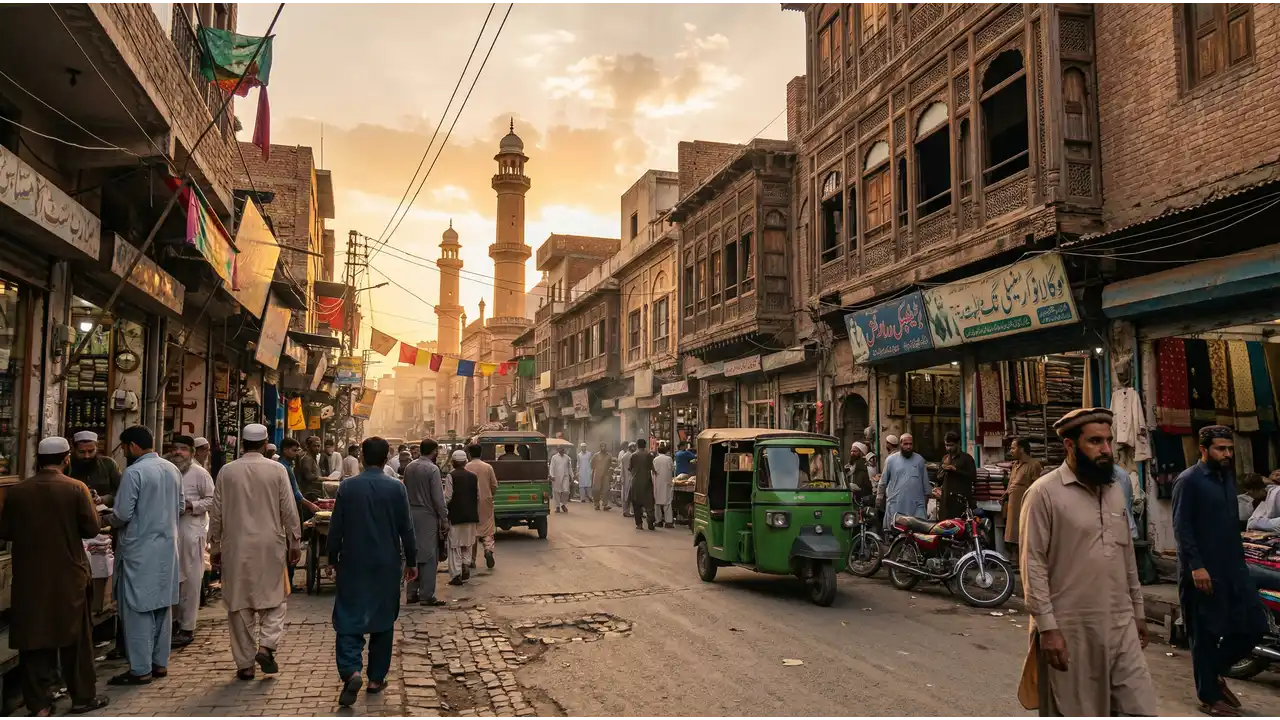
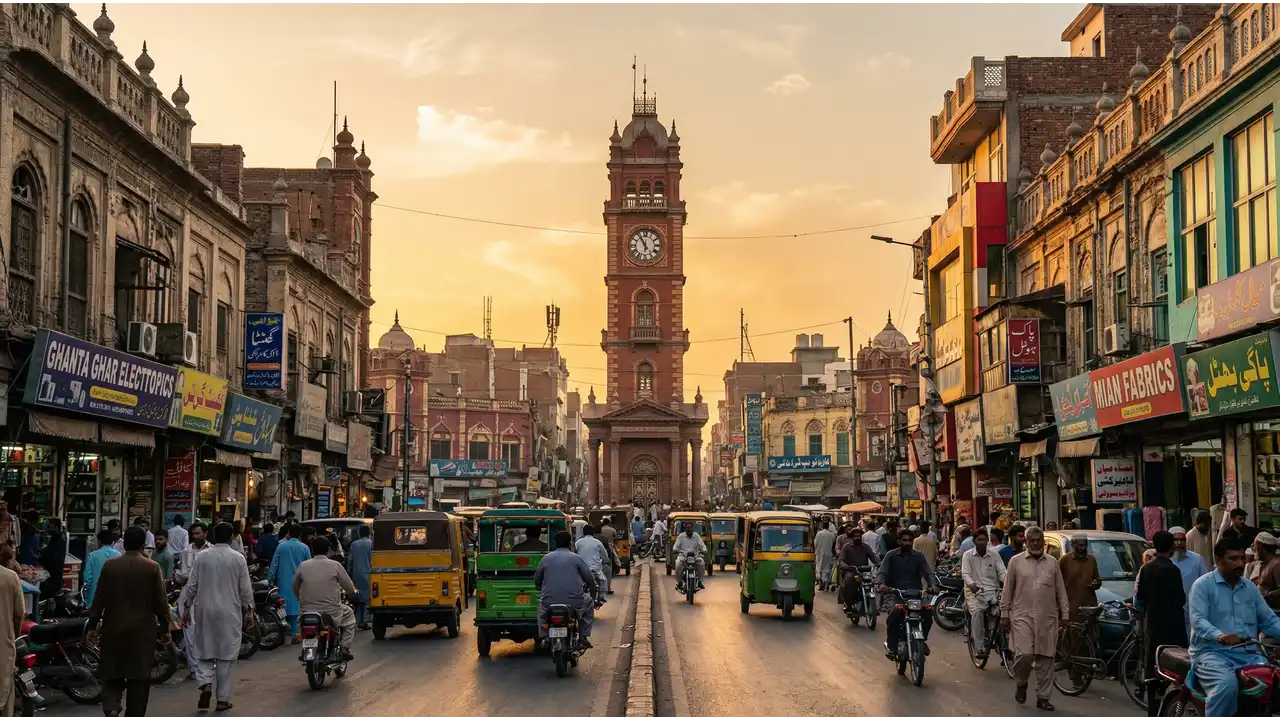
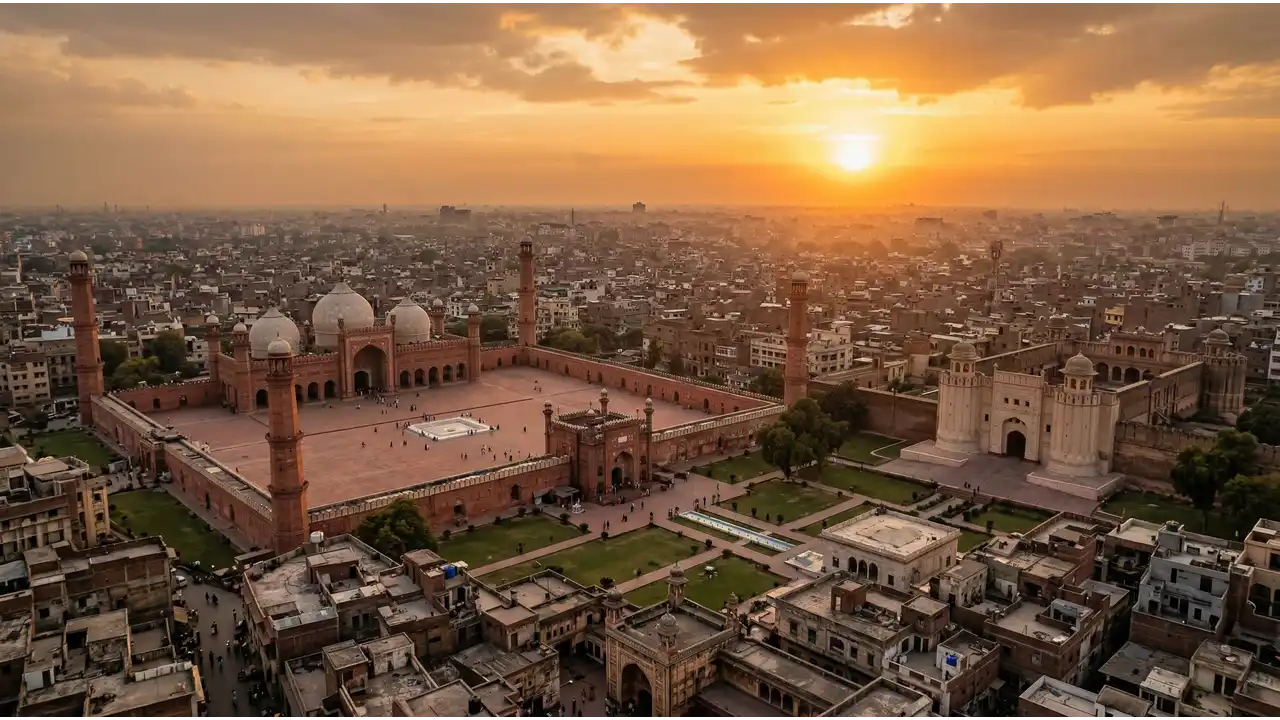
Rawalpindi is a military and administrative hub in Punjab, Pakistan, located adjacent to the capital Islamabad. Home to roughly 2.1 million people, it functions as both a garrison city and a commercial center. Daily life centers on crowded bazaars, residential colonies organized by military affiliation, and middle-class neighborhoods expanding outward. The climate is extreme: scorching summers (May to September, often exceeding 104°F) and mild winters. Most residents are Pakistani families and military personnel; expat populations remain small but growing. Traffic is heavy, public transport runs via minibuses and taxis, and the rhythm is shaped by prayer times and commercial activity in the old city.
💡 Local Insights
Rawalpindi · 2026
Rawalpindi's affordability stems from low property costs and cheap domestic labor compared to Western cities. Housing at $168/month typically means a modest one-bedroom apartment in middle-class areas like Adiala Road, Chaklala, or Pir Wadhai, or a shared house arrangement. Premium expat housing in secure compounds costs significantly more. Groceries at $115/month cover Pakistani staples: wheat flour, lentils, rice, seasonal vegetables, and dairy. Imported goods (cheese, cereal, chocolate) cost 2 to 3 times local prices. Eating at local dhabas costs $1 to $3 per meal; restaurants catering to expats charge $5 to $12. Transport is cheap: a minibus ride costs under $0.30, motorcycle taxis $0.50 to $1. Utilities (electricity, water, gas) add $20 to $40 monthly and spike in summer due to air conditioning. Healthcare is affordable if you use local clinics; private hospitals frequented by expats are costlier. Expat pricing exists for housing, restaurants, and imported goods; local markets yield far better value.
Frequently Asked Questions
How much does it cost to live in Rawalpindi per month?
A moderate lifestyle in Rawalpindi runs $525/month. This breaks down roughly as: housing $168, groceries $115, utilities $30, transport $25, and discretionary spending (dining out, entertainment, personal care) $187. A tighter budget of $315/month is feasible if you share housing, cook exclusively, and use public transport exclusively. A comfortable lifestyle at $814/month allows for better housing, dining variety, and more frequent transport.
What is the average rent in Rawalpindi?
Average rent is approximately $168/month for a one-bedroom apartment in middle-class residential areas. This typically means a modest flat in established neighborhoods like Adiala Road, Chaklala Scheme, or Rawalpindi Cantonment. Shared housing or older properties can cost $100 to $140. Newer, well-maintained apartments in safer compounds run $200 to $280. Expat-oriented secure housing with amenities costs $300 to $600. Utility deposits are often required separately. Property availability fluctuates; hiring a local agent or asking at community groups accelerates the search.
Is Rawalpindi cheap to live in for expats?
Yes, substantially cheaper than Western cities or major expat hubs like Dubai or Bangkok. Your salary buys more in housing, food, and services. However, Rawalpindi is not the cheapest option in South Asia; it is more expensive than rural Pakistan or tier-2 cities like Multan. Security concerns and limited expat infrastructure mean some costs rise: secure housing premiums, imported goods markups, and private healthcare. Expats accustomed to Southeast Asian prices find Rawalpindi similar or slightly pricier. The real advantage is affordability relative to home countries, not relative to other Asian destinations.
How much does food cost per month in Rawalpindi?
Groceries (bought from local markets and small shops) average $115/month. This covers staple items: wheat flour (5 kg for $3), lentils (1 kg for $1.20), rice (2 kg for $2.50), seasonal vegetables (tomatoes, onions, peppers: $2 to $4 per week), eggs (12 for $1.50), and dairy like yogurt and milk. Eating at local dhabas costs $1 to $3 per meal. Restaurant meals in mid-range establishments run $5 to $8. Imported groceries (breakfast cereals, cheese, chocolate) cost 2 to 3 times local equivalents. Street food is cheap: samosas for $0.30, chai for $0.15.
What salary do you need to live comfortably in Rawalpindi?
A comfortable lifestyle requires approximately $814/month. This tier covers a nicer one-bedroom apartment, regular dining out at mid-range restaurants, reliable air conditioning and utilities, domestic help (a cook or cleaner 2 to 3 days weekly), private or semi-private transportation, and entertainment. In annual terms, this is roughly $9,768. Expats working remotely or drawing a pension from Western countries typically find this level accessible. Local professionals earning in Pakistani rupees (roughly 150,000 to 200,000 PKR monthly) achieve similar comfort.
How does the cost of living in Rawalpindi compare to other places?
Rawalpindi's moderate lifestyle costs $525 per month, placing it slightly above Chennai at $500 per month. Both cities sit in the same cost band and offer comparable value for most daily expenses. Housing specifically runs $168 per month in Rawalpindi versus $176 per month in Chennai, so accommodation costs are nearly identical between the two.
If you're comparing to cheaper options, Kabul runs $400 per month overall, with housing at $91 per month, making it noticeably less expensive across the board. However, looking upward, Changsha costs $775 per month with housing at $250 per month, substantially higher than Rawalpindi on both fronts.
For most expats and locals, Rawalpindi sits in the moderate-cost bracket for South and Central Asia. Your actual spending will vary based on lifestyle choices, neighborhood, and whether you're renting or buying.
Yes, but with constraints. At the budget tier of $315/month, you must share housing (reducing rent to $100 to $120), buy exclusively from local markets and street vendors, cook all meals, use minibuses for transport, and forgo dining out and entertainment. Utilities, internet, and phone are tight. This budget suits students, digital nomads with very low spending, or individuals supported by family. It excludes emergencies, healthcare beyond basic clinics, and imported goods. Most expats find it restrictive; locals and Pakistanis working remotely can sustain it more comfortably given cultural familiarity.