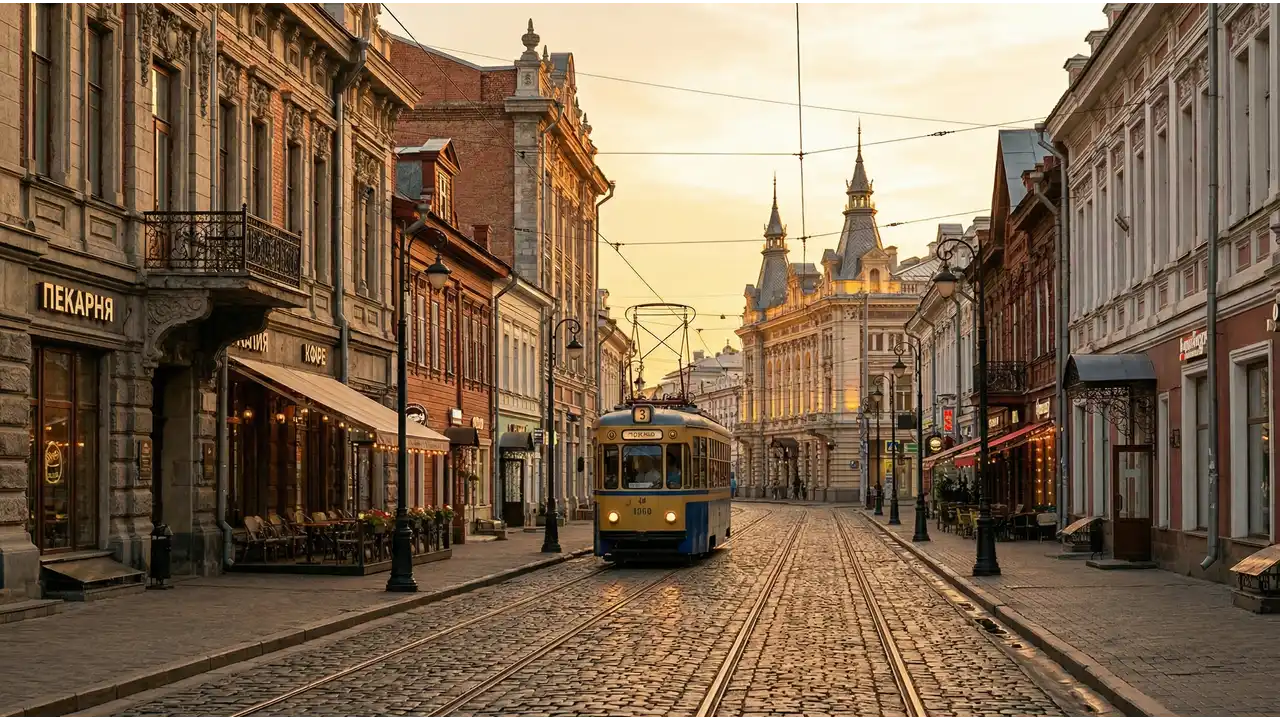
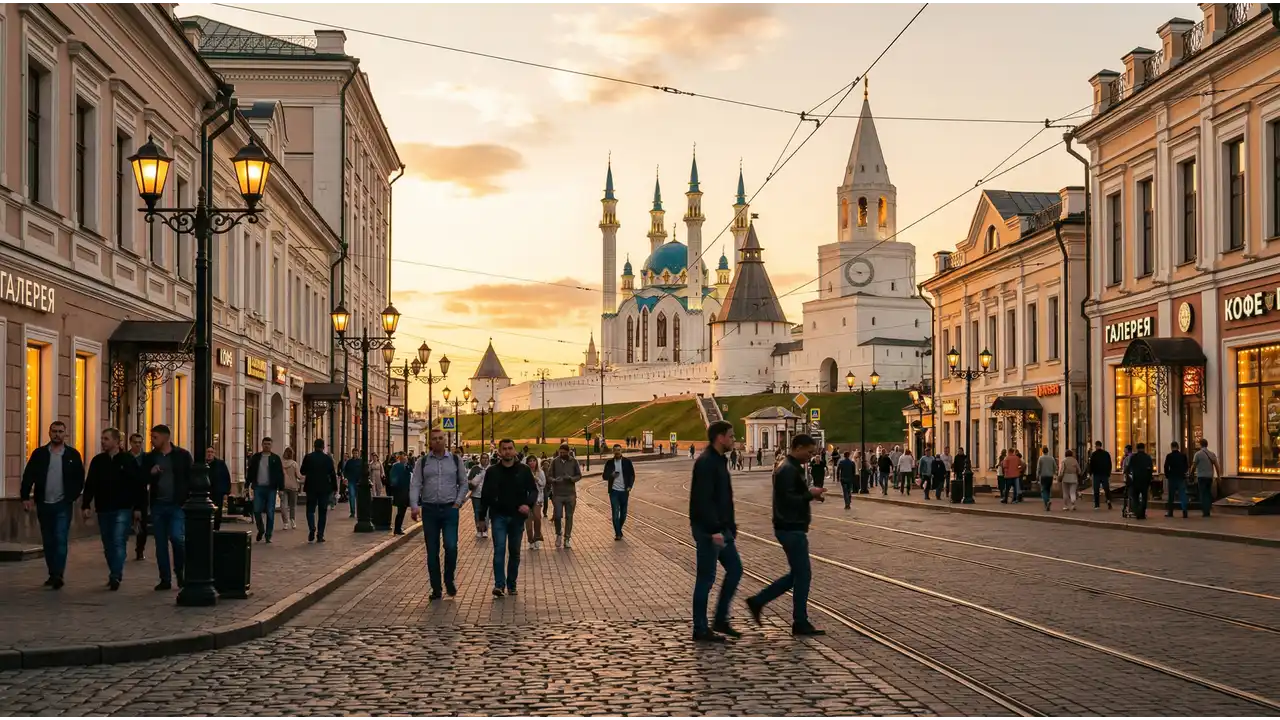
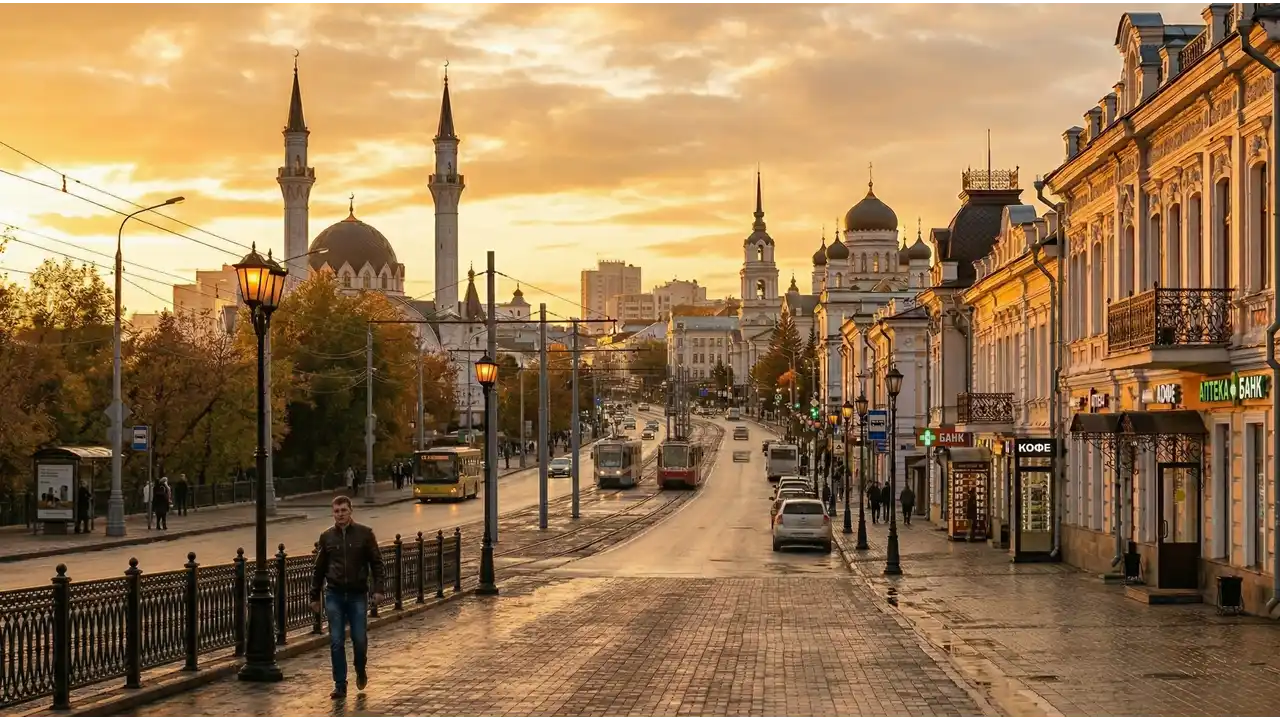
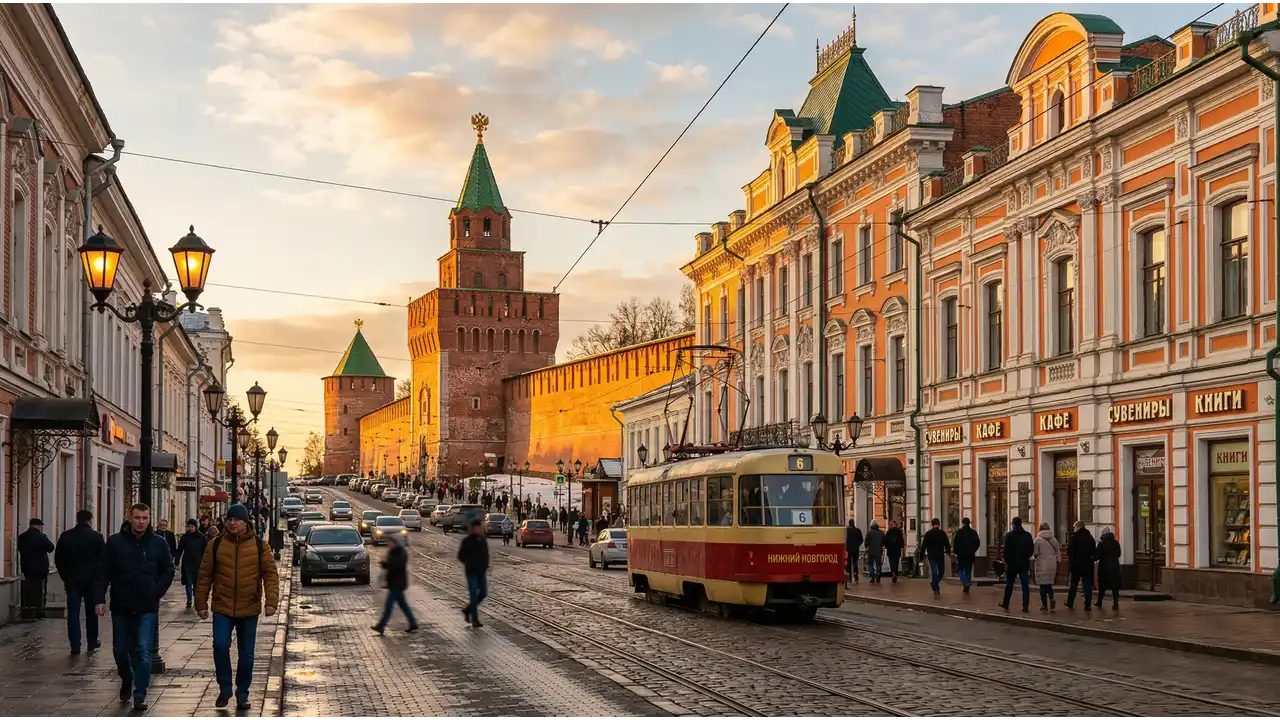
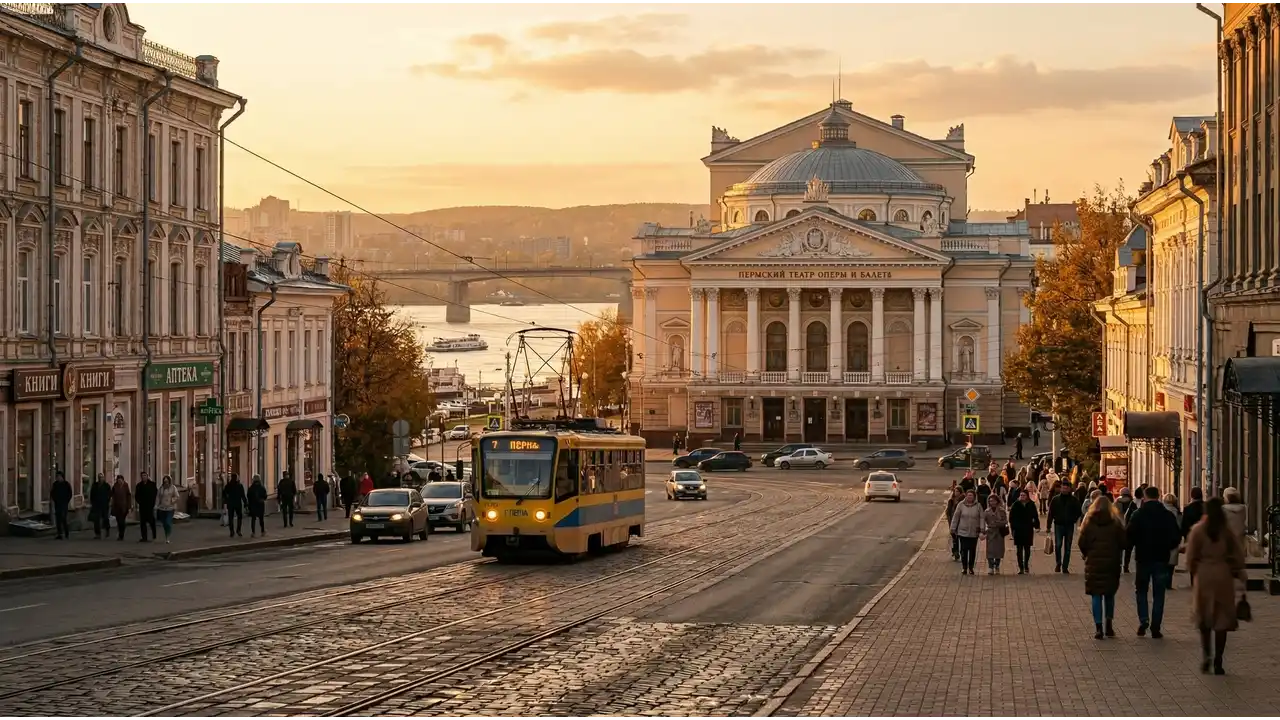
Samara is a major city on the Volga River in southwestern Russia, with around 1.2 million residents. The city has Soviet-era architecture mixed with newer development, a dense public transit network, and a continental climate with cold winters and warm summers. Daily life centers on the riverfront, parks, and local markets. Most residents are Russian-speaking. The pace is slower than Moscow or St. Petersburg, with a working-class character and lower costs. Winter lasts from November through March, with temperatures dropping well below freezing.
💡 Local Insights
Samara · 2026
Samara's low cost of living reflects its position as a regional industrial and academic center rather than a capital or major tourist destination. Housing averages $418/month, with one-bedroom apartments in central neighborhoods like Oktyabrsky or Lenin District ranging from $350 to $500, and outer areas considerably cheaper. Shared flats run $250-350/month per person. Groceries cost around $188/month for a single person buying staple foods, produce, and dairy at local markets and supermarkets like Magnit or Pyaterochka. Transportation is inexpensive, with a metro system and bus network offering unlimited monthly passes for under $15. Heating, water, and utilities add roughly $80-100/month in winter. Expat pricing exists but is minimal outside tourist restaurants. The key cost driver is your comfort level with Soviet-era housing stock and distance from the center. Utilities spike in winter; budget accordingly if arriving November through March.
Frequently Asked Questions
How much does it cost to live in Samara per month?
A moderate lifestyle in Samara costs around $1,000/month. That covers $418/month for housing (a one-bedroom apartment in a central neighborhood), $188/month for groceries, $80-100/month for utilities and heating, $15/month for public transport, and $150-200/month for dining out, entertainment, and incidentals. Your actual spend depends heavily on neighborhood choice and willingness to use Soviet-era housing stock. Expats with higher comfort standards typically spend $1,200-1,500/month.
What is the average rent in Samara?
Average rent is $418/month. A one-bedroom apartment in central neighborhoods like Oktyabrsky or Lenin District runs $380-480/month, while outer areas or Soviet-era blocks cost $250-350/month. Two-bedroom apartments range from $550-700/month depending on location and condition. Shared flats are available at $250-350/month per person. Most housing stock is privatized Soviet-era construction with limited modern renovations. Expats often pay slightly higher rates when renting from agencies, but landlord negotiation is common. Winter heating (included in utilities) is a fixed cost and non-negotiable.
Is Samara cheap to live in for expats?
Yes, Samara is significantly cheaper than Moscow or St. Petersburg, and comparable to or cheaper than Eastern European capitals like Budapest or Bucharest. An expat can live comfortably on $1,200-1,500/month with a private apartment, regular dining out, and modest entertainment. The main adjustment is accepting Soviet-era apartment conditions, navigating language barriers, and understanding that visa and residency rules are stricter than in EU countries. Expat communities exist but are small. Healthcare and education costs vary by your chosen providers.
How much does food cost per month in Samara?
Groceries average $188/month for a single person buying at markets and supermarkets like Magnit or Pyaterochka. A loaf of bread costs $0.80-1.20, eggs $2-3/dozen, chicken breast $4-5/kg, and fresh produce varies seasonally but runs $1-2/kg for apples or cabbage. Eating out is cheap: a meal at a casual canteen costs $3-5, a mid-range restaurant meal $8-12. Alcohol is inexpensive, with local beer around $1-2/bottle and vodka $6-10/bottle. Shopping at central markets (Oktyabrsky, Samarsky) yields better prices than supermarkets.
What salary do you need to live comfortably in Samara?
A comfortable lifestyle costs around $1,550/month. That budget covers $418/month for a good one-bedroom apartment or a modest two-bedroom in a nice area, $188/month for groceries, $100-130/month for utilities, $15/month for transport, and $400-500/month for dining out, entertainment, gym membership, and occasional travel. Add health insurance and occasional international flights. In local terms, this is roughly 90,000-100,000 rubles/month. Expats working remotely from higher-wage countries can live very well on this figure.
How does the cost of living in Samara compare to other places?
Samara sits at $1,000 per month for a moderate lifestyle, with housing running $418 per month. That puts it squarely in the middle of Eastern European pricing.
Lviv is a peer city at $925 per month overall, so slightly cheaper while maintaining similar housing costs at $414 per month. If you're looking for genuine budget living, Odesa drops to $800 per month with housing at $336 per month, making it noticeably more affordable. By contrast, Catania in Sicily runs $1,450 per month with housing at $566 per month, reflecting Southern European pricing that's roughly 45 percent higher than Samara's baseline.
Within Russia itself, Samara offers good value relative to Moscow or St. Petersburg. You're paying less than Western European cities but more than deeper provincial towns in the region.
Yes, but with significant constraints. This budget is tight and requires: a shared flat or outer-area studio ($200-250/month), street market groceries only ($120-140/month), no dining out except rare budget canteens, no gym or paid entertainment, and minimal discretionary spending. Utilities and transport consume the remainder. This works for students, remote workers with very low cost bases, or those with free housing. Winter heating costs and any medical expenses quickly break this budget. It is possible but not comfortable for most expats used to Western standards.