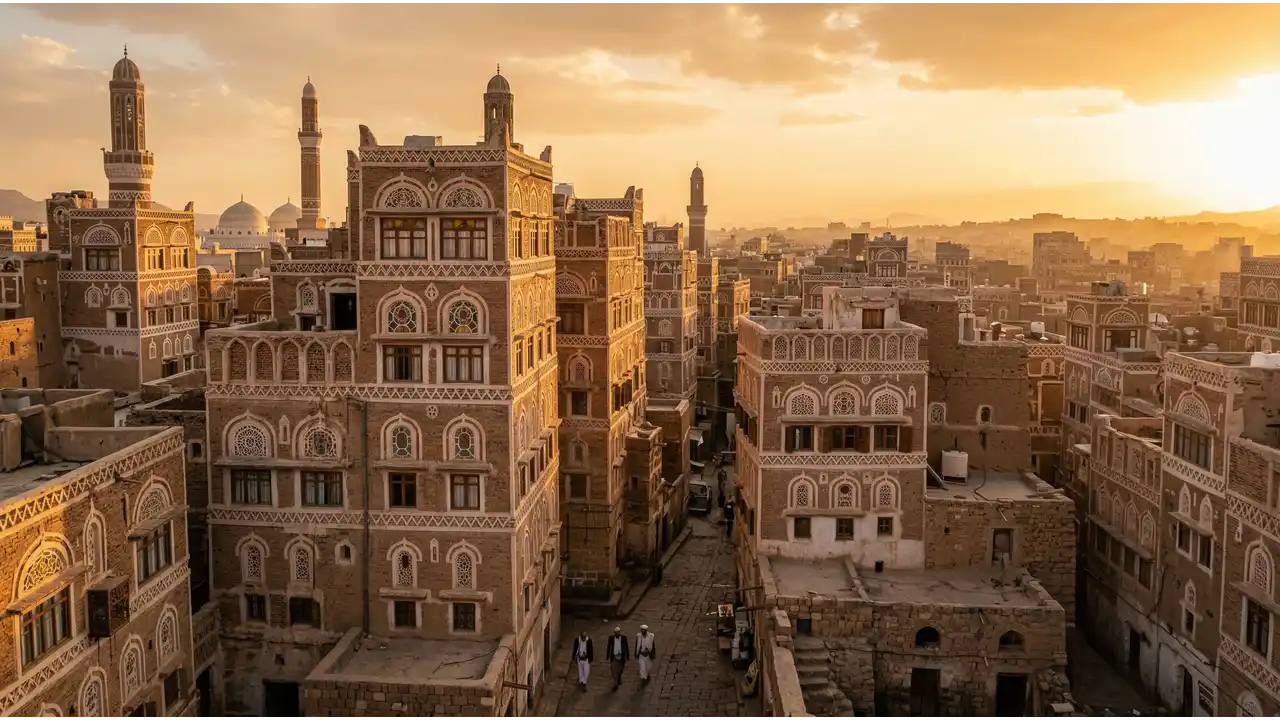
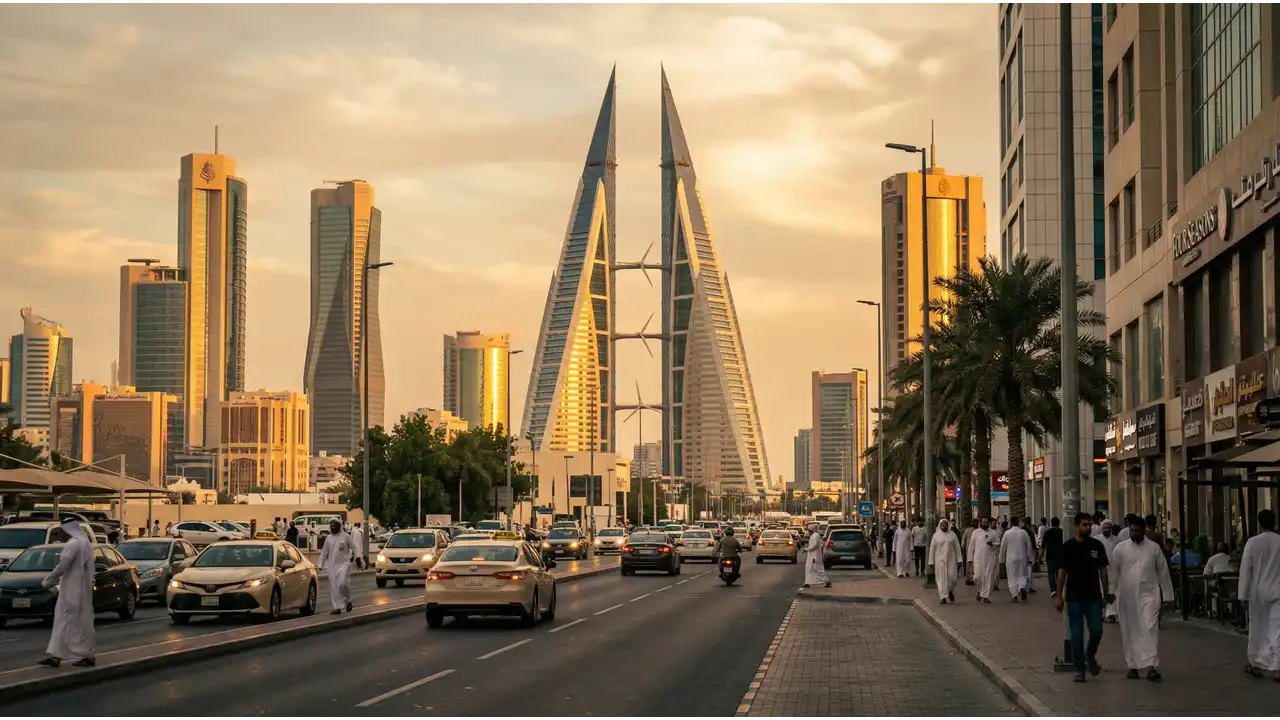
Sanaa is Yemen's capital and largest city, situated at 2,200 meters elevation in a mountainous region. The Old City is a UNESCO World Heritage Site with centuries-old architecture. Daily life centers on traditional markets, qat consumption (a mild stimulant leaf), and strong community ties. The city has faced significant instability since 2015, affecting infrastructure, services, and security. Most residents are Yemeni Arabs. Electricity and water supply are unreliable. The climate is cool year-round due to altitude, with mild winters and pleasantly warm summers. Internet connectivity exists but can be slow. Banking and formal services operate at reduced capacity.
💡 Local Insights
Sanaa · 2026
Sanaa's low cost reflects Yemen's economic challenges and ongoing conflict, not affordability for visitors or expats. Housing runs $136/month and reflects severe depreciation in property values and rental demand. A basic one-bedroom apartment in stable central areas costs $100-170/month; older properties or informal arrangements go lower. Groceries average $134/month, with local staples (flour, rice, beans, eggs, tomatoes) cheapest at neighborhood markets. Imported goods cost substantially more. Fuel is subsidized but electricity generation is unreliable, so running air conditioning or heating is not guaranteed. Transport is cheap (minibuses under $1 per ride), but security concerns limit movement. Expats face significantly higher costs for secure housing, private power backup, and imported food. International staff working for NGOs or diplomatic missions typically pay $400-800/month for housing alone. Local SIM cards and credit are inexpensive. Medical care outside emergency treatment requires travel. Banking is difficult; cash is king.
Frequently Asked Questions
How much does it cost to live in Sanaa per month?
A moderate lifestyle costs $550/month. This breaks down to housing at $136/month, groceries at $134/month, with the remainder covering transport, utilities (when available), communications, and modest personal expenses. A budget tier lifestyle runs $330/month, cutting back on housing quality, variety in food, and discretionary spending. These figures assume local pricing and stability. Expats or those requiring private security, imported goods, or reliable utilities should budget significantly higher, often $1,200-1,500/month or more.
What is the average rent in Sanaa?
Average rent is $136/month. In practice, a basic one-bedroom apartment in central neighborhoods costs $100-170/month, depending on condition and location. Older properties in the Old City or less developed areas may rent for $60-120/month. Two-bedroom units run $150-220/month. These prices assume local tenancy and Yemeni landlords. Expats seeking furnished apartments with backup power, water tanks, and security features pay $400-900/month. Informal arrangements and shared housing are cheaper but come with legal and safety risks. Rental agreements are often verbal and month-to-month.
Is Sanaa cheap to live in for expats?
Sanaa is extremely cheap by global standards, but that comes with major caveats. Base housing and food costs are among the world's lowest, but expats typically cannot access them safely or reliably. Secure expat housing costs 3-6 times the local average. Imported goods, private utilities, and transportation (often taxis rather than public minibuses) inflate real expat budgets to $1,200-2,000/month minimum. Security concerns, limited reliable services, and visa restrictions make extended stays difficult. Journalists, aid workers, and researchers on assignment may live here affordably if they accept local conditions; tourists and remote workers generally do not.
How much does food cost per month in Sanaa?
Monthly groceries average $134/month. Local markets offer rice, flour, beans, and eggs for very little. A kilogram of local tomatoes costs under $0.50; eggs are roughly $1.50/dozen; a kilogram of chicken is $2-3; bread is negligible. Tea and coffee are staples and cheap. Imported processed foods, dairy products, and fresh fruit are scarce and expensive. Eating at simple local restaurants (shawarma, falafel, rice dishes) runs $1-2 per meal. Drinking water from the tap is not safe; bottled water adds modest cost. Food inflation has occurred since 2015 due to conflict and currency depreciation, but local diets remain affordable.
What salary do you need to live comfortably in Sanaa?
A comfortable lifestyle costs $853/month. This allows better housing, more varied food, reliable private utilities or backup power, regular transport by taxi, and small luxuries. For expats, add at least $400-600 more for secure housing and imported essentials, bringing the comfortable expat budget to $1,250-1,450/month. Households with children, those requiring private schooling, or those with health conditions needing external medical care should budget $1,500-2,000/month or higher. Remote workers earning US or European salaries find this very affordable; local wages are far lower, and unemployment is high.
How does the cost of living in Sanaa compare to other places?
Sanaa runs $550 per month for a moderate lifestyle, placing it squarely in the lower end of global costs. For context, Kabul is noticeably cheaper at $400 per month, while Hyderabad sits slightly higher at $575 per month as a rough peer. Chongqing costs substantially more at $775 per month, reflecting its status as a larger Chinese commercial center. Housing makes up a smaller proportion of Sanaa's budget than in some comparable cities. Sanaa's housing costs $136 monthly at the moderate tier, compared to $230 in Hyderabad. If you're accustomed to costs in developed countries or major regional hubs, Sanaa's expenses will feel very low. The tight monthly budget does mean financial margins are slim, particularly outside secure employment or established expat networks, so accurate planning matters.
Yes, but only under specific conditions. The budget tier covers housing around $80-100/month (small, basic, local building), groceries at $100-120/month (staple foods only, no variety), minimal utilities or transport, and almost no discretionary spending. This requires living as a local does, speaking Arabic, accepting unreliable electricity and water, and having no security concerns. Medical emergencies, phone data beyond basic credit, or unexpected costs break the budget immediately. Expats and remote workers cannot realistically live on $330/month; this is subsistence-level by global standards and assumes no dependents, no savings, and acceptance of genuine hardship.