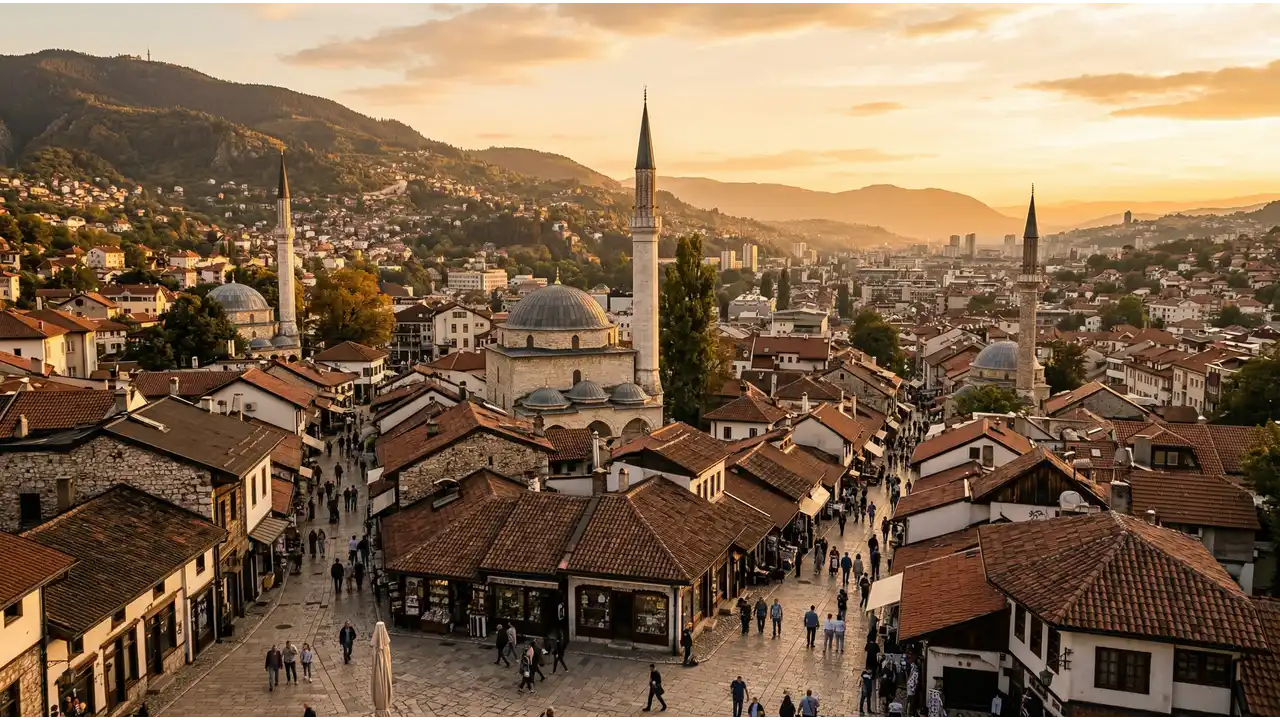
Sarajevo is a mid-sized capital city of roughly 300,000 people in a mountainous valley. The old town center (Baščaršija) has Ottoman-era architecture and narrow streets; modern neighborhoods spread into the surrounding hills. Winters are cold and snowy; summers warm and dry. The population is mixed religiously and ethnically, with mosques, Orthodox churches, and Catholic cathedrals visible across the skyline. Daily life involves walking, using trams and buses, and shopping at local markets or small supermarkets. The pace is slower than Western Europe. Cafes are social anchors. Power cuts and water outages still occur occasionally, particularly in winter.
💡 Local Insights
Sarajevo · 2026
Sarajevo remains one of Europe's more affordable cities, but costs have risen since the pandemic and influx of remote workers. Housing at $480/month covers a one-bedroom apartment in central neighborhoods like Centar or Marijin Dvor, or a two-bedroom in outer areas. Utilities (electricity, heating, water) add $60-120/month and spike in winter due to coal heating. Groceries at $232/month support a local diet of bread, vegetables, canned goods, and local dairy; eating out (cevapcici, burek, coffee) costs $3-8 per meal at local restaurants. Public transport is cheap (monthly pass around $15). Expats often pay 10-20 percent more for rental apartments in prime locations or furnished units. Fuel and car maintenance are significantly higher than groceries. The currency is the Convertible Mark (pegged to the euro at 1.96), so exchange rates affect purchasing power for those earning in other currencies.
Frequently Asked Questions
How much does it cost to live in Sarajevo per month?
A moderate lifestyle in Sarajevo costs around $1,200/month. This includes rent of $480/month, groceries of $232/month, utilities ($80-100), local transport ($15), and dining out or entertainment ($200-300). A tighter budget of $720/month is possible if you cook all meals and live outside the center; a comfortable lifestyle with more frequent dining out and travel costs roughly $1,860/month. Costs fluctuate seasonally; heating costs spike from November through March.
What is the average rent in Sarajevo?
Average rent is $480/month for a one-bedroom apartment in central neighborhoods like Centar or Marijin Dvor. Two-bedroom apartments in the same areas run $600-750/month. Outer neighborhoods (Novo Sarajevo, Vogosca) offer one-bedroom units for $350-450/month. Furnished apartments rent for 20-30 percent more. Landlords often prefer longer leases (minimum 6-12 months). Properties rarely include heating or utilities in the rent; expect to add $60-120/month for utilities depending on season. Real estate websites like Nekretnine.ba list most rentals, though word-of-mouth and expat Facebook groups are common discovery channels.
Is Sarajevo cheap to live in for expats?
Yes, but with caveats. Sarajevo is substantially cheaper than Western European cities (30-40 percent less than Vienna or Budapest), making it attractive for remote workers earning Western salaries. However, it is no longer the bargain it was five years ago. Housing for expats seeking furnished or English-speaking landlords often costs more than the local average. Imported goods, decent internet, and international healthcare are pricier. Expats accustomed to uninterrupted utilities and reliable infrastructure may face adjustment costs. The visa situation for longer stays varies by nationality. For those who embrace local life and shop at markets, the budget stretches further.
How much does food cost per month in Sarajevo?
Groceries average $232/month for a single person cooking at home. Bread costs $0.50-0.80/loaf; local cheese $4-6/kg; eggs $1.50-2/dozen; local vegetables $1-2/kg seasonally. Canned goods and imported items are more expensive. Eating out is very cheap: a plate of cevapcici or burek costs $2.50-4; coffee $1-1.50; a restaurant meal $6-10. Markets (Markale) offer better prices than supermarkets for produce and meat. Alcohol is inexpensive (local beer $2-3/bottle). Shopping at local bakeries and markets keeps costs well within the $232 average.
What salary do you need to live comfortably in Sarajevo?
A comfortable lifestyle costs around $1,860/month. This allows for a nice one or two-bedroom apartment ($500-700), eating out several times a week, occasional travel, fitness or hobby expenses, and a small buffer for unexpected costs. For a household of two, budget $2,800-3,200/month for genuine comfort with fewer compromises. Remote workers earning $2,000-2,500/month in USD or EUR live quite well in Sarajevo. Local professionals earning in Convertible Marks (the average local salary is around $600-800/month) live more modestly, often with family support. Comfort depends heavily on your reference point and currency stability.
How does the cost of living in Sarajevo compare to other places?
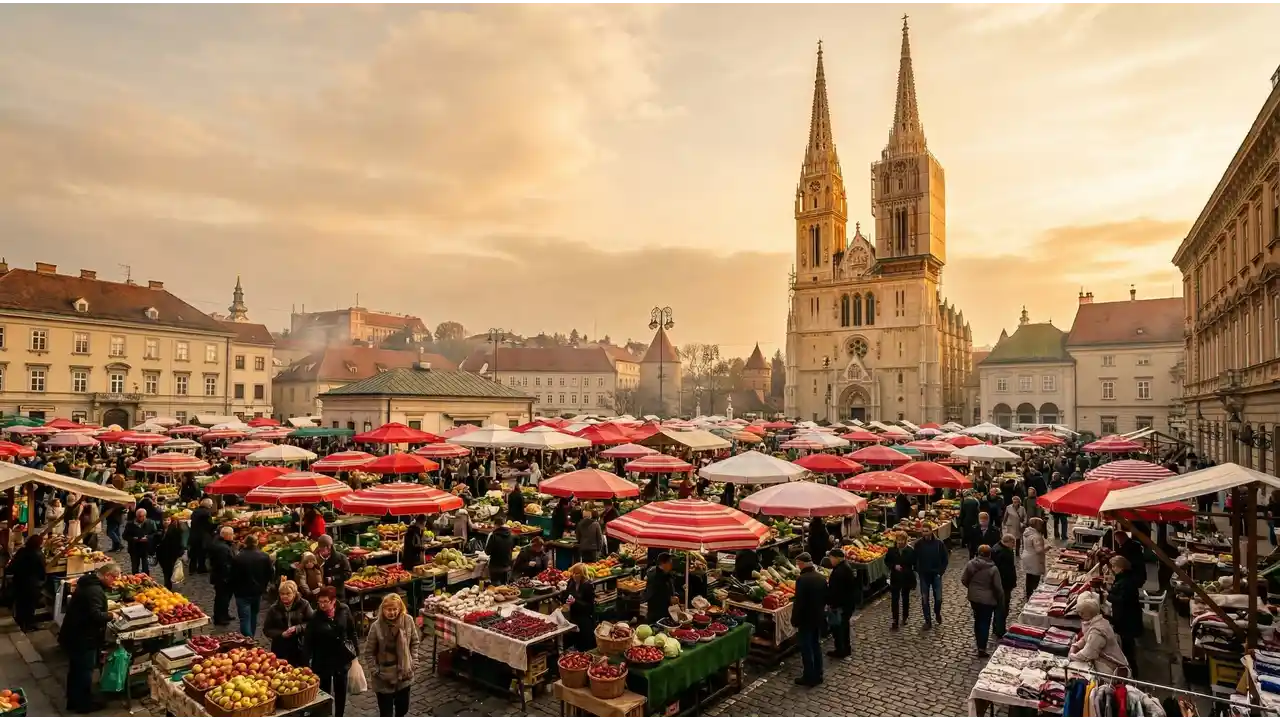
Sarajevo is genuinely affordable compared to most Western European cities. A moderate lifestyle costs $1,200 per month here, with housing running $480 per month. That puts it on par with Yekaterinburg, which costs $1,250 monthly with housing at $615. If you're coming from Zagreb, you'll notice the difference immediately. Zagreb runs $1,675 per month with housing at $779, making it substantially dearer. Kyiv is cheaper still at $800 per month overall and $336 for housing, though that comparison reflects a different regional context. For anyone relocating from Central or Western Europe, Sarajevo offers real cost relief without requiring you to leave the continent or compromise on urban amenities. Your rent and daily expenses will stretch considerably further than in most peer cities.
Yes, but with real constraints. $720/month covers rent ($350-400 in outer neighborhoods), utilities ($70-100), and groceries ($200+) if you buy local and cook. This leaves little for transport ($15), phone/internet ($10-15), or unexpected costs. Eating out is limited to occasional cheap meals. Entertainment, travel, or health expenses require cutting elsewhere. Many local residents live on this or less, shopping at markets and minimizing utility use. For expats, this budget demands discipline and integration into local life. It works best in outer neighborhoods, with longer tenancy commitment, and without a car. Healthcare emergencies or visa issues become urgent problems at this budget level.