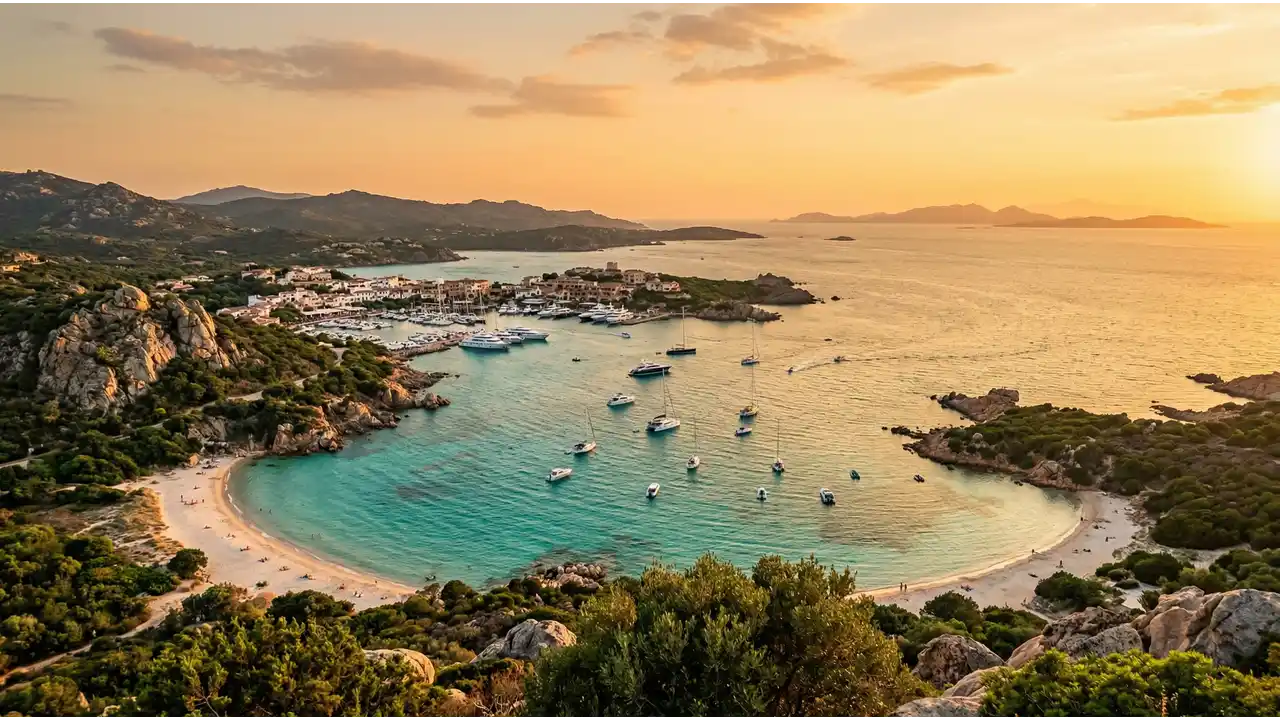
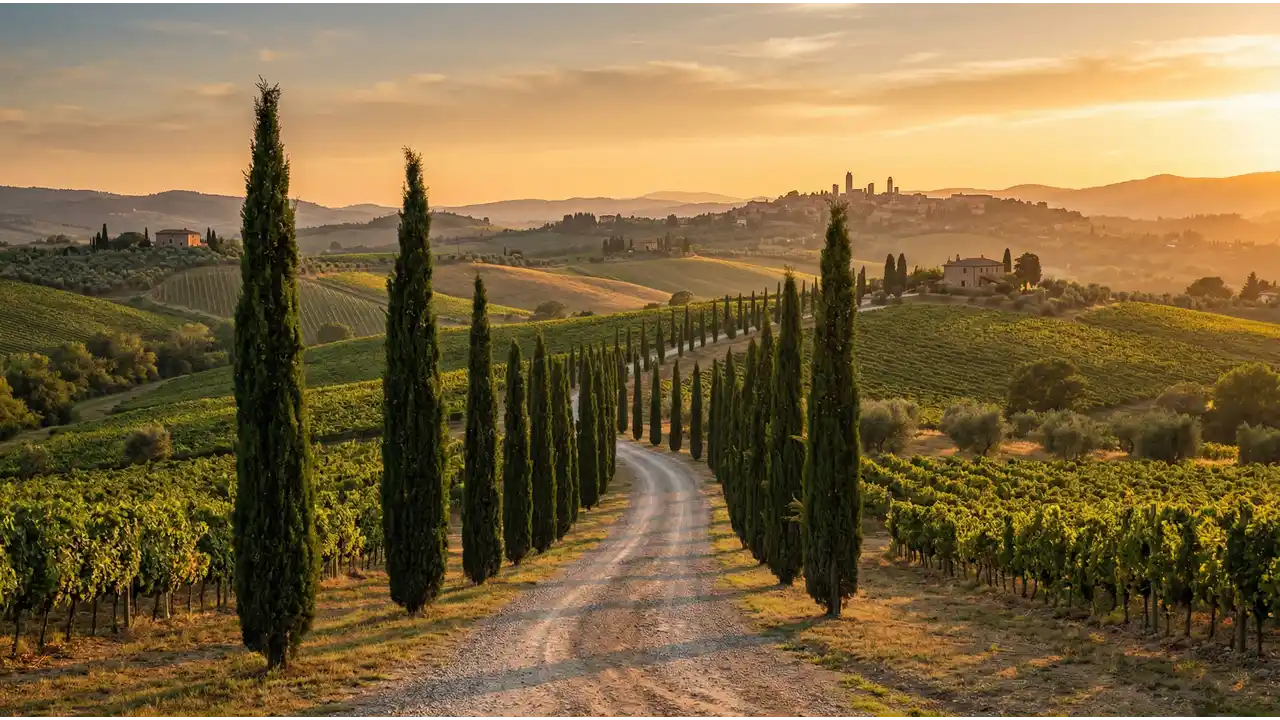
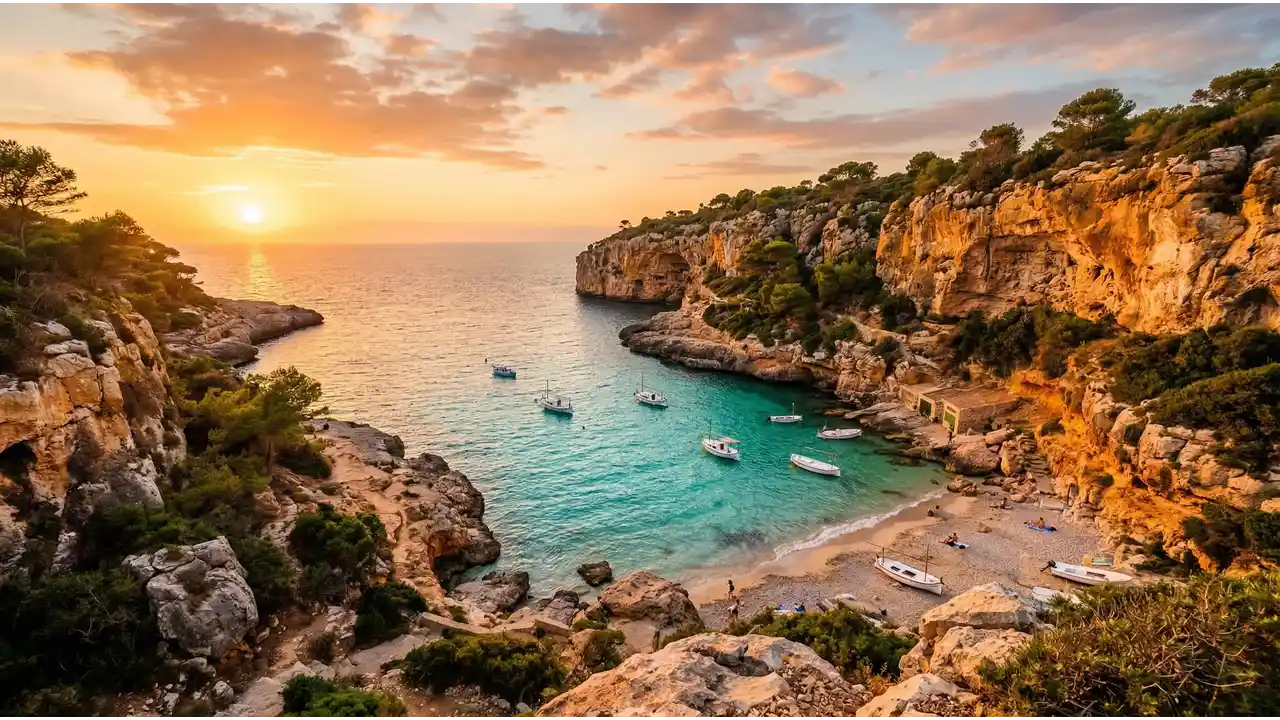
Sicily is Italy's largest island, with a distinct character shaped by centuries of Norman, Arab, and Spanish rule. The population is roughly 5 million, concentrated in cities like Palermo and Catania. Daily life centers on family, food, and a slower pace than northern Europe or the US. Summers are hot and dry; winters mild but wet. Public transport exists but is unreliable outside main towns. Most residents speak Italian; English is less common outside tourist areas. The local economy depends on agriculture, fishing, and tourism, which keeps costs lower than mainland Italy or central Europe.
💡 Local Insights
Sicily · 2026
Sicily's cost advantage comes from lower wages and property values compared to northern Italy and most of Western Europe. Housing costs around $566/month, achievable in smaller cities or neighborhoods outside the centro storico (historic center). Palermo and Catania command higher rents, roughly $600-$800 for a one-bedroom apartment in livable areas; smaller towns like Mondello or Mondazza run $400-$550. Groceries average $366/month if you shop at local markets and supermarkets like Carrefour or Eurospin, significantly cheaper than eating out. Eating at casual restaurants costs $6-$12 per meal; imported goods cost double. Transport is inexpensive: bus passes run $20-$40/month in cities, but intercity buses and trains are slow. Expats often pay 10-20% premiums on rent in expat-friendly neighborhoods. Seasonal tourism drives prices up in summer (June-August) and down in winter, especially November-March.
Frequently Asked Questions
How much does it cost to live in Sicily per month?
A moderate lifestyle costs around $1,700/month. Housing runs $566/month, groceries $366/month, with the remainder covering utilities, transport, phone service, and modest entertainment. The budget tier is $1,020/month (housing, basic food, minimal extras). A comfortable lifestyle spending $2,635/month includes dining out regularly, a car, and travel. Actual costs vary significantly by city and neighborhood. Palermo and Catania are pricier than smaller towns like Trapani or Modica.
What is the average rent in Sicily?
Housing costs average $566/month. In Palermo's livable residential neighborhoods like Mondello or La Kalsa, a one-bedroom apartment rents for $550-$750. Catania runs similar rates. Smaller towns like Ragusa, Mondovo, or Cefalù average $350-$500 for comparable space. Furnished short-term rentals (tourist rates) cost 30-50% more and should be avoided for permanent moves. Utilities (electricity, water, heating) add $80-$120/month. Room rentals in shared apartments run $250-$400. Buying property is considerably cheaper than rental in many areas.
Is Sicily cheap to live in for expats?
Sicily is genuinely affordable compared to central Europe, Scandinavia, or major US cities, but less so compared to Eastern Europe or parts of the Balkans. At $1,700/month, you can live comfortably with modest savings. For North American or Northern European expats, the cost is noticeably lower. For those from lower-income countries, it's comparable or higher. The catch: jobs are scarce outside tourism and teaching English; most expats rely on remote income or pensions. Healthcare is public and inexpensive. Bureaucracy is slow and frustrating. Local support networks take time to build.
How much does food cost per month in Sicily?
Groceries average $366/month. Local markets sell produce, bread, and pasta for $0.80-$2 per item. Supermarkets (Carrefour, Eurospin) cost 20-30% more but are convenient. A week's groceries for one person runs $50-$70. Eating out is cheap: pasta dishes, arancini, and pizza cost $5-$10. Coffee at a bar is $0.80-$1.50. Restaurant meals run $12-$20. Imported foods (cheese, cereals, peanut butter) cost double or triple. Dining out regularly pushes monthly food costs to $500-$700. Local wine and beer are inexpensive, $3-$8 per bottle.
What salary do you need to live comfortably in Sicily?
A comfortable lifestyle costs around $2,635/month, equivalent to roughly $31,600 annually. This allows dining out multiple times weekly, a small car, travel within Sicily, and modest entertainment. For a couple, $4,000-$4,500/month provides genuine comfort. Salaries for local jobs (tourism, administration, teaching) are $800-$1,400/month, insufficient alone. Most expats who live comfortably rely on remote work ($2,000-$5,000+ monthly), pensions, or savings. Budget expats manage on $1,020-$1,500/month but skip dining out, car ownership, and frequent travel.
How does the cost of living in Sicily compare to other places?
Sicily sits in the lower-middle range for European cost of living. A moderate lifestyle costs $1,700 per month, with housing at $566 per month. This puts it slightly cheaper than the Czech Republic, which runs $1,775 for the same lifestyle and $849 for housing. You'll find Sicily considerably more affordable than Austria at $2,275 monthly, though housing there costs $1,029. If you're comparing southward, Bosnia & Herzegovina is noticeably cheaper at $1,175 overall with $332 housing, though the gap reflects different infrastructure and service availability. Sicily's strength is in low housing costs relative to Western Europe. Groceries, utilities, and dining out remain inexpensive by continental standards, though prices vary significantly between coastal tourist zones and inland towns. The trade-off is lower wages across most sectors.
Yes, but with significant constraints. Budget living means renting a small apartment or sharing ($300-$400), groceries of $300-$350, and no car. You'll cook at home, use buses, and skip dining out and travel. Phone and utilities run $60-$80. This leaves minimal buffer for emergencies or entertainment. Many budget expats work remotely or teach English to supplement. Pensioners with low fixed costs manage this comfortably. Young travelers or digital nomads can stretch it further with co-living or temporary rentals. Winter months (lower tourism) offer cheaper short-term housing if you're flexible.