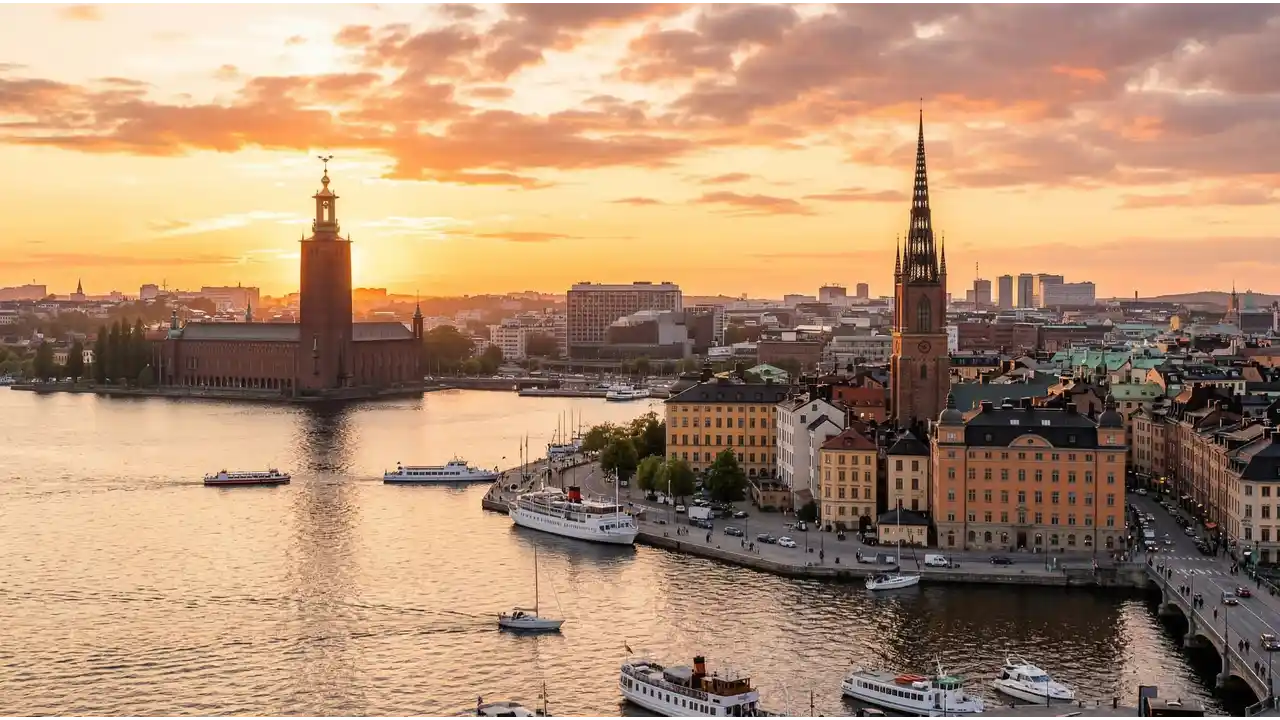
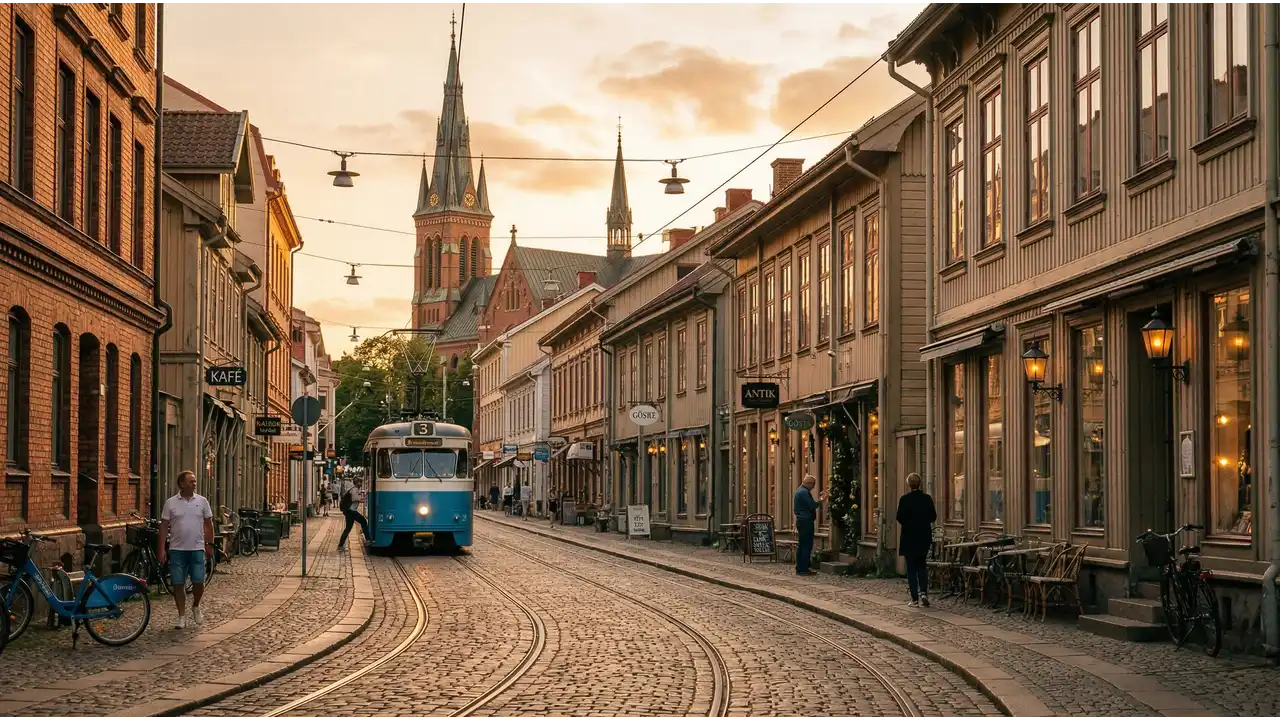
Stockholm is Sweden's capital and largest city, built across 14 islands with water visible from most neighborhoods. The population is around 980,000 in the city proper, with a metropolitan area of 2.4 million. Daily life revolves around work, cycling (even in winter), and fika (coffee breaks). Winters are dark and cold, averaging minus 1 degrees Celsius in January. Summers are mild and long-lit. The city is orderly, expensive, and car-light. Most residents speak English fluently. Public transit is efficient. The social culture is reserved; friendships form slowly. Food culture emphasizes quality ingredients, not eating out constantly.
💡 Local Insights
Stockholm · 2026
Stockholm's cost of living sits at $2,650/month for a moderate lifestyle, placing it in Europe's upper tier alongside London and Zurich. Housing is the dominant expense at $1,314/month. A one-bedroom apartment in central neighborhoods like Norrmalm or Södermalm runs $1,100 to $1,500/month; outer areas like Farsta or Skärholmen drop to $900 to $1,200/month. Rental deposits equal 2 months' rent and are standard. Groceries average $431/month, significantly higher than southern Europe due to Sweden's tax and import structure. A liter of milk costs $1.20, a loaf of bread $3.50, chicken breast $8/kg. Eating out is expensive (a basic lunch runs $15 to $20), so residents cook at home. Public transit (subway, bus, tram) costs $110/month for unlimited travel. A monthly gym membership runs $40 to $70. Childcare is heavily subsidized for residents, but international schools cost $12,000 to $25,000/year. Expats often pay more for rentals (landlords sometimes quote higher to foreigners) and face stricter requirements (proof of income, Swedish bank account). Tax residency affects costs significantly. Swedes qualify for tax deductions non-residents don't access.
Frequently Asked Questions
How much does it cost to live in Stockholm per month?
A moderate lifestyle in Stockholm costs $2,650/month. This breaks down roughly as housing ($1,314/month), food from groceries ($431/month), public transit ($110/month), and utilities, phone, and discretionary spending covering the remainder. A tighter budget of $1,590/month is possible if you live in outer districts, cook entirely at home, and avoid eating out. A comfortable lifestyle with restaurant dining, cultural activities, and better housing runs $4,108/month. Your actual cost depends heavily on neighborhood, apartment size, and whether you have dependents or a car.
What is the average rent in Stockholm?
Average rent in Stockholm is $1,314/month for a one-bedroom apartment. Central neighborhoods like Södermalm, Norrmalm, and Östermalm range from $1,200 to $1,600/month. Outer neighborhoods like Farsta, Skärholmen, and Vällingby run $900 to $1,150/month. Two-bedroom apartments in central areas start at $1,600/month. Shared apartments cost $650 to $900/month per room. Landlords typically require a Swedish personal ID number, proof of monthly income (usually 3 times the rent), and a 2-month security deposit. The rental market is tight. Most apartments disappear within days. Many landlords ask for an additional fee or require employment verification that favors local residents.
Is Stockholm cheap to live in for expats?
No. Stockholm is expensive for expats, though not as costly as London or Geneva. Expats typically pay 10 to 20 percent premiums on rent compared to local renters because landlords perceive higher risk. Groceries cost 20 to 30 percent more than in southern or central Europe. Healthcare is free for residents with a Swedish personal ID; expats without residency status pay out-of-pocket ($80 to $150 for a doctor visit). Visa sponsorship is difficult; most expats come on mobility programs, EU visas, or as self-employed. Taxes are high (20 to 57 percent depending on income), but expats on international assignments sometimes qualify for reduced rates. The practical cost advantage comes from strong salaries (tech and finance jobs start at $55,000 to $75,000) and free or subsidized childcare for residents.
How much does food cost per month in Stockholm?
Groceries average $431/month for one person eating a mix of Swedish staples and imported goods. Specific prices (per unit): milk $1.20/liter, bread $3.50/loaf, chicken breast $8/kg, ground beef $9/kg, eggs $3.50/dozen, apples $2.50/kg, bananas $1.80/kg, cheddar cheese $12/kg. Eating out is expensive. A lunch at a casual restaurant runs $15 to $20. Dinner at a mid-range restaurant costs $50 to $70/person before alcohol. Groceries are cheaper at discount chains (Lidl, Netto) than at premium chains (ICA, Coop). Many expats reduce food costs by shopping at these discounters and cooking Scandinavian basics (root vegetables, fish, grains). Fika culture (coffee and pastry) costs $5 to $7 per visit.
What salary do you need to live comfortably in Stockholm?
A comfortable lifestyle in Stockholm costs $4,108/month, suggesting a pre-tax income of around $55,000 to $65,000 annually (assuming 40 percent tax and 20 to 25 percent net-to-gross ratio typical for Sweden). This covers a nicer apartment ($1,500 to $1,800/month), regular restaurant dining, cultural activities, and a car or regular travel. Couples can live comfortably on $75,000 to $85,000 combined. Higher earners ($100,000 plus) typically live in premium neighborhoods (Strandvägen, Djursholm) and have childcare help or private schools. Entry-level jobs in tech and finance start at $45,000 to $55,000; mid-career roles run $65,000 to $100,000. Salaries are generally lower than in the US for the same role but offset by lower education and childcare costs for residents.
How does the cost of living in Stockholm compare to other places?
Stockholm sits in the middle band of European capitals. A moderate lifestyle costs $2,650 per month, with housing at $1,314 per month. Helsinki runs nearly the same at $2,500 per month, making it a genuine peer city in expense. Both are significantly pricier than southern Europe. Seville costs $1,775 per month overall, with housing at $772 per month, giving you roughly two-thirds the expenses of Stockholm if you're willing to trade northern location and climate for a warmer Mediterranean setting. Dublin, by contrast, is noticeably dearer at $3,175 per month, with housing alone at $1,902 per month. If you're comparing Stockholm to other Nordic or Western European hubs, expect similar costs. Moving south cuts expenses sharply. Moving to Dublin adds a meaningful premium.
Yes, but with significant constraints. The budget tier of $1,590/month requires living in outer neighborhoods (Farsta, Västerhaninge, Norsborg) where rent runs $900 to $1,100/month. You must cook all meals at home (groceries $431/month), skip restaurants and bars, use public transit exclusively, and avoid expensive hobbies. Childcare, a car, or medical costs outside the public system blow the budget immediately. This works for single people or couples without dependents who prioritize frugality. You'll be comfortable but not social in expensive ways. Internet, phone, and gym memberships squeeze the margins. Most people living this way are temporary (1 to 2 years) or have partner support. Long-term residents on this budget typically access subsidized housing or have full Swedish residency with access to benefits.