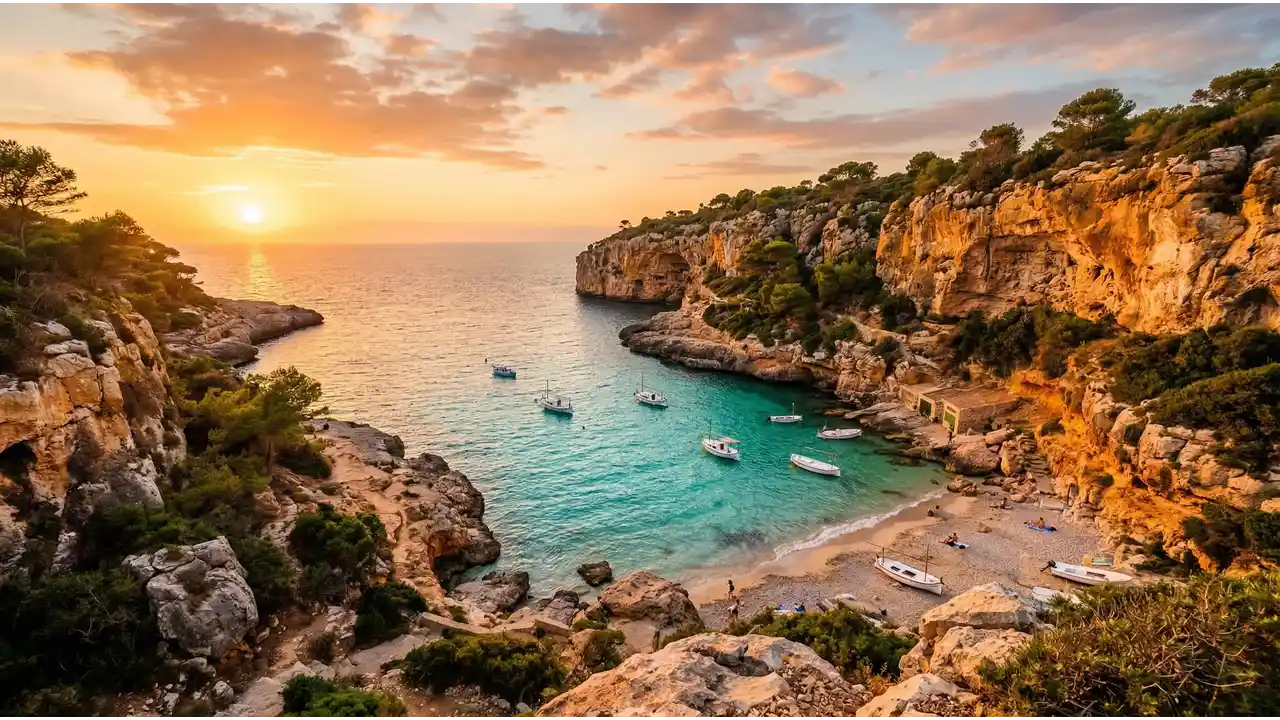
Tenerife is Spain's largest Canary Island with roughly 950,000 residents spread across resort towns, working-class neighborhoods, and rural areas. The climate is warm year-round, averaging 70-75 degrees Fahrenheit. Daily life centers on beach access, local markets, and a mix of Spanish culture and tourism infrastructure. Housing ranges from modest apartments in towns like La Laguna to beachfront rentals in Puerto de la Cruz and Playa de las Americas. Most residents speak Spanish; English is common in tourist areas but less so inland. The island has good public transport by bus, though a car is useful outside major towns.
💡 Local Insights
Tenerife · 2026
Housing at $824 per month reflects prices in mid-range neighborhoods away from beachfront. A one-bedroom apartment in La Laguna, Santa Cruz, or Puerto de la Cruz typically rents for $600-$900. Beachfront and resort-adjacent areas (Playa de las Americas, Los Cristianos) run $1,000-$1,500 for similar space. Utilities add $80-$120 monthly. Grocery costs at $323 monthly are reasonable if you shop at local supermarkets like Carrefour or Lidl and use the weekly markets. Imported goods cost more. Eating out ranges from $6 for a menu del día (set lunch) to $15-$25 for casual dinner. Public buses cost around $1.50 per ride; a monthly pass is roughly $50. The moderate budget of $1,825 assumes apartment rental, local transport, and mixed home and restaurant dining. Expats often find costs stable year-round, though tourist season (November to March) can raise rental prices temporarily for short-term lets.
Frequently Asked Questions
How much does it cost to live in Tenerife per month?
A moderate lifestyle costs $1,825 per month. This breaks down as: housing $824, food and groceries $323, transport $60, utilities $100, and discretionary spending (entertainment, dining out, personal care) roughly $520. A tight budget runs $1,095 monthly if you share housing, cook at home, and use public transport exclusively. A comfortable lifestyle costs $2,829 if you rent alone in a good neighborhood, eat out regularly, travel around the island, and enjoy leisure activities.
What is the average rent in Tenerife?
Average rent aligns with $824 per month for a one-bedroom apartment outside tourist zones. In La Laguna and Santa Cruz, expect $650-$850. Puerto de la Cruz averages $750-$950. Beachfront and resort areas like Playa de las Americas and Los Cristianos run $1,000-$1,500. Shared apartments can drop to $400-$600 per room. Utilities typically add $80-$120. Long-term rentals (three months or more) are usually cheaper than short-term tourist lets. Outside major towns, rural rentals may fall to $500-$700, though services are less accessible.
Is Tenerife cheap to live in for expats?
Tenerife is moderately priced for Southern Europe but not dramatically cheap. Housing and food are lower than Northern Europe or major capitals, but higher than mainland Spain or Eastern Europe. A remote worker earning $2,500-$3,000 monthly can live comfortably. The appeal for expats is stability, climate, and proximity to Europe, not steep bargains. European retirees and digital nomads find good value, especially outside tourist strips. Long-term residents report that cost creep is real as the island becomes more popular.
How much does food cost per month in Tenerife?
Groceries average $323 per month for one person shopping at supermarkets. Milk costs around $0.90 per liter, bread $1.20, chicken $5-$7 per kilogram, eggs $1.80 per dozen. Weekly markets offer fresh produce cheaper than supermarkets. Eating out, a menu del día lunch is $6-$9; casual dinner $12-$18; nicer restaurants $25-$40. Expats often spend more on imported goods (British cereals, American snacks) which carry a markup. Cooking at home easily fits the $323 budget; frequent dining out pushes food costs to $500-$700 monthly.
What salary do you need to live comfortably in Tenerife?
A comfortable lifestyle costs $2,829 per month. This supports a one-bedroom apartment in a good neighborhood, regular meals out, occasional travel, hobbies, and leisure activities. For a couple, $4,500-$5,000 is comfortable. A salary or passive income of $2,800-$3,200 monthly (or equivalent in euros) allows for savings and financial buffer. Remote workers should aim for income above $3,000 to cover unexpected expenses, travel, or visa requirements that may demand proof of funds. Retirees with pensions in the $2,000-$2,500 range can live on budget if housing is secure and owned or locked in long-term.
How does the cost of living in Tenerife compare to other places?
Tenerife's moderate lifestyle costs $1,825 per month, with housing at $824 monthly. This puts it slightly more expensive than Estonia, where a moderate lifestyle runs $1,750 per month and housing costs $685. You'll find Tenerife considerably pricier than Moldova, which averages $1,225 monthly for living expenses and $603 for housing. The gap widens significantly against Norway, where a moderate lifestyle reaches $2,550 per month with housing at $1,197. If you're coming from northern Europe, Tenerife offers real savings. If you're relocating from Southern or Eastern Europe, expect to budget more. The island's cost reflects its status as a developed tourism destination with Mediterranean infrastructure, though it remains cheaper than Scandinavia and comparable major European cities.
Yes, but with tight constraints. Budget $500-$600 for shared housing (room in a flat), $200-$250 for groceries if you cook all meals and avoid imported goods, $40-$50 for transport, $80-$100 for utilities. That leaves $80-$145 for phone, internet, personal care, and emergencies. This requires discipline: no dining out, no travel, no hobbies with cost. It works for students, digital nomads with low expense, or those with free housing. Most people find this uncomfortable after a few months. Unexpected costs (medical, repairs) break the budget quickly. Realistic minimum with any quality of life is $1,400-$1,500.