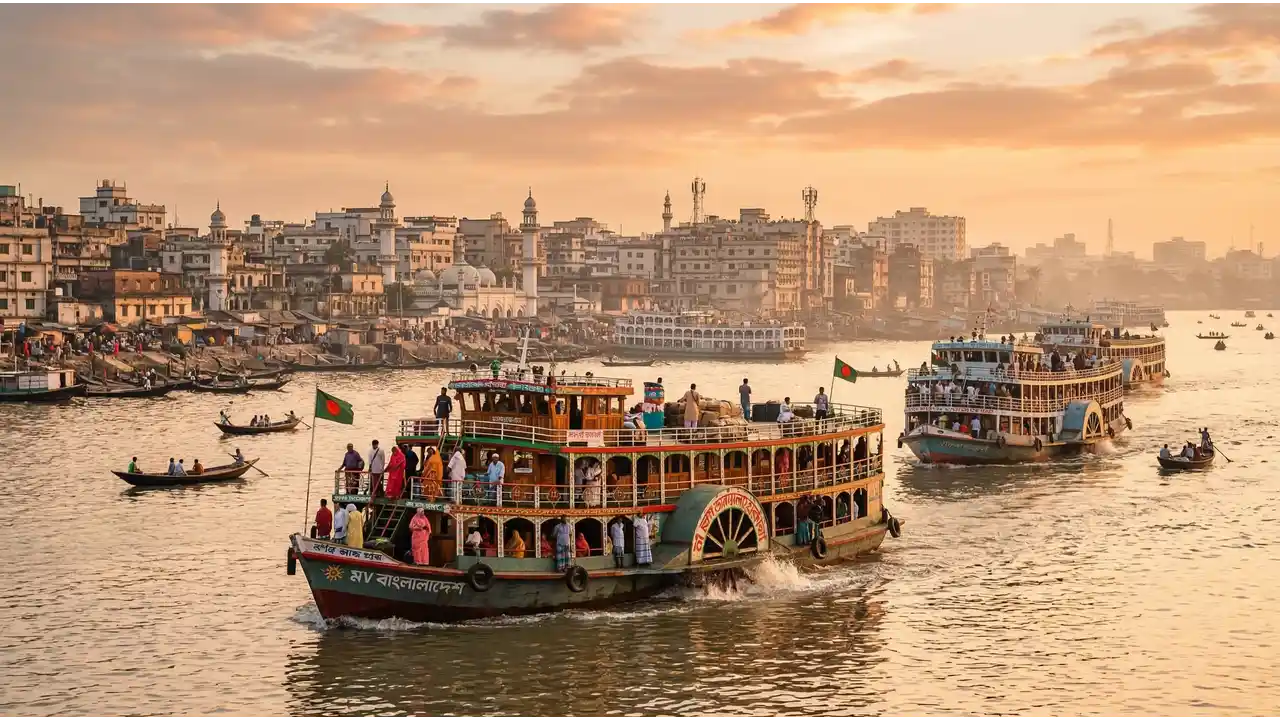
Thailand is a Southeast Asian country where roughly 70 million people live, with a mix of Thai nationals, long-term expats, and transient workers. Daily life centers on affordability. Most neighborhoods have street food vendors operating from dawn until late evening, wet markets stocked with produce, and local transport by tuk-tuk, songthaew (shared minibus), or motorcycle taxi. The climate is tropical, hot and humid year-round, with monsoon seasons varying by region. Bangkok dominates economic activity and expat settlement, but Chiang Mai in the north and coastal towns like Hua Hin attract residents seeking lower costs and smaller-town pace. Work culture and legal residency depend heavily on visa type.
💡 Local Insights
Thailand · 2026
Thailand's cost of living is genuinely low by global standards, but prices have climbed for foreigners over the past decade, particularly in tourist-heavy areas and expat zones. A moderate lifestyle in Thailand costs $1,175/month. Housing runs $447/month, covering a one-bedroom apartment in a Thai neighborhood or a modest place in expat areas like Ari or On Nut in Bangkok; outlying districts and provincial cities offer lower rents. Groceries total $235/month if you shop at wet markets and local supermarkets like Tesco Lotus, buying rice, vegetables, eggs, and local proteins. Eating street food regularly (30-100 baht per meal, roughly $1-3) keeps food costs down further. Transport is inexpensive: Bangkok's BTS Skytrain costs under $1 per trip; provincial transport by minibus or motorcycle taxi costs less. Local pricing matters enormously. Thai nationals pay significantly less for food and services than documented foreigners; visa status and residency registration affect access to Thai-rate pricing in some contexts. Healthcare, alcohol, imported goods, and housing in central expat zones drive costs upward quickly. Utilities (electricity, water, internet) in a basic apartment run $40-60/month.
Frequently Asked Questions
How much does it cost to live in Thailand per month?
A moderate lifestyle costs $1,175/month in Thailand. This breaks down roughly as housing at $447/month, groceries at $235/month, transport at $60-80/month, utilities at $40-60/month, and dining and entertainment at $200-300/month. A budget lifestyle runs $705/month by cutting back on dining out, choosing cheaper housing in Thai neighborhoods, and using local transport. A comfortable lifestyle that includes dining out regularly, air conditioning, and more choice in housing runs $1,821/month. Costs vary significantly by city: Bangkok is most expensive, while Chiang Mai and smaller towns cost considerably less.
What is the average rent in Thailand?
Average housing costs $447/month. A one-bedroom apartment in a Thai residential neighborhood (not an expat enclave) runs $300-500/month. Expat-friendly areas like Bangkok's Ari, Thonglor, or On Nut range from $600-900/month for a one-bedroom with amenities like a gym or pool. Studio apartments in less central locations start at $200-300/month. Chiang Mai one-bedroom rentals run $250-400/month in comparable neighborhoods. Prices rise sharply for furnished units, serviced apartments, and properties marketed to foreign residents. Monthly lease agreements are standard; deposits typically equal one month's rent.
Is Thailand cheap to live in for expats?
Thailand is inexpensive compared to Western countries, but pricing has shifted. Five years ago, expats routinely lived on $600-800/month; today that lifestyle requires $800-1,000. Documented foreigners frequently pay expat markups on housing and services, sometimes 30-50% above local rates. A moderate expat lifestyle at $1,175/month is feasible but requires discipline: renting in Thai neighborhoods, eating primarily local food and street vendors, and using public transport. Expats on tight budgets often report hidden costs rising (healthcare emergencies, visa fees, visa-run travel). Thailand remains cheaper than most Western cities and comparable to parts of Central America, but it is not as inexpensive as it was a decade ago.
How much does food cost per month in Thailand?
Groceries cost $235/month if you shop local. A typical monthly basket includes rice (20 baht/kg, roughly $0.55), eggs (12-pack for 30 baht, roughly $0.85), chicken or pork (60-100 baht/kg, $1.65-2.75), fresh vegetables (tomatoes, cabbage, greens at 10-20 baht each, roughly $0.30-0.55), and fruit (bananas, papaya, mangoes at 10-30 baht, $0.30-0.85). Eating street food or simple restaurant meals regularly (pad thai, khao pad, curry) costs 30-100 baht ($0.85-2.75 per meal). Imported goods (Western cereals, cheese, packaged foods) are expensive and add quickly. Alcohol, coffee at Western cafes, and dining in tourist zones multiply costs. A household eating mostly Thai food and street markets easily stays within budget; one eating imported foods or dining out regularly spends $500+/month on food.
What salary do you need to live comfortably in Thailand?
A comfortable lifestyle costs $1,821/month. This allows for a spacious one-bedroom or two-bedroom apartment in a good neighborhood, regular dining at mid-range restaurants, regular travel within Thailand, gym membership, air conditioning without restrictions, and occasional travel out of country. Most expat advisors recommend a minimum salary of $2,000-2,500/month USD for comfortable living with some savings buffer. Many expats on $1,500-2,000/month live well by local standards but sacrifice some flexibility or international travel. Your comfort threshold depends heavily on your lifestyle preferences and visa situation. Those requiring international healthcare or regular travel outside Thailand should budget higher.
How does the cost of living in Thailand compare to other places?
Thailand sits comfortably in the middle of Southeast Asia's cost spectrum. A moderate lifestyle costs $1,175 per month with housing at $447 per month. Vietnam is notably cheaper, running $850 monthly overall and $406 for housing, making it the most affordable option in the region if budget is your primary concern. Mongolia runs roughly parallel to Thailand as a peer location at $1,225 per month, though housing there is substantially higher at $709 monthly. If you're comparing to developed Asia, South Korea costs considerably more at $1,650 per month with housing at $660. For most travelers and expats, Thailand offers good value relative to its quality of life, infrastructure, and services. You'll spend more than in Vietnam but significantly less than in wealthier neighboring countries.
Yes, but with significant constraints. A $705/month budget requires renting in a Thai neighborhood (one-bedroom at $250-300/month), eating primarily street food and market vegetables ($100-150/month), using local transport ($20-30/month), and cutting most paid entertainment and Western dining. You must be healthy, have no dependents, and accept a modest apartment with limited air conditioning. This budget offers survival, not comfort. Expats report that staying below $705/month means eating repetitively, living far from central areas, limiting social activities, and having minimal emergency reserves. Most who try this budget eventually increase spending after a few months. A small income cushion ($150-250/month) makes the lifestyle sustainable and less stress-prone.