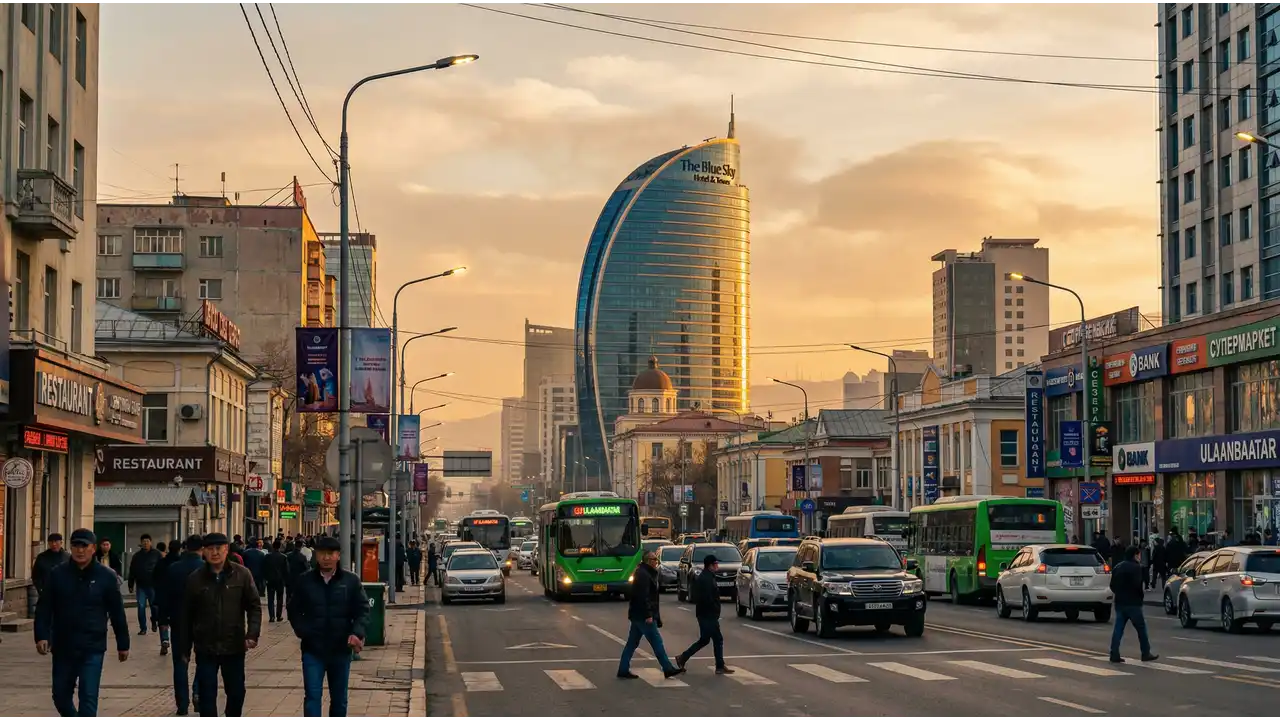
Ulaanbaatar is Mongolia's capital and home to about 1.6 million people, roughly half the country's population. Winters are severe, dropping below minus 20 degrees Fahrenheit regularly from November through March. The city sits on a high plateau at 4,000 feet elevation. Daily life centers on Sukhbaatar Square and the Peace Avenue commercial district. Most expats work in mining, finance, or NGOs. Apartment blocks dominate residential areas, with older Soviet-style buildings and newer developments. Public transport relies on buses and minivans. The city has few trees and experiences significant air pollution during winter months. Summers are short and mild.
💡 Local Insights
Ulaanbaatar · 2026
Ulaanbaatar's costs are moderate by regional standards but driven upward by reliance on imports and seasonal supply constraints. Housing, at $689 per month, varies significantly by location and building age. Soviet-era apartments in outer districts rent for $400 to $500 monthly. Central neighborhoods like Sukhbaatar and Khan-Uul command $800 to $1,200 for similar space. Newer complexes with better insulation cost more. Groceries average $189 monthly for basic staples bought locally. Imported goods cost considerably more. Winter heating costs spike because many buildings rely on centralized district heating systems, which are included in rent but become expensive during peak months. Utilities beyond heating add $40 to $80 per month. Public transport is cheap (about $0.30 per ride), making it viable for daily commuting. Eating out ranges from $3 for noodle soups to $15 for restaurant meals. Expats and locals pay similar prices at most establishments, though some tourist restaurants inflate costs.
Frequently Asked Questions
How much does it cost to live in Ulaanbaatar per month?
A moderate lifestyle costs $1,275 per month. Housing averages $689, groceries $189, utilities roughly $60, and transport $30. Restaurants and entertainment add another $150 to $250 depending on habits. A tighter budget of $765 per month is possible if you share housing, cook all meals, and avoid paid entertainment. Comfortable living with dining out regularly, gym membership, and occasional travel costs around $1,976 per month.
What is the average rent in Ulaanbaatar?
Average rent is $689 per month. Studio and one-bedroom apartments in outer districts (Bayanzurkh, Chingeltei) rent for $450 to $650. Central locations like Khan-Uul and Sukhbaatar run $800 to $1,200 for similar space. Newer buildings with better insulation cost more. Soviet-era block apartments are cheapest but poorly heated. Most expats pay $800 to $1,500 for furnished two-bedroom places. Rental agreements typically require one month deposit plus first month's rent. Long-term leases (12 months) offer better rates than short-term rentals.
Is Ulaanbaatar cheap to live in for expats?
Ulaanbaatar is moderately priced for expats in Asia. It is cheaper than Seoul, Hong Kong, or Tokyo but more expensive than Southeast Asian cities like Bangkok or Hanoi. Housing costs are reasonable if you avoid the most central expat enclaves. Imported Western goods are pricey. Local food and transport are inexpensive. The real cost burden comes from heating during nine-month winters and the limited housing stock, which keeps rents relatively high. Expat salaries typically reflect this, making it viable for people working locally.
How much does food cost per month in Ulaanbaatar?
Groceries average $189 monthly for basic eating. Local produce and meat at markets cost roughly $2 to $4 per kilogram. Mutton, the staple protein, averages $3.50 per kilogram. Milk, eggs, and bread are inexpensive. Imported goods (cheese, cereals, specialty items) cost two to three times more than local equivalents. Eating out is cheap: mutton noodle soups cost $2 to $3, restaurant meals run $5 to $15. Convenience stores and supermarkets charge markups; markets offer better value. Meat and fresh produce are most affordable in winter when supplies arrive from herding regions.
What salary do you need to live comfortably in Ulaanbaatar?
Comfortable living requires around $1,976 per month. This covers $689 in housing, $189 in groceries, $60 in utilities, and leaves $1,038 for dining out, entertainment, gym membership, occasional travel, and savings. For expat professionals, this translates to a gross annual salary of roughly $35,000 to $40,000 USD, though many skilled workers in mining and finance earn significantly more. Local salaries are much lower; average Mongolian income is under $15,000 annually, making the comfortable tier accessible mainly to expat workers and business owners.
How does the cost of living in Ulaanbaatar compare to other places?
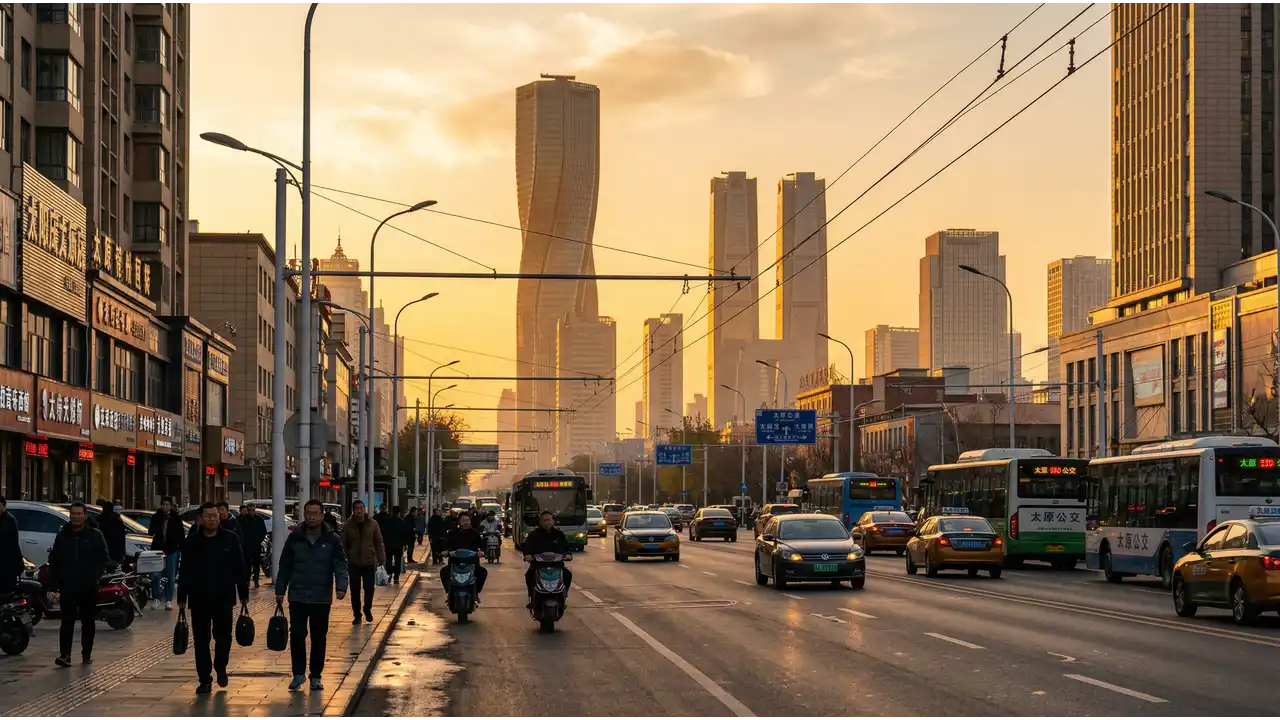
Ulaanbaatar at $1,275 per month for a moderate lifestyle sits squarely in the middle range for Asian cities. It's slightly more expensive than Tianjin, which runs $975 monthly, but comparable to Kuala Lumpur at $1,225. Housing costs follow a similar pattern: Ulaanbaatar's $689 per month is higher than Tianjin's $371 but lower than Kuala Lumpur's $574. If you're accustomed to more expensive regional hubs, Ulaanbaatar will feel notably affordable. Riyadh at $1,800 is significantly pricier across the board. Your actual spending depends heavily on neighborhood choice and whether you prefer local or imported goods. Expats often find their costs shift based on diet preferences and whether they use taxis or public transport.
Yes, but with significant constraints. A budget tier of $765 per month works if you share a Soviet-era apartment ($250 to $350 per person), buy all food from markets and cook at home, use public transport exclusively, and avoid restaurants and entertainment. Utilities and heating are included in rent during winter, which helps. You will need to sacrifice convenience: no gym, no frequent dining out, no international travel, minimal entertainment spending. This budget is common for local Mongolian workers and volunteers but tight for most expats accustomed to Western standards. Seasonal heating bills can push monthly costs higher in winter months.