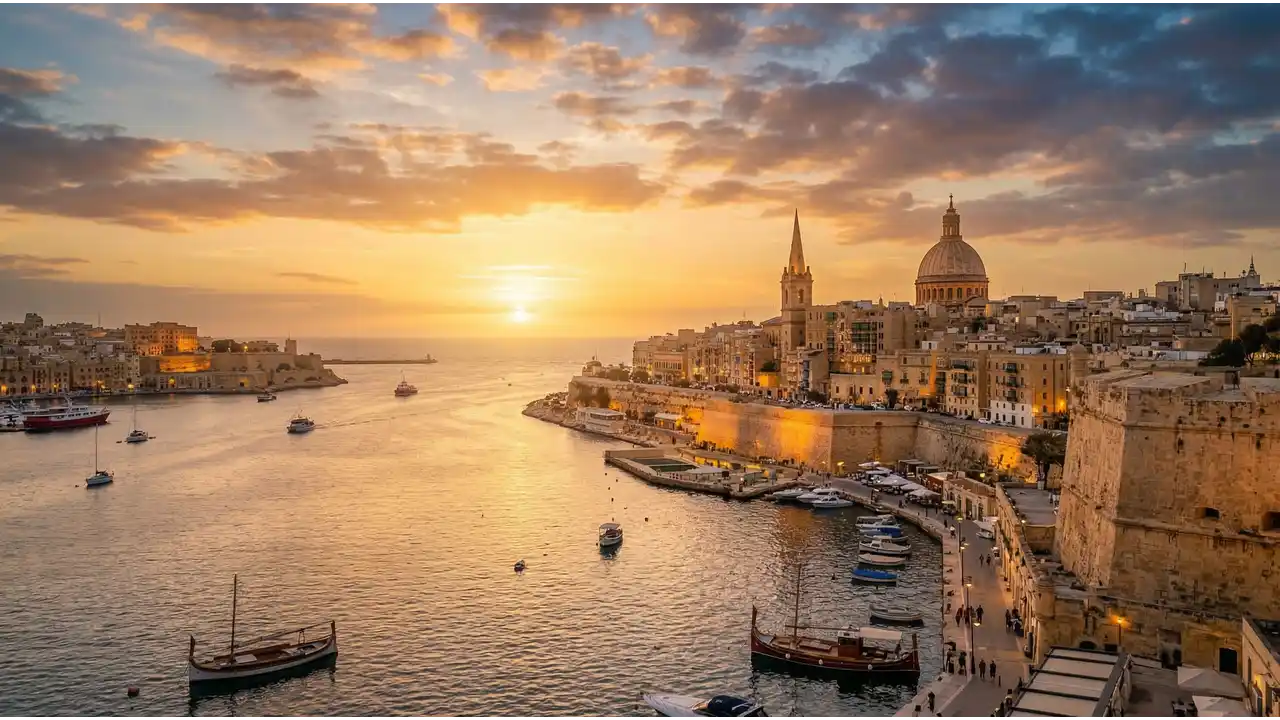
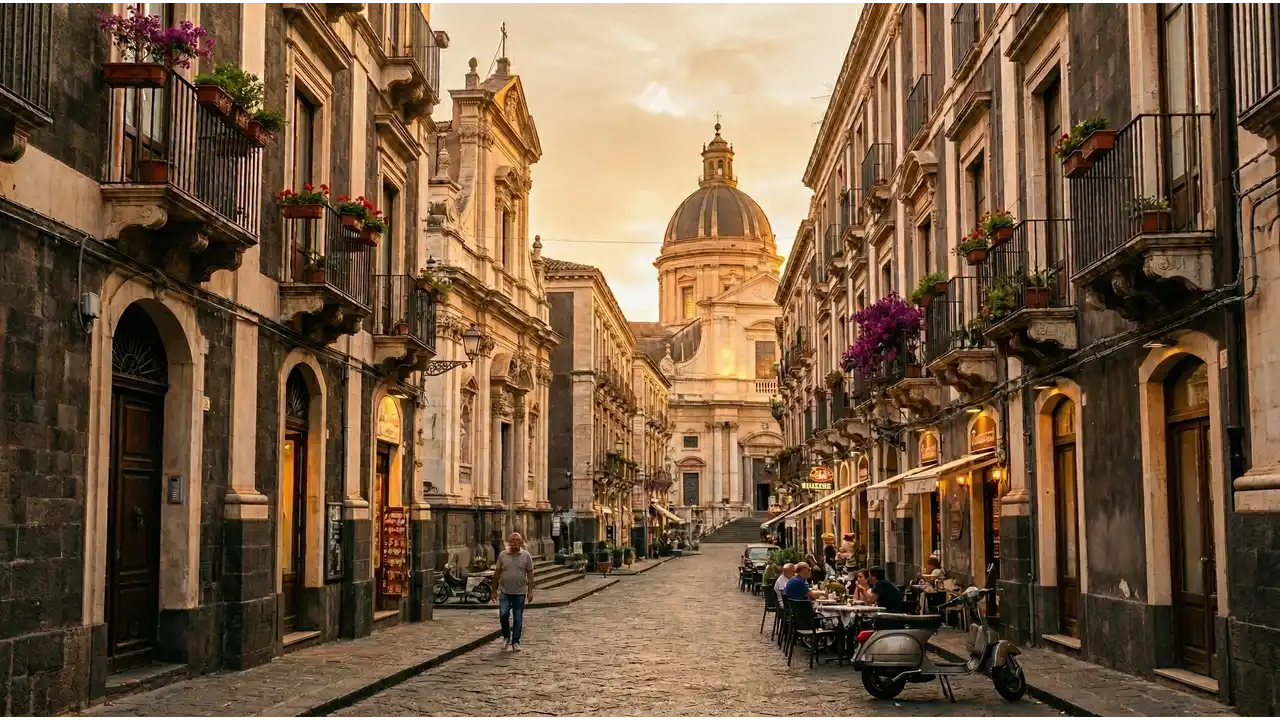
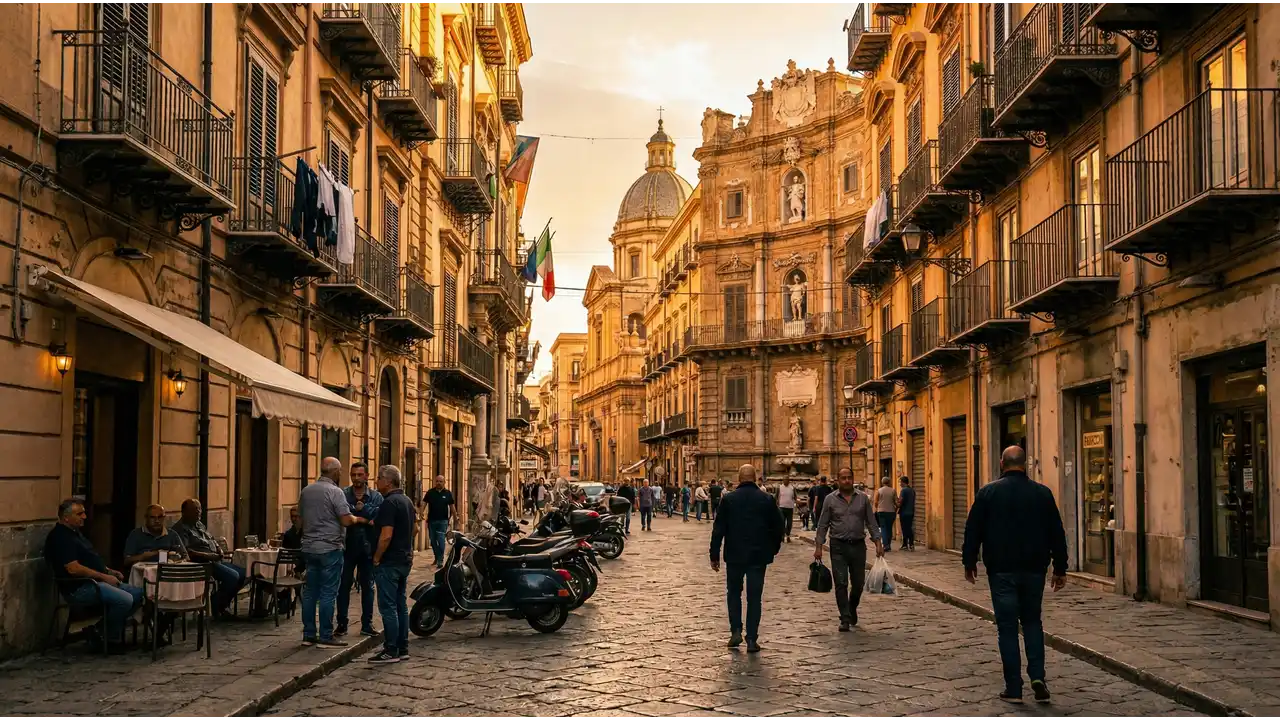
Valletta is Malta's capital, a fortified port city of about 6,000 residents built on a peninsula surrounded by harbors. Most residents live in the historic core, a UNESCO site with narrow limestone streets, baroque architecture, and steep terrain. Daily life centers on the harbor front, small groceries, and foot traffic. The climate is Mediterranean, hot and dry in summer, mild in winter. It functions as both a working city (government offices, courts, businesses) and a tourist destination. Expats and locals mix in cafes and restaurants. The city is compact and walkable but physically demanding due to hills and uneven paving. Most people commute elsewhere for work or rely on the ferry and bus system.
💡 Local Insights
Valletta · 2026
Valletta's cost of living runs about $2,425/month for a moderate lifestyle, driven primarily by housing. Rent for $1,386/month covers a one-bedroom apartment in the historic center or nearby towns like Sliema or St. Julian's just across the harbor. Properties in Valletta proper command a premium due to scarcity and tourism demand; a studio apartment in the city itself can run $900 to $1,200, while a one-bedroom ranges $1,100 to $1,600. Living just outside in Sliema or the Three Cities (Vittoriosa, Senglea, Cospicua) offers slightly better value. Groceries at $335/month are comparable to southern Europe if you shop local markets and supermarkets. Imported goods cost more. Public transport (bus, ferry) is cheap at roughly $26/month for unlimited travel. Eating out is moderate; a meal at a casual restaurant runs $8 to $15. Expats often pay higher rents when using agents. Local landlords and direct connections yield better deals. Utilities (electricity, water, internet) add $80 to $120/month. The summer tourist season (June to September) drives prices up noticeably for both rentals and dining.
Frequently Asked Questions
How much does it cost to live in Valletta per month?
A moderate lifestyle in Valletta costs around $2,425/month. Housing runs $1,386/month. Groceries average $335/month. Transport is roughly $26/month on public transit. Utilities, dining out, and miscellaneous expenses make up the remainder. On a tight budget, you can live on $1,455/month by renting outside the city center, cooking at home, and using public transport. A comfortable lifestyle with dining out, some travel, and a central location costs around $3,759/month.
What is the average rent in Valletta?
Average monthly rent is around $1,386. In Valletta's historic center, studios run $900 to $1,200 and one-bedroom apartments $1,100 to $1,600. Prices drop noticeably if you move to adjacent towns: Sliema and St. Julian's (5 minutes by car or ferry) see one-bedrooms from $1,000 to $1,400. The Three Cities (Vittoriosa, Senglea, Cospicua) across the harbor offer $900 to $1,300 for one-bedroom units. Two-bedroom rentals rarely exist in central Valletta; they are found in nearby areas and run $1,400 to $2,000. Expats booking through agents typically pay 10 to 20 percent more than locals arranging directly. Furnished rentals cost 10 to 15 percent more. Summer (June to September) sees temporary spikes of 15 to 25 percent.
Is Valletta cheap to live in for expats?
Valletta is moderately priced for Southern Europe but not cheap. At $2,425/month for a moderate lifestyle, it sits below Barcelona or Athens but above smaller Mediterranean towns. Housing is the constraint: $1,386/month buys a modest apartment, but the historic center is tight and pricey. Many expats compromise by renting in Sliema or the Three Cities and commuting via ferry (10 minutes) or bus. Food and transport are affordable. The real cost depends on expectations: if you want central Valletta with a view, budget high. If you accept proximity and willingness to cross the harbor or walk uphill, $1,800 to $2,200/month is feasible. Professional expats earning local salaries often find it tight; those with remote income or pensions adapt more easily.
How much does food cost per month in Valletta?
Groceries average $335/month. Local supermarkets (Lidl, Carrefour, Pavi) offer competitive prices on staples. A loaf of bread costs around $0.80, milk $1.20 per liter, chicken $6 to $8 per kilogram. Imported or specialty items (Nordic, Asian) cost significantly more. Local farmers' markets in nearby Naxxar and Mosta offer fresh produce at lower prices than central shops. Eating out is moderate: a casual lunch (sandwich, soup, drink) runs $6 to $10. Dinner at a mid-range restaurant averages $12 to $18 per person without alcohol. Fast food chains and pizzerias offer meals for $5 to $8. Seafood restaurants near the harbor cost $20 to $35 per person. A cafe coffee is $1.50 to $2.50. Cooking at home stretches the budget; dining out regularly pushes costs higher.
What salary do you need to live comfortably in Valletta?
A comfortable lifestyle costs around $3,759/month. This budget allows for a one-bedroom apartment in a good location (central Valletta or Sliema), regular dining out, local travel, and modest entertainment. To live comfortably, aim for a monthly income of $3,800 to $4,500 to account for irregular expenses and savings. Gross monthly income of $4,500 to $5,500 (accounting for Malta's tax system, roughly 15 to 25 percent depending on bracket) provides a cushion. Remote workers and expats earning in stronger currencies adapt more easily. Local professionals in government or finance earn $2,200 to $3,500/month, placing comfortable living at the upper end for them. Self-employed expats and freelancers should budget higher to cover healthcare (private insurance, roughly $80 to $150/month) and irregular costs.
How does the cost of living in Valletta compare to other places?
Valletta sits squarely in Europe's middle tier. A moderate lifestyle costs $2,425 per month, with housing running $1,386 per month. This puts it nearly level with Rome, where a moderate lifestyle is $2,350 per month and housing is $1,339 per month. Both cities offer similar overall affordability for Southern European capitals.
If you're coming from a pricier destination, Valletta will feel accessible. Oslo costs notably more at $3,025 per month for the same lifestyle, with housing at $1,434 per month. On the other end, smaller European cities like Zaragoza are significantly cheaper at $1,675 per month overall and just $669 for housing.
For a Mediterranean capital with working infrastructure and English widely spoken, Valletta's price point is reasonable compared to other major European cities.
Yes, but with careful choices. The budget tier of $1,455/month requires renting outside the city center (Sliema, Three Cities, or Mosta) at $800 to $1,000/month, cooking almost entirely at home ($280/month on groceries), using public transport exclusively ($26/month), and minimizing dining out and entertainment. Utilities, phone, and internet add $90 to $110/month. This leaves roughly $50 to $150 for everything else, including occasional meals out, haircuts, and contingencies. It is tight but realistic for careful planners. Shared housing (splitting a two-bedroom) can push rent down to $600 to $700/month, easing the strain. Many students and young expats live this way. Any major expense (dental work, travel, visa renewal fees) strains the budget. A modest income bump to $1,600 to $1,700/month significantly improves flexibility and sustainability.