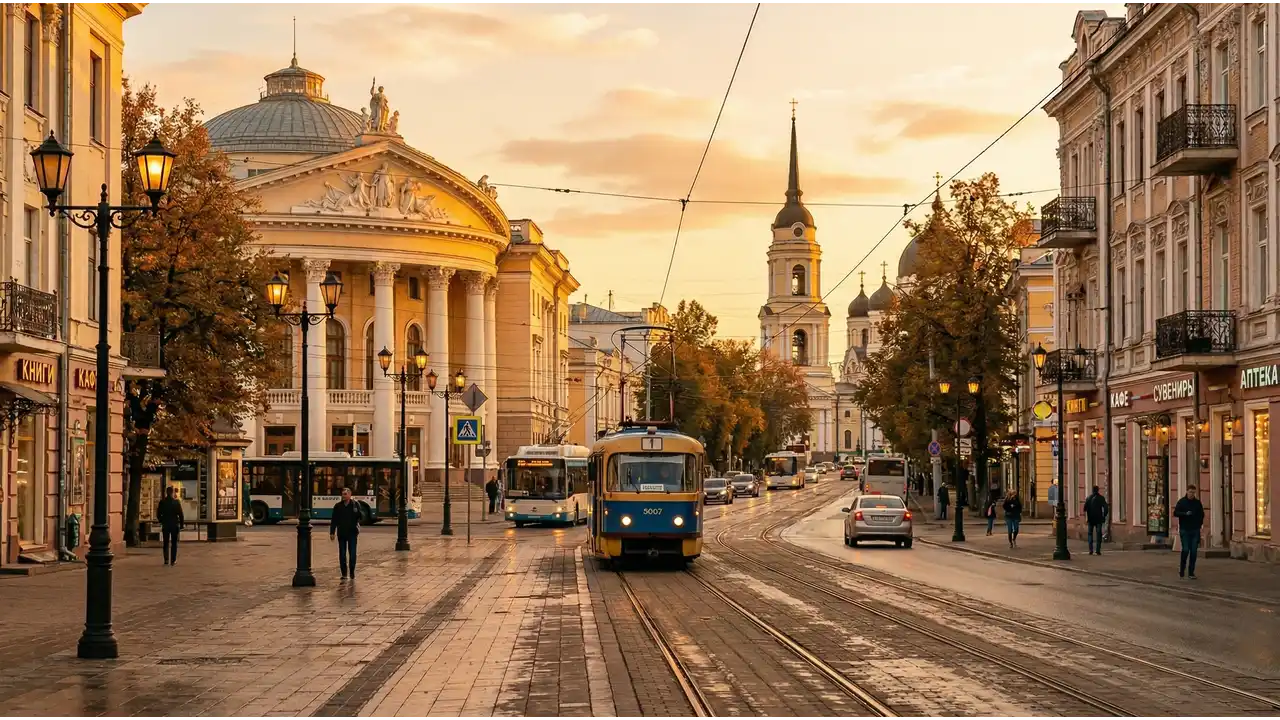
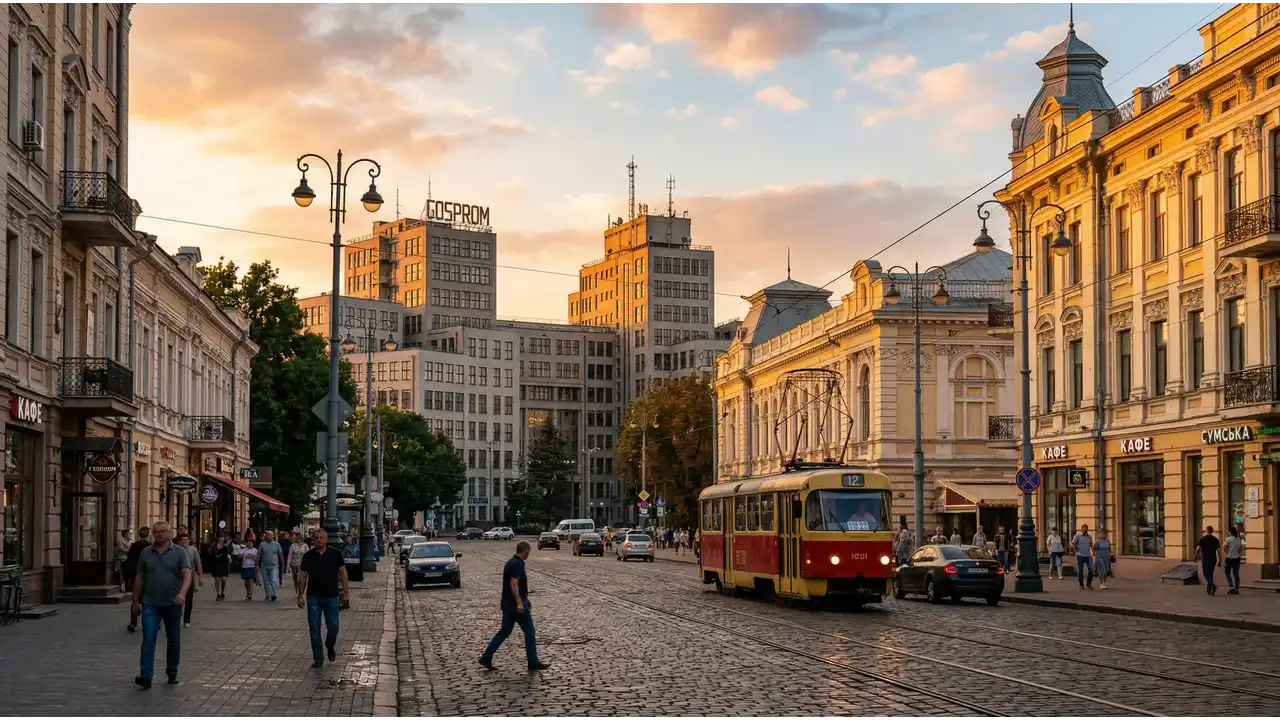
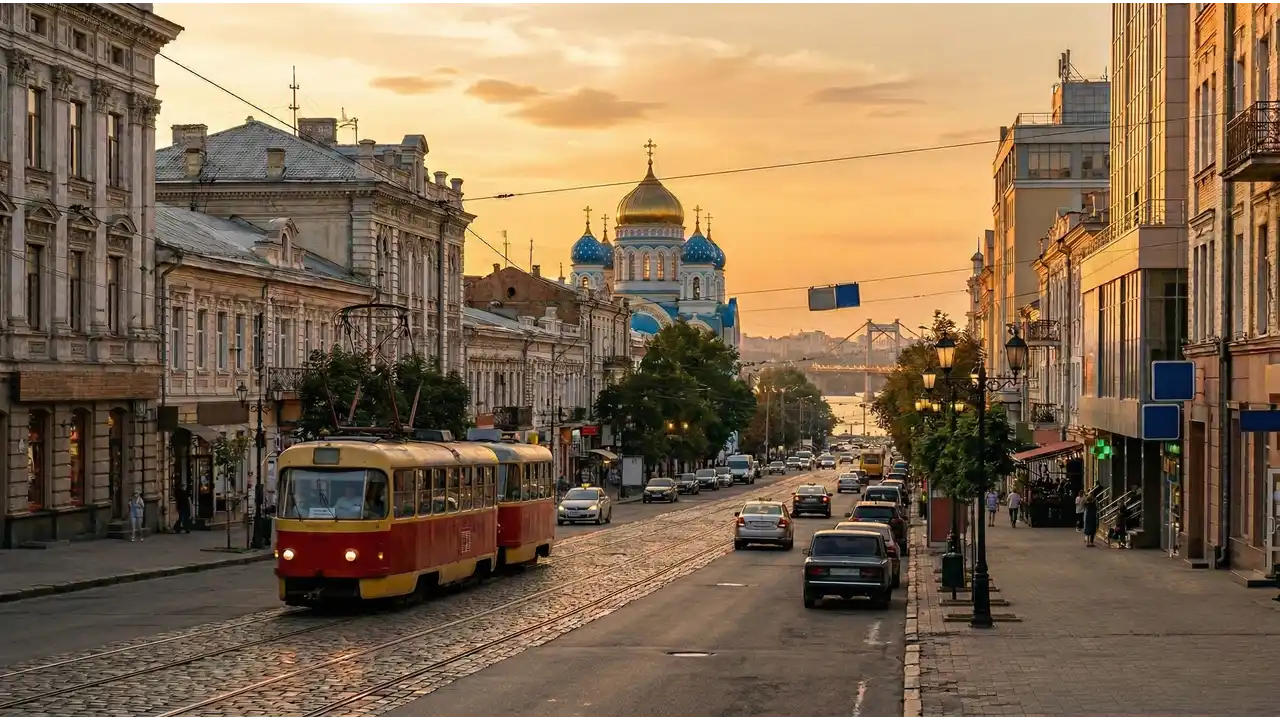
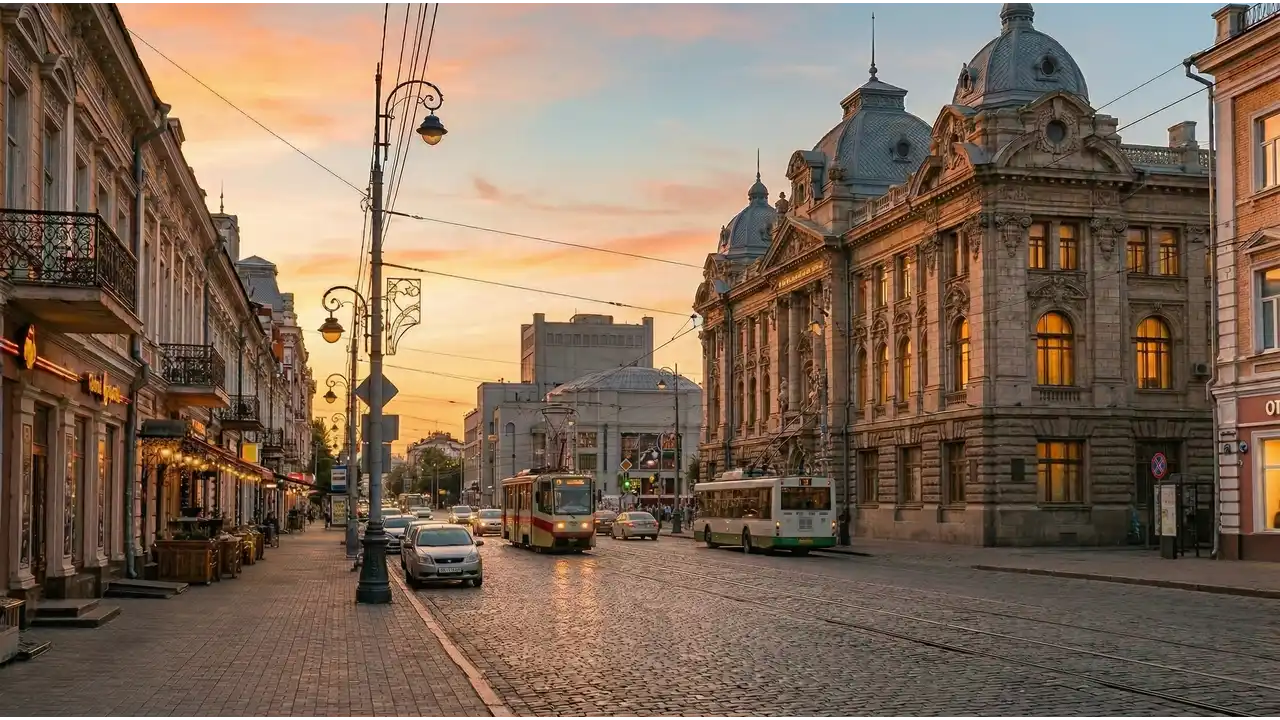
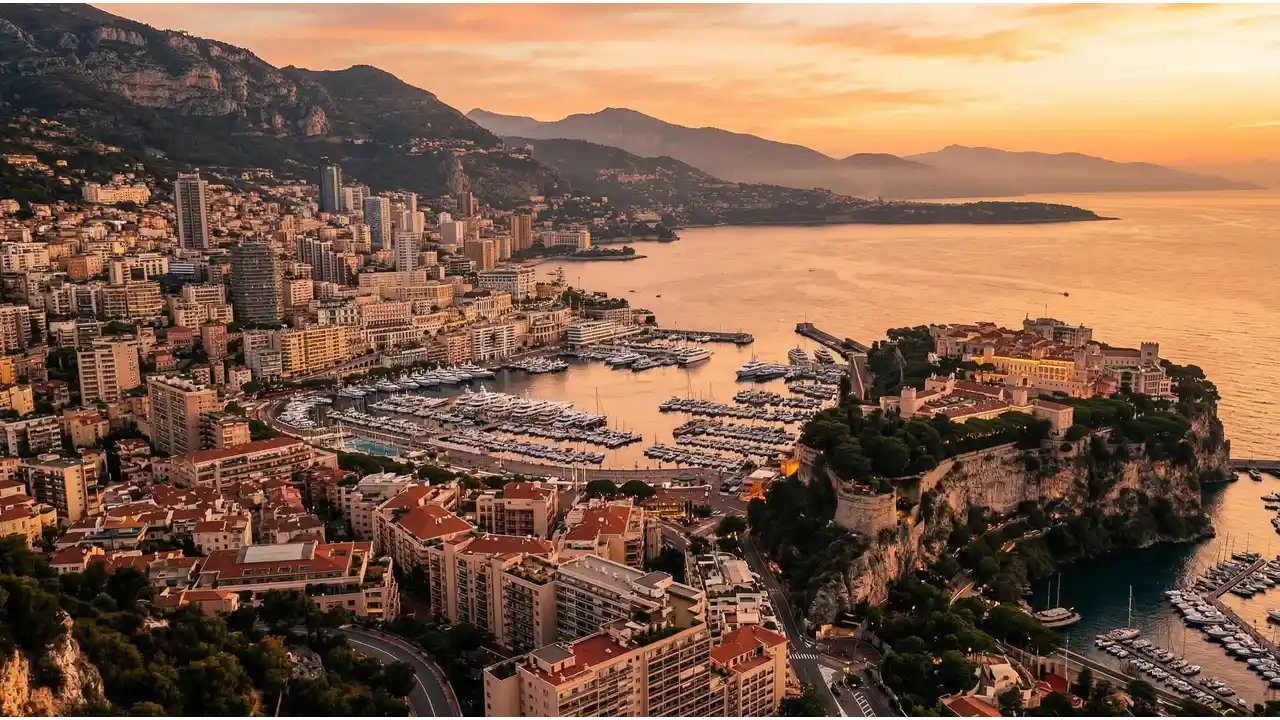
Voronezh is a regional center in southwestern Russia, roughly 280 miles south of Moscow. With about 1.1 million people, it functions as an administrative, educational, and industrial hub. Daily life centers around the Voronezh River, which bisects the city. Winters are cold and long, averaging minus 5 Celsius (23 Fahrenheit) from December through February. Summers are warm and brief. The city has a Soviet-era skeleton with newer development concentrated downtown and around the river. Most residents speak Russian; English is not widespread outside universities and tourism. Public transport relies on buses, trolleybuses, and marshrutkas (shared vans). The pace is slower than Moscow, with fewer expats and less tourist infrastructure.
💡 Local Insights
Voronezh · 2026
Voronezh costs significantly less than Moscow or Saint Petersburg, making it a genuine budget option for Russia-based workers and remote employees. Housing drives the cost structure: a one-bedroom apartment in the central Leninsky District averages $300 to $420 per month, while outer neighborhoods like Levoberezhny run $250 to $350. Furnished apartments rent higher. Groceries for one person run about $190 per month if you shop at Magnit, Pyaterochka, or Lenta supermarkets and eat mostly local produce, bread, dairy, and chicken. Imported goods cost 50 to 100 percent more. Dining out is cheap: a bowl of pelmeni or borscht costs $2 to $4, a restaurant meal $6 to $12. Public transport is negligible (about $12 per month for unlimited bus and trolleybus), though marshrutka fares vary by route. Utility costs (water, heating, electricity) average $40 to $60 monthly depending on season and apartment size. Expats typically pay slight premiums for furnished rentals and imported groceries but face no formal surcharges. Salaries for skilled foreign workers often run $1,200 to $2,000 monthly, which provides genuine comfort.
Frequently Asked Questions
How much does it cost to live in Voronezh per month?
A moderate lifestyle in Voronezh costs around $950 per month. Housing is $361 per month, groceries roughly $190, utilities $50, transport under $15, and the remainder covers dining out, clothing, entertainment, and incidentals. A tight budget of $570 per month is feasible if you share housing, cook entirely at home, and avoid restaurants. A comfortable lifestyle runs $1,473 per month, allowing for a nicer apartment, eating out several times weekly, and regular entertainment or travel.
What is the average rent in Voronezh?
Average rent is $361 per month. In central Leninsky District, expect $300 to $420 for a one-bedroom apartment unfurnished, or $350 to $500 if furnished. Outer neighborhoods like Levoberezhny or Kommunarsky offer one-bedroom units for $250 to $350. Studio apartments rent for $200 to $300. Two-bedroom apartments range $400 to $650 depending on location and condition. Furnished places rent higher; utilities (water, heating, electricity) add another $40 to $60 monthly. Prices vary by season, with slight premiums in summer.
Is Voronezh cheap to live in for expats?
Yes. Voronezh is substantially cheaper than Moscow, Saint Petersburg, or any Western European city. Expats on salaries of $1,200 to $1,500 monthly live comfortably here, whereas the same salary would be tight in Moscow. Housing, food, and utilities cost roughly half what expats pay in major Western cities. The trade-off: fewer services tailored to expats, limited English, and less international community. It suits remote workers, teachers, and skilled professionals relocating from high-cost regions. Long-term expat residents report that adjustment to the pace and language is the main challenge, not affordability.
How much does food cost per month in Voronezh?
Groceries for one person average $190 per month, shopping at supermarkets like Magnit, Pyaterochka, or Lenta. Bread costs $0.50 to $1, milk $1.20 to $1.80 per liter, eggs $2 per dozen, chicken $4 to $5 per kilogram, and seasonal vegetables $1 to $3 per kilogram. Imported goods cost double or triple. Eating out is very cheap: borscht or pelmeni at a canteen costs $2 to $3, a cafe meal $6 to $8, a restaurant dinner $12 to $18. Markets offer fresh produce slightly cheaper than supermarkets.
What salary do you need to live comfortably in Voronezh?
A comfortable lifestyle requires roughly $1,473 per month. This covers a decent one-bedroom apartment ($400 to $450), regular restaurant meals, regular transport (though costs are minimal), utilities, and discretionary spending on hobbies, entertainment, or travel. On $1,473 monthly, you can eat out 3 to 4 times weekly, maintain a car if needed, travel within Russia occasionally, and save moderately. A salary of $1,200 to $1,300 is workable but leaves less room for unexpected costs or frequent dining out. Remote workers earning $1,500 to $2,000 USD monthly find Voronezh very comfortable.
How does the cost of living in Voronezh compare to other places?
Voronezh sits in the middle tier for Eastern European cities. A moderate lifestyle costs $950 per month here, with housing running $361 per month. That puts it very close to Skopje, which also runs $1,000 for a moderate lifestyle and $365 for housing. If you're coming from Western Europe, Voronezh is significantly cheaper than Lodz, where a moderate lifestyle costs $1,350 and housing $570 per month. By contrast, if you're relocating from nearby Kharkiv, you'll find Voronezh noticeably more expensive. Kharkiv runs $650 monthly for a moderate lifestyle and $205 for housing. Voronezh's cost is low enough to stretch a modest budget, but higher than you'd find in some Ukrainian cities. It's a reasonable choice if you want affordability without going to the cheapest options in the region.
Yes, with tight discipline. Budget rent at $250 (outer neighborhood shared housing or small studio), groceries $150 to $160 (cooking at home entirely, buying sale items), utilities $40, and transport $10. That leaves $120 to $150 for phone, clothing, and emergencies. Dining out is minimal or zero. This budget works for students, long-term remote workers willing to minimize consumption, or people with local income and support networks. It cuts entertainment, travel, and most non-essentials. Most people find $570 sustainable only if housing is shared or secured below-market through connections.