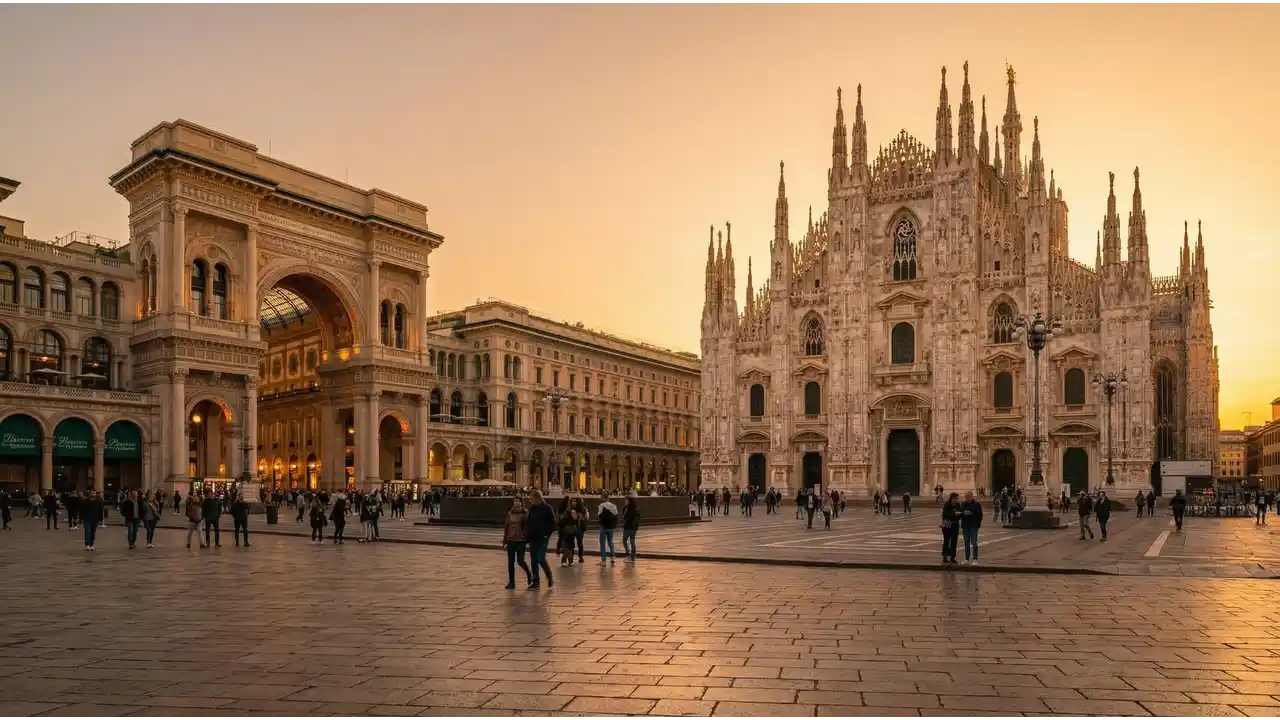
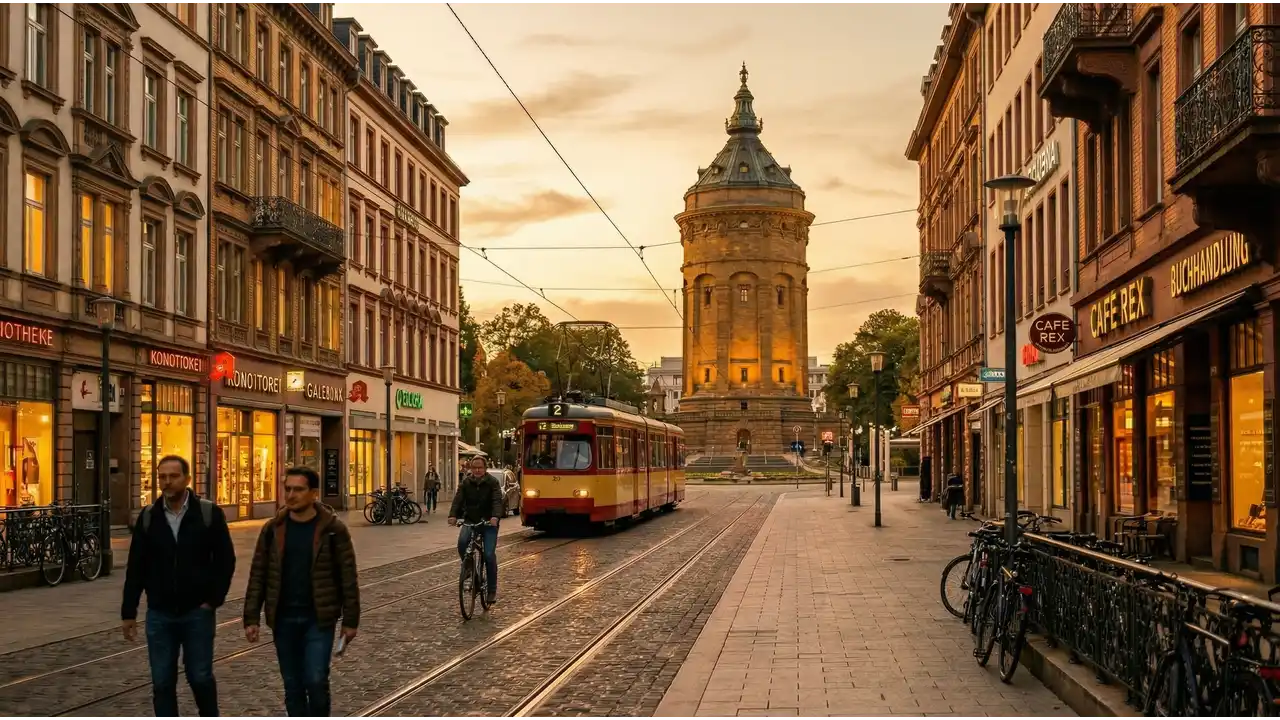
Zurich is Switzerland's largest city and its financial center, sitting on Lake Zurich with the Alps visible on clear days. The population is roughly 400,000 in the city proper, with a much larger metro area. Daily life revolves around precision, punctuality, and high standards for services. Public transit is extensive and reliable. The old town (Altstadt) has narrow medieval streets; modern districts like Wiedikon and Aussersihl mix residential and commercial space. Winters are cold and gray (around 35°F average), summers mild (70°F). The city attracts expats, remote workers, and finance professionals. German is the primary language, though English is widely spoken in business and among younger residents.
💡 Local Insights
Zurich · 2026
Zurich's cost of living is driven by two factors: Swiss labor costs and real estate scarcity. Housing consumes the largest portion of any budget at $2,563/month, reflecting both high land values and strict rental regulations that limit supply. A one-bedroom apartment in central districts like Kreis 1 or Kreis 5 typically rents for $2,400 to $2,800; outer districts like Altstetten or Wiedikon range from $1,900 to $2,400. Groceries at $665/month are expensive compared to Europe, but significantly cheaper than eating out. A liter of milk costs roughly $1.20, bread $3.50, and a modest restaurant meal $25 to $35. Public transport is excellent and costs $100 to $120/month for an unlimited city pass, making car ownership unnecessary for most. Salaries in Zurich are high (average gross around $120,000 to $150,000 for skilled roles), which offsets costs for residents but creates a high barrier for newcomers without local employment. Expats often find initial housing searches difficult due to competitive rentals and landlord preferences for Swiss residents.
Frequently Asked Questions
How much does it cost to live in Zurich per month?
A moderate lifestyle in Zurich costs around $4,625/month. This includes $2,563 for housing (rent and utilities), $665 for groceries, roughly $120 for public transport, and the remainder for dining out, entertainment, and household goods. Budget living (cutting meals out, choosing outer neighborhoods, minimal entertainment) runs closer to $2,775/month. Comfortable living with more flexibility, frequent dining out, and central location reaches $7,169/month. Most expats report the moderate figure as realistic if they avoid frequent restaurant meals and live outside the city center.
What is the average rent in Zurich?
Average rent in Zurich is around $2,563/month for a one-bedroom apartment, which represents most of a moderate lifestyle budget. This varies significantly by district. Central areas like Kreis 1 (the old town) and Kreis 5 (Industriequartier) rent for $2,400 to $2,800/month. Outer residential districts like Altstetten, Hongg, or Leimbach range from $1,900 to $2,300/month. Two-bedroom apartments typically cost $3,200 to $4,000/month. Furnished short-term rentals command a premium. The rental market is tight; viewings are competitive and landlords often require proof of income, employment contracts, and references. Most rentals include utilities or quote them separately (typically $150 to $200/month).
Is Zurich cheap to live in for expats?
No. Zurich is expensive by global standards and ranks among the world's costliest cities for housing and daily expenses. For expats from North America or Northern Europe, costs are comparable or higher than major cities like New York, London, or Stockholm. The trade-off is that local salaries are also high; expats working in finance, tech, or professional services often find their wages keep pace with expenses. Expats on fixed or modest budgets struggle significantly. Those relocating from Southeast Asia, Southern Europe, or developing countries will find Zurich substantially more expensive. Cost-of-living research sites typically rank it in the top 10 globally for expat living expenses.
How much does food cost per month in Zurich?
Groceries average $665/month for one person eating a mixed diet of fresh produce, proteins, and staples. Specific costs: milk $1.20/liter, bread $3.50 per loaf, eggs $4.50/dozen, chicken breast $18/kilogram, cheese $18 to $25/kilogram. Budget supermarkets like Aldi and Lidl offer lower prices but narrower selection than Coop or Migros. Eating out is expensive: a casual restaurant meal costs $20 to $30, coffee $5 to $6. Aperitif hour (5 to 7 p.m.) at bars offers cheaper drinks and snacks. Weekly markets in Bürkliplatz and other neighborhoods offer produce at slightly lower prices than supermarkets. Meal subscription services and prepared foods at supermarkets cost 20 to 40 percent more than cooking from raw ingredients.
What salary do you need to live comfortably in Zurich?
Comfortable living in Zurich requires around $7,169/month, or roughly $86,000/year gross (depending on tax and benefits structure). This budget allows central or near-central housing, frequent dining out, regular entertainment, and savings. For a household of two, $130,000 to $150,000/year gross provides good comfort. Single earners in professional roles (finance, tech, law, medicine) typically earn $100,000 to $200,000/year gross, which supports comfortable living with room for savings or investment. Lower salaries ($50,000 to $70,000/year) require careful budgeting and usually mean living in outer districts, minimizing dining out, and relying on public entertainment. Swiss income tax at the cantonal and municipal level varies but typically takes 15 to 22 percent of gross income for skilled workers.
How does the cost of living in Zurich compare to other places?
Zurich is expensive by global standards, though not the priciest major city. A moderate lifestyle here costs $4,625 per month, with housing running $2,563 monthly. That places it above Dublin, where a comparable lifestyle costs $3,175 monthly and housing averages $1,902. Zurich sits roughly level with Monte Carlo ($4,025 monthly, $2,323 for housing), though the two cities serve different purposes. Brooklyn is notably dearer, at $5,975 monthly with housing alone at $4,295. What drives Zurich's cost is primarily housing and everyday goods. Swiss wages tend to be proportionally higher than in cheaper European cities, which cushions the impact for locals but matters less for visitors or those on fixed incomes. If you're comparing to North American cities, Zurich is genuinely more affordable than premium US hubs, though pricier than most other European capitals.
Yes, but with trade-offs. A budget of $2,775/month means housing around $1,800 to $2,000 (requiring outer districts like Altstetten, Hongg, or Schwamendingen), groceries of $500 to $550 (buying at Aldi, cooking most meals), public transport $100 to $120, and minimal dining out ($200 to $300/month for occasional inexpensive meals). This leaves little for entertainment, clothing, or savings. It is possible but requires discipline and excludes frequent socializing at bars or restaurants. Working expats on this budget often live with roommates to split housing costs. Students and younger residents manage on $2,500 to $3,000/month through shared housing, university subsidies, and minimal discretionary spending. Retirees on fixed pensions find this challenging unless they own housing outright. Most sources recommend $3,500/month minimum for comfortable independent living in Zurich.