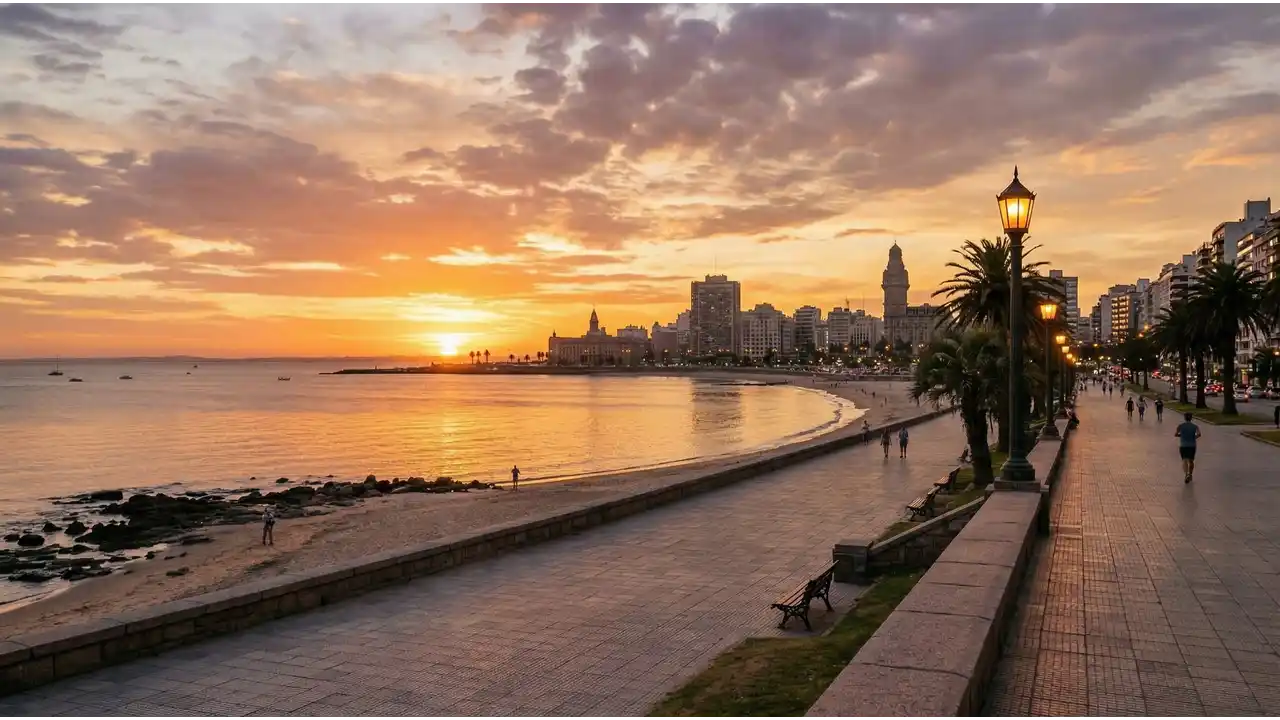
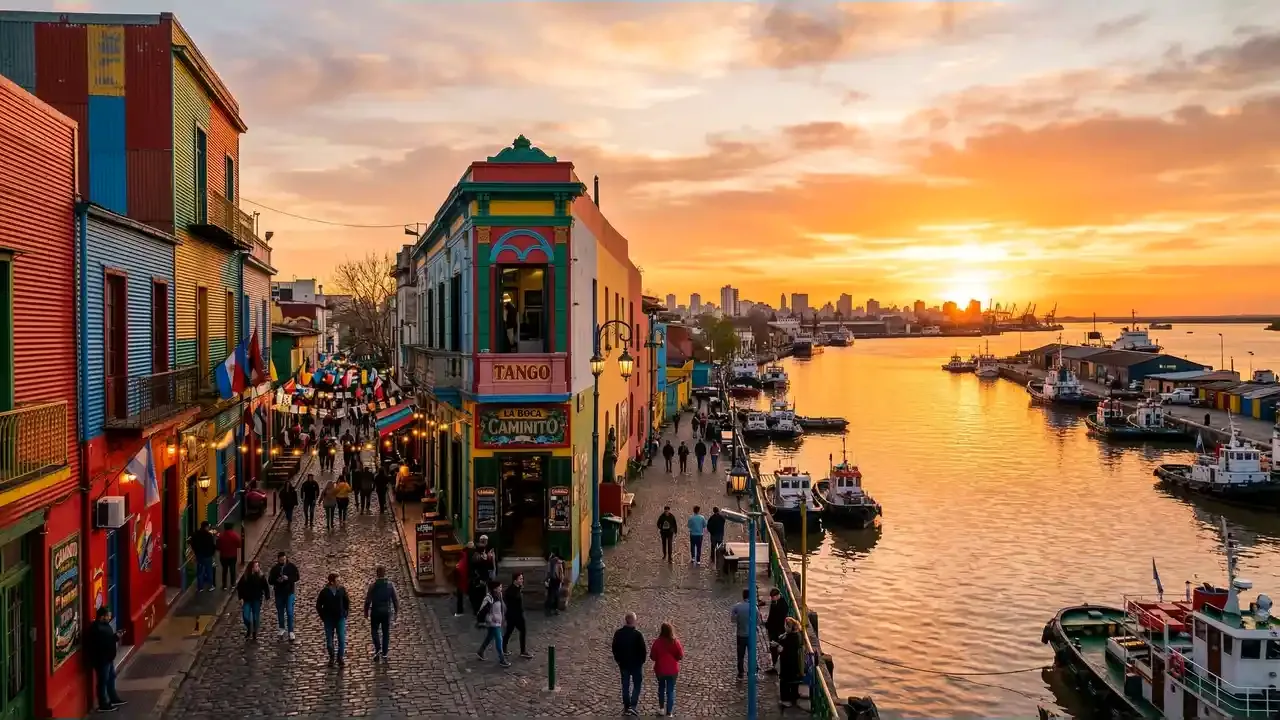
Argentina is a Spanish-speaking country of 46 million people in South America, with a Mediterranean climate in the north and temperate conditions in Buenos Aires and the south. Daily life centers on long meals, strong coffee culture, and a European-influenced urban landscape in the capital. The country has experienced significant economic volatility, which affects prices and currency stability. Most expats settle in Buenos Aires, the capital, or in Mendoza for the wine region. Neighborhoods range from elegant historic areas to working-class barrios. Public transport is extensive and cheap. Spanish is the working language everywhere outside tourist zones.
💡 Local Insights
Argentina · 2026
Argentina's cost of living is moderate for the region, shaped largely by currency fluctuations and inflation. Housing averages $496 per month for a one-bedroom apartment in established neighborhoods or smaller cities. Buenos Aires neighborhoods like San Telmo and La Boca run higher, while suburbs and provincial cities like Córdoba cost less. Groceries are inexpensive at $243 per month for a household, with local produce and beef significantly cheaper than imported goods. Eating out is affordable, around $8-12 for a full meal at a casual restaurant. Public transport (subways, buses) costs roughly $0.50 per ride. Expats often pay more for housing in tourist-friendly areas, and imported goods carry premiums. The official and black market exchange rates differ meaningfully, affecting real purchasing power. A moderate lifestyle at $1,250 per month is sustainable in most cities outside central Buenos Aires.
Frequently Asked Questions
How much does it cost to live in Argentina per month?
A moderate lifestyle in Argentina costs around $1,250 per month. This breaks down to housing at $496 per month, groceries at $243 per month, and the remainder covering utilities, transport, dining out, and entertainment. A budget tier lifestyle runs $750 per month (tight but possible outside Buenos Aires), while a comfortable lifestyle with more dining out and discretionary spending reaches $1,938 per month. Costs vary by city and neighborhood; Buenos Aires is pricier than provincial capitals like Córdoba or Mendoza.
What is the average rent in Argentina?
Average rent is $496 per month for a one-bedroom apartment in a non-central neighborhood or provincial city. In Buenos Aires, a one-bedroom in neighborhoods like Villa Urquiza or Flores runs $450-550, while central areas like San Telmo or Recoleta exceed $600. Outside the capital, Córdoba and Mendoza offer one-bedroom apartments for $350-450. Furnished short-term rentals cost more. Most landlords require proof of income or a local guarantor. Currency instability affects nominal prices, but dollar-based listings are common for expats.
Is Argentina cheap to live in for expats?
Argentina is moderately cheap compared to North America or Western Europe, but not as inexpensive as some Southeast Asian alternatives. Housing and local food are affordable, but expats often pay premiums in tourist neighborhoods and for imported goods. The real constraint is economic volatility: inflation and exchange rate swings make budgeting unpredictable. Your purchasing power depends heavily on whether you're earning in dollars or Argentine pesos. For remote workers earning in hard currency, Argentina offers good value. For those relying on local income, it's tighter.
How much does food cost per month in Argentina?
Groceries cost approximately $243 per month for a household buying local staples. Beef, chicken, and fresh produce are inexpensive. A kilogram of beef runs $4-6, a liter of milk $0.80-1.20, and a dozen eggs $1.50-2. Imported foods (cheese, cereals, oils) are significantly pricier. Eating out is affordable: a basic meal at a parrilla (grill restaurant) costs $8-12, and coffee with a pastry runs $2-3. Shopping at neighborhood markets (ferias) rather than supermarkets saves money. Wine is exceptionally cheap, often under $3 for decent bottles.
What salary do you need to live comfortably in Argentina?
A comfortable lifestyle costs around $1,938 per month. This budget allows for a decent one-bedroom apartment, regular dining out, entertainment, and discretionary spending. For a couple or family, $2,500-3,000 per month provides solid comfort with room for savings or travel. These figures assume you're earning in US dollars or a stable currency; earning in Argentine pesos requires significantly higher nominal income due to inflation. Remote workers earning in dollars from abroad have substantially more purchasing power than locals on Argentine wages.
How does the cost of living in Argentina compare to other places?
Argentina sits in the middle tier for the region. A moderate lifestyle in Argentina costs $1,250 per month, with housing at $496 per month. This puts it slightly higher than Peru, where a moderate lifestyle runs $1,200 monthly and housing costs $463 per month. Bolivia remains considerably cheaper, at $875 for a moderate lifestyle and $353 for housing. If you're coming from Panama, you'll find Argentina significantly more affordable. Panama runs $1,700 monthly for a moderate lifestyle with housing at $951 per month.
Within Argentina itself, your actual costs will vary sharply depending on which city you choose. Buenos Aires is pricier than the interior, and neighborhood selection matters considerably. The figures above represent a realistic average for the country, giving you a solid baseline for budgeting.
Yes, but it requires discipline and provincial living. A $750 monthly budget works in smaller cities like La Plata, Rosario, or Córdoba, where one-bedroom rentals run $300-400 and food costs less. In Buenos Aires, $750 is very tight, limiting you to a shared apartment and minimal dining out. At this level, you're cutting entertainment, travel, and most imported goods. It's feasible but leaves little buffer for emergencies or inflation spikes. This budget assumes you're living like a local (using public transit, shopping markets, cooking at home), not like a tourist.