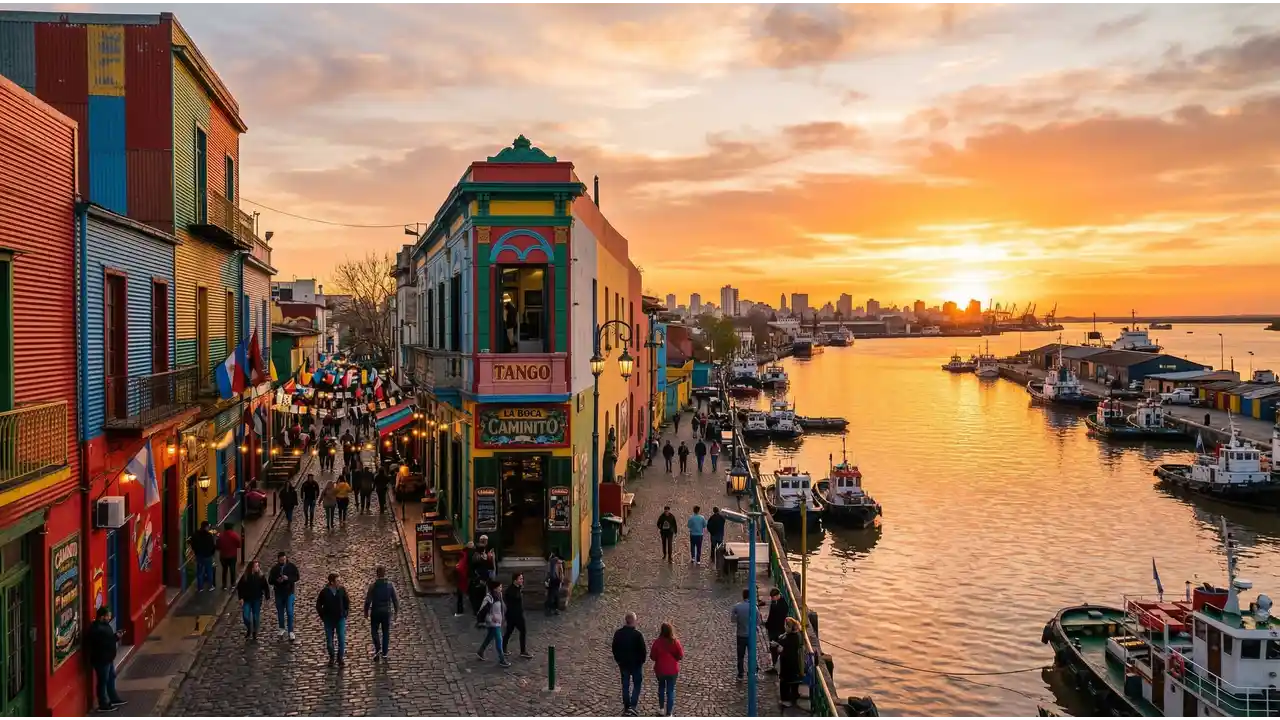
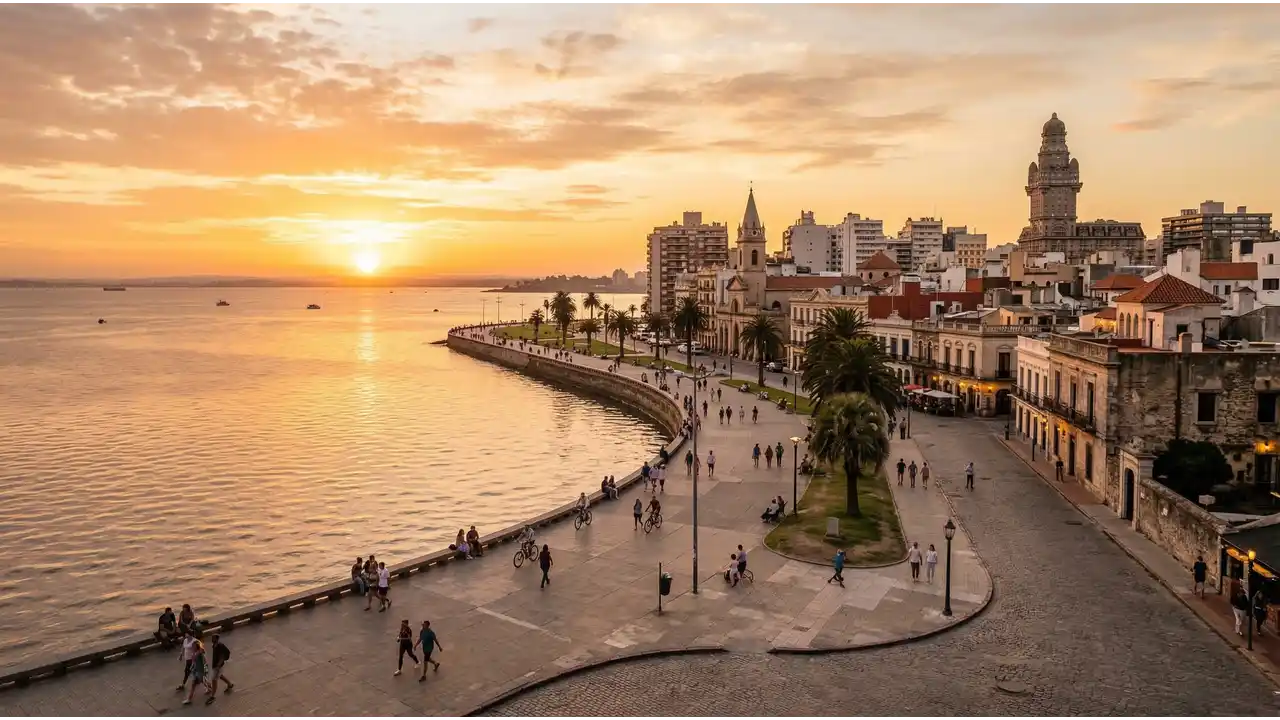
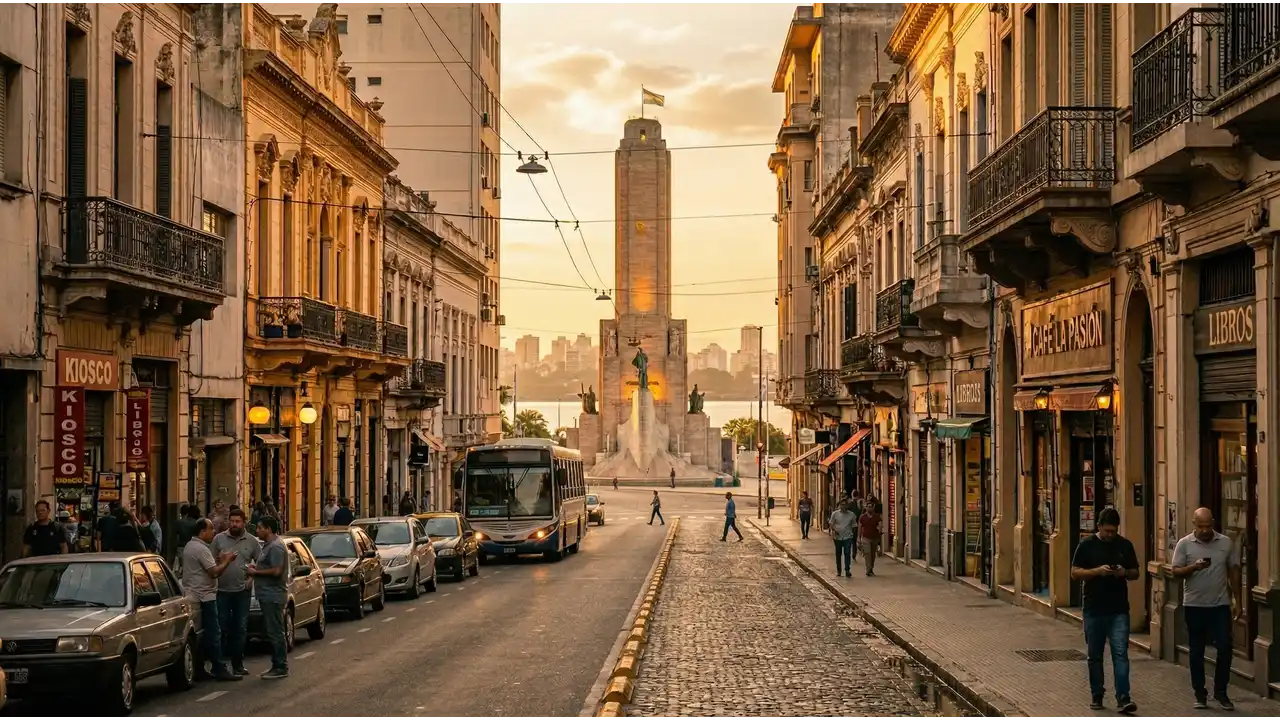
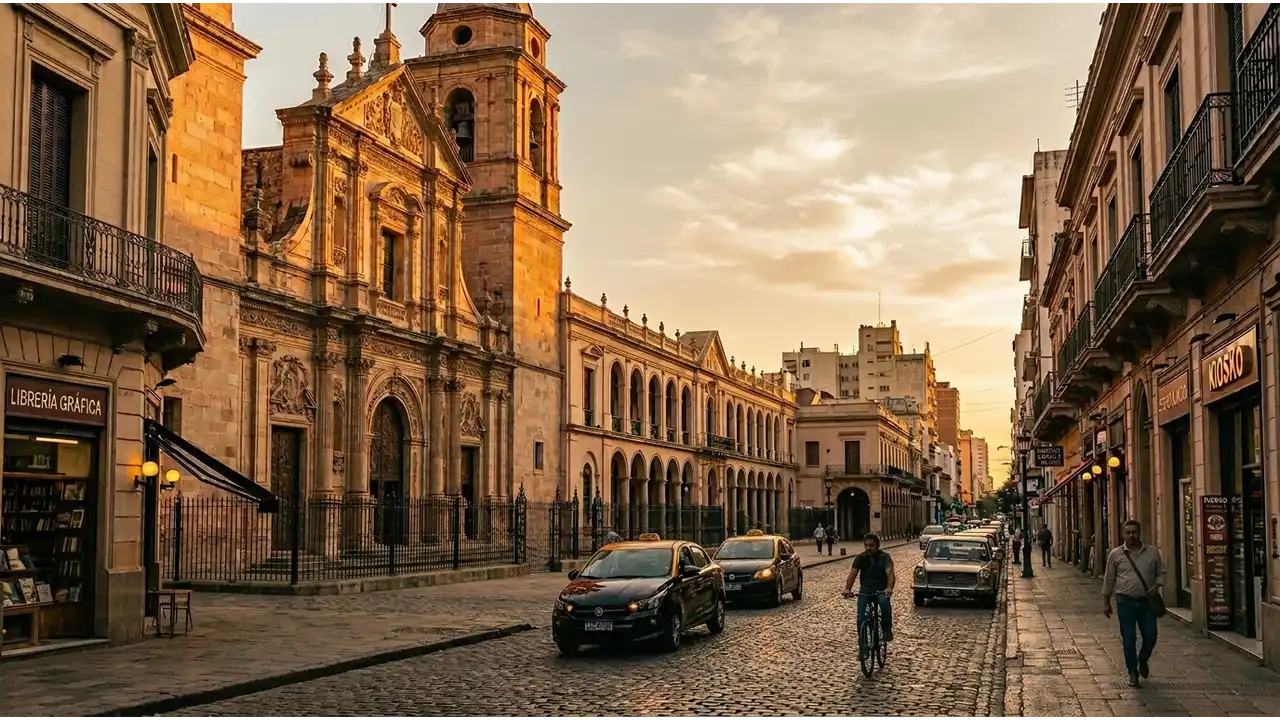
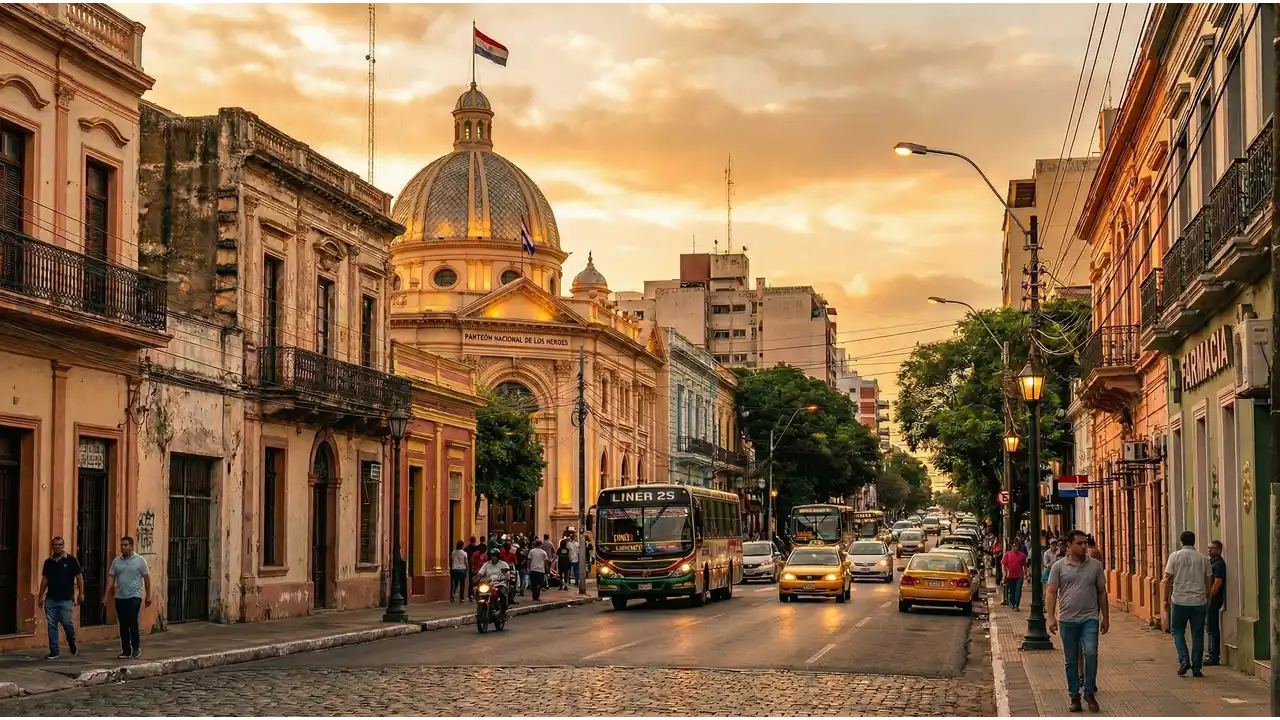
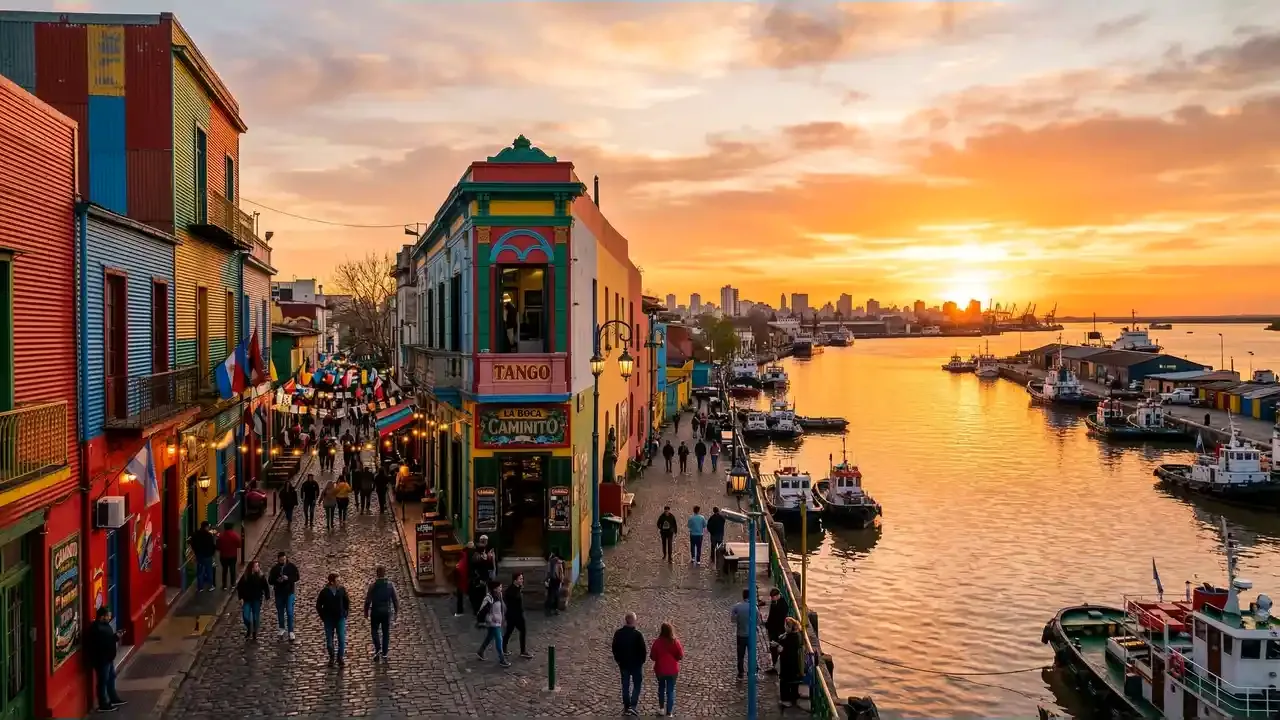
Buenos Aires is Argentina's capital and largest city, home to roughly 3 million people in the city proper and 15 million in the metro area. The city sits on the Río de la Plata with a temperate climate, warm summers (December to February) and mild winters. Daily life centers on neighborhoods like San Telmo, Palermo, and La Boca, each with distinct character. People work in business, arts, tech, and services. The pace is slower than North American cities but faster than rural Argentina. Spanish is the working language. Expats, remote workers, and locals mix throughout, though expat density is highest in central neighborhoods. Public transport is the default; private car ownership is common but not necessary.
💡 Local Insights
Buenos Aires · 2026
Buenos Aires is genuinely affordable by developed-world standards, but not as cheap as it was a decade ago. Inflation and currency fluctuations affect both locals and visitors. Housing costs around $718/month, which covers a modest one-bedroom apartment in accessible neighborhoods like Almagro, Caballito, or Villa Crespo, or a shared place in trendier areas. Central neighborhoods (San Telmo, Palermo) run higher. Groceries average $268/month for a single person buying local produce, pasta, meat, and dairy at neighborhood markets and supermarkets like Carrefour or Disco. Eating out is cheap (dinner under $10 at casual spots), which tempts budget overruns. Transport is inexpensive, roughly $0.30 per subway or bus ride with a rechargeable card. The peso's weakness against the dollar means USD holders have real purchasing power, but locals paid in pesos face the opposite pressure. Exchange rates matter enormously. Expats often spend more than locals on imported goods, international services, and tourist-zone dining. Real savings come from living like locals: using public transport, shopping at neighborhood markets, cooking at home.
Frequently Asked Questions
How much does it cost to live in Buenos Aires per month?
A moderate lifestyle costs $1,550/month. This covers housing at $718/month, groceries at $268/month, transport, utilities, dining out occasionally, and entertainment. A budget lifestyle runs $930/month, cutting non-essentials and eating out less. A comfortable lifestyle is $2,403/month, allowing better housing, frequent dining out, and travel within Argentina. Costs vary significantly by neighborhood and personal habits. USD earners have an advantage; those paid in pesos face the weaker local currency.
What is the average rent in Buenos Aires?
Average rent is around $718/month for a one-bedroom apartment in accessible neighborhoods like Almagro, Caballito, or Villa Crespo. In central or trendy zones (Palermo, San Telmo, San Nicolás), expect $800 to $1,000 or more for similar space. Shared apartments run $400 to $550 per room. Utilities (water, electricity, internet) add $50 to $100 monthly depending on usage. Longer leases (12 months) are standard and usually cheaper than short-term rentals. The peso's volatility can shift dollar-priced rents, but these figures hold in the current market.
Is Buenos Aires cheap to live in for expats?
Yes, relative to North America, Western Europe, or Australia. Rent and food are substantially lower. However, it is not backpacker-cheap anymore. USD earners enjoy strong purchasing power, while those on local salaries or remote USD jobs converted to pesos face inflation pressure. Expats often spend more than locals on imported goods, gym memberships, international phone plans, and dining in expat-friendly venues. Neighborhoods popular with expats (Palermo Soho, San Telmo) have inflated prices. Shopping at local markets and eating where locals eat keeps costs down.
How much does food cost per month in Buenos Aires?
Groceries cost roughly $268/month for a single person. A dozen eggs costs $2, a liter of milk $1, chicken around $4 per kilogram, and fresh produce from neighborhood markets is cheap. Supermarket staples like pasta, rice, and canned goods are inexpensive. Eating out is very affordable: a plate of empanadas costs $1 to $2, a full lunch at a casual restaurant runs $6 to $10, and asado (BBQ) is a social, cheap meal. Expat-zone restaurants and café culture push costs higher. Cooking at home is the budget-conscious move.
What salary do you need to live comfortably in Buenos Aires?
A comfortable lifestyle costs $2,403/month. This allows for a nicer apartment (1 to 2 bedrooms in a good neighborhood), regular dining out and entertainment, occasional weekend trips, and some imported goods. In USD terms, earning $2,400 monthly (roughly $28,800 annually) provides comfortable living. Remote workers earning US salaries have substantial surplus. Locals earning similar amounts in pesos face tighter margins due to inflation and currency weakness. Professional salaries for skilled work (tech, finance) range from $1,500 to $3,500 monthly.
How does the cost of living in Buenos Aires compare to other places?
Buenos Aires costs roughly $1,550 per month for a moderate lifestyle, with housing running $718 monthly. This puts it in the middle range for Latin American cities.
Bogotá is noticeably cheaper at $1,075 for the same lifestyle and $513 for housing. If your budget is tight, Colombia's capital stretches further. Guadalajara sits almost exactly level with Buenos Aires at $1,500 monthly, though its housing costs slightly higher at $783.
On the pricier end, Tulum runs $1,900 monthly, more than 20 percent above Buenos Aires, with housing at $1,022. That premium reflects its beach location and tourist economy.
For most expats and remote workers, Buenos Aires offers better value than beach destinations while remaining affordable compared to North American or European cities, though less affordable than Bogotá.
Yes, but with clear constraints. $930/month means a small apartment or shared room in less central neighborhoods, groceries from markets and budget supermarkets, minimal dining out, and no car. Most of your budget goes to rent and food. Public transport and free entertainment (parks, museums with free entry hours) become essential. This is doable for students, remote workers with flexible costs, or those willing to live modestly. It requires discipline: cooking all meals, avoiding tourist areas, and sharing housing. Many budget travelers and long-term residents live this way. Unexpected expenses (medical, travel) leave little cushion.