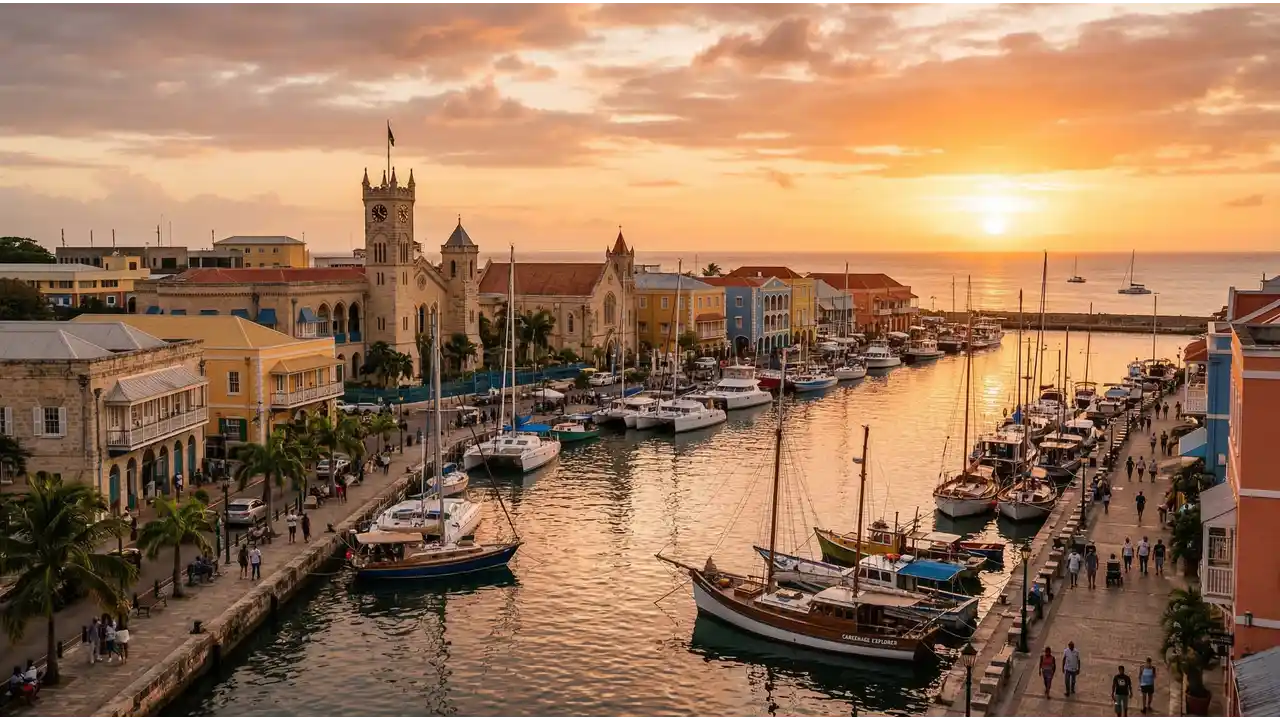
Barbados is a stable, English-speaking Caribbean island with roughly 280,000 residents. The majority of expats are from North America, Europe, and other Caribbean nations. Daily life centers on coastal towns (Bridgetown, St. James Parish), with reliable electricity, internet, and healthcare. The island experiences tropical weather year-round with hurricane season from June to November. Public transportation runs on minibuses and shared vans. Most expats work remotely, in tourism, finance, or local business. Cost of living is moderate for the Caribbean but higher than mainland Latin America.
💡 Local Insights
Barbados · 2026
Barbados costs $3,725/month for a moderate lifestyle, driven primarily by housing and imported goods. Rent averages $1,955/month and varies by location. Studio apartments in central Bridgetown run $1,200 to $1,600; two-bedroom homes in quieter areas like Christ Church or St. James Parish range from $1,700 to $2,300. Groceries average $571/month for a household, but imported American and European products cost 30 to 50 percent more than US prices. Local produce (cassava, plantains, fresh fish) is cheaper. Transportation via minibus costs $1 to $2 per ride; a car rental runs $35 to $50 daily. Utilities (electricity, water, internet) add $150 to $250/month. Expats typically pay the same rent as locals but may spend more on dining out and imported goods. Work permits require local employment or substantial income proof.
Frequently Asked Questions
How much does it cost to live in Barbados per month?
A moderate lifestyle costs $3,725/month. This breaks down to housing at $1,955/month, groceries at $571/month, transportation at $100 to $150/month, and utilities plus dining and entertainment for the remainder. A budget tier lifestyle runs $2,235/month (minimal housing, local food, minimal eating out). A comfortable tier with larger accommodation, frequent dining out, and entertainment runs $5,774/month. Actual spending depends heavily on housing choice, whether you cook or eat out, and local versus imported goods preference.
What is the average rent in Barbados?
Average monthly rent is $1,955. Studio and one-bedroom apartments in Bridgetown central areas rent for $1,200 to $1,600/month. Two-bedroom houses in established neighborhoods like St. James Parish (west coast) or Christ Church (south coast) run $1,700 to $2,300/month. Beachfront or luxury properties exceed $3,000/month. Long-term rentals (six months or more) sometimes offer 10 to 15 percent discounts. Utilities add $150 to $250/month. Most leases require a security deposit and proof of income or employment.
Is Barbados cheap to live in for expats?
No. Barbados is one of the more expensive Caribbean destinations. It costs roughly the same as Bermuda or the Cayman Islands for housing and food. Compared to Jamaica or Dominica, it runs 20 to 40 percent higher. Compared to Central America (Costa Rica, Panama), it is 15 to 25 percent more expensive. The primary driver is imported goods and limited local production. Expats seeking Caribbean stability and English-language ease will find Barbados worth the cost; those prioritizing budget should consider Grenada, St. Lucia, or mainland options.
How much does food cost per month in Barbados?
Groceries average $571/month for a household. Local produce is affordable: plantains and yams cost $0.50 to $1 per pound, fresh fish runs $8 to $12 per pound, chicken $4 to $6 per pound. Imported goods (cheese, cereals, canned goods) cost 30 to 50 percent more than US supermarket prices. A meal at a casual local restaurant (fish cakes, macaroni pie, rice and stew) costs $6 to $10. Mid-range dining runs $15 to $25 per person. Upscale restaurants in tourist areas charge $30 to $60 per entree. Shopping at supermarkets like Supercentre or Massy Stores is standard.
What salary do you need to live comfortably in Barbados?
A comfortable lifestyle costs $5,774/month. This supports a two-bedroom home, regular dining out, car rental or ownership, frequent entertainment, and imported goods without budget constraint. Gross income of $7,000 to $8,000/month (after local income tax, roughly 20 to 30 percent) covers this tier. Many remote workers earning USD or EUR find this sustainable. Local employment typically pays less; skilled positions (finance, healthcare, tourism management) offer $2,000 to $4,000/month gross. Retirees with passive income or substantial savings are common among comfortable-tier residents.
How does the cost of living in Barbados compare to other places?
Barbados sits in the mid-to-upper range for Caribbean living costs. A moderate lifestyle here runs $3,725 per month, with housing taking $1,955 of that. Curaçao comes in slightly cheaper at $3,425 monthly, though housing costs are comparable at $1,852. St. Lucia offers genuinely lower overall expenses at $2,575 per month, with housing at $1,749. If you're comparing upward, Bermuda is substantially pricier at $4,900 monthly, despite similar housing costs of $1,862.
The real difference is in day-to-day spending. Barbados has higher grocery and dining costs than most Caribbean neighbors, partly due to its reliance on imports and stronger tourism economy. Housing here is relatively stable across the region, so your biggest cost variance will come down to eating, transportation, and entertainment choices. For Caribbean standards, Barbados is comfortable but not budget-friendly.
Yes, but with constraints. This is the budget tier. Housing requires $900 to $1,200/month (shared accommodation, studio in outlying areas, or rental outside prime zones). Groceries on $400 to $450/month mean cooking at home, buying local produce, and minimal imported goods. No car; rely on minibus transport ($30 to $50/month). Skip dining out, entertainment, and tourism activities. Utilities and phone run $100/month. This budget works for long-term expats willing to live locally and avoid tourist spending, but offers little margin for emergencies or leisure.