Cost of Living in Jamaica
Data source: CostLiving Engine, September 2026
About Jamaica
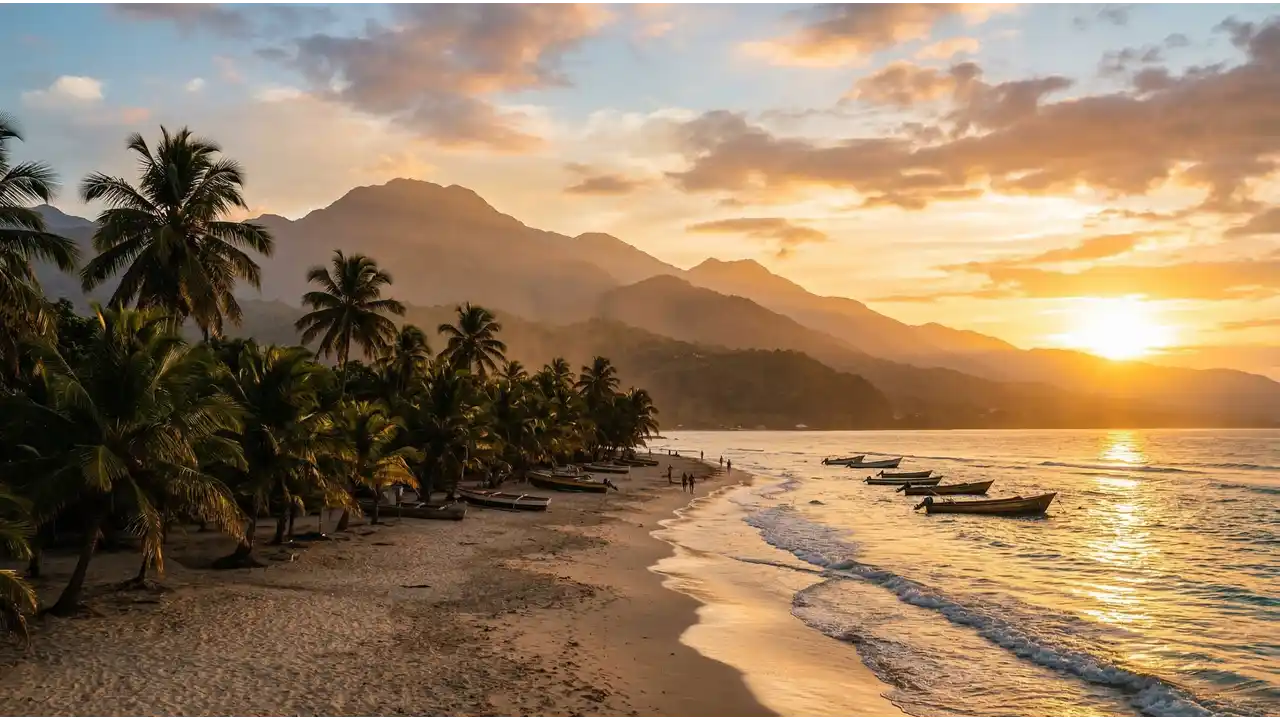
Jamaica is a Caribbean island of about 2.8 million people, with a mix of locals, returning diaspora, and expats concentrated in Kingston, Montego Bay, and smaller resort towns. Daily life centers on tight-knit communities, informal markets, and a steady rhythm shaped by tropical heat and Caribbean time. The island has significant income inequality: upscale neighborhoods cater to affluent residents and tourists, while most Jamaicans live on much tighter budgets. English is the official language. The cost of living varies sharply by neighborhood and whether you shop local or import. Infrastructure is reliable in cities but inconsistent elsewhere. Hurricane season runs June through November.
💡 Local Insights
Jamaica · 2026Jamaica's cost structure splits between local goods and imports. Housing at $787/month covers modest apartments or shared accommodations in Kingston or Montego Bay; luxury properties and beachfront rentals run far higher but are not the norm for moderate living. Groceries at $311/month are cheaper than North America if you shop at local markets and eat Jamaican staples (rice, beans, plantains, local fish), but imported goods carry heavy markups due to import duties. Transportation is inexpensive: taxis and minibuses cost $1-3 per ride, though ride-hailing apps work only in urban centers. Expats often spend more than locals on the same lifestyle due to shopping patterns and neighborhood choices. Healthcare and utilities can surprise newcomers; electricity bills run high year-round due to air conditioning and import-dependent fuel costs. Eating out ranges from $3-5 for local food to $15-30 at restaurants catering to expats.
What People Ask About Jamaica
- How much money do you need to live in Jamaica comfortably?
- Can I live in Jamaica as a US citizen?
- How can I live in Jamaica permanently?