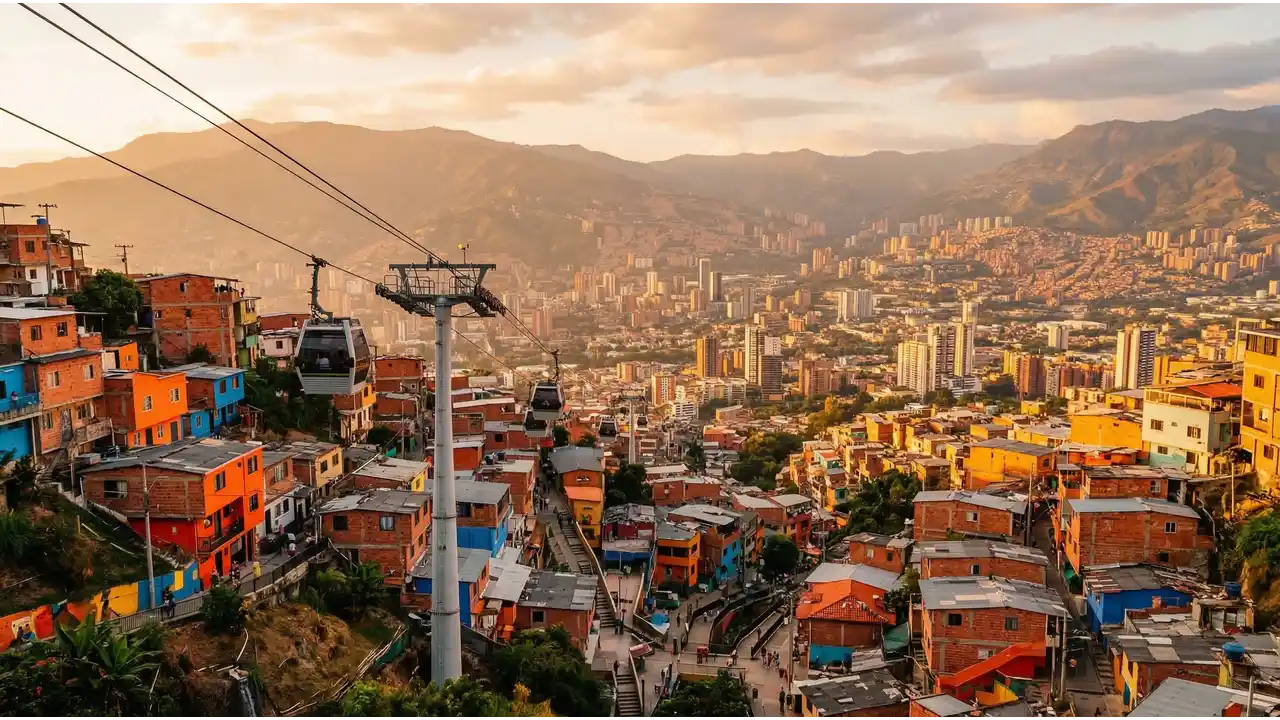
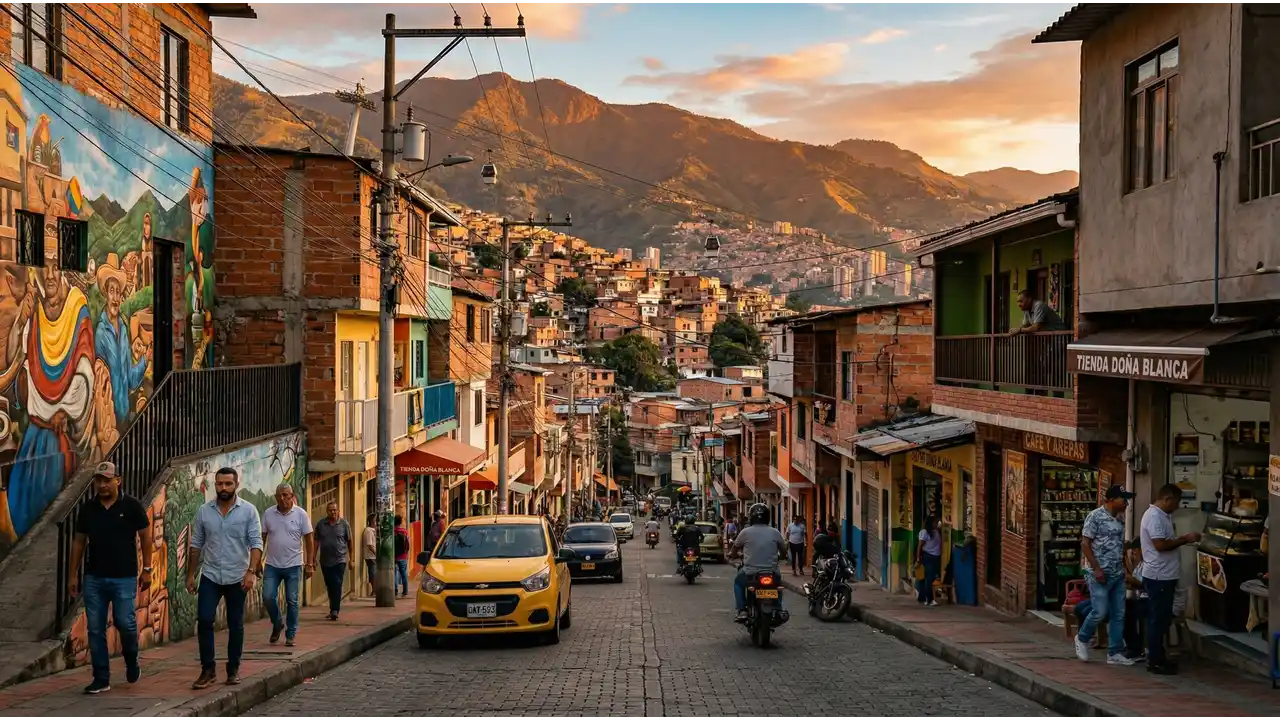
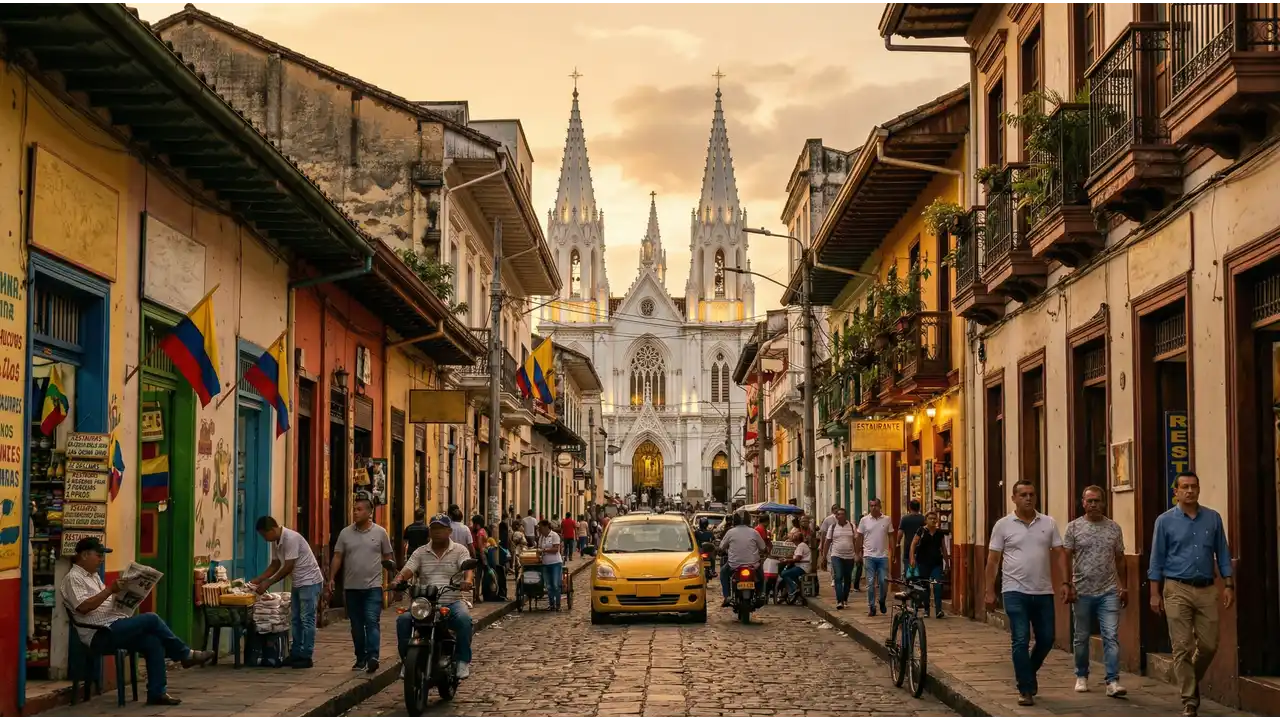
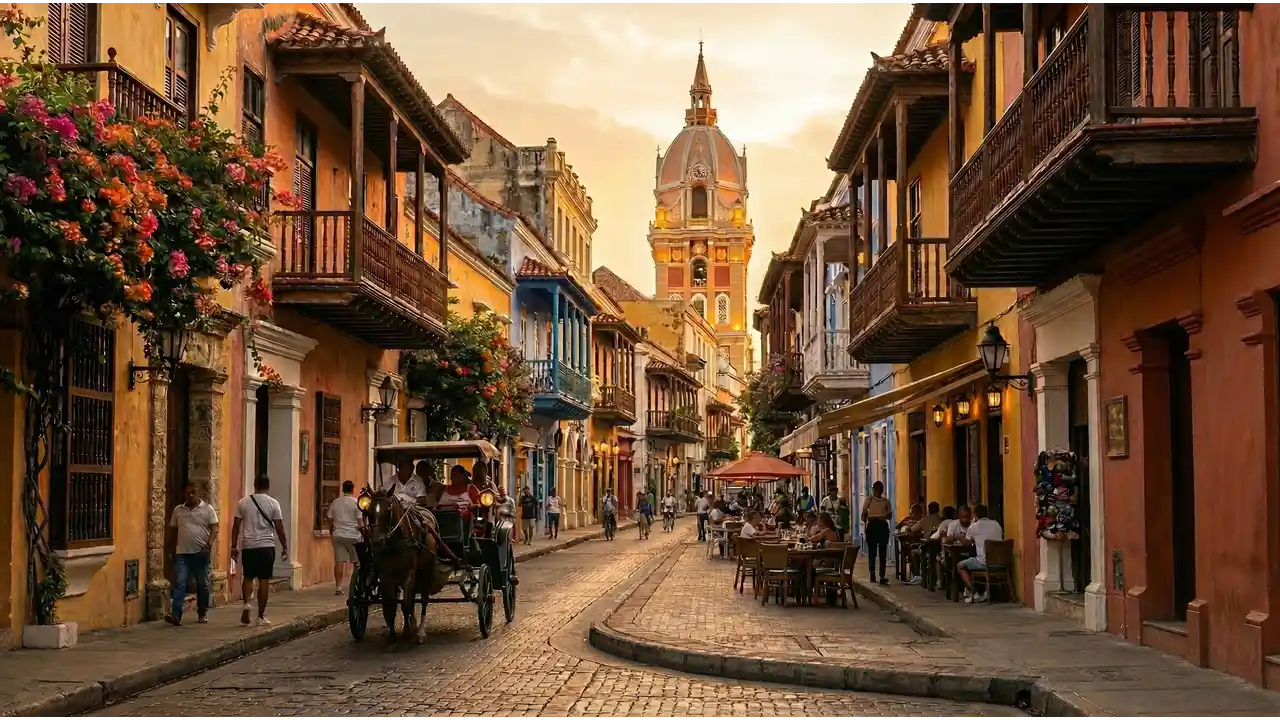
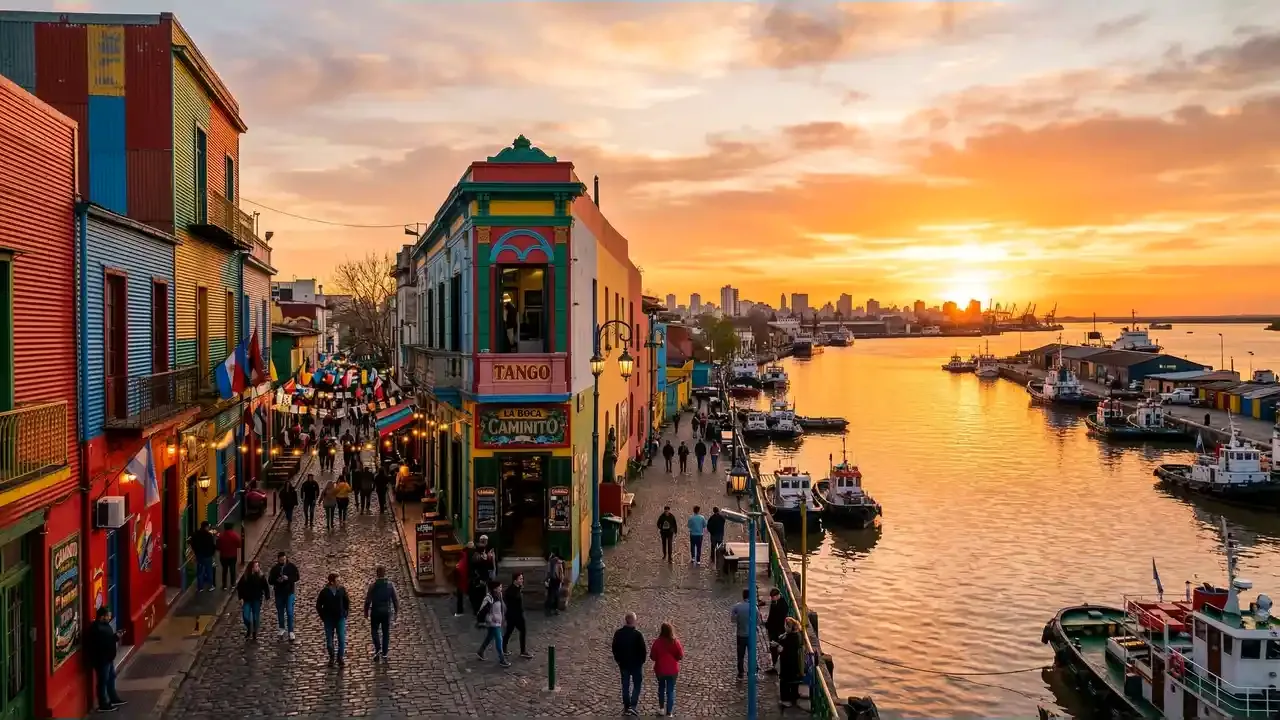
Bogotá is Colombia's capital and largest city, sitting at 2,640 meters elevation on the Altiplano Cundiboyacense. The city has 8 million people across distinct neighborhoods that range from wealthy enclaves like Usaquén and Chapinero to working-class zones and growing tech and creative hubs. Daily life centers on walking, metro transit, and neighborhood cafes. The climate is cool and consistent year-round (50-65°F), with rainy and dry seasons. Traffic congestion is common during rush hours. The city attracts Colombian professionals, international expats, and remote workers seeking lower costs than North America or Europe. Local culture mixes indigenous heritage, Spanish colonial architecture, and modern development.
💡 Local Insights
Bogotá · 2026
Bogotá's cost structure is shaped by Colombian currency volatility and a tiered rental market. Housing runs $513/month on average, with one-bedroom apartments in central neighborhoods like La Candelaria or Teusaquillo ranging $400-700, while peripheral areas drop to $300-500. Expat-facing landlords in Usaquén or Chapinero sometimes charge $800-1,200, but that is optional. Groceries cost $181/month when you shop local supermarkets and markets (Carrefour, D1, Éxito, Carullos) rather than imported goods. Fresh fruit and vegetables at neighborhood tiendas are cheapest. Eating out runs $3-8 for a local lunch, $12-20 for international restaurants. Public transit is cheap: the Metro system and buses cost under $1 per ride. Expats often underestimate how far local wages stretch here, but also face markup pricing at tourist-facing establishments. Utilities, phone service, and internet add $40-60/month. The key cost driver for expats is whether they rent through landlords used to expat tenants (high) or through local networks (closer to actual market).
Frequently Asked Questions
How much does it cost to live in Bogotá per month?
A moderate lifestyle in Bogotá costs $1,075/month. This covers rent at $513, groceries at $181, utilities and transport at roughly $80-100, dining out and entertainment at $120-150, and miscellaneous expenses. A tighter budget of $645/month is possible if you share housing, cook all meals, and use only public transit. A comfortable lifestyle with a private apartment, regular dining out, and travel runs $1,666/month. Costs vary by neighborhood and whether you shop locally or buy imported goods.
What is the average rent in Bogotá?
Average rent is $513/month. One-bedroom apartments in central neighborhoods like La Candelaria, Teusaquillo, or Mazo cost $450-650. Usaquén and Chapinero, popular with expats, typically run $600-900. Peripheral neighborhoods and shared housing arrangements drop to $300-450. Furnished short-term rentals command premiums. Landlord expectations and lease terms vary widely; many will negotiate, especially for longer stays. Deposits typically equal one month's rent. The expat rental market (Airbnb, Facebook expat groups) carries higher markups than local classified sites or property management companies.
Is Bogotá cheap to live in for expats?
Yes, by expat standards in the Americas. Rent, food, and transport cost significantly less than major US or Canadian cities, or even than Mexico City or Buenos Aires for comparable neighborhoods. However, Bogotá is not dirt cheap: expats who shop only at premium supermarkets, dine at upscale restaurants, and use taxi apps constantly can spend $2,000-2,500/month. Local Colombians live on far less. The real savings come from adopting local shopping habits, using public transit, and renting outside the expat bubble. Expect to spend roughly half what you would in Toronto or similar mid-range North American cities.
How much does food cost per month in Bogotá?
Groceries average $181/month. A kilo of chicken costs $3-4, rice and beans under $1 per kilo, fresh fruit $0.50-1.50 per kilo at markets. Milk, cheese, and bread are cheap. Local supermarkets like D1 and Carrefour are significantly cheaper than specialty stores. Eating out costs $3-5 for a set lunch (menu del día) at casual restaurants, $8-12 for better venues, $15-25 for international dining. Street food like arepas, empanadas, and bandeja paisa run $1-3. Coffee is affordable at $0.75-2. If you cook most meals and eat local, $150-180/month is realistic. Expats who eat imported foods or dine out daily spend $400-600.
What salary do you need to live comfortably in Bogotá?
A comfortable lifestyle requires $1,666/month. This supports a private one-bedroom apartment, groceries with some flexibility for imported items, regular restaurant meals, occasional travel, and entertainment. In local currency terms, that is roughly 6.7-7 million Colombian pesos monthly (exchange rates fluctuate). For expats on fixed income or remote work, this provides genuine comfort without pinching. Professionals in tech, finance, or education in Bogotá earn 3-8 million pesos locally, so comfortable expat budgets exceed typical local professional salaries. This gap explains why remote workers from North America or Europe find the city manageable.
How does the cost of living in Bogotá compare to other places?
Bogotá sits in the middle of the Latin American cost spectrum. A moderate lifestyle here runs $1,075 per month, with housing at $513 per month. That puts it slightly above Cartagena, where a moderate lifestyle costs $1,025 monthly and housing runs $492. If you're comparing to cheaper options in the region, Fortaleza costs considerably less at $850 per month overall, though housing there is only $287. Move to a larger Mexican city like Guadalajara, and you'll pay significantly more: $1,500 monthly for a moderate lifestyle, with housing alone at $783. Bogotá's real advantage is what your money actually buys. The city offers solid restaurants, public transit, and cultural amenities at prices well below North American equivalents, making it a reasonable choice for long-term residents on a modest budget.
Yes, but with real trade-offs. This budget requires shared housing ($250-350/month), cooking nearly all meals with local groceries ($150-180), minimal restaurant dining, heavy reliance on public transit ($20-30/month), and no regular entertainment spending. You cut out expat amenities like frequent international restaurants, gym memberships, weekend travel, and shopping for non-essentials. This is a tight student or backpacker budget, sustainable short-term but grinding long-term. Local Colombian professionals live on this; expats doing so typically feel the constraints after 2-3 months. It works best if you have free accommodation, earn in USD or EUR, or are in a sabbatical phase.