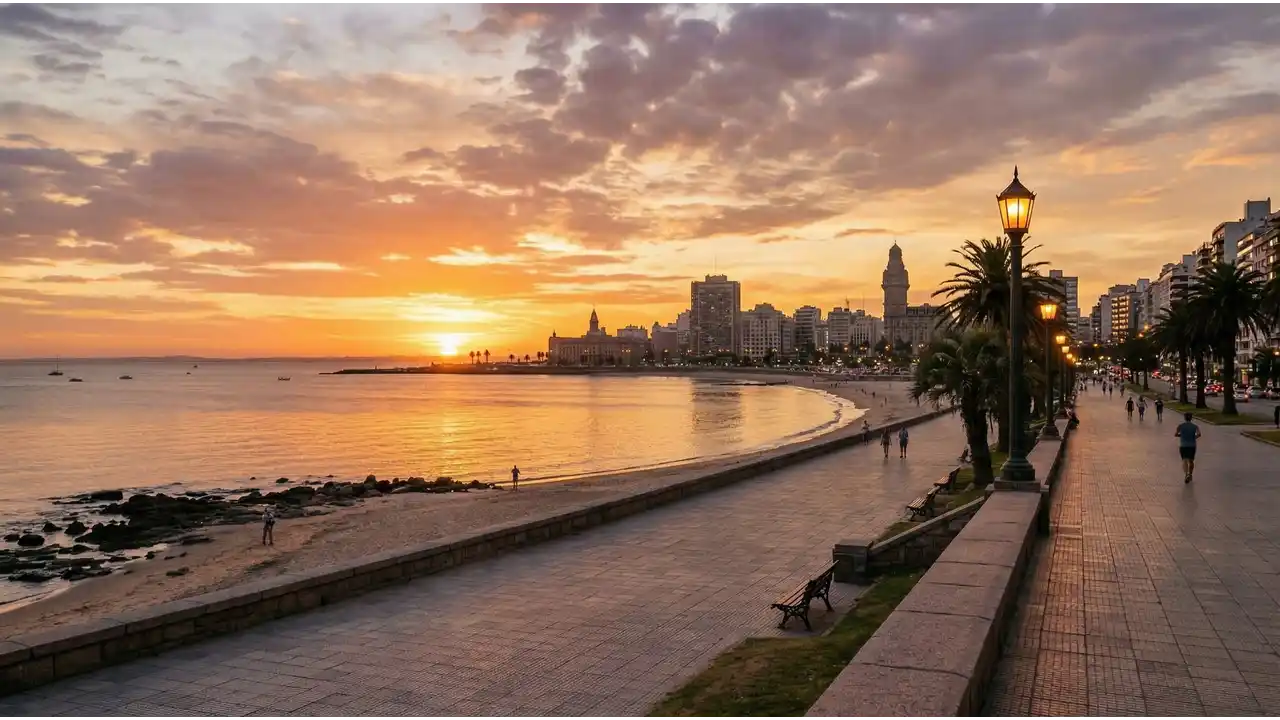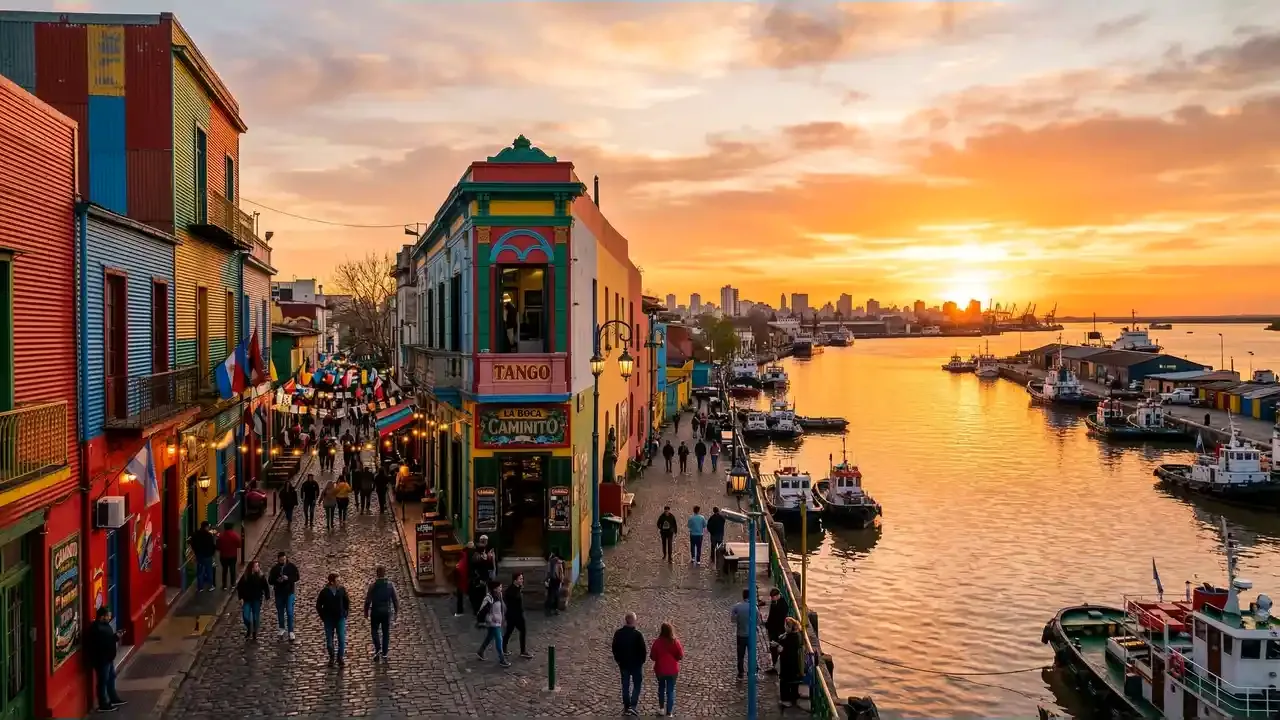
Brazil is South America's largest country, spanning tropical rainforest, Atlantic coastline, and urban centers. Most of the 215 million residents live in cities, with Portuguese as the official language. Daily life centers on neighborhood social culture, outdoor activity when weather permits, and family-oriented routines. The climate is tropical and subtropical, hot year-round in most regions. Expats cluster in São Paulo, Rio de Janeiro, and Brasília, though smaller cities like Curitiba and Salvador offer lower costs and less tourist infrastructure. Public transportation relies on buses and metro systems in major cities; car ownership is expensive due to import taxes and fuel costs.
💡 Local Insights
Brazil · 2026
Brazil's cost of living splits sharply between major metros and secondary cities. São Paulo and Rio de Janeiro push toward $1,200 to $1,500 per month for a moderate lifestyle, while smaller cities like Curitiba, Porto Alegre, and interior Minas Gerais run $700 to $900. Rent absorbs 25 to 40 percent of budgets depending on location and apartment type. A one-bedroom apartment in a middle-class neighborhood (not center, not periphery) costs $400 to $700 in São Paulo, $300 to $500 in secondary cities. Supermarket groceries are reasonable for local staples (rice, beans, produce), but imported foods carry heavy tax markups. Eating at casual local restaurants costs $4 to $8 per meal; dining out regularly adds up fast. Public transport is cheap (bus rides around $1.50), but internet, phone, and utilities vary by provider and region. Expats often pay premium rent for furnished or 'gringo-friendly' units. Currency fluctuation against the real matters; a weak real makes dollar-based savings stretch further.
Frequently Asked Questions
How much does it cost to live in Brazil per month?
A moderate lifestyle costs around $975 per month. This breaks down roughly as: rent $400 to $500, groceries and eating out $250 to $350, transport $50 to $100, utilities and internet $80 to $120, and leisure and incidentals $150 to $200. Budget travelers manage on $585 per month by sharing housing, cooking at home, and using public transport. Comfortable expat living, including dining out regularly and private transit, costs around $1,511 per month. Actual costs depend heavily on which city you choose and whether you're paying expat-premium rent.
What is the average rent in Brazil?
Rent ranges dramatically by city and neighborhood. In São Paulo, a one-bedroom apartment in a middle-class area (Pinheiros, Vila Madalena, Consolação) runs $450 to $700 per month; center locations cost $600 to $1,000. Rio de Janeiro's Zona Sul (Copacabana, Ipanema) commands $600 to $1,200; inland neighborhoods like Santa Teresa cost less. Secondary cities offer better value: Curitiba, $250 to $450; Salvador, $200 to $400; Porto Alegre, $300 to $500. Furnished rentals for short-term stays cost 20 to 40 percent more. Expat real estate agents often list properties at premium prices; using local property sites (OLX, Imóvel Web) typically offers better rates.
Is Brazil cheap to live in for expats?
Brazil is moderately priced for expats, cheaper than the United States or Western Europe but more expensive than Mexico or Colombia if you avoid expat-focused neighborhoods. The real value depends on your choices. Living like a local (public transport, local restaurants, non-center neighborhoods) makes Brazil affordable. Choosing expat-bubble areas, importing habits (cars, foreign goods, English-language services), and dining out frequently inflates costs sharply. A disciplined expat in a secondary city can live well on $1,000 to $1,200 per month. In São Paulo or Rio, expect to spend $1,500 to $2,000 unless you're deliberate about costs. Currency swings matter; when the real weakens against the dollar, dollar-earners benefit significantly.
How much does food cost per month in Brazil?
Groceries cost $200 to $300 monthly for one person cooking at home. A kilogram of chicken breast runs $6 to $8; rice and beans (staples) cost $1 to $2 per kilogram; local produce is affordable seasonally. Supermarket prices vary (Carrefour, Pão de Açúcar are pricier; smaller chains like Zona Cerealista are cheaper). Eating out at casual neighborhood restaurants (lanchonetes, self-service per kilo) costs $4 to $8 per meal. Coffee and snacks are cheap ($0.50 to $2). Imported foods carry heavy tariffs; buying European or North American brands doubles or triples cost. If you eat out regularly (lunch and dinner), food expenses jump to $400 to $500 monthly. Local markets (feiras) offer the cheapest produce but require Portuguese and early arrival.
What salary do you need to live comfortably in Brazil?
A comfortable lifestyle costs around $1,511 per month. This supports dining out a few times weekly, occasional travel within Brazil, entertainment, and a pleasant neighborhood apartment. Translated to annual income, budget roughly $18,000 per year for comfortable living outside São Paulo and Rio; add 30 to 40 percent more for those cities. If you're supporting dependents or own a car, add another $300 to $500 monthly. Remote workers earning in USD or EUR have significant advantage due to currency rates. Local salaries in professional jobs (engineering, finance, education) range $1,500 to $3,500 monthly after tax, making cost of living aligned to local income. Retirees and location-independent workers can live comfortably on $1,200 to $1,500 monthly outside major metros.
How does the cost of living in Brazil compare to other places?
Brazil costs less than the United States (moderate US lifestyle $2,100 to $2,500 monthly depending on region). Food and rent are cheaper; utilities similar; transport much cheaper. Compared to Mexico, Brazil is 10 to 20 percent more expensive, particularly for rent in comparable cities. Colombia is cheaper overall by 15 to 25 percent, especially outside Bogotá. Argentina offers similar costs but with currency and inflation volatility. Southeast Asia (Thailand, Vietnam) is cheaper by 20 to 30 percent for budget travelers. Western Europe costs 40 to 60 percent more. Brazil's advantage is it's developed enough for reliable infrastructure and services yet cheaper than North America or Europe for daily living.
Can you live in Brazil on $585/month?
Yes, but with constraints. The budget tier of $585 monthly supports housing in secondary cities or periphery neighborhoods ($200 to $300 rent), groceries and minimal eating out ($200 to $250), transport ($30 to $50), and utilities ($80 to $120). This requires sharing housing, cooking almost every meal, using only public transport, and minimal entertainment spending. You'd exclude: regular restaurant meals, car ownership, travel, gym memberships, and imported goods. It works in cities like Curitiba, João Pessoa, or interior areas, harder in São Paulo or Rio. Digital nomads on tight budgets do this routinely by finding shared housing or housesitting. The lifestyle is modest but feasible if you're disciplined and comfortable with local culture rather than expat infrastructure.
💰 What's Your Budget?
Enter your monthly budget and see what lifestyle you can afford in Brazil.