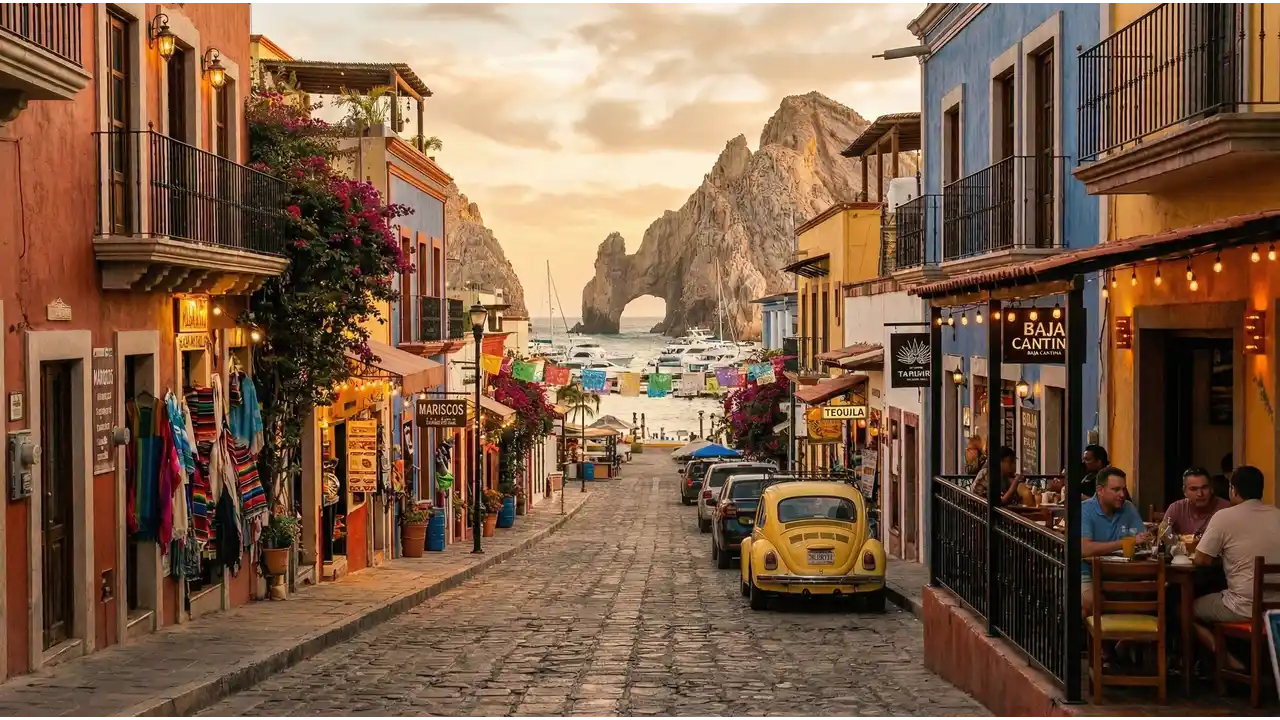
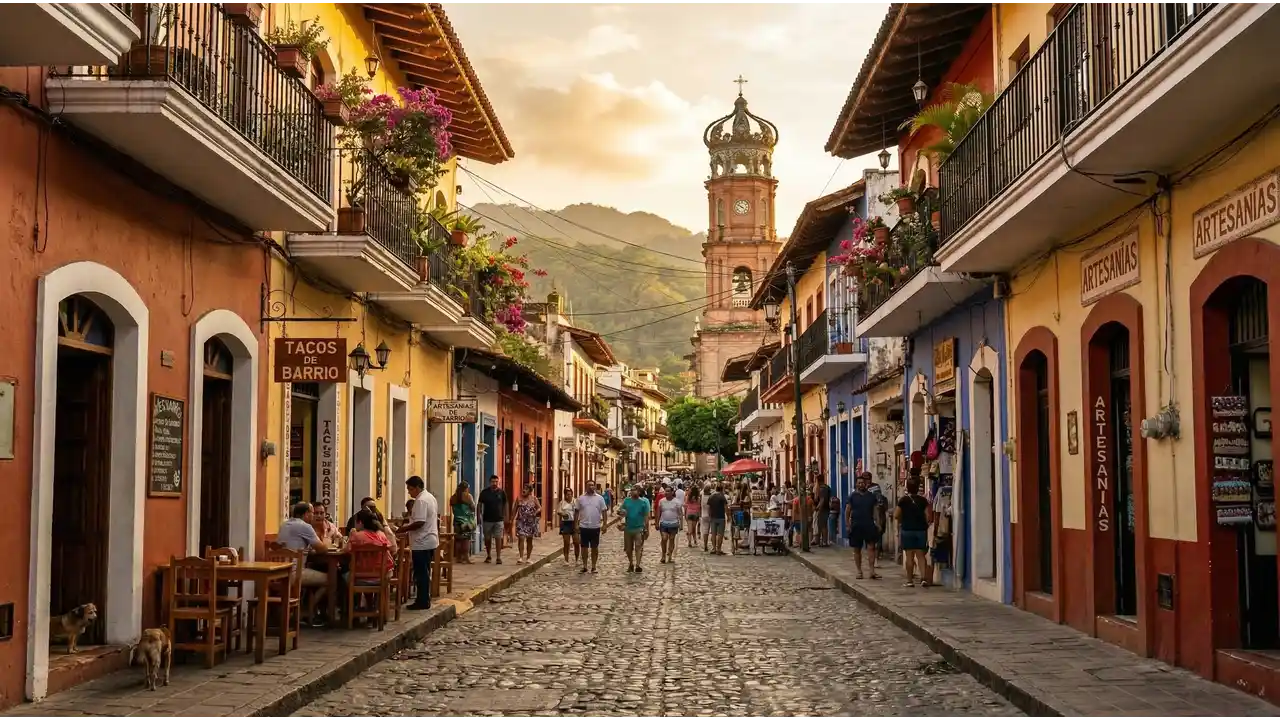
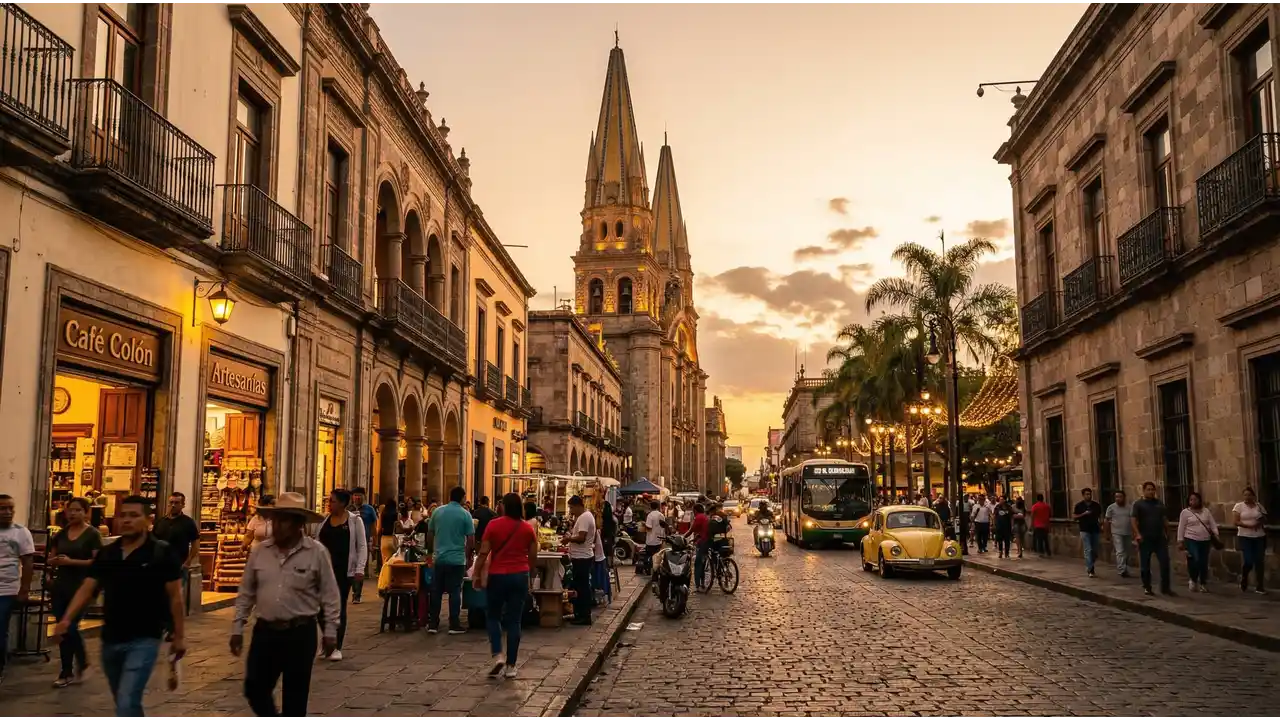
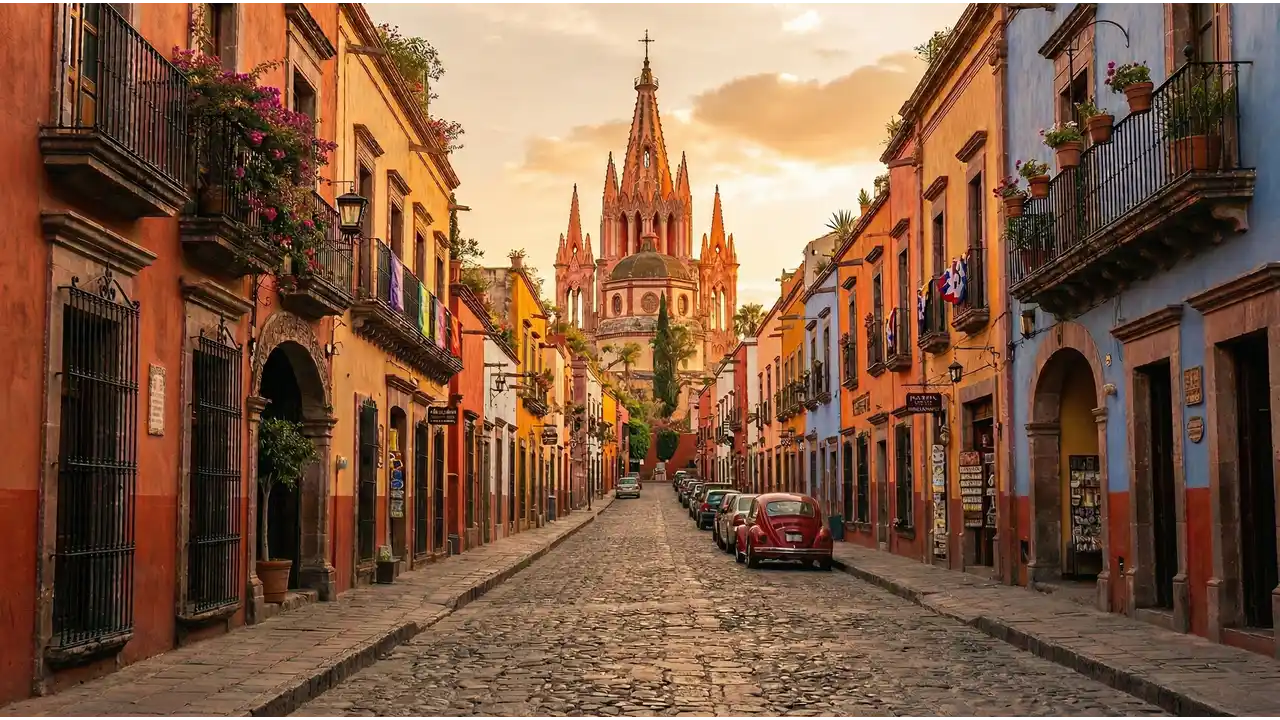
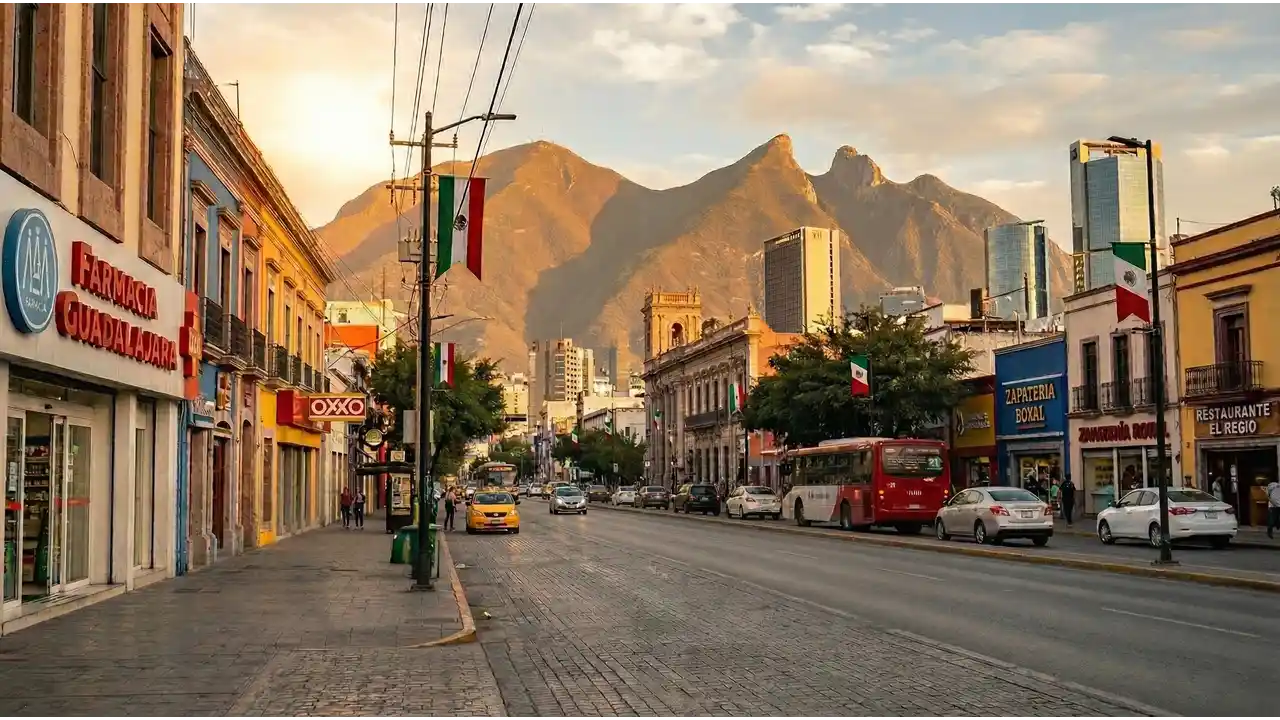
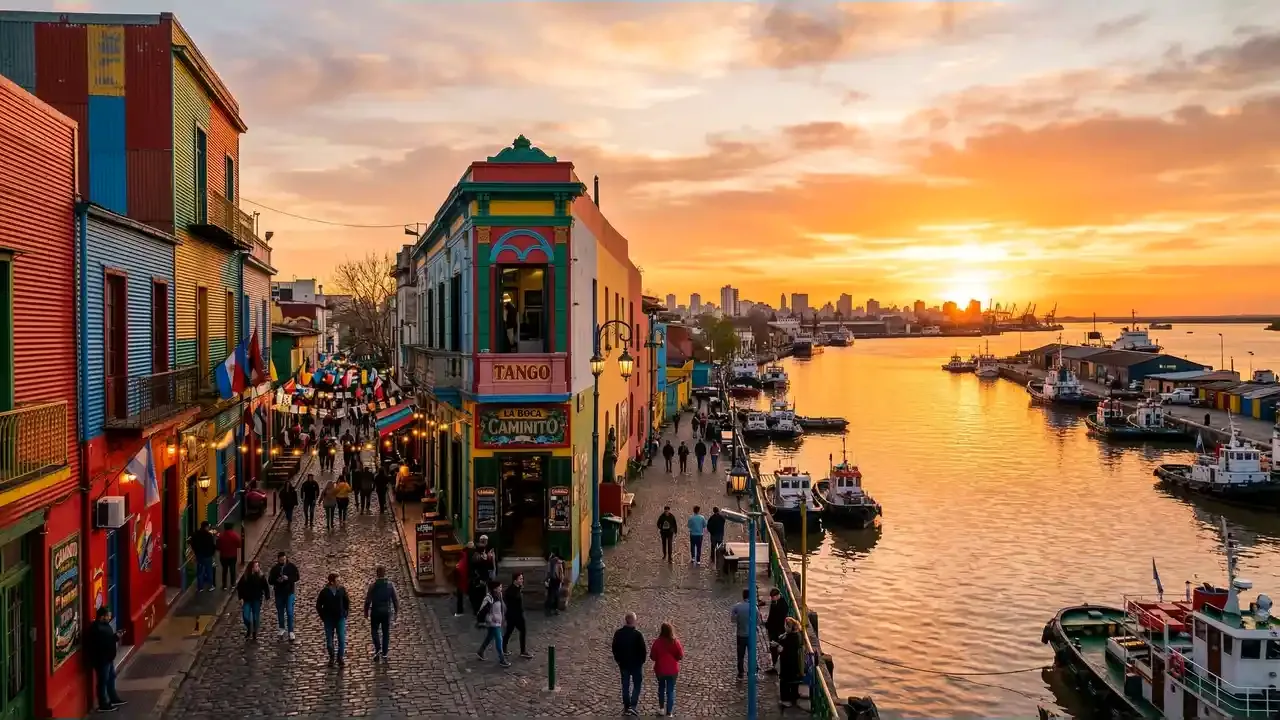
Cabo San Lucas sits at the southern tip of the Baja California Peninsula, where the Pacific Ocean meets the Sea of Cortez. It functions as a resort town with a permanent population of about 250,000, split between wealthy expats, Mexican families, and service workers supporting the tourism industry. Daily life centers on beaches, marina activities, and the downtown marina district. Summers are extremely hot and humid (regularly 95-105°F); winters mild (70-80°F). Most expats and remote workers cluster in Marina neighborhoods or gated communities in the hills. Shopping, dining, and recreation heavily favor the waterfront and planned developments rather than traditional Mexican street life found inland.
💡 Local Insights
Cabo San Lucas · 2026
Cabo's costs reflect its resort economy and geographic isolation. Housing at $949 per month typically means a one-bedroom apartment in Marina or downtown, or a modest villa rental outside tourist zones. Beachfront and luxury properties cost significantly more; rentals away from tourist corridors cost less. Food at $283 monthly covers groceries from local markets and supermarkets (Soriana, Walmart), though imported goods and restaurant dining inflate costs quickly. Eating out ranges from $8-15 for casual Mexican food to $25-60 per person at tourist-area restaurants. Transportation is manageable: taxis within town run $5-10, Uber operates reliably, and many expats own vehicles. Fuel is cheaper than the US. Utilities (electricity, water, internet) run $80-150 monthly and spike in summer with air conditioning. Healthcare costs are reasonable for private clinics. Local prices often undercut expat-zone pricing by 30-50% if you shop where Mexicans do. The main cost driver is whether you live tourist-facing or integrated into Mexican neighborhoods.
Frequently Asked Questions
How much does it cost to live in Cabo San Lucas per month?
A moderate lifestyle in Cabo San Lucas costs $1,825 per month. That breaks down to approximately $949 for housing (one-bedroom apartment or modest rental), $283 for groceries, and the remainder for utilities, transport, dining out, and entertainment. A budget approach ($1,095/month) cuts housing and discretionary spending significantly. A comfortable lifestyle ($2,829/month) includes larger housing, frequent dining out, and travel flexibility. Actual costs vary by neighborhood and whether you shop in tourist zones or local markets.
What is the average rent in Cabo San Lucas?
Average rent in Cabo San Lucas is approximately $949 per month for a one-bedroom apartment. In Marina neighborhoods near the marina and main tourist areas, expect $900-1,200 for a furnished one-bedroom. Unfurnished units in downtown or nearby residential areas run $700-950. Two-bedroom apartments typically range $1,100-1,600. Outside the tourist center, in quieter Mexican neighborhoods or inland developments, prices drop to $600-850 for comparable units. Villas and beachfront properties command substantial premiums. Longer leases (6-12 months) often negotiate lower rates than short-term tourist rentals.
Is Cabo San Lucas cheap to live in for expats?
Cabo is moderately priced compared to major US cities but expensive relative to other Mexican locations. Monthly costs of $1,825 put it below expensive US metros but above colonial Mexico cities like San Miguel de Allende or Puerto Vallarta. The resort economy inflates costs for dining, entertainment, and beachfront housing. However, local neighborhoods and grocery shopping offer genuine savings. Expats with remote income ($2,500-4,000/month) live comfortably; those on tight budgets find Cabo challenging. The real cost advantage disappears if you frequent expat restaurants and bars regularly.
How much does food cost per month in Cabo San Lucas?
Monthly grocery costs average $283. Local markets sell vegetables, chicken, and fish at reasonable prices; imported packaged goods and international brands cost more. A week's groceries from Soriana or Walmart (chicken $4-6/lb, avocados $0.50 each, eggs $2/dozen, bread $1-1.50/loaf) runs $50-70 for one person. Eating out ranges from $8-12 for tacos and comida corrida (set lunch) to $15-25 for casual restaurants to $30-60+ at marina-area establishments. Coffee is $2-4, beer $3-6 at bars. Cooking at home saves 60-70% versus eating out regularly.
What salary do you need to live comfortably in Cabo San Lucas?
A comfortable lifestyle costs $2,829 per month. For stable, stress-free living that includes a nice apartment, regular dining out, activities, and travel buffer, plan for $2,800-3,500 monthly income. In USD terms (adjusted for a 1.17-1.20 peso exchange rate), that translates to roughly $3,300-4,100 gross monthly income if you're earning in pesos, or direct USD income of $2,800+. Remote workers and retirees with $3,000/month USD have solid comfort. Those earning less can live on $1,825/month but sacrifice flexibility and discretionary activities.
How does the cost of living in Cabo San Lucas compare to other places?
Cabo San Lucas runs $1,825 per month for a moderate lifestyle, with housing at $949 per month. That puts it slightly above Monterrey, which costs $1,750 per month overall and $906 for housing, making the two Mexican cities close peers in expense. You'll find Rosario considerably cheaper at $1,250 per month, with housing there at $496 per month. If you're coming from Canada, Surrey, British Columbia runs $2,575 per month, so Cabo San Lucas would feel like a significant savings. The main cost difference comes down to housing and dining. Cabo's tourist infrastructure drives up restaurant prices and short-term rental availability, though long-term rentals can be reasonable. Monterrey offers similar costs with less tourist markup. Rosario is genuinely budget-friendly if you're flexible on location. Your actual spend will depend heavily on whether you eat tourist-oriented or local, and how far from the waterfront you're willing to live.
Yes, but with significant constraints. The budget tier of $1,095/month requires finding housing around $500-600 in non-tourist neighborhoods, keeping groceries strict ($200-250/month), and eliminating discretionary spending (dining out, entertainment, travel). You'd live in a small unfurnished one-bedroom inland or in Mexican residential areas, cook almost all meals, use public transport, and avoid tourist zones. Healthcare and unexpected costs become risks. It's feasible for long-term residents who speak Spanish, integrate locally, and prioritize stability over comfort or social activities. Not realistic for short-term visitors or those unfamiliar with local logistics.