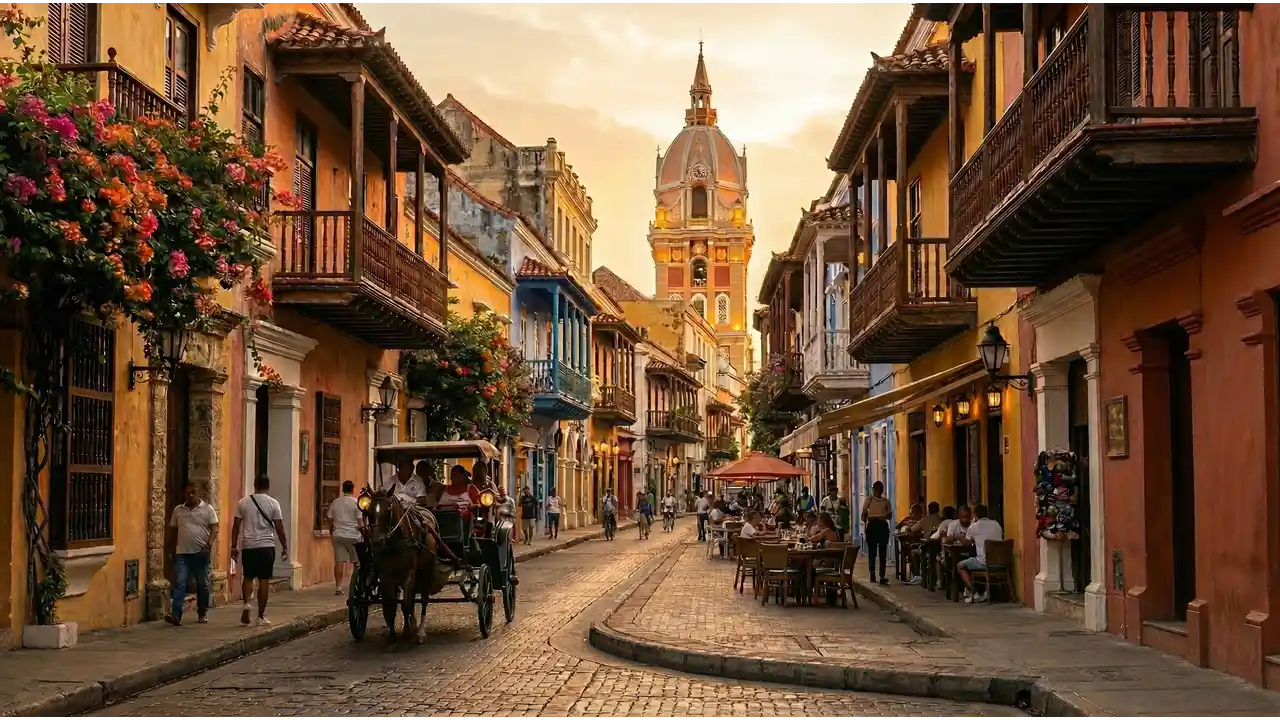
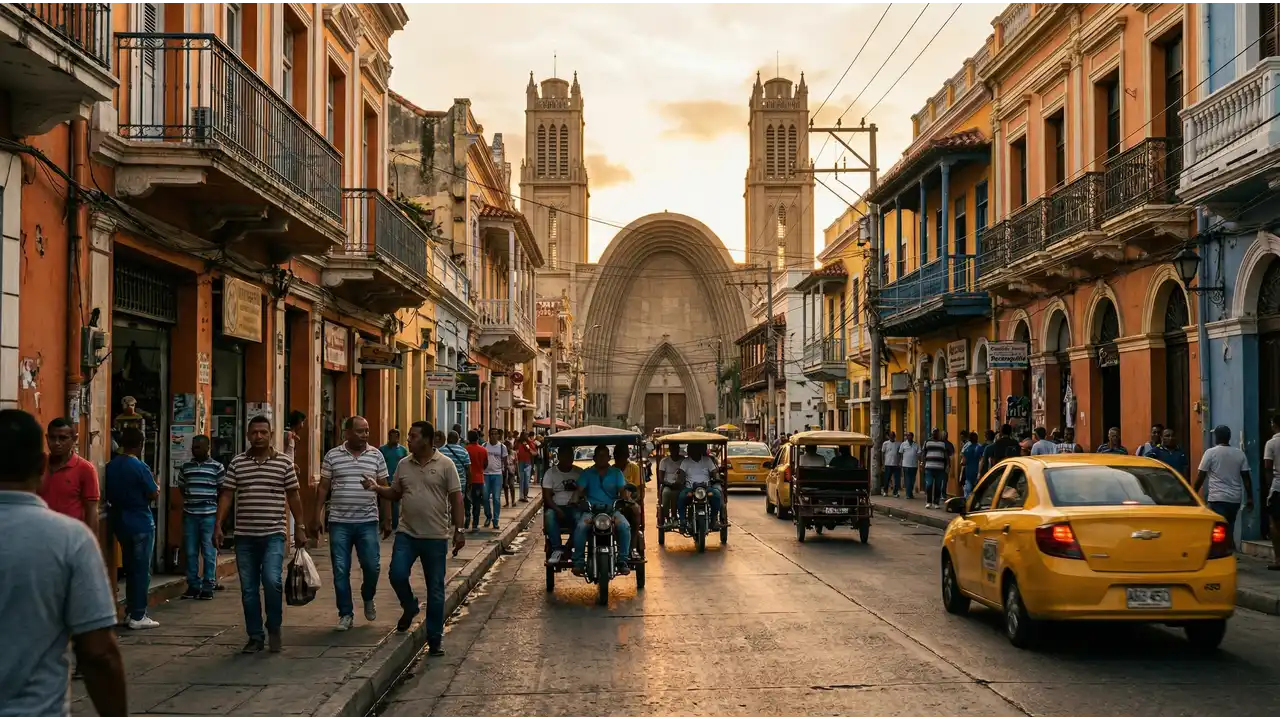
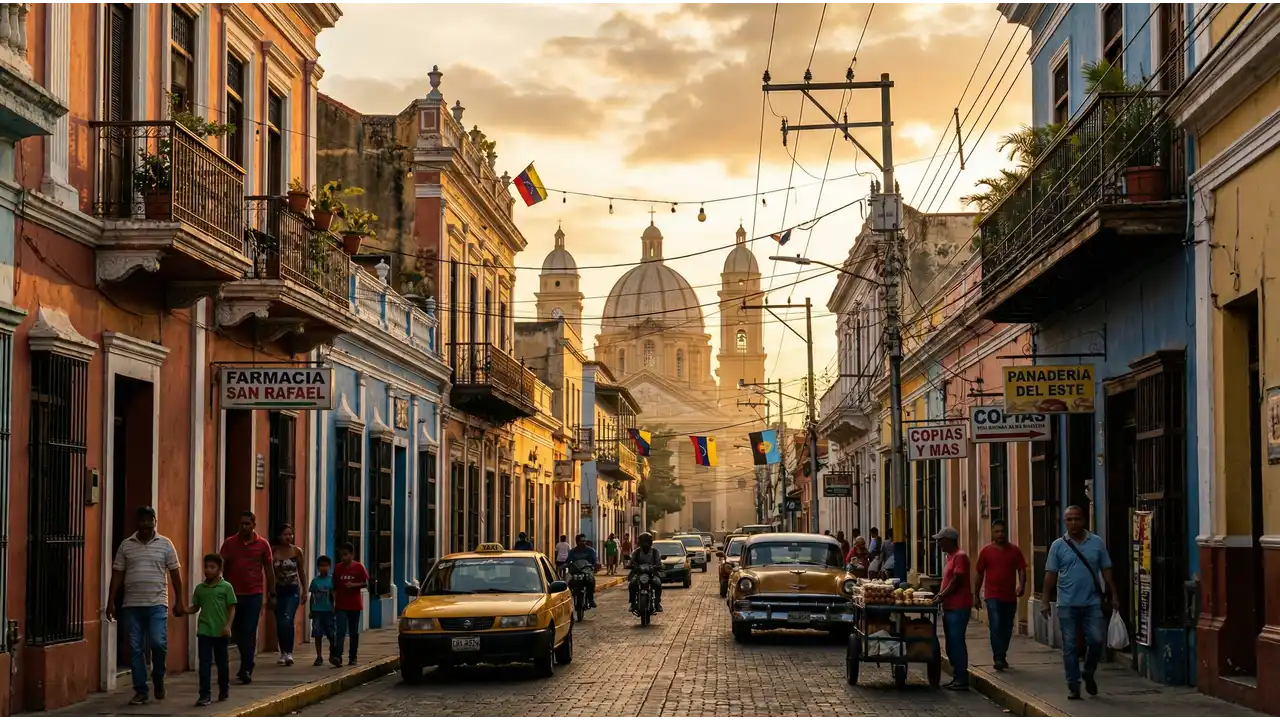
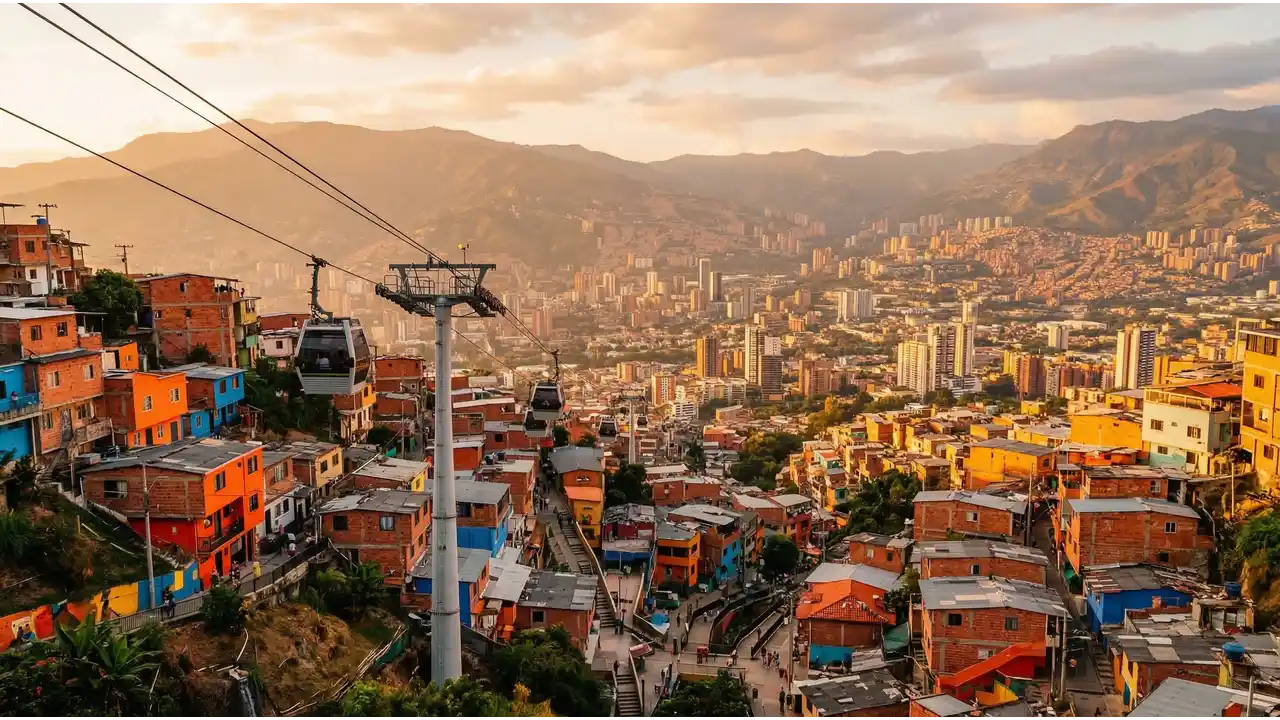
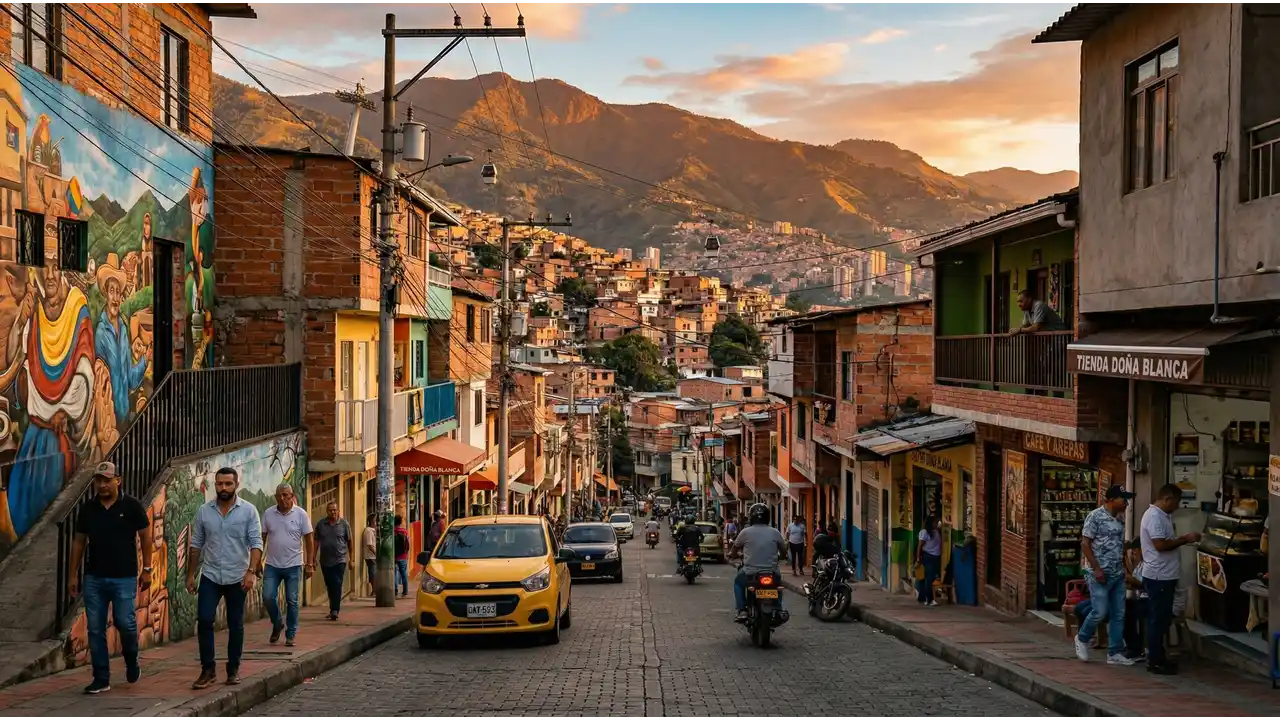
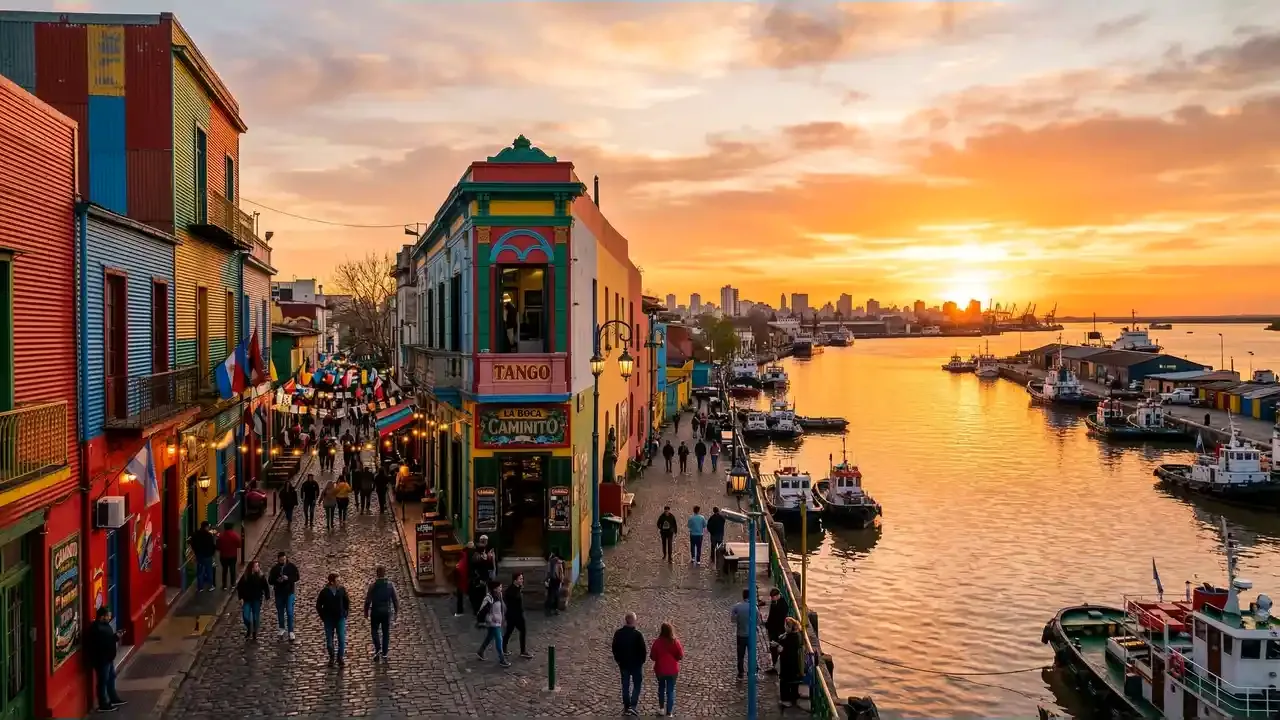
Cartagena is a walled colonial city on Colombia's Caribbean coast with roughly 130,000 residents in the old town and surrounding neighborhoods. Daily life centers on navigating tight cobblestone streets, Caribbean heat and humidity, and a calendar split between tourist season (December to March) and rainy months. Local residents speak Spanish, work in tourism, commerce, or services, and rely heavily on motorcycles and public buses. The pace is slow compared to Bogotá or Medellín. You'll see a mix of wealthy Colombians, foreign expats (many retired or location-independent), and working-class locals. Internet is decent but inconsistent. Power outages are rare but happen.
💡 Local Insights
Cartagena · 2026
Cartagena's costs remain moderate by global standards because it is a Colombian city where most services and goods are priced locally. Housing typically runs $492/month for a modest one-bedroom apartment in neighborhoods like Getsemaní or El Cabrero, away from the walled city tourist center. The walled city (Ciudad Amurallada) charges 3 to 4 times that for comparable space. Groceries at local supermarkets or markets cost roughly $172/month if you cook at home and avoid imported goods. Eating out at casual restaurants runs $5 to $8 per meal. Expats often spend more by choosing tourist restaurants, larger apartments, and imported foods, which can push costs to $1,589/month or higher. Transportation is cheap (buses cost under $1 per ride; motorcycles are ubiquitous). Mobile internet and utilities add $40 to $60/month. The key cost driver for expats is housing choice. Living outside the tourist zones saves money substantially but requires Spanish and comfort with local life.
Frequently Asked Questions
How much does it cost to live in Cartagena per month?
A moderate lifestyle costs around $1,025/month. This breaks down as housing ($492/month), groceries ($172/month), transport ($30 to $50/month), utilities and internet ($50/month), and dining out and entertainment ($200 to $300/month). A tighter budget of $615/month is possible by minimizing restaurant meals and choosing modest housing. A comfortable lifestyle with more dining out, larger accommodation, and frequent travel runs closer to $1,589/month. These figures assume you speak enough Spanish to negotiate local pricing and avoid tourist-oriented establishments.
What is the average rent in Cartagena?
Average rent is approximately $492/month for a one-bedroom apartment in local neighborhoods like Getsemaní, El Cabrero, or Manga. Expect $350 to $600/month for unfurnished units in these areas. The walled old city (Ciudad Amurallada) costs significantly more, often $1,200 to $2,000/month for equivalent space, because it caters to tourists and wealthy visitors. Furnished rentals in the center run $800 to $1,500/month. Outside these zones, smaller studios rent for $250 to $400/month. Most expat rentals are found on Airbnb, Facebook groups (Cartagena Expat Facebook groups), or local real estate agents. Negotiate longer leases (3 to 6 months) for better rates.
Is Cartagena cheap to live in for expats?
Cartagena is moderately priced for expats compared to North America or Western Europe, but not exceptionally cheap compared to other Colombian cities like Medellín or Bogotá. At $1,025/month for a moderate lifestyle, it is cheaper than Caribbean islands or Central American tourist hubs like Belize City, but more expensive than rural Colombia or much of Central America. The catch is that many expats spend well above $1,025/month by choosing tourist-zone housing and restaurants. For someone disciplined about living locally, costs are reasonable. For those seeking expat amenities and comfort, Cartagena can become expensive quickly.
How much does food cost per month in Cartagena?
Groceries cost approximately $172/month if you shop at local supermarkets like Carrefour or D1 and Colombian markets (Plaza San Alejo on weekends). Staples include rice ($0.50/lb), beans ($1/lb), bananas ($0.30/lb), eggs ($0.15 each), local fish ($3 to $6/lb), and coconut milk ($0.50/can). Eating at casual local restaurants (comedores) costs $3 to $5 per meal. Tourist-area restaurants charge $12 to $20 for the same food. Imported foods (cheese, cereals, peanut butter) cost 2 to 3 times US prices. Cooking at home is essential to stay within the $172/month grocery budget.
What salary do you need to live comfortably in Cartagena?
A comfortable lifestyle costs around $1,589/month. This covers rent in a nice (but not luxury) apartment ($600 to $700/month), frequent dining out at mid-range restaurants, regular taxis or ride-shares, entertainment, and travel within Colombia. For a household of two, add $1,500 to $2,000/month total. Most expats working remotely aim for $2,000 to $3,000/month USD income to live comfortably and save. The Colombian minimum wage is roughly $320/month, so expats with external income have significant advantage. If you are earning in pesos or Colombian salary, $1,589/month is solidly middle-class but requires careful budgeting.
How does the cost of living in Cartagena compare to other places?
Cartagena sits in the middle of the Latin American cost-of-living spectrum. A moderate lifestyle runs $1,025 per month, with housing at $492 monthly. That puts it slightly cheaper than Bogotá, where a moderate lifestyle costs $1,075 and housing runs $513. If you're coming from Central America, Cartagena is noticeably pricier than Managua, where the same moderate lifestyle is $825 with housing at $324. However, it's substantially less expensive than Guadalajara in Mexico, where you'll spend $1,500 monthly for a moderate lifestyle and $783 on housing alone. The difference reflects Cartagena's position as a mid-sized Caribbean coastal city, more affordable than major Mexican urban centers but costlier than some Central American capitals. Your actual spending will depend on whether you favor local neighborhoods or tourist-oriented areas.
Yes, but with significant constraints. $615/month budget requires housing around $300 to $350/month (small studio or room in a shared house outside tourist areas), groceries of $150 to $160/month, minimal dining out, and careful transport use. This works if you are fluent in Spanish, comfortable with modest living standards, and avoid tourist zones entirely. You will have little cushion for medical expenses, travel, or emergencies. Most people on this budget are long-term residents or retirees with healthcare already covered. Short-term visitors and digital nomads typically find $615/month unsustainably tight. Add $100 to $200/month for real-world comfort and occasional flexibility.