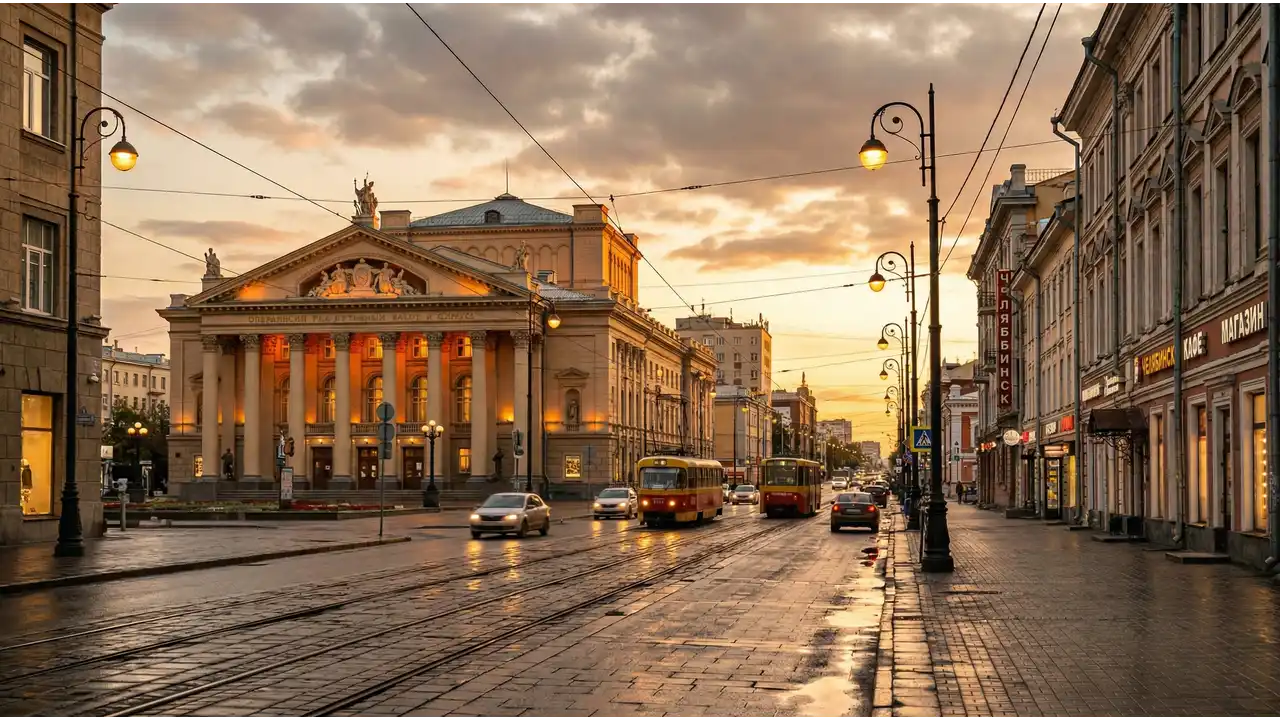
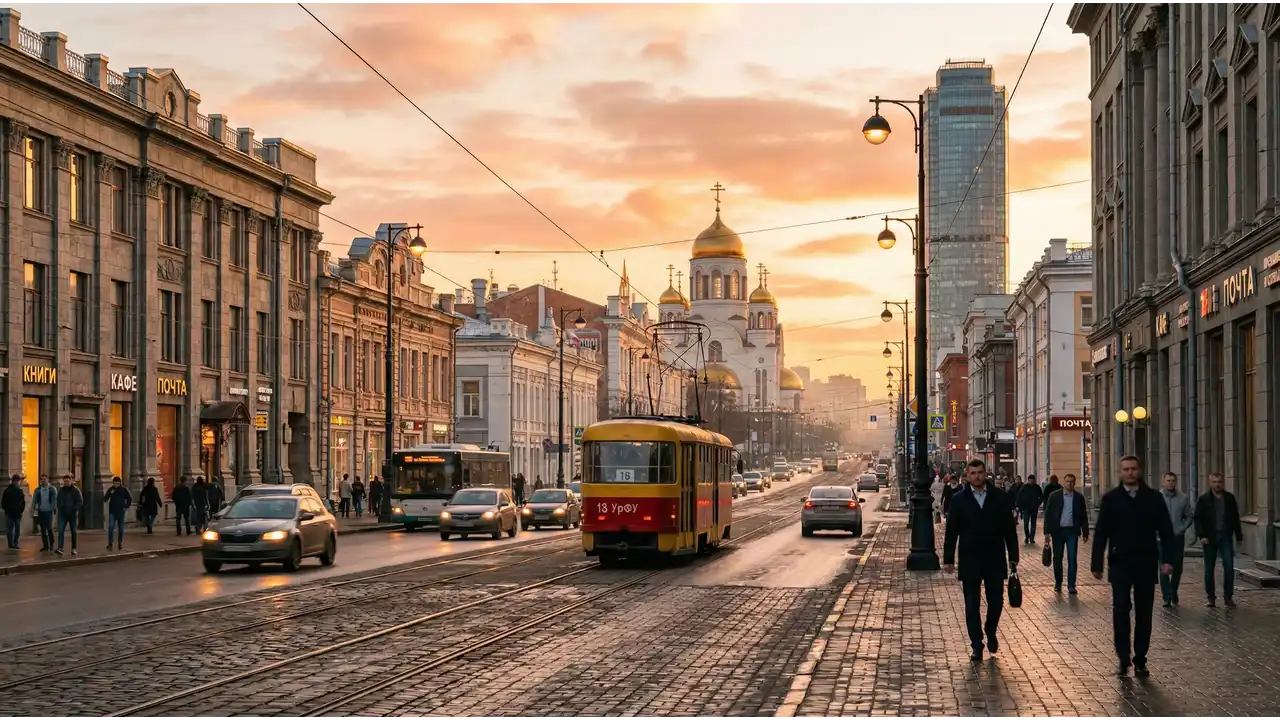
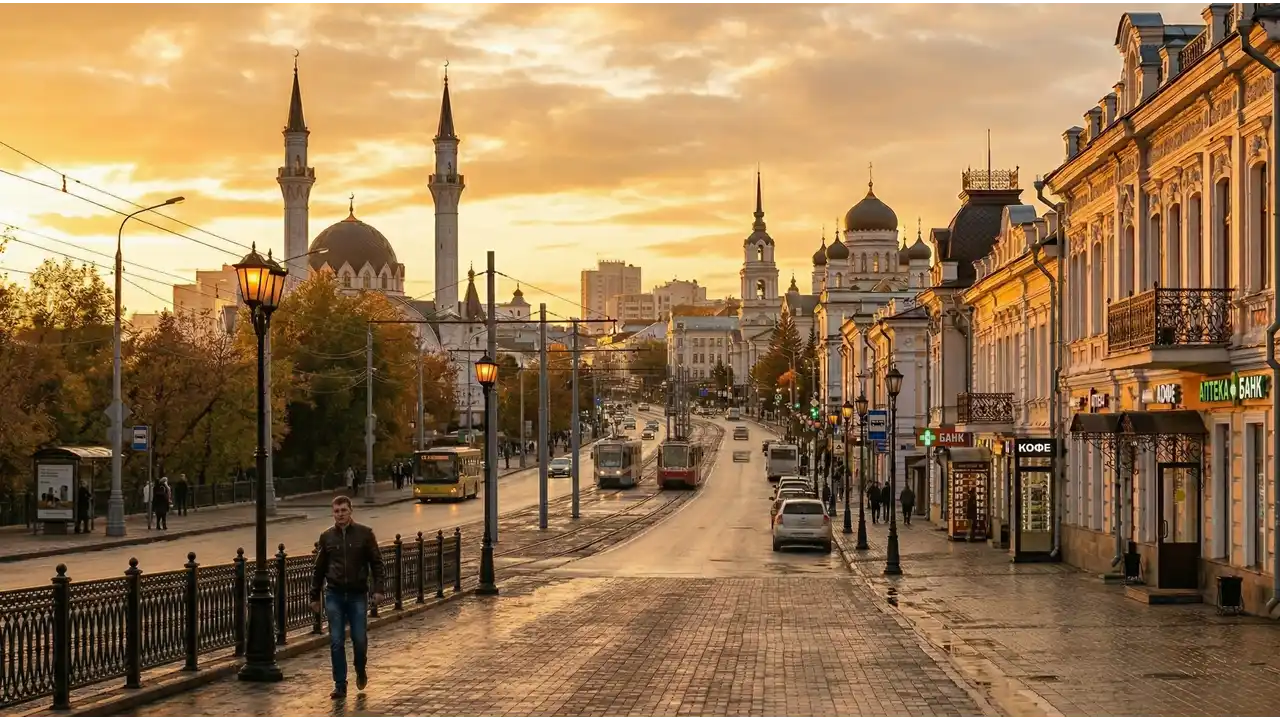
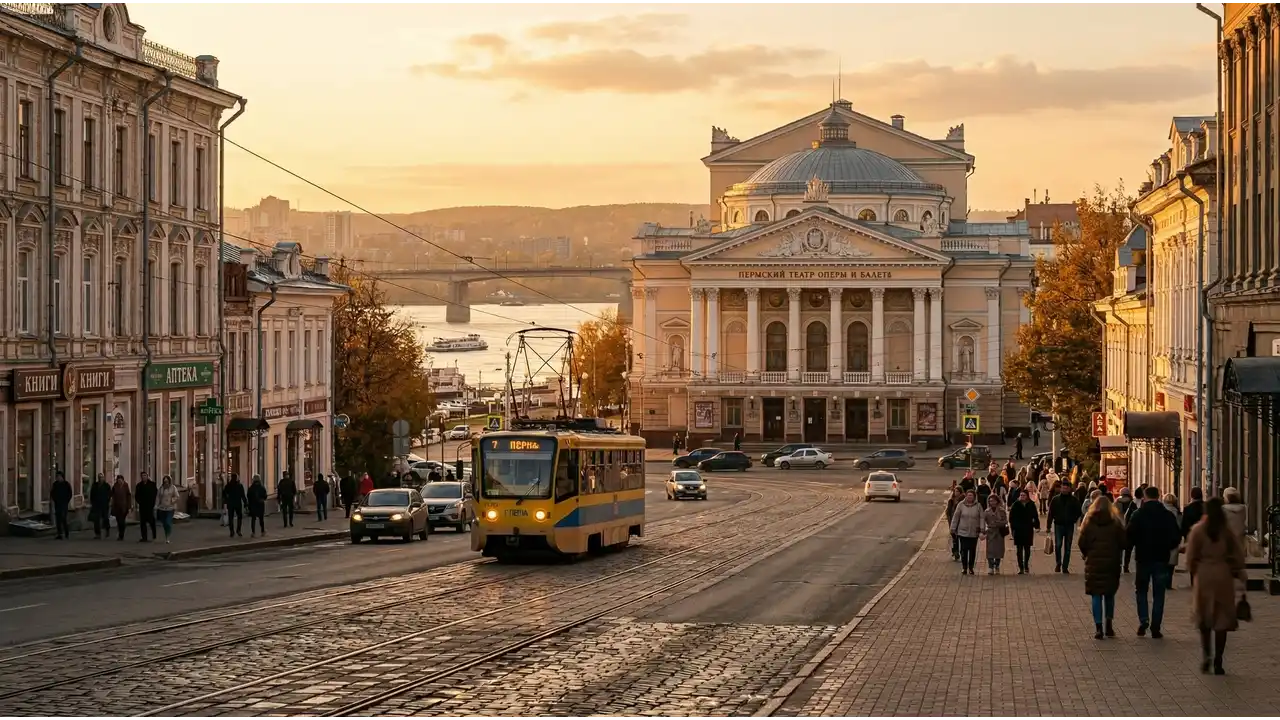
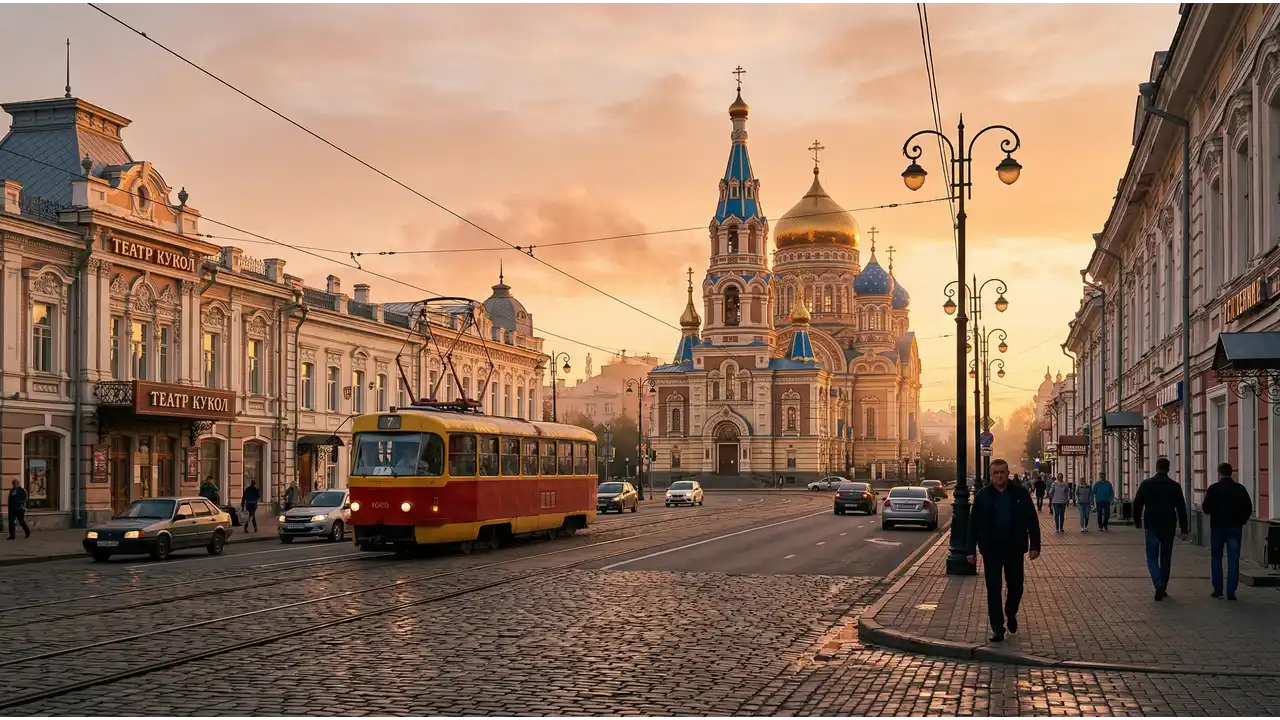
Chelyabinsk is Russia's fifth-largest city, sitting on the eastern edge of the Urals. It is primarily industrial, with steel mills and manufacturing as the economic backbone. The population is around 1.2 million. Winter dominates the calendar, lasting six months with temperatures dropping to minus 10 Celsius or lower. Daily life centers on Soviet-era apartment blocks, parks, and a straightforward public transit system. The city draws technical workers, engineers, and expats working in manufacturing or energy. It is not a tourist destination. Russian is essential. Most residents prioritize efficiency and practicality over leisure amenities.
💡 Local Insights
Chelyabinsk · 2026
Chelyabinsk costs less than Moscow or St. Petersburg, but pricing logic differs from Western cities. Housing at $390/month covers a one-bedroom apartment in a standard residential district, often in 1960s-1980s Soviet construction. Newer apartments or central locations run higher; outer suburbs lower. Grocery costs at $189/month reflect a diet heavy on bread, potatoes, dairy, and seasonal vegetables from local markets. Imported Western goods cost 40-60% more than local equivalents. Public transport (bus, tram, metro) costs under $20/month for unlimited travel. Expats often pay slightly more for housing if they demand modern amenities or English-speaking landlords. Utilities (heating, water, electricity) typically add $60-80/month. Eating out at a canteen or cafeteria runs $3-5 per meal. Salaries for skilled workers are lower than Western equivalents, which keeps local prices down. Healthcare and education are state-subsidized but quality varies.
Frequently Asked Questions
How much does it cost to live in Chelyabinsk per month?
A moderate lifestyle costs $975/month. This includes rent of $390 for a one-bedroom apartment in a standard neighborhood, groceries around $189, utilities $60-80, public transport under $20, and discretionary spending on eating out, entertainment, and personal care. A budget tier lifestyle runs $585/month, cutting back on dining out and entertainment. A comfortable lifestyle with a larger apartment, frequent dining out, and travel costs $1,511/month. Actual spending depends heavily on whether you buy imported goods and how often you eat at restaurants versus cooking at home.
What is the average rent in Chelyabinsk?
Average rent is approximately $390/month for a one-bedroom apartment in a standard residential area. A two-bedroom runs $500-650/month. Central locations or newly renovated apartments can reach $600-800/month. Outer suburbs and Soviet-era buildings drop to $300-350/month. Expats sometimes pay 10-20% more if requesting modern furnishings or English-speaking landlords. Most rental agreements are informal or registered privately. Utilities are separate from rent and typically add $60-80/month. Deposits are usually one month's rent, payable upfront.
Is Chelyabinsk cheap to live in for expats?
Yes, compared to North America or Western Europe. A moderate lifestyle at $975/month is achievable. However, Chelyabinsk is not a expat hub. You will deal with minimal English, Soviet-era infrastructure, and a harsh winter climate. The low cost reflects lower local salaries and limited consumer amenities, not expat discounts. Food and housing are genuinely inexpensive. Imported goods, international schools, and English-language services are rare and expensive. Expats typically work for companies that relocate them or earn remote income. Comfort requires accepting local conditions, not recreating a Western lifestyle.
How much does food cost per month in Chelyabinsk?
Groceries cost approximately $189/month for a single person eating at home. A week of basics (bread, milk, cheese, eggs, potatoes, cabbage, chicken) runs $35-45 from supermarkets or markets. Local markets are cheaper than supermarkets. Imported Western brands cost double or triple local equivalents. Eating out at a cafeteria or canteen costs $3-5 per meal. A restaurant meal is $8-15. Tea and coffee from street vendors cost $1-2. Alcohol is inexpensive (local beer $2-4 per bottle). Most expats spend slightly more, $220-250/month, by mixing local staples with occasional imported items.
What salary do you need to live comfortably in Chelyabinsk?
A comfortable lifestyle costs $1,511/month, suggesting a gross monthly income of $1,800-2,000 in USD terms to account for taxes and irregular expenses. In Russian rubles, this is roughly 150,000-160,000 per month (conversion rates fluctuate). Local skilled workers earn $500-1,200/month. Expats working for international companies or remotely from abroad have a significant advantage. On local Russian salaries, most people live on the $585-975 range. If you arrive with Western income or remote work, $1,511/month buys a spacious apartment, frequent dining out, travel, and imported goods.
How does the cost of living in Chelyabinsk compare to other places?
Chelyabinsk sits in the middle range for Russian cities. A moderate lifestyle costs $975 per month, with housing running $390 per month. That puts it notably cheaper than Bucharest, where a moderate lifestyle runs $1,350 and housing $578. It's also slightly more expensive than Lviv, which costs $925 monthly for the same lifestyle, though Lviv's housing edges out Chelyabinsk's at $414. If you're comparing to significantly cheaper options, Kharkiv comes in at $650 for a moderate lifestyle and $205 for housing. Your money stretches further in Chelyabinsk than in major European capitals, but expect to pay more than in smaller post-Soviet cities. For expats accustomed to Western European pricing, Chelyabinsk offers substantial savings while still providing reasonable access to services and amenities.
Yes, but with real constraints. $585/month requires a Soviet-era apartment in an outer district ($300-350/month), minimal utilities ($70/month), basic groceries ($150/month), and no eating out or entertainment. Public transport is negligible. This budget works for a single person living frugally or an expat with very low expectations. It cuts out travel, imported food, restaurants, hobbies, and anything beyond survival. Russian-speaking local workers live on this or less. For an expat, it means cultural isolation and accepting significant discomfort. It is doable, not recommended for more than a few months unless you have other income or support.