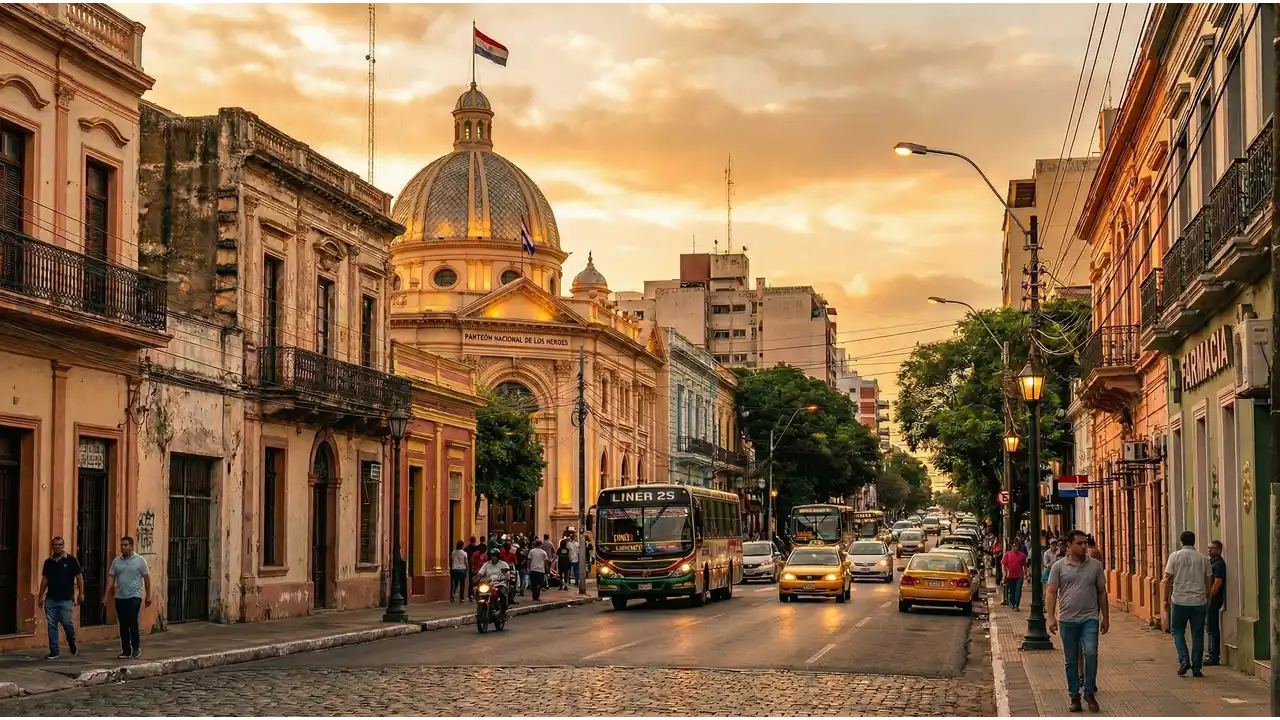
Curitiba is Brazil's third-largest city and capital of Paraná state, located in the southern region where the climate is cooler and drier than tropical Brazil. The city has a reputation for urban planning and organization, with a grid street layout and bus rapid transit system (BRT) that moves residents efficiently. The population is around 1.9 million. Daily life centers on neighborhoods like Batel and Água Verde for those with higher budgets, and Centro or Portão for those watching costs. The city draws Brazilian professionals, some expats working remotely, and retirees from other countries. Most residents speak Portuguese only. Winter (June-August) brings temperatures around 10-15°C; summers are mild, not tropical.
💡 Local Insights
Curitiba · 2026
Curitiba costs significantly less than São Paulo or Rio de Janeiro, making it accessible on modest budgets. Housing averages $377/month and drives most cost variation. Shared apartments in Centro or Portão run $250-350/month; one-bedroom apartments in safer neighborhoods like Batel or Água Verde reach $400-500/month. Expats and higher-income locals pay premiums for furnished units or prime locations. Groceries average $177/month and stretch further than in wealthier southern cities. The BRT system, one of the world's most efficient, costs less than $1/ride, keeping transportation low. Expats report eating out is cheap (R$15-25 for lunch), but imported goods cost more. Local supermarkets (Carrefour, Dalben) offer better prices than small neighborhood shops. Internet and utilities are affordable. The real savings come from housing and transport; labor is inexpensive, but expat-oriented services (English-speaking doctors, international schools) carry markups. Budget travelers and remote workers thrive here.
Frequently Asked Questions
How much does it cost to live in Curitiba per month?
A moderate lifestyle in Curitiba costs around $925/month. Housing runs $377/month, groceries about $177/month, with the remainder covering utilities, transport, dining out, and entertainment. Budget travelers can live on $555/month by sharing housing, cooking at home, and using the BRT system. Those wanting a comfortable lifestyle with dining out, a gym, occasional travel, and a one-bedroom apartment in a safer area spend closer to $1,434/month. Costs vary by neighborhood and whether you cook or eat out regularly.
What is the average rent in Curitiba?
Average rent is $377/month. Shared apartments in Centro or near the main BRT stations run $250-320/month per person. One-bedroom unfurnished apartments in Portão or Santa Felicidade average $350-420/month. Safer, more established neighborhoods like Água Verde or Batel push toward $450-550/month for a one-bedroom. Two-bedroom apartments range from $500-700/month depending on location. Furnished units or expat-focused housing command 20-40% premiums. Monthly leases without long-term contracts are difficult; landlords typically require 12-month agreements and proof of income or a guarantor.
Is Curitiba cheap to live in for expats?
Yes, Curitiba is genuinely affordable for expats, particularly compared to São Paulo, Rio, or Buenos Aires. Monthly budgets of $1,200-1,500 support a comfortable life with a furnished one-bedroom, dining out several times weekly, and regular entertainment. Remote workers earning in USD or EUR find strong purchasing power. However, expat bubbles inflate prices; English-speaking doctors, international restaurants, and furnished apartments marketed to foreigners cost 30-50% more than local equivalents. Learning Portuguese and shopping where Brazilians do stretches budgets significantly. Visa costs, healthcare, and flights home are separate considerations.
How much does food cost per month in Curitiba?
Grocery shopping averages $177/month and includes staples like rice, beans, eggs, chicken, bread, and seasonal fruit. A typical weekly shop at Carrefour or local markets runs $35-45. Specific prices: chicken R$8-12/kg, eggs R$0.80 each, milk R$3-4/liter, rice R$2-3/kg. Eating out is inexpensive; lunch at a casual restaurant costs R$15-25 (roughly $3-5). Supermarket ready-meals are cheaper than restaurants but pricier than home cooking. Imported items (cheese, chocolate, coffee) cost more than in the US or Europe. Markets in Centro offer lower prices than chain supermarkets.
What salary do you need to live comfortably in Curitiba?
A comfortable lifestyle costs around $1,434/month, suggesting a minimum income of $1,500-1,600/month accounting for taxes and buffer. This supports a one-bedroom apartment in a good neighborhood ($450-500/month), regular dining out, a gym membership, internet, utilities, occasional travel within Brazil, and entertainment. Remote workers earning $2,000-3,000/month live very well. Local professionals earning R$4,000-5,000/month (roughly $800-1,000) manage but must budget carefully or share housing. For expats requiring private healthcare, English services, or frequent international travel, $2,000+/month is safer.
How does the cost of living in Curitiba compare to other places?
Curitiba sits in the middle range for South American cities. A moderate lifestyle costs $925 per month here, with housing running $377 per month. That puts it slightly cheaper than Quito, where a moderate lifestyle costs $975 per month and housing is $414 per month. If you're comparing to other Latin American options, Mérida is noticeably pricier at $1,300 per month for the same lifestyle, with housing at $582 per month. On the other end, Khartoum is significantly cheaper at $675 per month overall, though it's in Africa. Curitiba's advantage is that it offers reasonable costs without sacrificing infrastructure or services. You're paying for a city with good public transport and reasonable amenities, not cutting corners on urban essentials.
Living on $555/month is possible but tight and requires discipline. Housing costs drop to $250-300/month by sharing an apartment in Centro or near a main BRT station. Groceries stay around $140-160/month if you cook mostly at home and shop carefully. This leaves roughly $100-150 for utilities, transport (the BRT is cheap but costs add up), phone, and occasional meals out. You cannot travel regularly, dine out often, or afford gym memberships. Social life revolves around free activities or inexpensive bars. This budget works for students, temporary visitors, or those committed to minimal spending, but offers little margin for emergencies or unexpected costs.