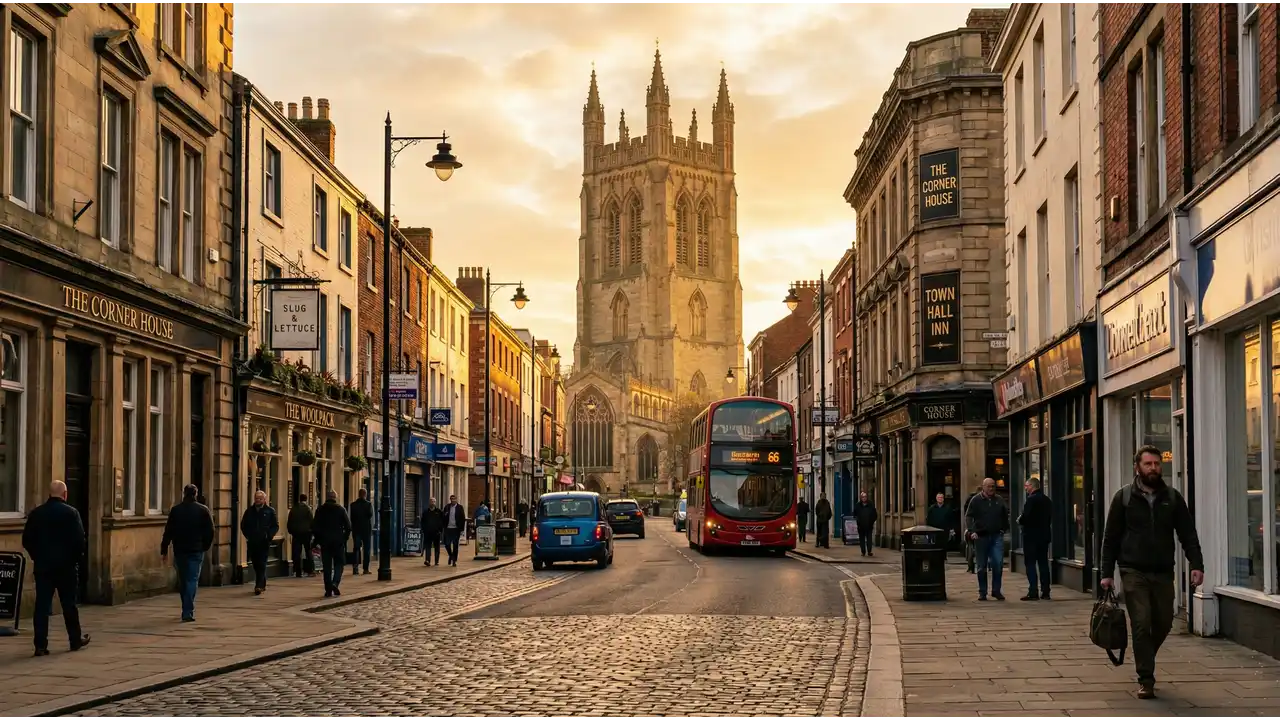
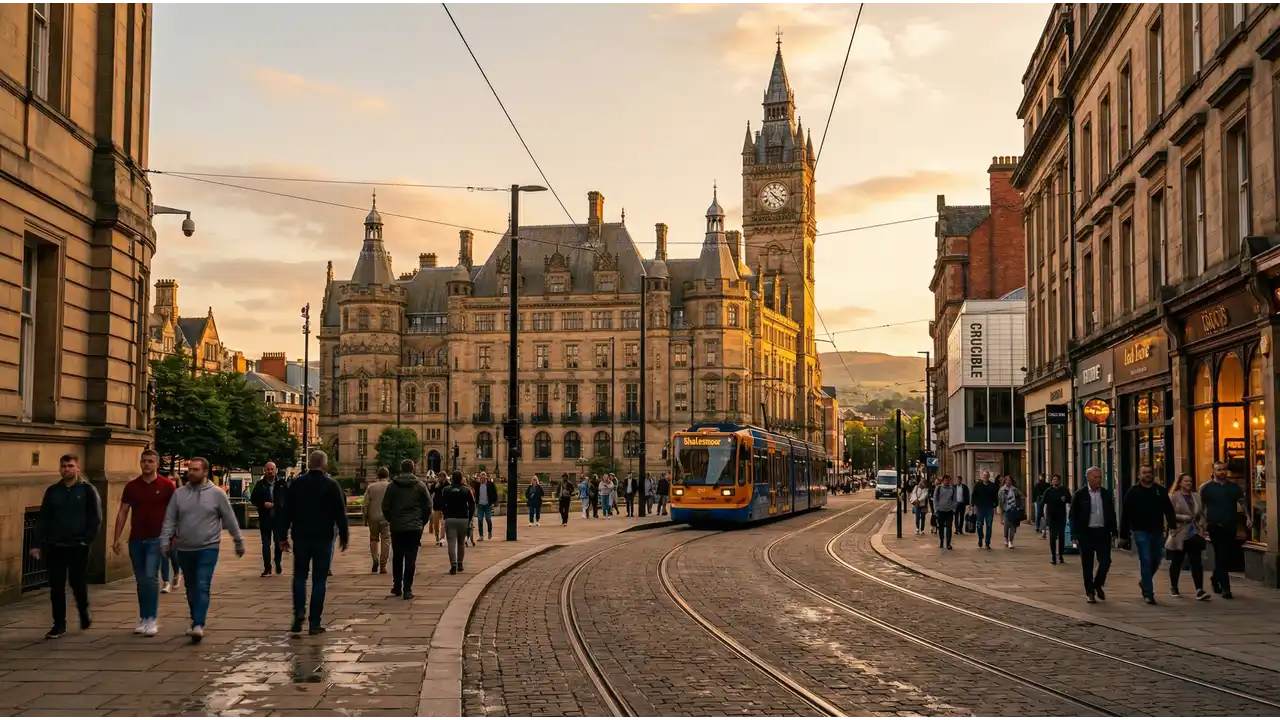
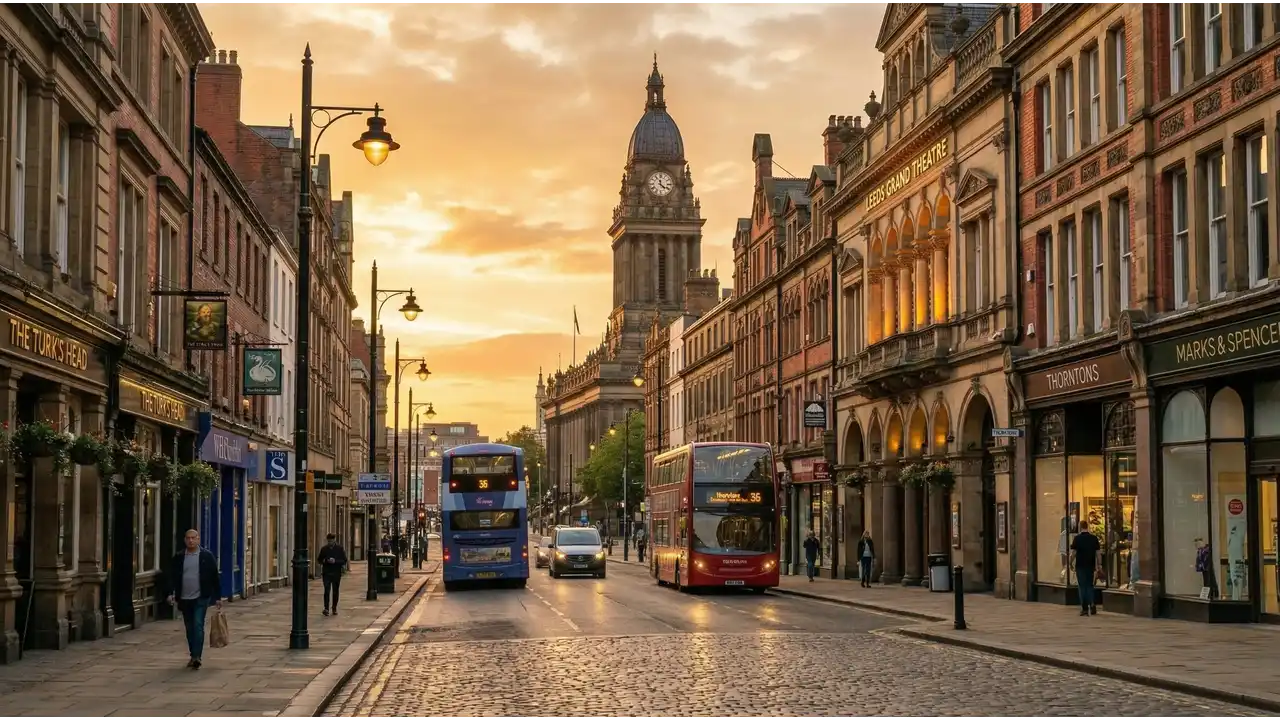
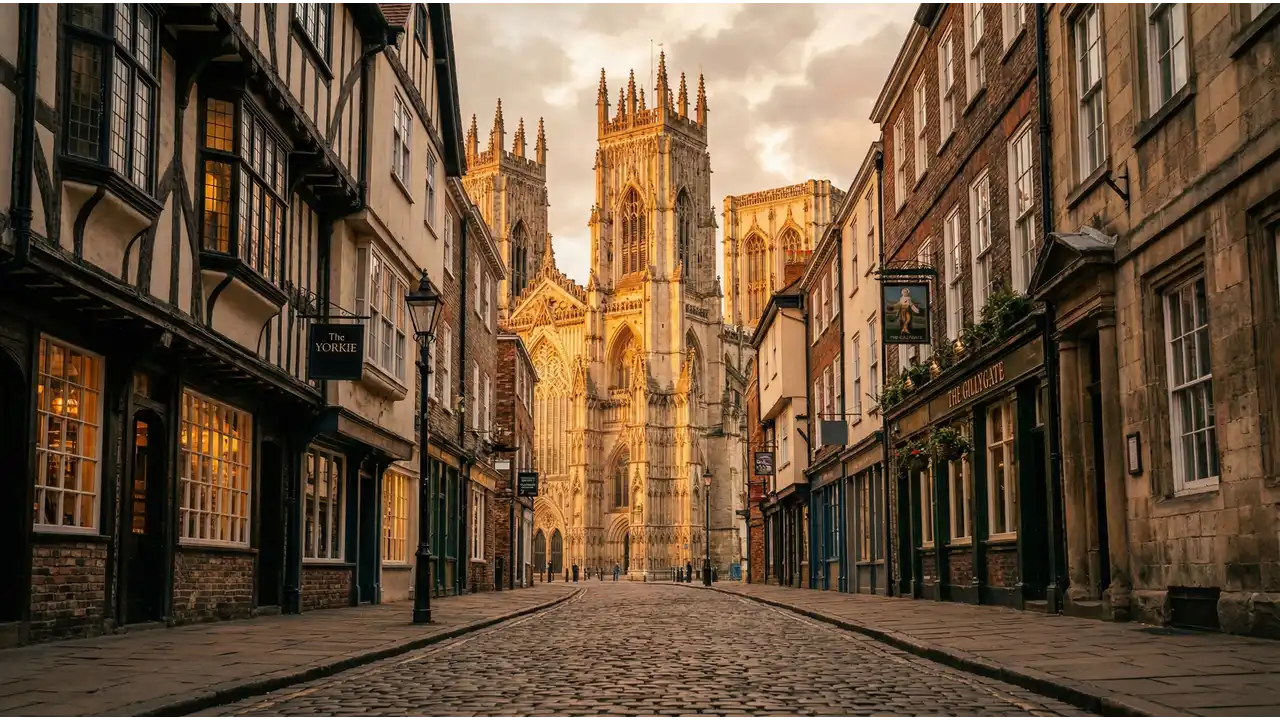
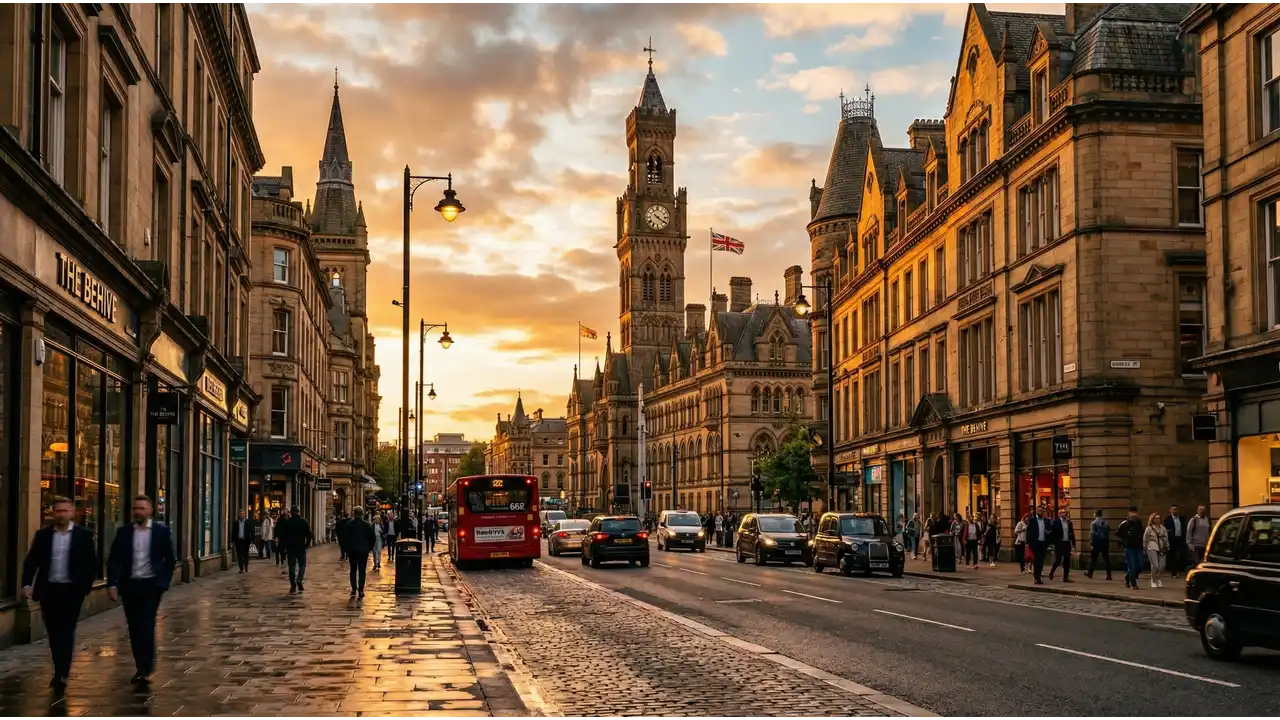
Doncaster is a market town in South Yorkshire with a population around 310,000. It sits on the River Don and has been a transport and railway hub since the Victorian era. The town center mixes historic architecture with modern retail, though it has seen economic shifts over the past two decades. Daily life centers on the railway station, town center shops, and residential suburbs spreading outward. Weather is typical for northern England: cool, wet winters and mild summers. Most residents work locally or commute to Sheffield or Leeds by train. The demographic is mixed, with families, retirees, and younger professionals.
💡 Local Insights
Doncaster · 2026
Doncaster offers affordable housing for the UK, with rent averaging $817/month for a one-bedroom apartment in the town center and falling further in outer suburbs. Terraced houses and semi-detached properties dominate residential areas. Groceries run approximately $422/month for one person on a standard diet, comparable to other Yorkshire towns but lower than London or the southeast. The town's main cost driver is transport: most residents rely on buses or the railway to get around, with monthly bus passes around $65 and train fares varying by destination. Eating out remains cheap by UK standards, with fish and chips under $8 and a pub meal around $13. Council tax is moderate. Expats often find Doncaster's living costs predictable and straightforward compared to larger cities, though the town itself offers fewer international services. Local wages tend to track the national minimum, so working remotely at Western rates significantly improves purchasing power.
Frequently Asked Questions
How much does it cost to live in Doncaster per month?
A moderate lifestyle costs around $2,125/month. This covers rent ($817/month), groceries ($422/month), utilities around $180/month, transport roughly $80/month, and dining out and entertainment approximately $300/month. A tight budget comes in around $1,275/month by cutting discretionary spending and choosing shared housing. A comfortable lifestyle costs $3,294/month, allowing for a larger flat, frequent dining out, and hobbies. Actual costs vary widely depending on neighborhood, household size, and personal habits.
What is the average rent in Doncaster?
Average rent is around $817/month. A one-bedroom flat in the town center runs $700 to $900/month. Outer suburbs and smaller towns like Mexborough offer $550 to $700/month. Two-bedroom houses rent between $900 and $1,200/month depending on condition and location. Council housing waiting lists are long, so private rental dominates the market. Deposits typically equal five weeks' rent. Council tax bands (not included in rent) add $100 to $200/month depending on property band and local authority rates.
Is Doncaster cheap to live in for expats?
Yes. Housing and food are among the most affordable in the UK outside very small towns. Expats from London, the southeast, or major European cities find living costs roughly half or less. However, Doncaster lacks the international infrastructure of larger cities: fewer expat communities, fewer English-language services, and smaller job markets for skilled migrants. Workers on UK national wages find it highly affordable. Remote workers earning in USD, EUR, or stronger currencies have significant purchasing power. International shipping, visa support services, and specialized goods are harder to source locally.
How much does food cost per month in Doncaster?
Groceries for one person average $422/month when shopping at Tesco, Sainsbury's, or Asda (the main supermarkets). A loaf of bread costs around $1.50, milk $1.20/liter, chicken breast $8/kilogram, and eggs $2.50/dozen. Eating out is cheaper than groceries if you're frugal: a fish and chips meal runs $8 to $10, a curry $11 to $14, and pub lunches $12 to $16. Local markets near the town center offer produce at lower prices than supermarkets. Alcohol (a major budget item for many expats) is reasonably priced at pubs but carries significant tax in bottle shops.
What salary do you need to live comfortably in Doncaster?
A comfortable lifestyle costs around $3,294/month, which translates to roughly $39,500/year gross salary (before tax). In practice, after UK income tax and national insurance, you would need to earn closer to $45,000 to $48,000/year to clear this amount. This budget allows a larger one-bedroom flat or modest two-bedroom, regular dining out, hobbies, and modest travel. Many Doncaster professionals earn $35,000 to $42,000/year and live comfortably on the moderate budget of $2,125/month. Household income of $50,000+ is considered solidly middle class locally.
How does the cost of living in Doncaster compare to other places?
Doncaster runs $2,125 a month for a moderate lifestyle, with housing at $817 a month. That positions it as genuinely affordable within the UK.
Compared to peer cities, Doncaster is cheaper. Coventry comes in at $2,225 monthly with housing at $1,150, making it noticeably more expensive across both categories. If you're looking at Scottish alternatives, Edinburgh runs $2,775 with housing at $1,574, pushing it well into a different price bracket.
Internationally, Doncaster is pricier than Eastern European options. Poznan costs $1,500 a month with housing at $726, reflecting the cost difference between the UK and Poland. But within England, Doncaster offers real value without sacrificing access to services, transport links, or job opportunities in the Midlands and Yorkshire regions.
Yes, but with real constraints. This is the budget tier and requires discipline. Rent must stay below $650/month, which means a shared flat or small one-bedroom in an outer suburb. Groceries drop to around $280/month through budget supermarkets and minimal meat. Transport costs roughly $60/month. Utilities, council tax, and essentials consume the remainder, leaving almost nothing for dining out, entertainment, or emergencies. This budget works for students, retirees on modest pensions, or remote workers with very low personal spending. Any one-time expense (car repair, dental work, travel) creates financial stress. Most people on this budget are either supplementing income or cutting corners on housing.