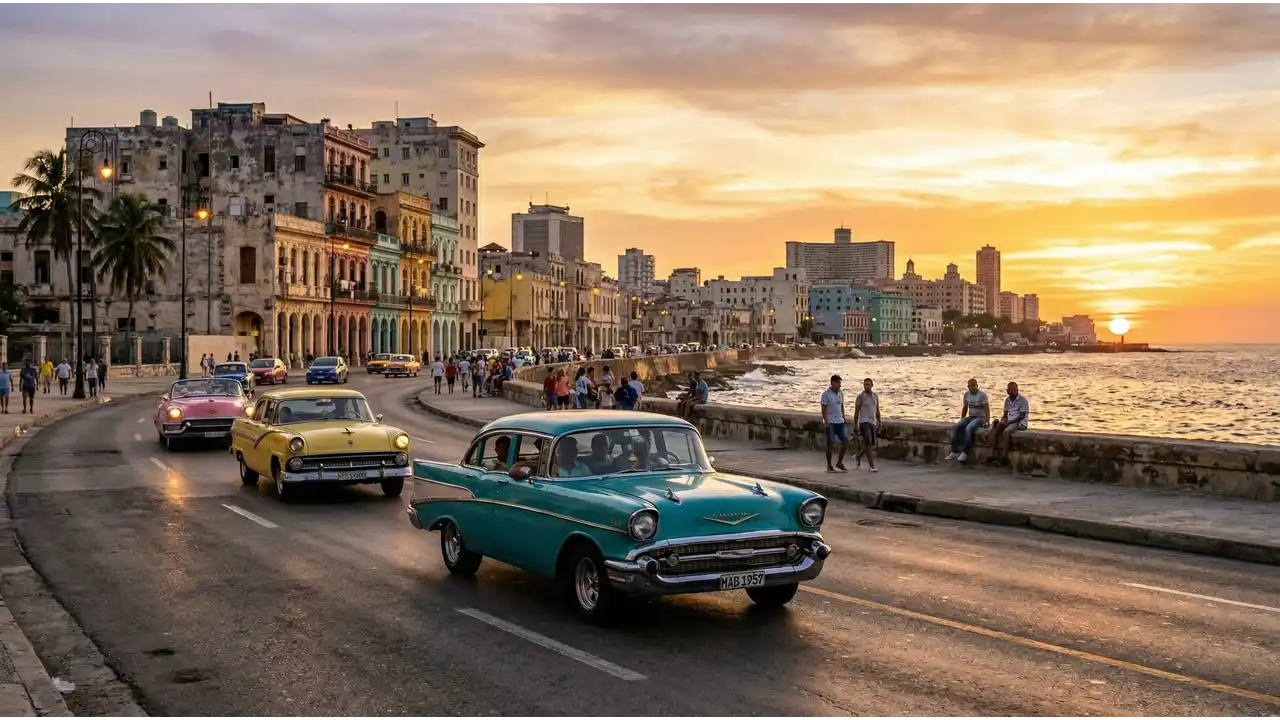
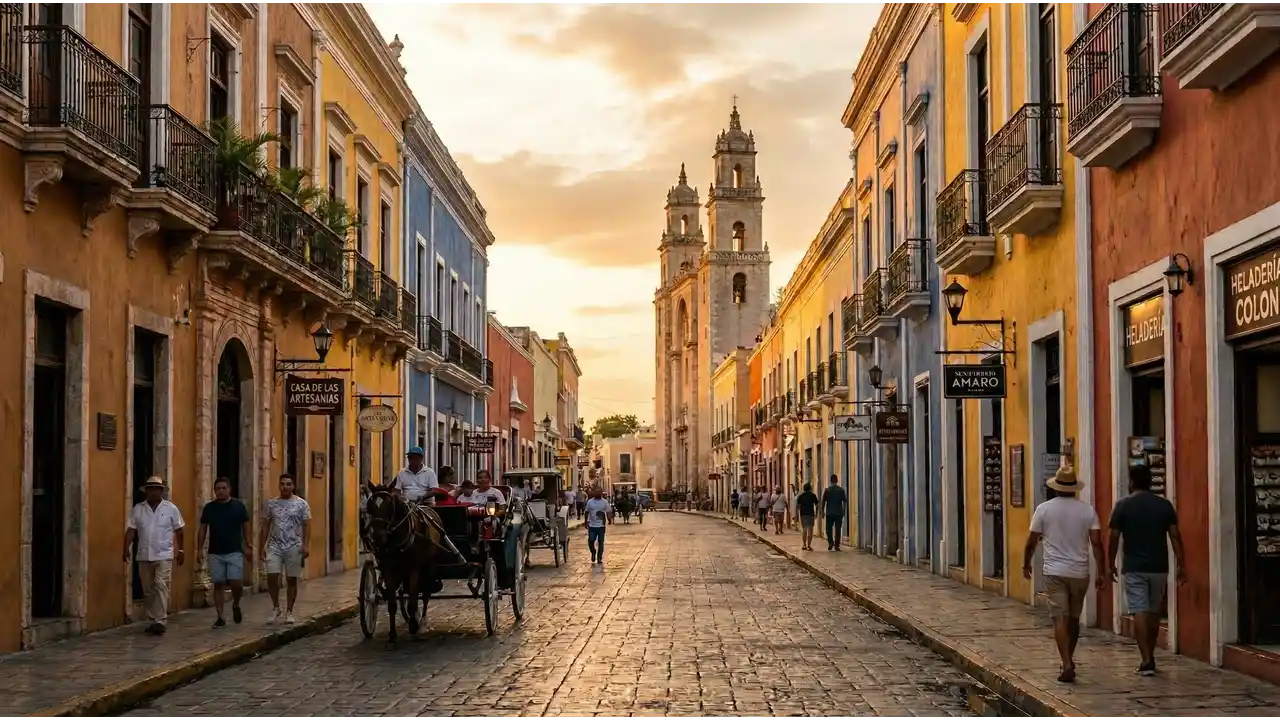
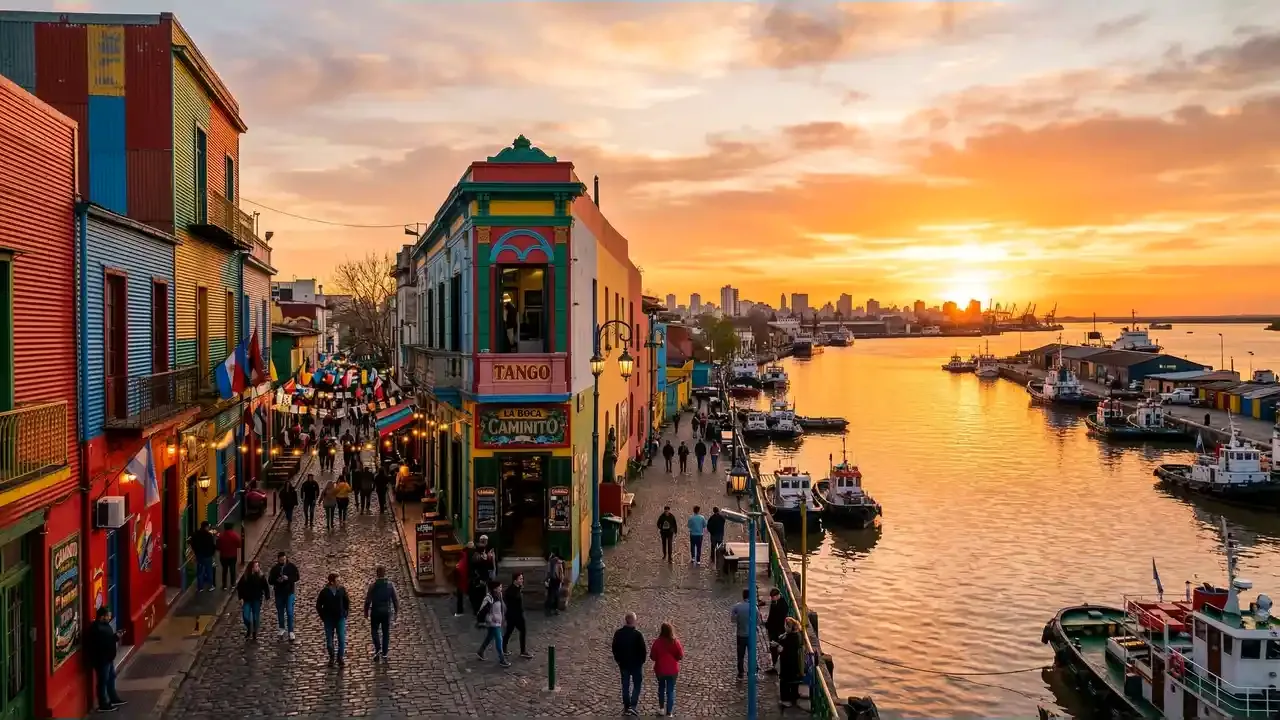
Havana is Cuba's capital and largest city, home to about 2 million people across a sprawling coastline on the Straits of Florida. The city is known for 1950s American cars, colonial architecture in Old Havana, and a mix of deteriorated and restored neighborhoods. Daily life centers on local markets, state-run shops, informal private vendors, and frequent power outages. Summers are hot and humid; hurricane season runs June through November. Most residents are Cuban nationals; expat communities are smaller than in other Caribbean capitals, though tourism and remote work have increased foreign presence in recent years.
💡 Local Insights
Havana · 2026
Havana's cost of living operates under Cuba's unique economic system. The housing figure of $467/month reflects Cuba's national rate rather than a separate Havana market measurement, because most housing is state-owned or operates outside formal rental markets. Actual costs for expats seeking private apartments (casa particulares) typically range higher, though specific prices depend heavily on neighborhood and negotiation. Groceries at $228/month assume local markets and state-subsidized items; prices spike significantly if buying imported goods or using private vendors. Many staples are subsidized or rationed through the libreta (ration book), keeping baseline food costs low but limiting choice. Transport is inexpensive: local buses cost pennies, though service is unpredictable. The real cost driver for expats is finding reliable housing outside the state system and purchasing non-subsidized goods. Dual-currency pricing means tourists and foreigners often pay in convertible pesos (or USD), creating two-tier markets. Long-term residents and those with local connections access lower prices than short-term visitors.
Frequently Asked Questions
How much does it cost to live in Havana per month?
A moderate lifestyle in Havana costs around $1,175/month. This breaks down roughly as housing at $467/month (the Cuba-level figure), groceries at $228/month, utilities around $30-50/month, local transport at $10-20/month, and dining out or entertainment making up the remainder. A budget lifestyle can run $705/month by minimizing restaurant meals and entertainment. These figures assume access to local markets and state-subsidized goods; expat costs rise if purchasing imported items or paying private-market housing rates.
What is the average rent in Havana?
The $467/month housing figure is Cuba's national rate that Havana inherits, not a separate measurement of Havana's rental market. In practice, renting in Havana works differently than in most cities. Most housing is state-owned; private rentals (casa particulares) to tourists and short-term expats typically range $500-1,500/month for a one-bedroom in central neighborhoods like Vedado or Miramar, depending on condition and amenities. Long-term residents with Cuban residency or family connections may access lower rates through informal arrangements. Housing costs in dollars, not as a percentage of your budget.
Is Havana cheap to live in for expats?
Havana is cheaper than most Caribbean capitals if you adapt to local systems. A moderate budget of $1,175/month is lower than Santo Domingo, San Juan, or Cancun. However, that assumes using state-subsidized groceries and avoiding private-market housing; many expats spend considerably more to secure reliable housing and imported goods. The real savings come from low transport costs and cheap local meals. Compared to Miami or other US cities, Havana is significantly cheaper. The catch is infrastructure instability (power outages, water issues) and fewer services that expats from developed countries expect.
How much does food cost per month in Havana?
Groceries average $228/month using local markets and state-ration items. Specific prices: rice around $0.50/pound, beans $0.60/pound, eggs $1.50/dozen, chicken $2-3/pound, fresh vegetables $0.50-1.50/pound depending on season and availability. Many Cubans rely on the libreta (ration book) for subsidized staples, reducing costs further. Eating at small local restaurants (cafeterias, paladares) costs $3-8/meal. Imported groceries or restaurants catering to tourists cost 2-3 times more. Most expats spend $250-350/month on food by mixing local markets with occasional imported items.
What salary do you need to live comfortably in Havana?
A comfortable lifestyle in Havana costs around $1,821/month. This allows for better housing in Vedado or Miramar, regular restaurant meals, reliable internet and utilities, occasional travel, and more flexibility with imported goods. For comparison, a moderate budget is $1,175/month; anything less requires cutting corners on housing quality or dining out. Remote workers earning $2,000-3,000/month from outside Cuba live quite well by local standards. Currency matters: earnings in USD or EUR stretch further than Cuban pesos.
How does the cost of living in Havana compare to other places?
Havana runs $1,175 a month for a moderate lifestyle, making it slightly more expensive than Lima at $1,100 but considerably cheaper than Acapulco at $1,650. The real difference shows up in housing. Havana's moderate-tier rent sits at $467 monthly, which is lower than Lima's $529. If you're looking for the lowest overall costs in the region, Managua comes in notably cheaper at $825 for a moderate lifestyle with housing at $324. The gap between Havana and Managua reflects real differences in availability, tourism demand, and local wages. Havana's position as Cuba's capital and primary tourist hub keeps prices elevated relative to smaller Central American cities, but it remains affordable compared to tourist-heavy beach destinations like Acapulco.
Yes, but with significant constraints. The budget tier of $705/month requires living like a local Cuban: using ration-book groceries, sharing housing or renting in outer neighborhoods, no restaurant meals, minimal utilities, no internet, and no travel. A one-person household can manage this by cooking at home, using buses, and accessing subsidized goods through the libreta. However, most expats find this difficult without long-term residency status and local connections. For tourists or short-term visitors, $705/month is unrealistic; actual costs run $1,200-1,800/month. This budget works for Cuban nationals or long-term residents with established local relationships.