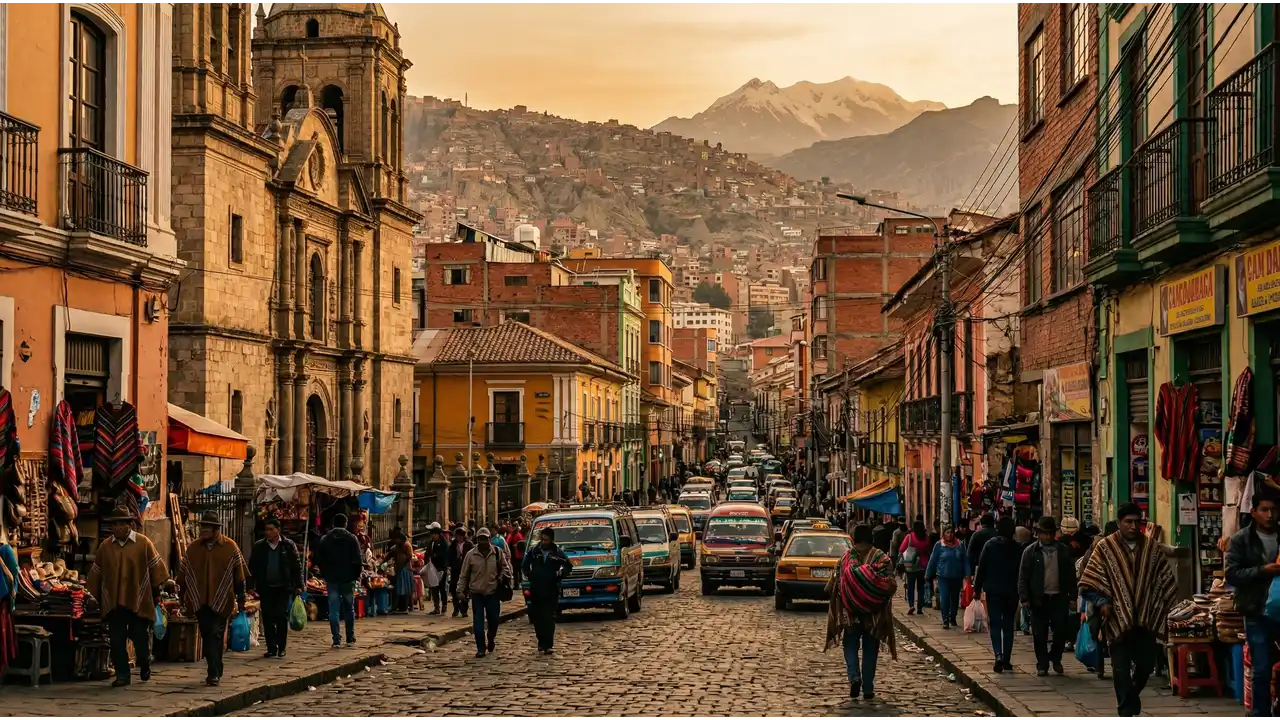
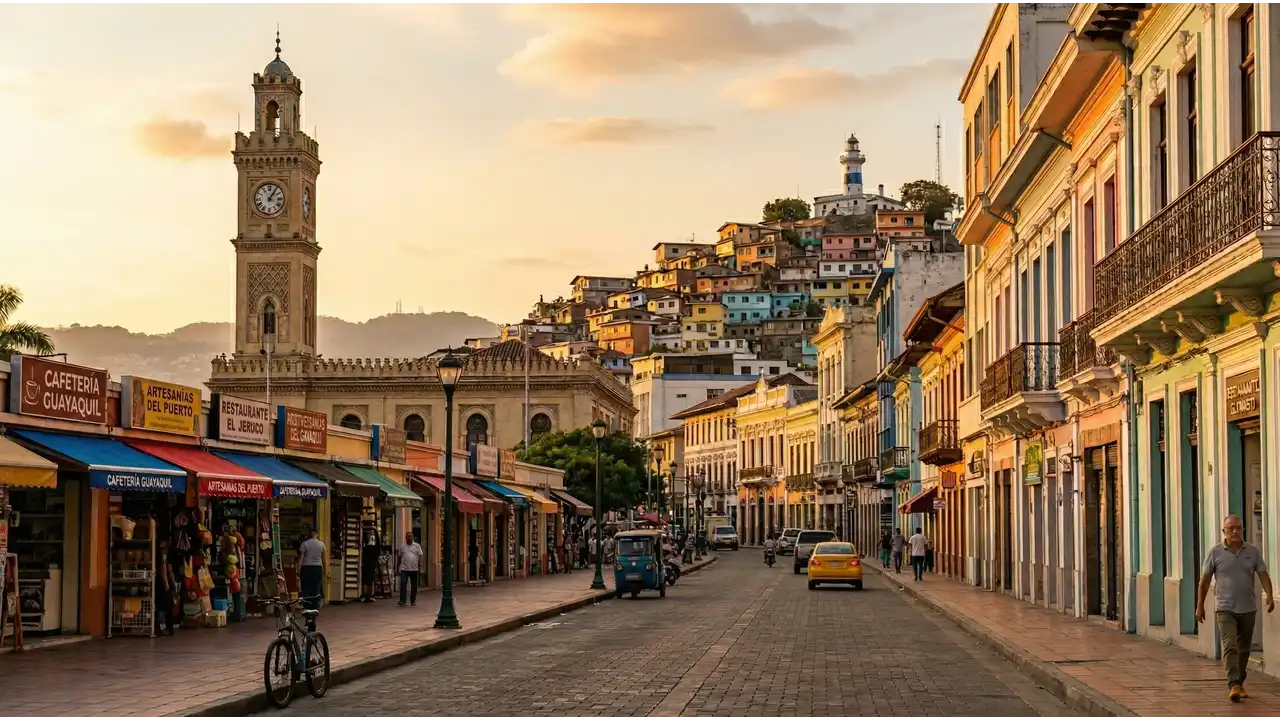
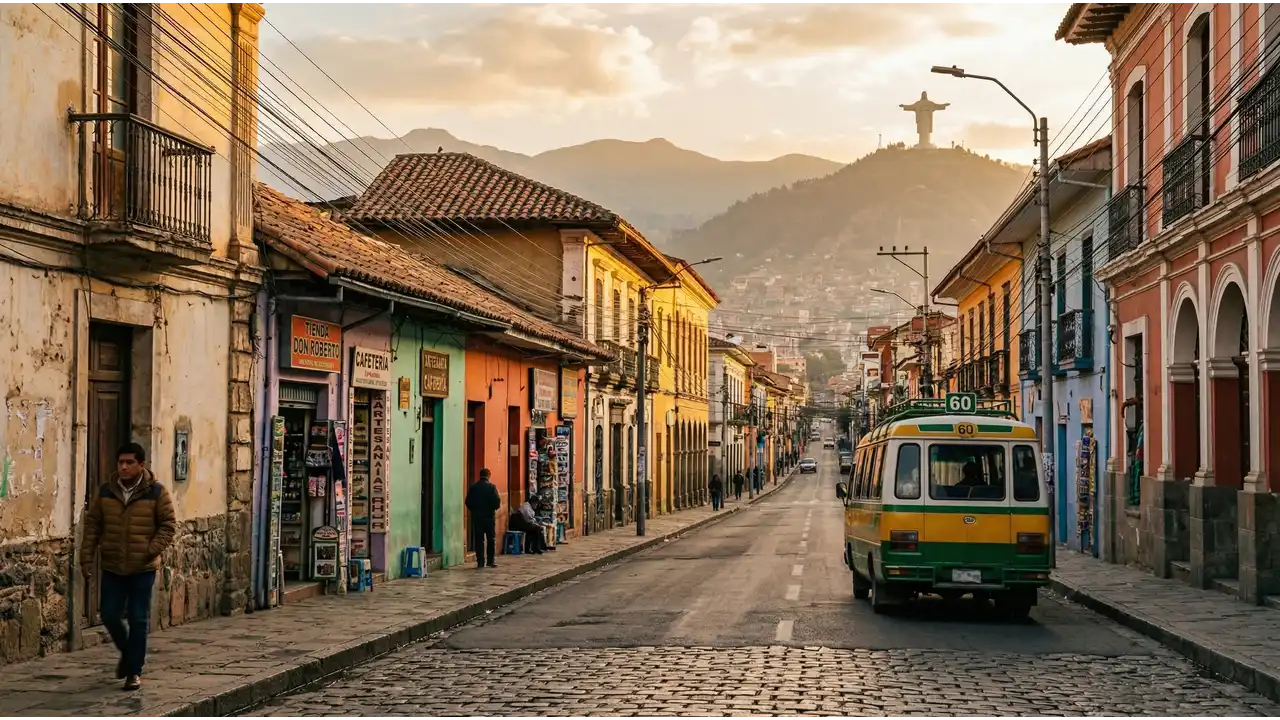
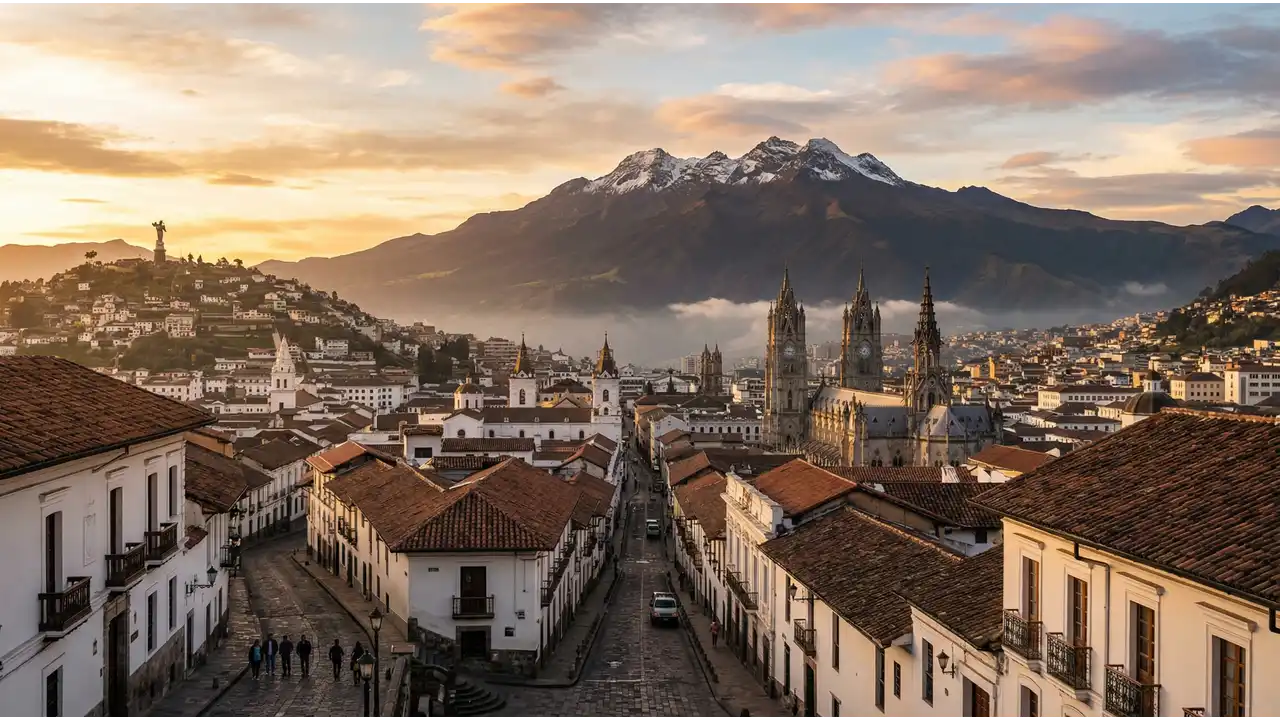
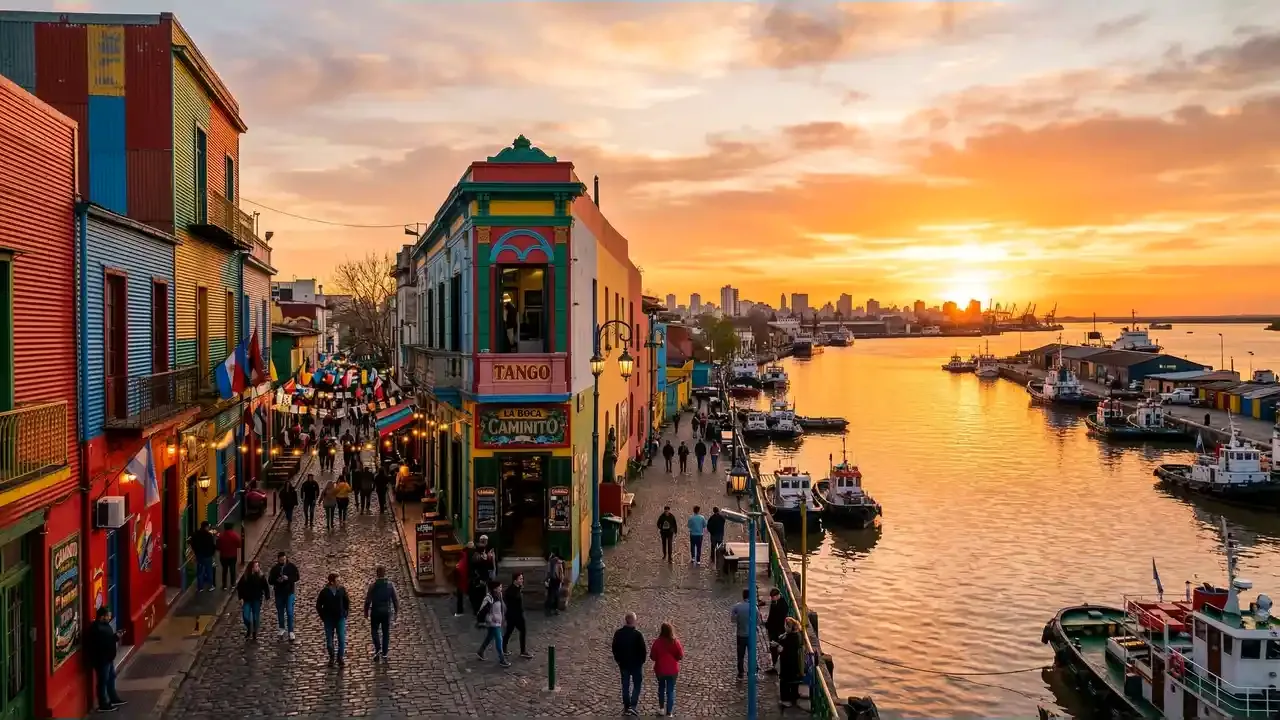
Lima is Peru's capital and largest city, built on the Pacific coast with a Mediterranean climate (mild year-round, minimal rain). About 10 million people live in the metropolitan area. The city splits into distinct neighborhoods: central Miraflores and Barranco draw expats and tourists; San Isidro is upscale and business-oriented; Cercado is the historic colonial core; outer districts like San Borja and Surco serve middle-class residents. Daily life centers on work, family, and extended lunch breaks. Public transport relies on colectivos (shared minivans) and a new metro line. Traffic is heavy. Coastal neighborhoods have ocean views; inland areas are drier and less expensive.
💡 Local Insights
Lima · 2026
Lima's costs break down simply: housing at $529/month covers a one-bedroom apartment in middle-class neighborhoods like San Borja or Surco; Miraflores and Barranco run higher. Groceries cost $184/month for basics from markets and supermarkets. A moderate lifestyle of $1,100/month assumes apartment living, eating out occasionally, and local transport. Expats often pay more for imported goods and foreign grocery chains (Tottus, Wong), but local markets (Surquillo, Chorrillos) cut costs sharply. Transport is cheap: metro rides cost under $1, colectivos similar. Eating out ranges from $3 for a menú (lunch set) to $15 for casual dining. Utilities add $30-50/month. The key cost driver is neighborhood choice and consumption habits. Expats cluster in Miraflores or Barranco, pushing rents to $800-1,200 for similar space. Local Peruvians in outer districts pay less.
Frequently Asked Questions
How much does it cost to live in Lima per month?
A moderate lifestyle in Lima costs $1,100/month. This covers housing ($529/month), groceries ($184/month), transport, utilities, and dining out occasionally. A budget lifestyle runs $660/month, cutting back on eating out and choosing cheaper neighborhoods. A comfortable lifestyle with more dining out, better housing, and entertainment runs $1,705/month. Individual expenses vary by neighborhood, consumption habits, and whether you buy imported goods or stick to local products.
What is the average rent in Lima?
Average rent is $529/month for a one-bedroom apartment in middle-class neighborhoods like San Borja, Surco, or Breña. In Miraflores or Barranco, expect $800-1,200/month for similar space; these coastal neighborhoods command a premium. Outer districts like Villa María del Triunfo or Chorrillos run $350-450/month. Furnished short-term rentals cost more. Landlords often require proof of income and deposits. Home ownership starts around $150,000 for modest properties in outer areas, rising to $400,000+ in central neighborhoods.
Is Lima cheap to live in for expats?
Lima is moderately priced for expats but less cheap than smaller Peruvian cities. Compared to major US or European cities, it is affordable. Compared to regional hubs like Bogotá or Mexico City, Lima is slightly more expensive. The catch: expats gravitate toward Miraflores and Barranco, where rents double or triple the city average. Local neighborhoods cost far less but lack expat infrastructure. Imported groceries and foreign restaurants add expense. Working remotely on a US or European salary makes Lima affordable; on a local Peruvian salary, it is tight.
How much does food cost per month in Lima?
Groceries cost $184/month on average. A kilo of chicken runs $4-5; rice $0.80/kilo; eggs $2-3/dozen; potatoes $0.40/kilo. Fresh fruit and vegetables are cheap at markets. Supermarkets cost 30-50% more. Eating out is very affordable: a menú (lunch with soup, main, drink, dessert) costs $2-4; casual dinners $8-15/plate. Restaurants in Miraflores charge double. Cafes charge $1-2 for coffee. Imported goods (cheese, cereal, processed foods) cost 2-3x local equivalents. Cook at home to stay within budget; eat out sparingly if budget is $660/month.
What salary do you need to live comfortably in Lima?
A comfortable lifestyle costs $1,705/month. This allows a nicer apartment ($700-800 in Miraflores or San Isidro), dining out 2-3 times weekly, gym or hobby memberships, weekend trips, and imported goods. In USD terms, $1,700/month requires roughly $20,400/year gross, or $1,700 USD monthly if remote. In local terms, a Peruvian earning 5,500-6,000 soles/month (roughly $1,500-1,650 USD) achieves this standard. For expats, factor visa or temporary residency costs. Most expats working remotely find Lima comfortable on $2,000-2,500/month including travel.
How does the cost of living in Lima compare to other places?
Lima sits in the middle of the Latin American cost-of-living spectrum. A moderate lifestyle costs $1,100 per month, with housing at $529 per month. You'll find it slightly more expensive than Guayaquil, where a moderate lifestyle runs $1,050 monthly and housing costs $435. Managua is noticeably cheaper at $825 for a moderate lifestyle and $324 for housing. If you're comparing upward, Montevideo is considerably pricier at $1,525 per month for a moderate lifestyle, with housing at $586. Within Peru, Lima remains the most expensive city, though it's still affordable by global standards. Your money stretches furthest in smaller Peruvian towns, but Lima offers better job markets and services that justify the premium for most expats and remote workers.
Yes, but with heavy constraints. A budget of $660/month requires housing around $350-400 in outer neighborhoods (Chorrillos, Villa María, Breña); groceries $150-180 from markets; minimal eating out (2-3 meals monthly); local transport $15-20; utilities $40-50. This leaves almost nothing for emergencies, medical care, or leisure. A single unexpected expense derails the budget. This works for highly disciplined individuals living like locals, cooking all meals, using only public transport, and avoiding tourist areas. Expats trying this face language barriers and cultural adjustment stress; most find $660/month unsustainable beyond a few months.