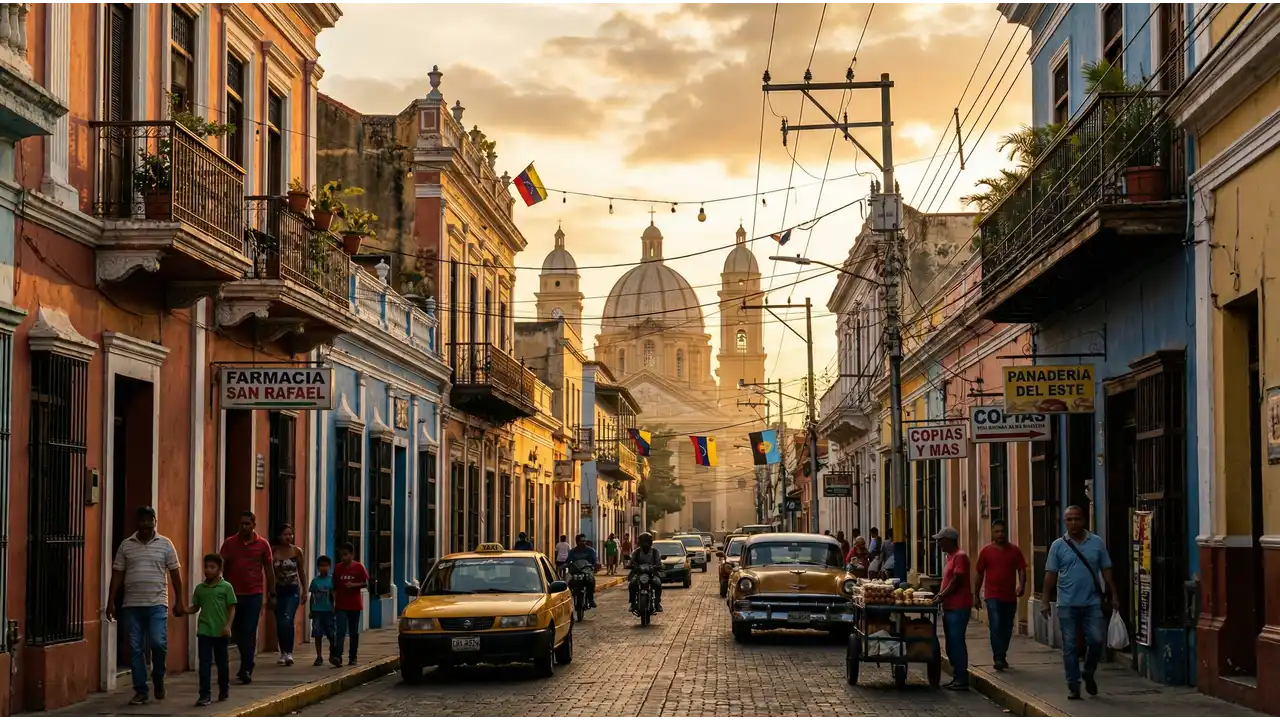
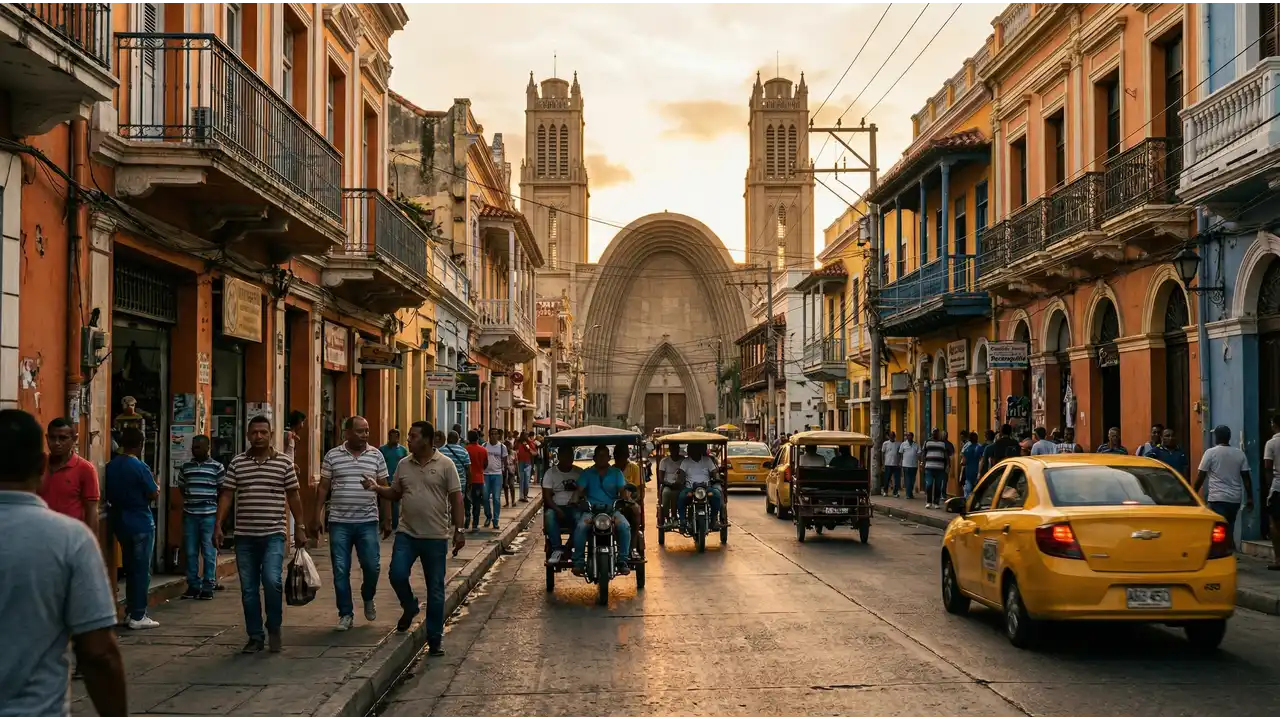
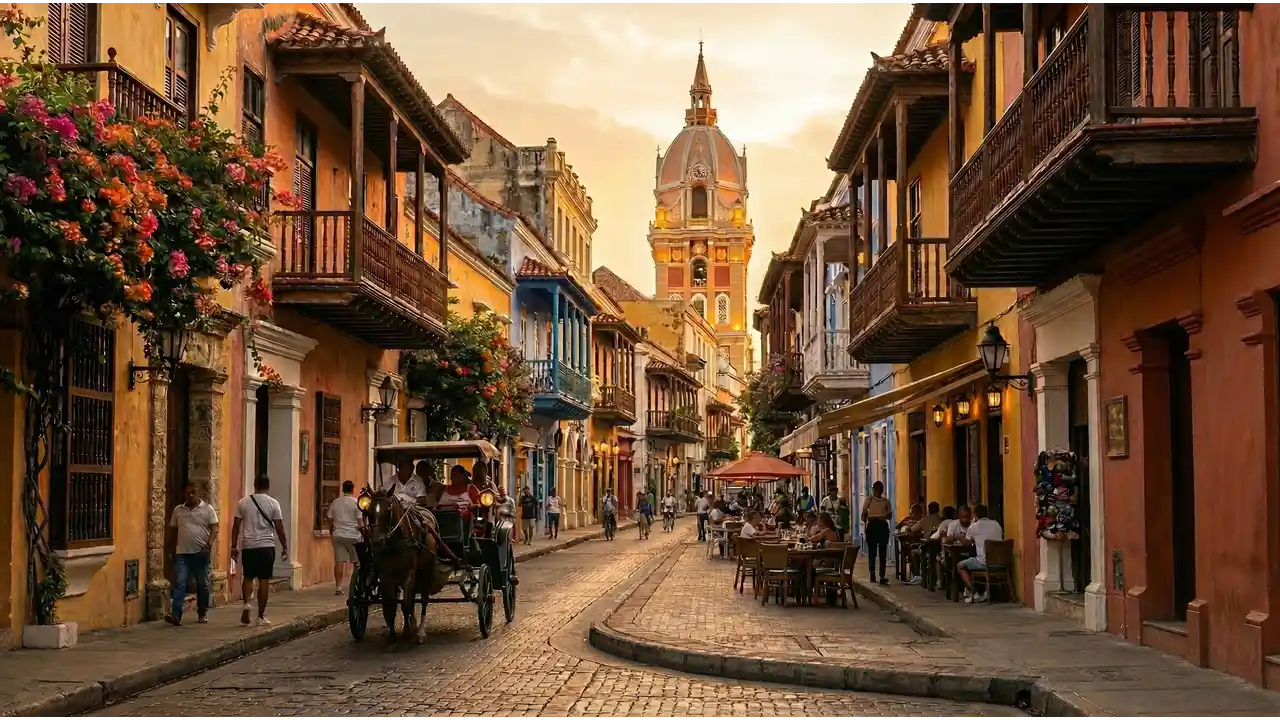
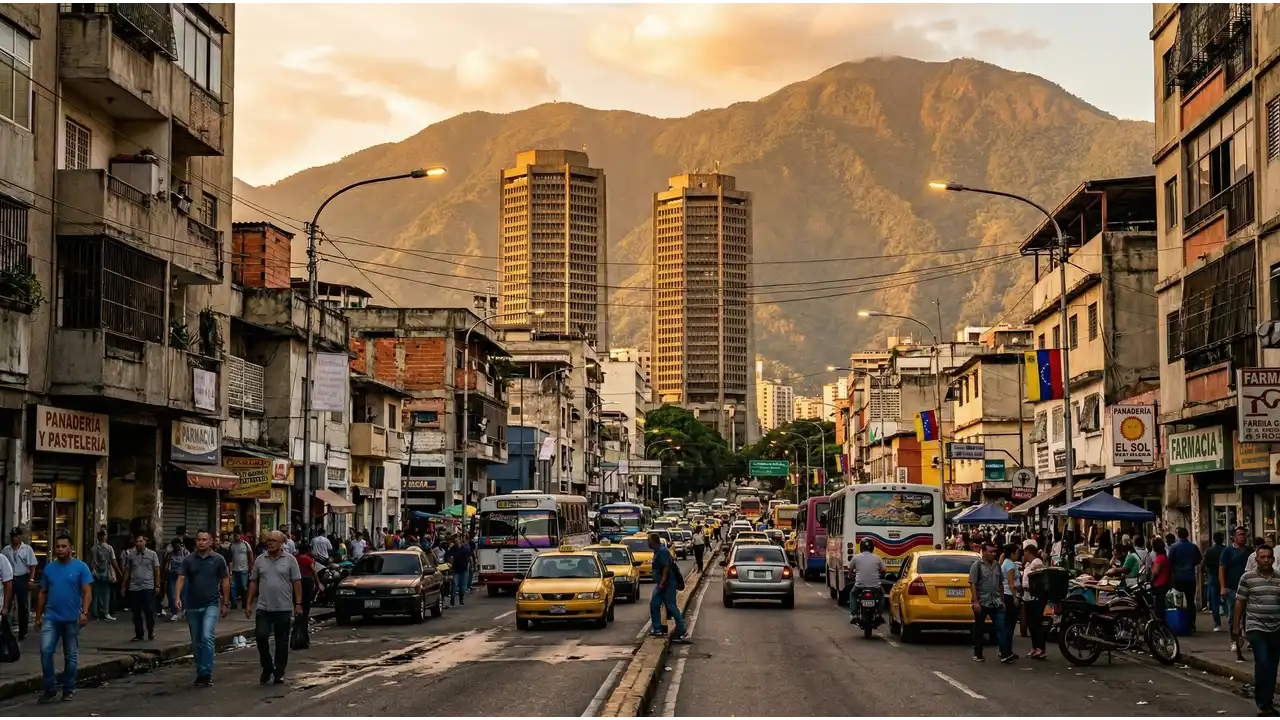
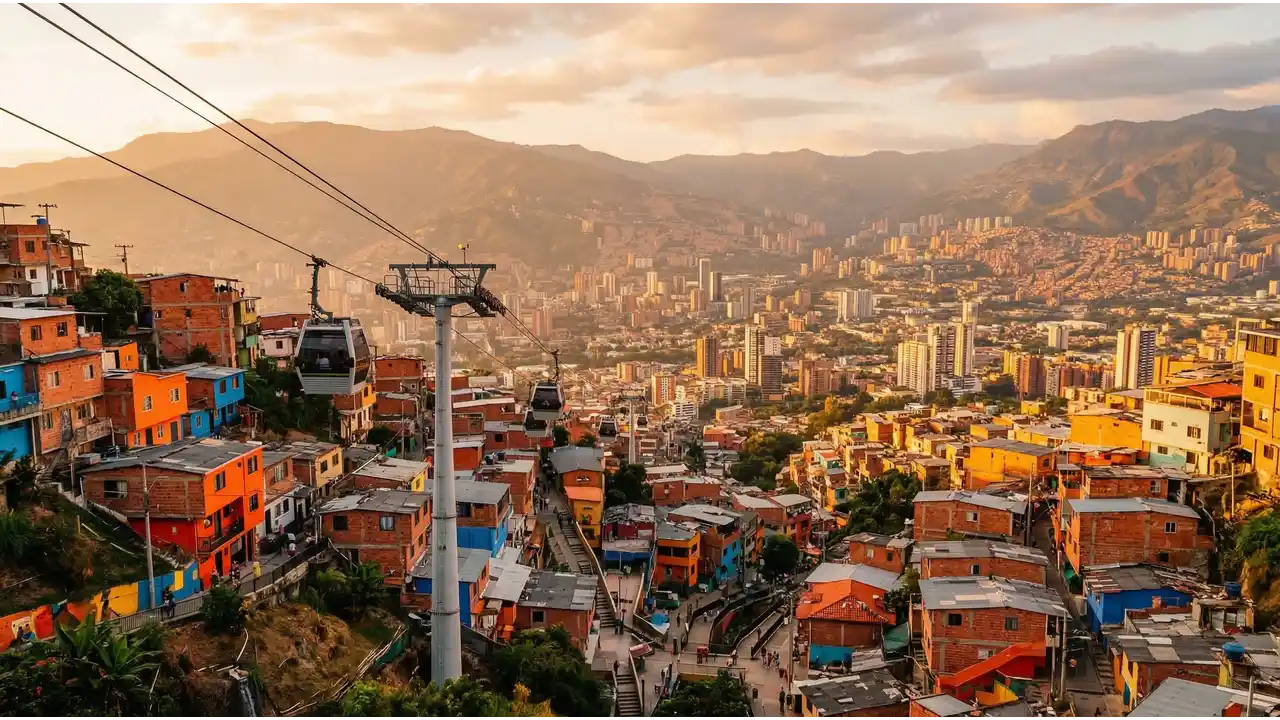
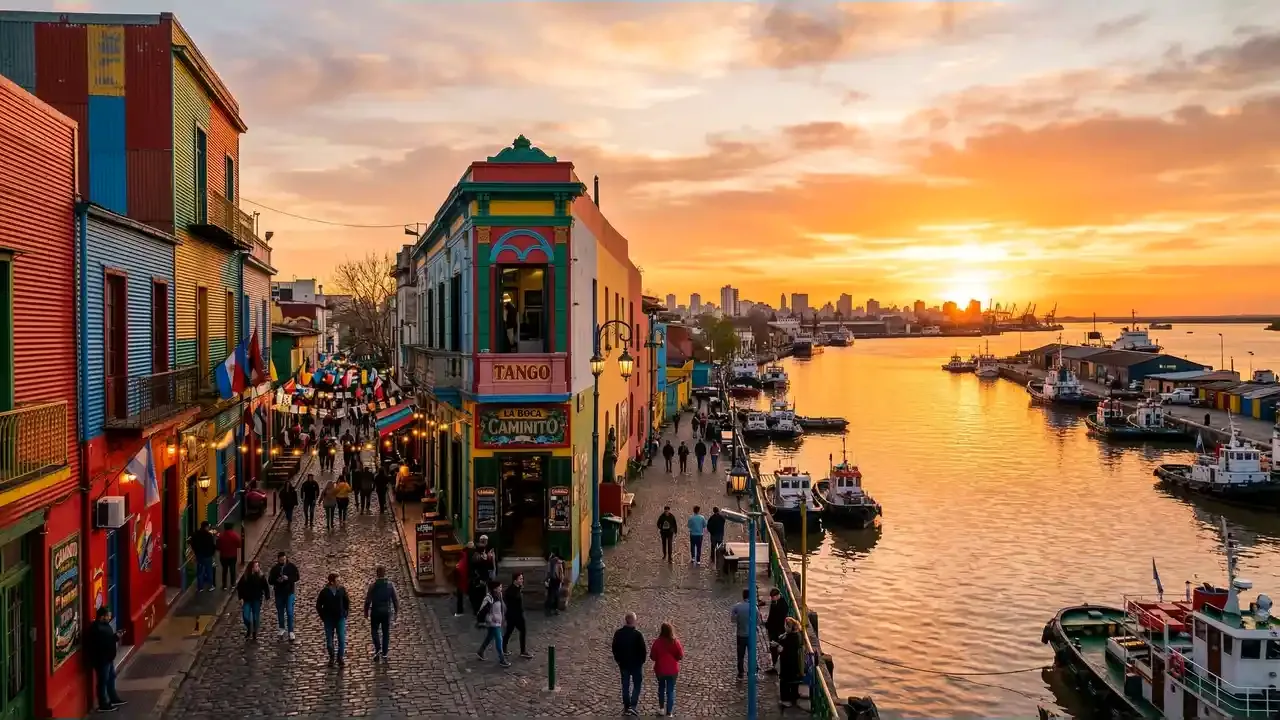
Maracaibo is Venezuela's second-largest city and the capital of Zulia State, sitting on the western shore of Lake Maracaibo. It has a tropical climate with high heat and humidity year-round. The city is a major oil industry hub, which historically shaped its economy and infrastructure. Daily life centers on commercial districts like Centro and the waterfront areas. Maracaibo has a working-class character with significant commercial activity, though economic conditions have shifted considerably in recent years. Spanish is the primary language. Most residents are Venezuelan, with a growing expat population.
💡 Local Insights
Maracaibo · 2026
Maracaibo's costs are shaped by Venezuela's broader economic conditions and currency volatility. The $291/month housing figure is inherited from the national Venezuela measurement because Maracaibo lacks separate rent tracking. In practice, renters report monthly costs ranging from $200 to $400 for modest apartments, depending on neighborhood and negotiation in local currency or USD. Food groceries at $205/month reflects local market prices for staples like arepas, rice, beans, and produce, though availability varies. Transport is cheap (under $1 per bus ride) but unreliable. Expats typically face dual pricing in some sectors and navigate currency exchange differently than locals. USD cash is preferred for larger transactions. Security, water and electricity reliability, and internet quality vary significantly by neighborhood and should be verified locally before committing. Costs are genuinely low by international standards, but stability and service quality require careful research on specific addresses.
Frequently Asked Questions
How much does it cost to live in Maracaibo per month?
A moderate lifestyle in Maracaibo costs around $925/month. This breaks down roughly as: housing $291/month (the national Venezuela figure), groceries $205/month, transport and utilities $150/month, and dining and personal spending $280/month. Budget tier living runs $555/month if you minimize housing, eat only groceries, and avoid dining out. Comfortable tier costs reach $1,434/month if you prioritize better housing, frequent restaurants, and more entertainment. Actual costs depend heavily on neighborhood choice and whether you pay in USD or local currency.
What is the average rent in Maracaibo?
The $291/month housing figure shown is Venezuela's national measurement inherited by Maracaibo, not a separate local rent measurement. Maracaibo does not have independent rent tracking. Local renters report actual monthly costs typically between $200 and $400 for one-bedroom apartments in neighborhoods like La Romana, Sabaneta, or Centro, though prices fluctuate with currency conditions and negotiation. Prices are quoted in USD or local currency depending on the landlord and tenant relationship. Utilities, water, and electricity are additional and unpredictable. Verify current availability and terms directly with local contacts before assuming these ranges.
Is Maracaibo cheap to live in for expats?
Yes, Maracaibo is genuinely affordable compared to most Western cities and even other Latin American capitals. At $925/month for a moderate lifestyle, it costs less than half of Miami or Bogotá. However, cheapness comes with trade-offs: currency instability, service interruptions (water, electricity, internet), dual pricing in some sectors, and security concerns in certain areas. Expats typically pay in USD, which shields them from some inflation but exposes them to exchange risk. It is cheap, but not without friction. Expect to spend time on logistics that would be automatic elsewhere.
How much does food cost per month in Maracaibo?
Groceries average $205/month. Staples like arepas, rice, beans, and cassava are inexpensive. A kilogram of chicken costs around $3 to $5, eggs roughly $1.50 per dozen, and fresh produce (plantains, yuca, tomatoes) ranges $0.50 to $2 per item depending on season. Eating at casual restaurants or food stalls costs $2 to $5 per meal. Supermarkets (like Makro) stock imported goods at higher prices. Street markets offer better bargains but require local knowledge. Availability of specific items fluctuates. Shopping in USD can reduce uncertainty over inflation.
What salary do you need to live comfortably in Maracaibo?
A comfortable lifestyle in Maracaibo costs $1,434/month. This allows for better housing (perhaps $400 to $500/month), eating out several times weekly, reliable transport, streaming services, and occasional travel. Most comfortable-tier expats work remotely or draw income from outside Venezuela. Local salaries in oil, retail, or professional services rarely reach this in USD terms. For Venezuelan residents, comfort typically means a dual income household or USD remittances. If you earn $1,434/month in stable foreign income, you can live well without constant cost-cutting.
How does the cost of living in Maracaibo compare to other places?
Maracaibo at $925 per month for a moderate lifestyle sits in the lower-middle range regionally. It's slightly cheaper than Medellin, which runs $975 monthly, making the two fairly comparable for everyday costs. Housing in Maracaibo is notably affordable at $291 per month, undercutting Medellin's $447 significantly. If you're looking for genuinely budget-conscious living, Mogadishu operates at $625 per month, though with its own distinct risks and constraints. On the other end, Santiago is substantially dearer at $1,275 monthly, with housing alone at $562. For most people relocating within Latin America on a moderate budget, Maracaibo and Medellin offer similar purchasing power, though Maracaibo's housing market gives it a real advantage for those prioritizing accommodation costs.
Yes, $555/month (the budget tier) is viable, but with real constraints. Rent takes up roughly $291/month, groceries $205/month, leaving $59 for transport, utilities, and everything else. You would avoid restaurants, entertainment, and non-essential spending. Utilities are unpredictable and can push past budget. This works if you are Venezuelan or have local support, speak Spanish fluently, and tolerate service gaps. For an expat without local networks, $555/month is extremely tight and leaves no buffer for emergencies or currency swings. Budget tier assumes minimal international contact and zero tourism spending.