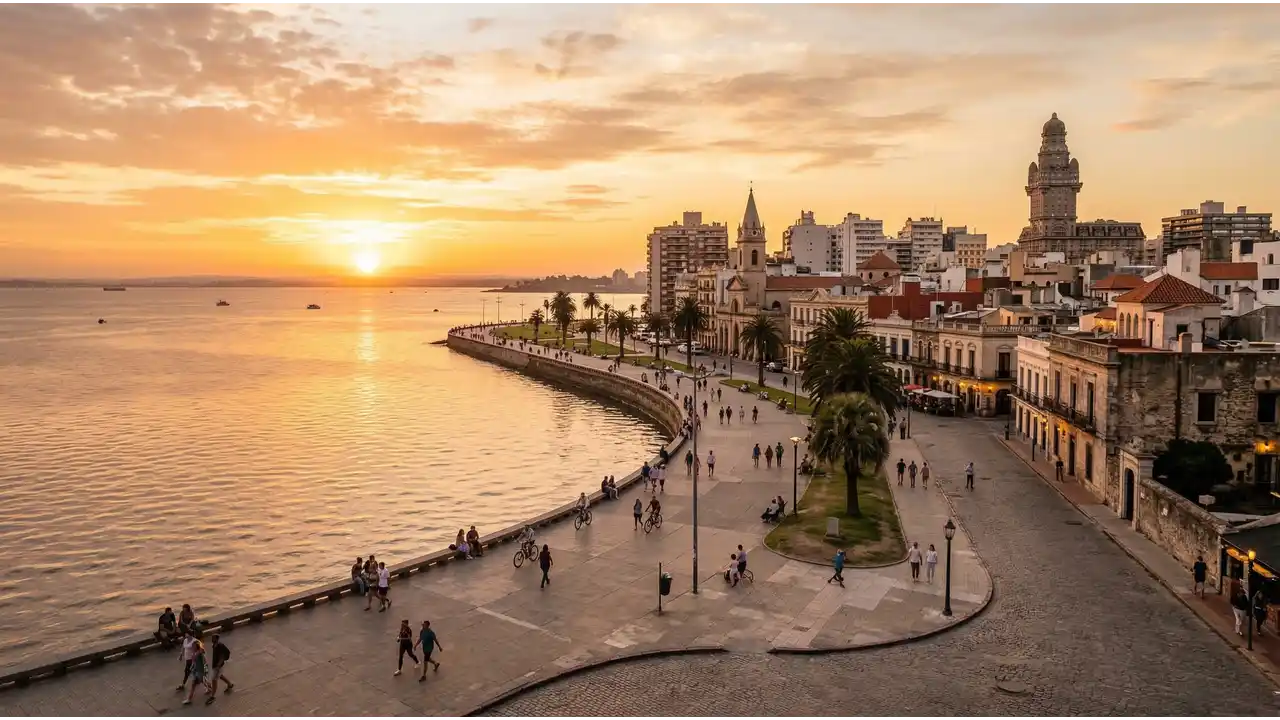
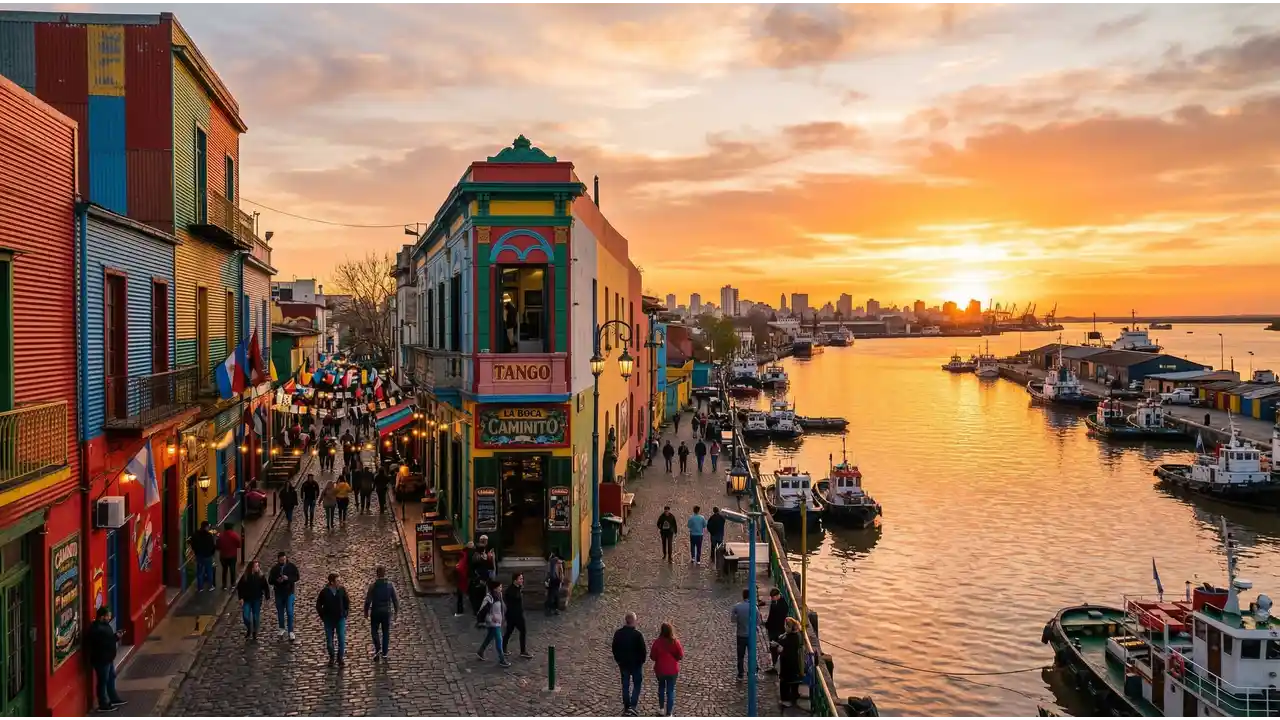
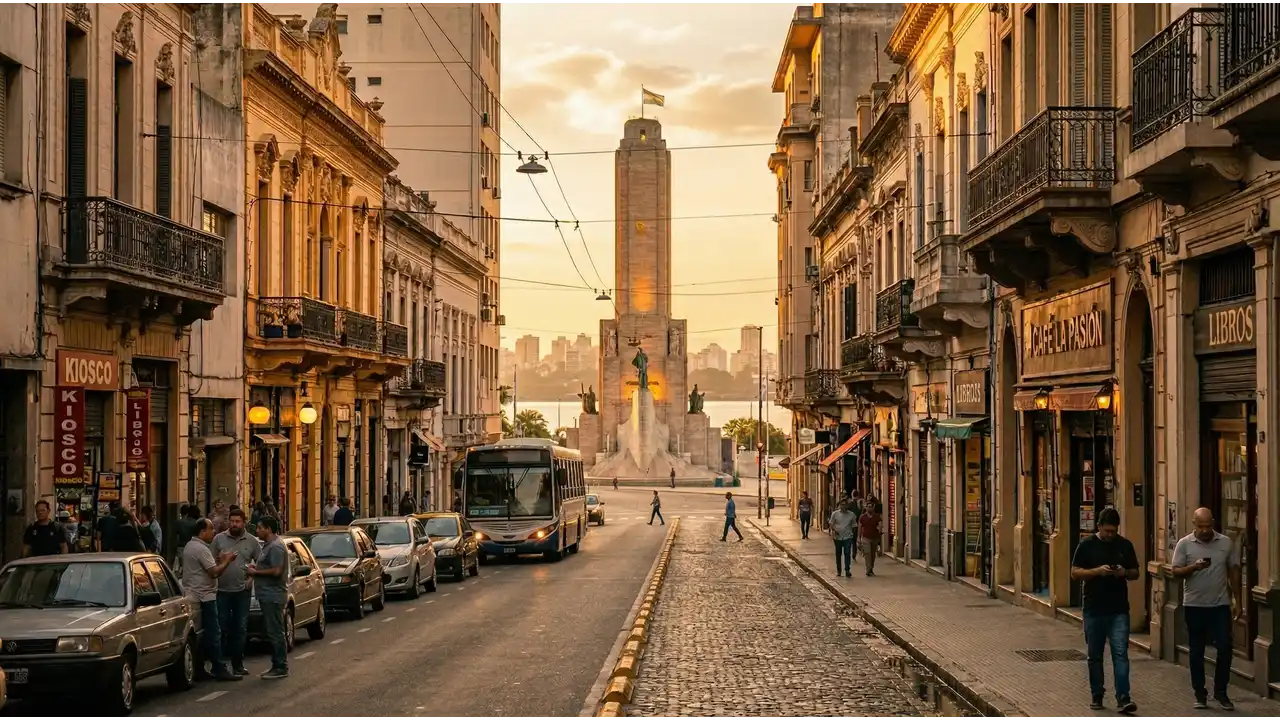
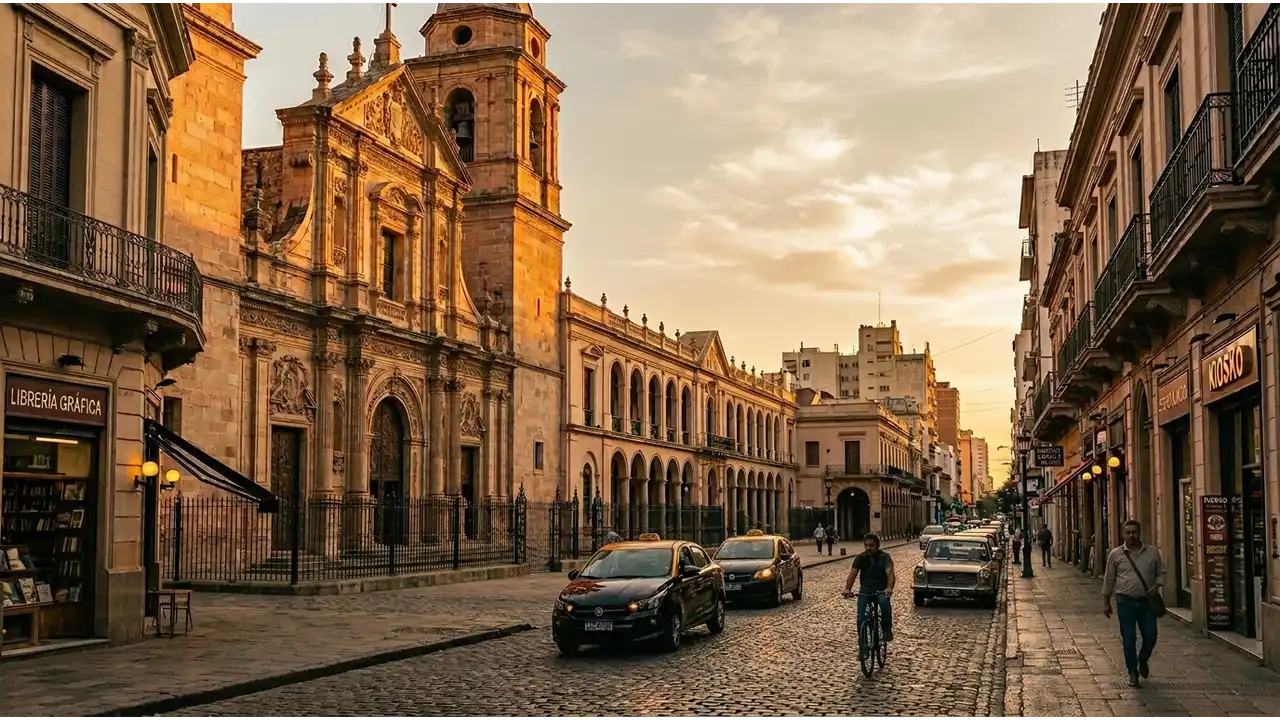
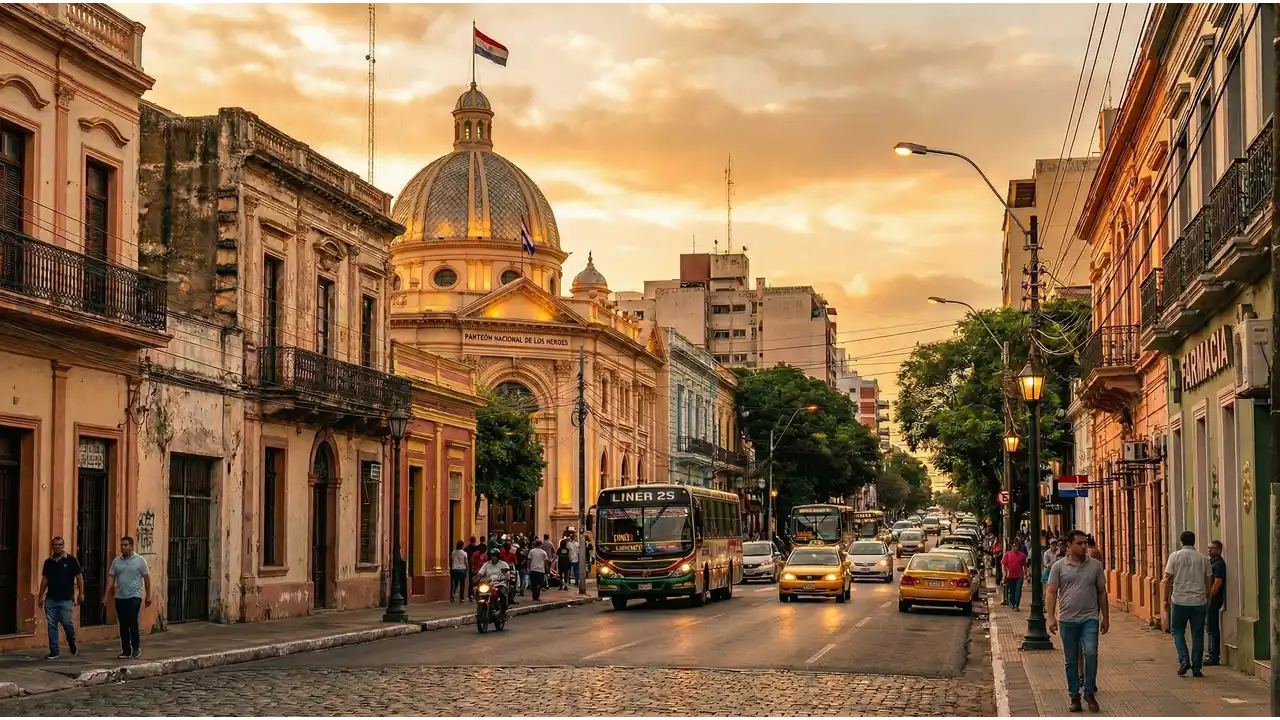
Montevideo is Uruguay's capital and largest city, home to roughly 1.3 million people in the metro area. It sits on the Rio de la Plata estuary with a temperate climate: warm summers (December-February, around 80 degrees Fahrenheit) and mild winters. The city has a European feel compared to other Latin American capitals, with wide avenues, Art Deco architecture, and a slower pace than Buenos Aires or Santiago. Daily life centers on plazas, cafes, and the rambla (waterfront promenade). Most residents speak Spanish; English proficiency varies by neighborhood and age. Public transit is reliable and affordable. The pace is deliberate, and bureaucracy moves slowly.
💡 Local Insights
Montevideo · 2026
Montevideo costs roughly $1,525 per month for a moderate lifestyle. Housing runs $586 per month for a one-bedroom apartment in established neighborhoods like Pocitos, Punta Carretas, or Centro. Prices drop in peripheral areas like Buceo or Malvin but remain stable across most of the city. Groceries average $303 monthly for self-catering; imported goods and dairy cost more. Eating out is affordable, with set lunch menus around $8-12. Public transit costs $0.70 per ride, and a monthly pass runs roughly $30. Expats often pay slightly more for certain housing in tourist-adjacent areas; locals negotiate better rates in Spanish. Utility costs (electricity, water, gas) run $80-120 monthly depending on season. Phone plans are cheap, around $15-30 for mobile data. Healthcare is good and subsidized for residents; private insurance adds $100-200 monthly. Currency fluctuations affect costs since many prices peg to USD informally.
Frequently Asked Questions
How much does it cost to live in Montevideo per month?
A moderate lifestyle costs $1,525 per month. This covers $586 in housing (one-bedroom apartment in central neighborhoods), $303 in groceries, $70-100 in utilities, $30 in public transit, $100-150 in dining out, and $200-300 in other expenses (phone, entertainment, insurance). A tight budget works on $915 monthly, cutting back significantly on dining and entertainment. A comfortable lifestyle with more dining out and occasional services runs $2,364 per month.
What is the average rent in Montevideo?
Average rent is $586 per month for a one-bedroom apartment in established neighborhoods like Pocitos, Punta Carretas, or Parque Rodó. Two-bedroom apartments run $700-900. Prices drop 15-20 percent in less central areas like Buceo or Malvin, while premium addresses near the rambla can reach $700-800 for one-bedroom units. Longer-term leases (6-12 months) often include modest discounts. Most landlords accept monthly payments in USD or Uruguayan pesos. Housing costs remain relatively stable across the metro area, with limited price variation by neighborhood.
Is Montevideo cheap to live in for expats?
Montevideo is moderately priced for Latin America, cheaper than Chile or Argentina's premium areas but more expensive than Paraguay or Bolivia. For expats from the US or Western Europe, rent and food are genuinely affordable. However, imported goods, electricity, and some services cost more than you might expect. Phone and internet are cheap. Healthcare quality is high and affordable. Expats often report good value compared to home, though not as rock-bottom as Central America. The trade-off is slower bureaucracy and smaller expat infrastructure than Buenos Aires.
How much does food cost per month in Montevideo?
Groceries average $303 per month for basic self-catering: beef ($6-8 per pound), cheese ($8-12 per pound), bread ($1.50-2 per loaf), vegetables ($2-4 per item), milk ($1.50 per liter), eggs ($2-3 per dozen). Imported items and organic produce cost significantly more. Eating out is affordable: set lunch menus run $8-12, casual dinners $10-18 per person. Supermarkets like Disco and Devoto are cheaper than neighborhood shops. Markets offer better prices. Restaurants in Pocitos or Ciudad Vieja charge more for expat-oriented venues.
What salary do you need to live comfortably in Montevideo?
A comfortable lifestyle requires roughly $2,364 per month. This allows $586-700 for housing (one or two-bedroom, choice of neighborhood), $350-400 for groceries plus regular dining out, $100-150 for utilities and transport, $300-400 for entertainment and services (gym, streaming, occasional activities), and $300-400 for contingencies. A monthly income of $2,500-2,800 (before tax) gives breathing room. Many expats live on less by choosing peripheral neighborhoods or reducing dining out, but $2,364 removes constant budget stress.
How does the cost of living in Montevideo compare to other places?
Montevideo sits in the middle range for Latin American capitals. A moderate lifestyle here costs $1,525 per month, with housing at $586 monthly. That makes it modestly more expensive than Bogotá, where you'd spend $1,075 for the same lifestyle and $513 on housing. San Salvador comes in as a near peer at $1,600 monthly overall, though housing there runs higher at $906. If you're comparing to beach destinations, Tulum is noticeably pricier at $1,900 per month with $1,022 in housing costs. Montevideo's advantage lies in stability and services relative to other regional cities at this price point. It's more expensive than Colombia's interior but significantly cheaper than Caribbean resort areas, making it a realistic choice for expats seeking a capital city experience without top-tier coastal prices.
Yes, but with strict discipline. Budget includes $500-550 for housing in outer neighborhoods (Tres Cruces, Goes, or shared apartments), $303 for groceries (minimal meat, lots of rice and pasta), $30-40 for transit, $30 for phone, and $50-85 for utilities and contingencies. Dining out is rare. This works for students or very frugal expats but leaves no safety margin. Most people find this unsustainable beyond a few months. A budget of $1,200-1,300 allows modest dignity without constant penny-pinching.