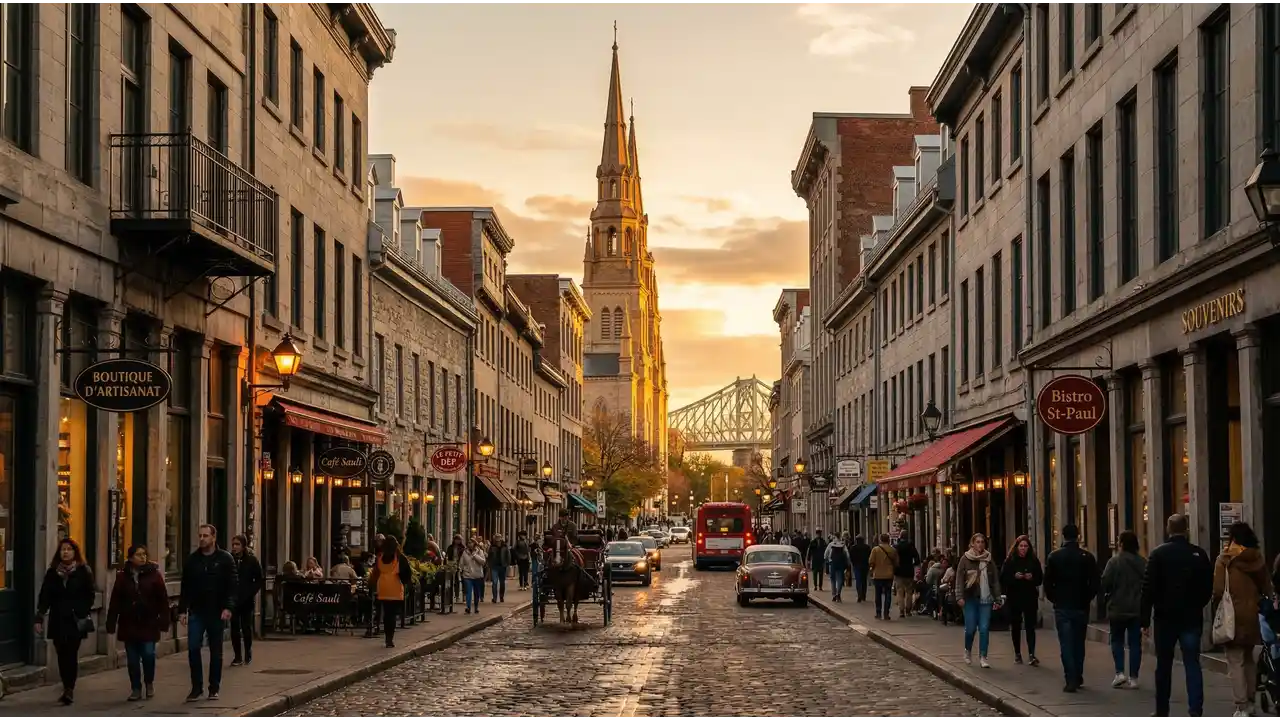
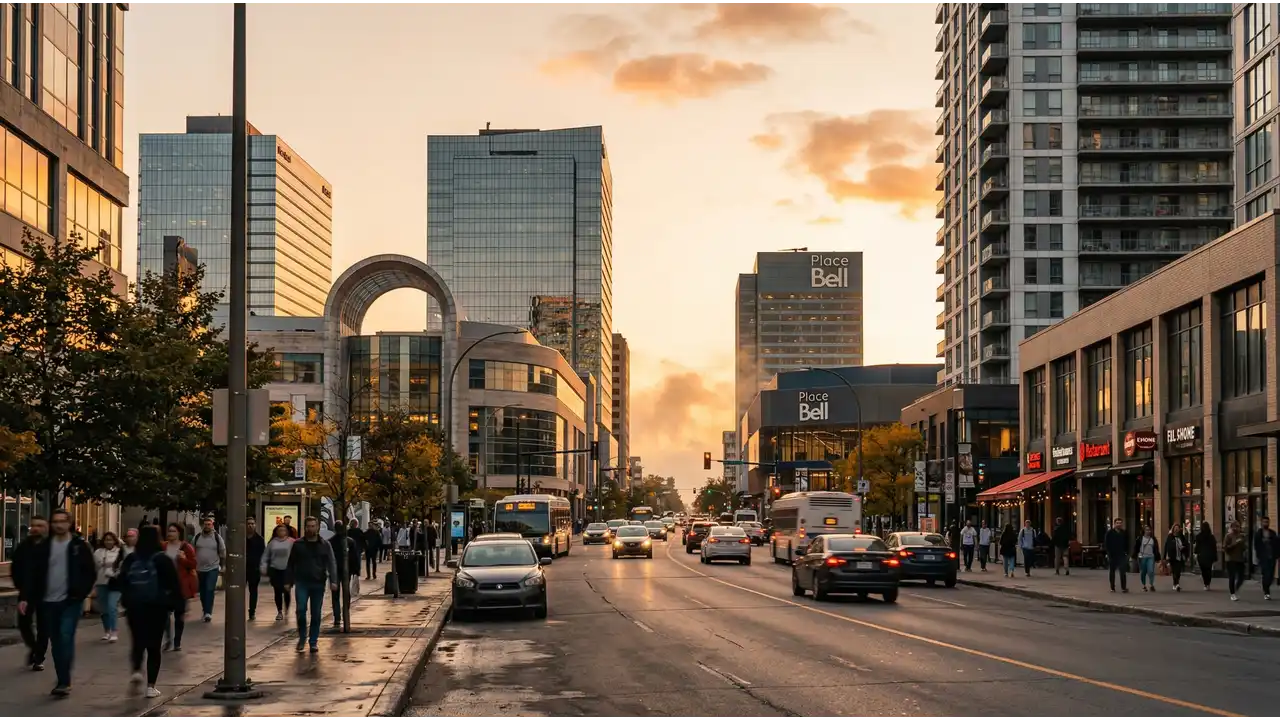
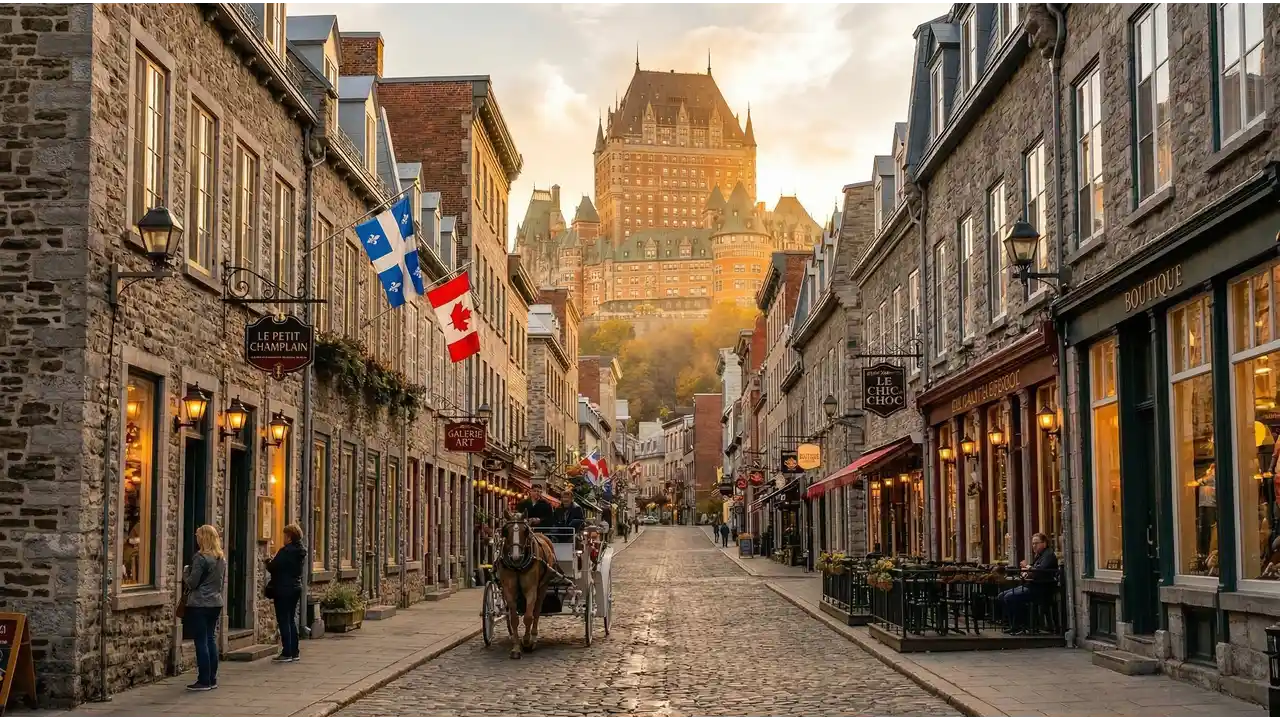
Montreal is Canada's second-largest city, located in Quebec on the Saint Lawrence River. The population is roughly 4.3 million in the metro area, with a significant French-speaking majority and substantial English-speaking communities. Winters are long and cold, dropping to minus 10 Celsius on average. The city has a distinct European feel in older neighborhoods like the Plateau and Old Montreal, with narrow streets, independent shops, and cafes. Daily life involves navigating a bilingual environment (French and English). Public transit via the metro and bus system covers most of the city. Summer weather is mild to warm, making outdoor culture active from May through September.
💡 Local Insights
Montreal · 2026
Montreal's cost of living sits well below major North American cities like Toronto or Vancouver, but housing remains the largest expense at $1,044 per month. Rent varies sharply by neighborhood. The Plateau, Griffintown, and parts of the Marais are popular with younger residents and expats, with one-bedroom apartments typically ranging from $900 to $1,200. Outlying areas like Rosemont or Villeray run $750 to $950 for comparable space. Groceries average $325 monthly for a moderate diet, cheaper than the US average, partly because the Quebec government regulates dairy prices. Eating out is affordable compared to American cities: a casual restaurant meal costs $12 to $18. Public transit is inexpensive at roughly $90 per month for unlimited access. Utilities (heating, electricity, water) typically add $120 to $180 monthly. The language barrier is real for non-French speakers but manageable in central areas and among younger populations. Job market and wages are generally lower than Ontario or Alberta, which affects long-term affordability for expats on local salaries.
Frequently Asked Questions
How much does it cost to live in Montreal per month?
A moderate lifestyle in Montreal costs $2,050 per month. This breaks down as: housing $1,044, groceries $325, utilities roughly $150, public transit $90, and discretionary spending on dining, entertainment, and personal care for the remainder. This assumes renting in a central or well-connected neighborhood and eating at home most days with occasional restaurant visits. The budget tier is $1,230 per month for minimal living (room rental, basic groceries, transit). A comfortable lifestyle runs $3,178 per month, allowing for better housing, frequent dining out, and leisure spending.
What is the average rent in Montreal?
Average rent is approximately $1,044 per month. A one-bedroom apartment in central neighborhoods like the Plateau, Griffintown, or the Marais typically rents for $950 to $1,150. Two-bedroom apartments range from $1,200 to $1,500 in these same areas. Less central neighborhoods like Rosemont, Villeray, or Hochelaga offer one-bedrooms for $750 to $900. Sharing an apartment or renting a room directly can drop housing costs to $600 to $750. Prices have risen over the past three years but remain lower than Toronto or Vancouver. French language fluency can sometimes unlock cheaper listings, particularly in older buildings or from private landlords advertising primarily in French.
Is Montreal cheap to live in for expats?
Montreal is reasonably affordable compared to major US cities like New York, Boston, or San Francisco, but not cheap. Rent is notably lower than those markets. For expats earning in US dollars or other strong currencies, the cost of living is very manageable. However, if you are taking a local Quebec or Canadian salary, you will find wages typically lag behind Ontario or Alberta, offsetting the lower housing costs. Healthcare and education are publicly funded, which reduces those line items for residents. Expats from Western Europe may find it slightly cheaper. Those from smaller North American cities or developing nations will likely find it expensive. The real advantage is the combination of walkability, public transit, and cultural amenities at a moderate price point, not bargain pricing.
How much does food cost per month in Montreal?
Groceries for a moderate diet average $325 per month for one person, or roughly $75 per week. A dozen eggs costs $3 to $4, a liter of milk $1.20 to $1.50, chicken breast $8 to $10 per pound, and local bread $3 to $4. Dairy products are notably cheaper than the US due to provincial price controls. Casual restaurant meals (burgers, poutine, sandwiches) run $12 to $18. Ethnic restaurants in neighborhoods like Little Italy or Little Ethiopia offer excellent value, with mains for $10 to $14. Grocery stores like Loblaws, Metro, and Costco are common. Food prices are broadly similar to the Canadian national average and lower than major US metropolitan centers.
What salary do you need to live comfortably in Montreal?
A comfortable lifestyle in Montreal costs $3,178 per month, suggesting a gross annual income of roughly $50,000 to $55,000 (accounting for taxes and deductions). This assumes you are renting a decent one or two-bedroom apartment in a good neighborhood, eating out one or two times per week, using public transit, and having budget for entertainment and travel. After-tax income in Quebec is typically 65 to 70 percent of gross salary, depending on your tax bracket. For a household of two, doubling that figure to roughly $100,000 annually provides comfortable living with some savings. Recent job postings in tech, healthcare, and professional services in Montreal range from $50,000 to $85,000 for mid-level roles, though this varies by field.
How does the cost of living in Montreal compare to other places?
Montreal sits in the middle of North American city costs. A moderate lifestyle here runs $2,050 per month, with housing at $1,044 per month.
Quebec City is the closest peer, at $1,975 monthly, making it slightly cheaper overall. If you're comparing to larger Canadian metros, Hamilton, Ontario costs considerably more at $2,575 per month, with housing running $1,219 per month. Montreal's rent advantage over Hamilton is real and worth factoring in if you're weighing Canadian options.
Internationally, Montreal is expensive. Ouagadougou costs $1,325 monthly with housing at $452 per month, reflecting the gap between North American and West African pricing. For most people relocating within Canada or from the US, Montreal offers reasonable value for a major city with functional transit and a real job market.
Yes, but with significant constraints. The $1,230 budget tier assumes renting a room or small apartment for $600 to $750, buying groceries for $250 to $300 per month (eating inexpensively at home), and minimizing discretionary spending. Public transit is affordable at roughly $90 per month. This leaves almost nothing for utilities, phone, internet, entertainment, or clothing. Most people on this budget are students with supplemental family support, early-career workers sharing housing, or individuals with subsidized housing. Illness, car repairs, or emergencies quickly create debt. It is technically possible but requires careful planning and limited financial cushion. Many people working entry-level jobs in Montreal ($18 to $24 per hour) effectively live on this budget or slightly above it ($1,400 to $1,600), often with roommates.