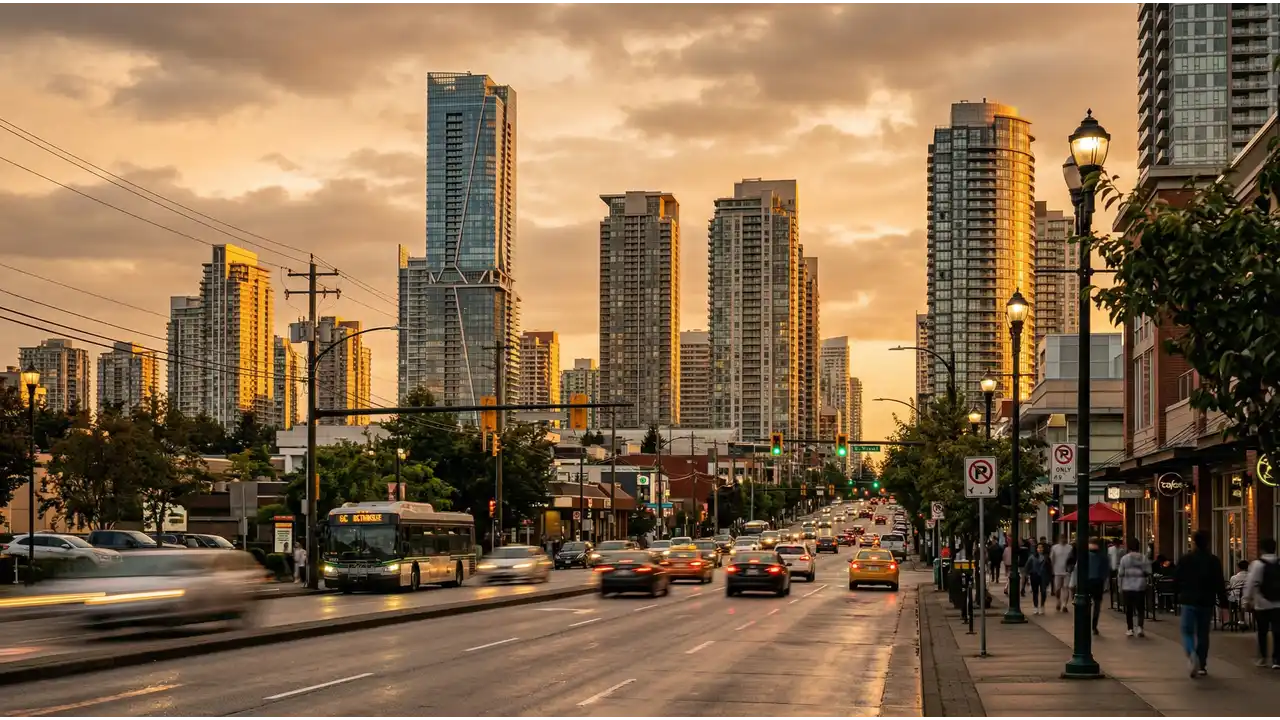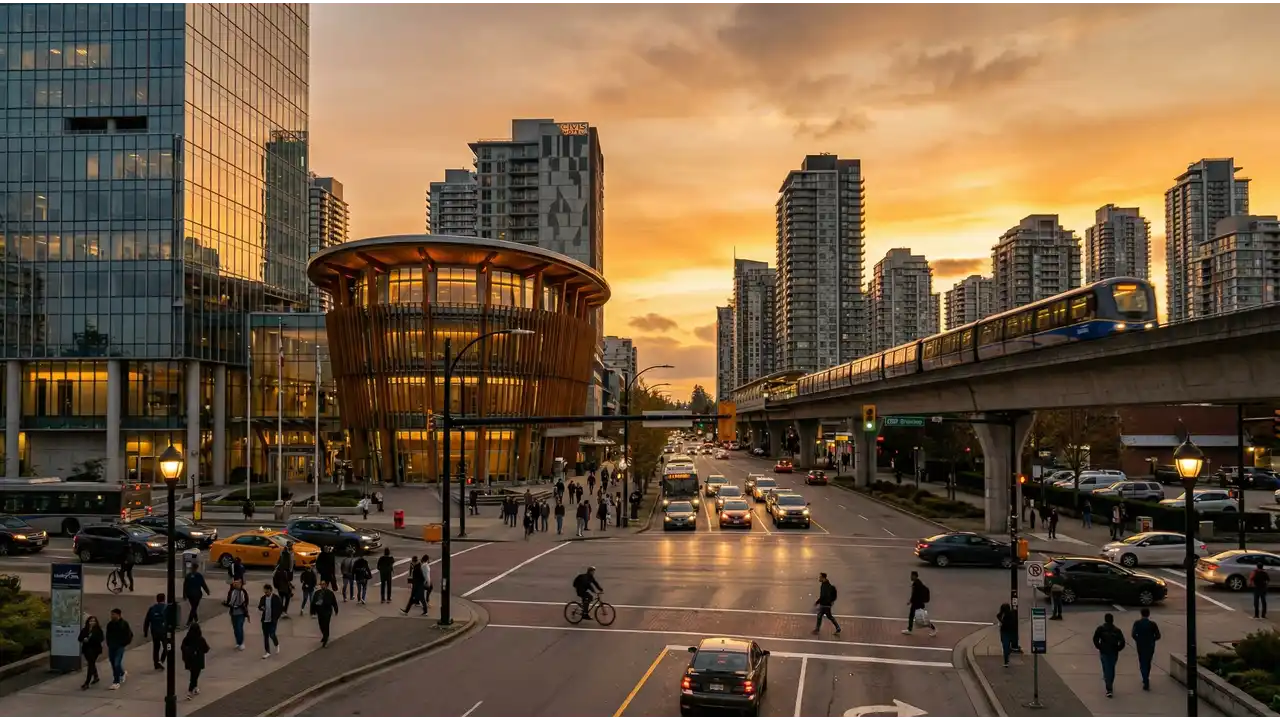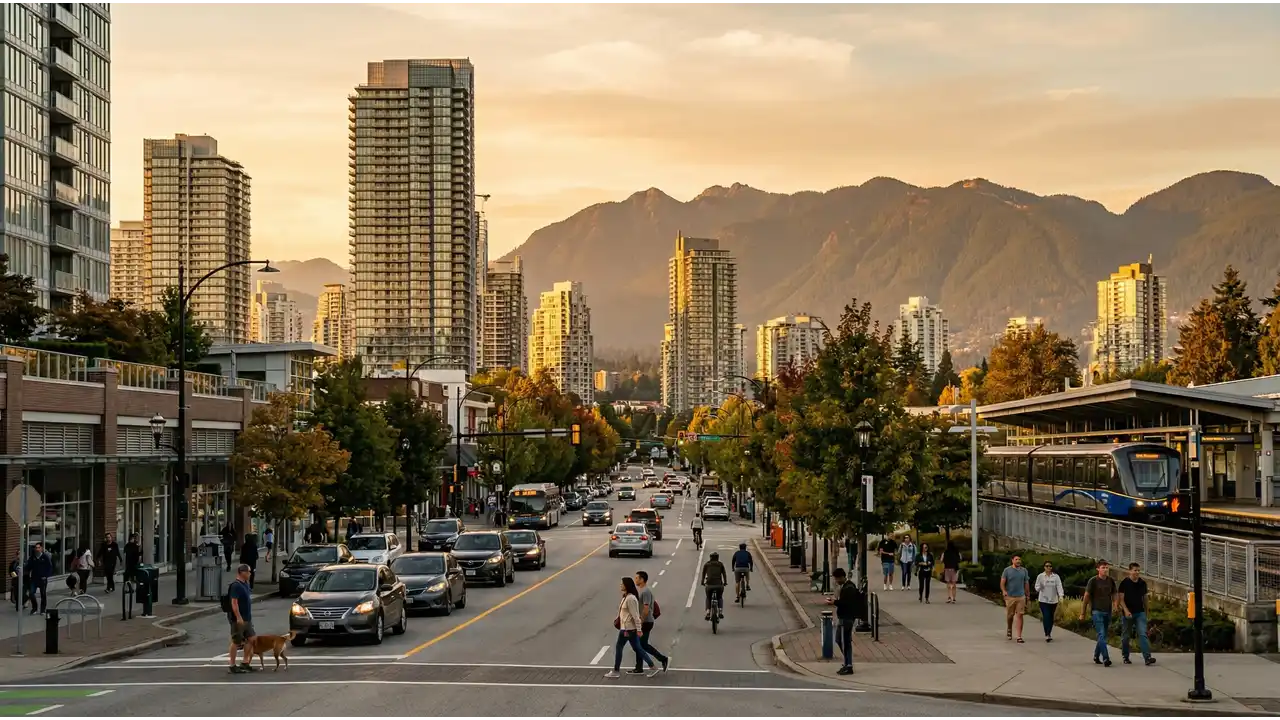
Vancouver is a Pacific coast city of roughly 650,000 people, surrounded by water and mountains. The climate is mild and wet, with little snow. The population is ethnically diverse, with significant Chinese, South Asian, and European communities. Daily life revolves around neighborhoods like Downtown, East Vancouver, and the West Side, each with distinct character. Most people drive, take transit (SkyTrain and buses), or walk to commercial districts. The food scene reflects immigration: Chinese dim sum, Indian curry, Vietnamese pho, and Italian delis coexist with upscale restaurants. Tech workers and retirees have moved here in recent decades, raising housing costs significantly. Outdoor recreation (hiking, skiing nearby, ocean access) is a core part of local culture.
💡 Local Insights
Vancouver · 2026
Housing is the cost driver in Vancouver. A one-bedroom apartment in central neighborhoods (Downtown, Mount Pleasant, Kitsilano) runs $1,800 to $2,200 per month. Outer neighborhoods (East Vancouver, Burnaby adjacent areas) offer $1,400 to $1,700. Buying property averages $1.2 to $1.8 million for a detached house, making ownership unaffordable for most newcomers. Groceries are 15 to 20 percent higher than US averages (Statistics Canada data), partly due to imports and agricultural seasonality. A couple buying groceries at mid-range stores spends $400 to $500 monthly. Dining out at casual restaurants costs $15 to $25 per meal. Transit passes are $98 monthly for unlimited travel. Expats pay the same rent as locals, but some face discrimination in rental markets. The $2,275 moderate budget assumes a one-bedroom rental, utilities, groceries, transit, and modest dining and entertainment. Salaries for tech and professional roles are 15 to 25 percent lower than comparable US cities, which narrows real purchasing power.
Frequently Asked Questions
How much does it cost to live in Vancouver per month?
A moderate lifestyle in Vancouver costs $2,275 per month. This covers rent for a one-bedroom apartment in a central location ($1,900 to $2,100), utilities ($150 to $180), groceries ($450 to $500), transit ($98), and dining and entertainment ($300 to $400). A tighter budget of $1,365 per month requires shared housing, minimal dining out, and transit use. A comfortable lifestyle (travel, restaurants, hobbies) costs $3,526 monthly. Housing consumes 60 to 75 percent of most budgets, making it the primary cost variable.
What is the average rent in Vancouver?
One-bedroom apartments in Downtown, Kitsilano, and Mount Pleasant rent for $1,800 to $2,200 per month. Two-bedroom units in these areas run $2,400 to $3,200. East Vancouver and neighborhoods like Strathcona are cheaper: one-bedroom apartments cost $1,400 to $1,700, two-bedroom $1,800 to $2,300. Shared rentals and basement suites in outer areas cost $900 to $1,400 for a private room. Burnaby and adjacent suburban areas are 10 to 20 percent cheaper than central Vancouver. Vacancy rates are low (under 2 percent), so competition is fierce and lease terms favor landlords.
Is Vancouver cheap to live in for expats?
Vancouver is expensive for expats. Housing costs rank among the highest in North America outside San Francisco. Salaries for comparable work run 15 to 25 percent lower than the US, reducing purchasing power. The city attracts wealthy international buyers, which pushes prices higher. Expats from South Asia, China, and the UK often find Vancouver affordable relative to their home cities, but North Americans adjusting from the US generally find it pricey. Tax rates are higher than most US states. The main advantage is public healthcare coverage after three months of residency, which cuts long-term costs.
How much does food cost per month in Vancouver?
Groceries for one person cost $200 to $280 per month at budget chains like Save-on-Foods and Costco. A couple spends $400 to $500. Prices are 15 to 20 percent above US averages. A loaf of bread costs $2.50 to $3.50, a dozen eggs $3.50 to $4.50, ground beef $6 to $8 per pound. Restaurants range from casual (Chinese, Indian, Vietnamese) at $12 to $18 per meal to upscale dining at $40 to $80. Coffee shops charge $5.50 to $6.50 for specialty drinks. Asian grocery stores and farmers markets (seasonal) offer some discounts.
What salary do you need to live comfortably in Vancouver?
A comfortable lifestyle costs $3,526 per month, which suggests a gross annual salary of roughly $55,000 to $60,000 for a single person after tax, or $90,000 to $100,000 for a couple. This allows rent in desirable neighborhoods, regular dining out, travel, and hobbies. Tech professionals, engineers, and managers in Vancouver earn $70,000 to $120,000 annually, putting them comfortably in this range. However, compare this to US counterparts earning 15 to 25 percent more for the same role. Dual incomes significantly improve comfort levels. A salary below $50,000 requires careful budgeting and often shared housing.
How does the cost of living in Vancouver compare to other places?
Vancouver is more expensive than Portland, Seattle, and Calgary on housing, but less expensive than San Francisco or Toronto on rent. A one-bedroom apartment in Portland costs $1,400 to $1,600, versus $1,800 to $2,100 in Vancouver. Seattle rents are comparable to Vancouver's central areas. Calgary is 30 to 40 percent cheaper overall. Compared to international expat destinations, Vancouver is pricier than Mexico City or Bangkok but less expensive than London or Sydney. For North American relocations, Vancouver costs roughly 20 percent more than Chicago or Denver but 30 percent less than the Bay Area.
Can you live in Vancouver on $1,365/month?
Yes, but with tight constraints. This budget requires a shared rental or basement suite ($700 to $900), transit or biking ($20 to $98), groceries ($250 to $300), utilities included in rent, and minimal dining out (self-cooked meals). Emergencies and unexpected costs quickly strain this budget. This tier suits students with parental support, people with free housing, or those supplementing with part-time work. Entertainment, hobbies, and travel are essentially cut out. Healthcare (public coverage after residency) helps, as does Costco membership for bulk groceries. Many people live on this budget but report stress around unexpected expenses like car repairs or dental work.
💰 What's Your Budget?
Enter your monthly budget and see what lifestyle you can afford in Vancouver.