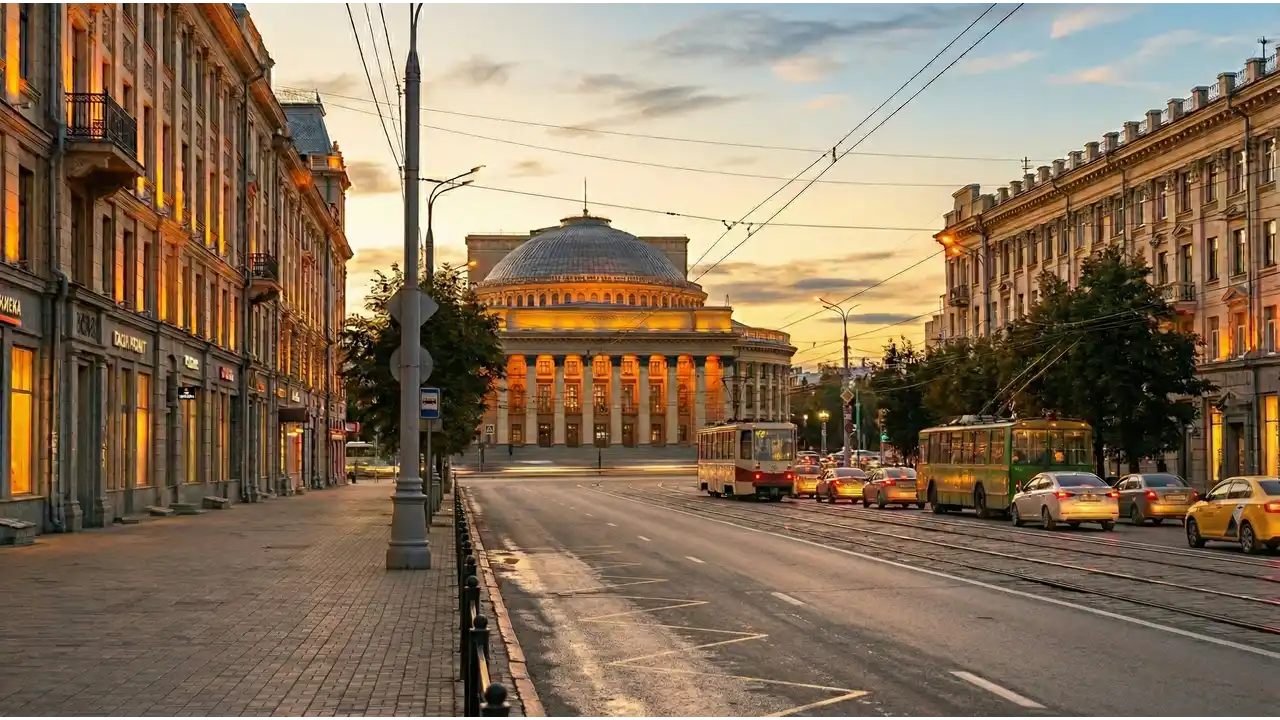
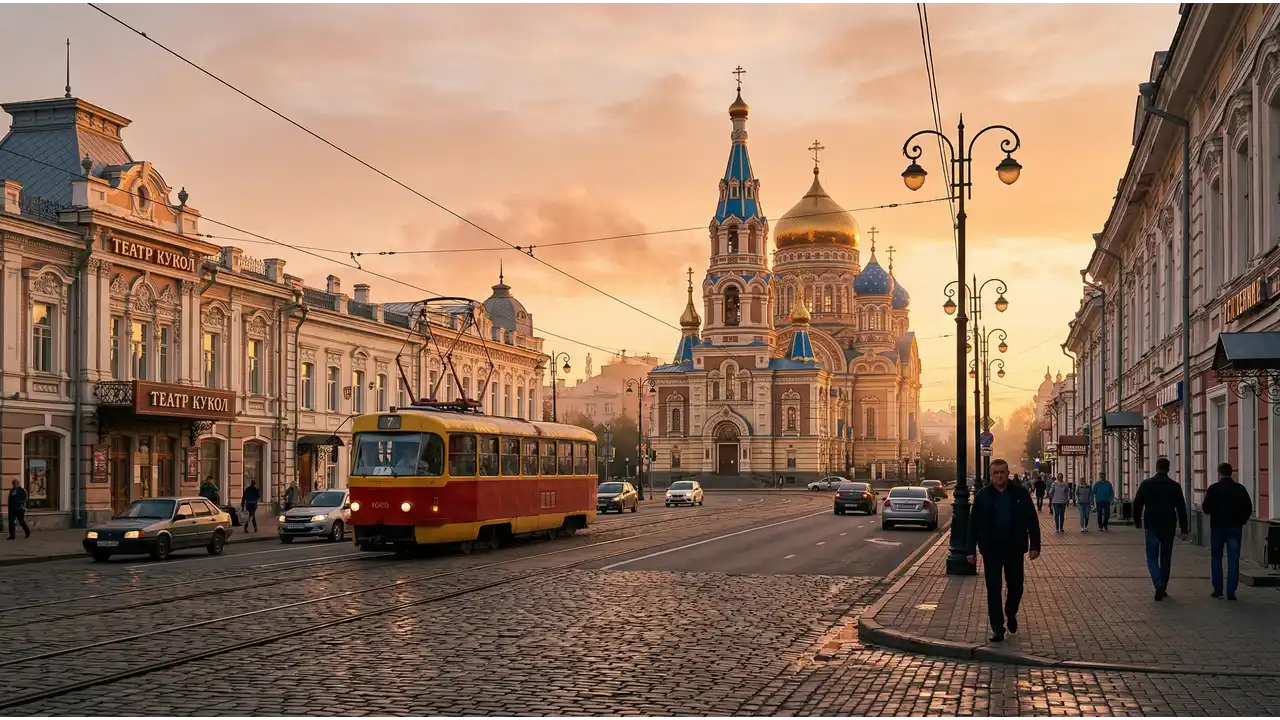
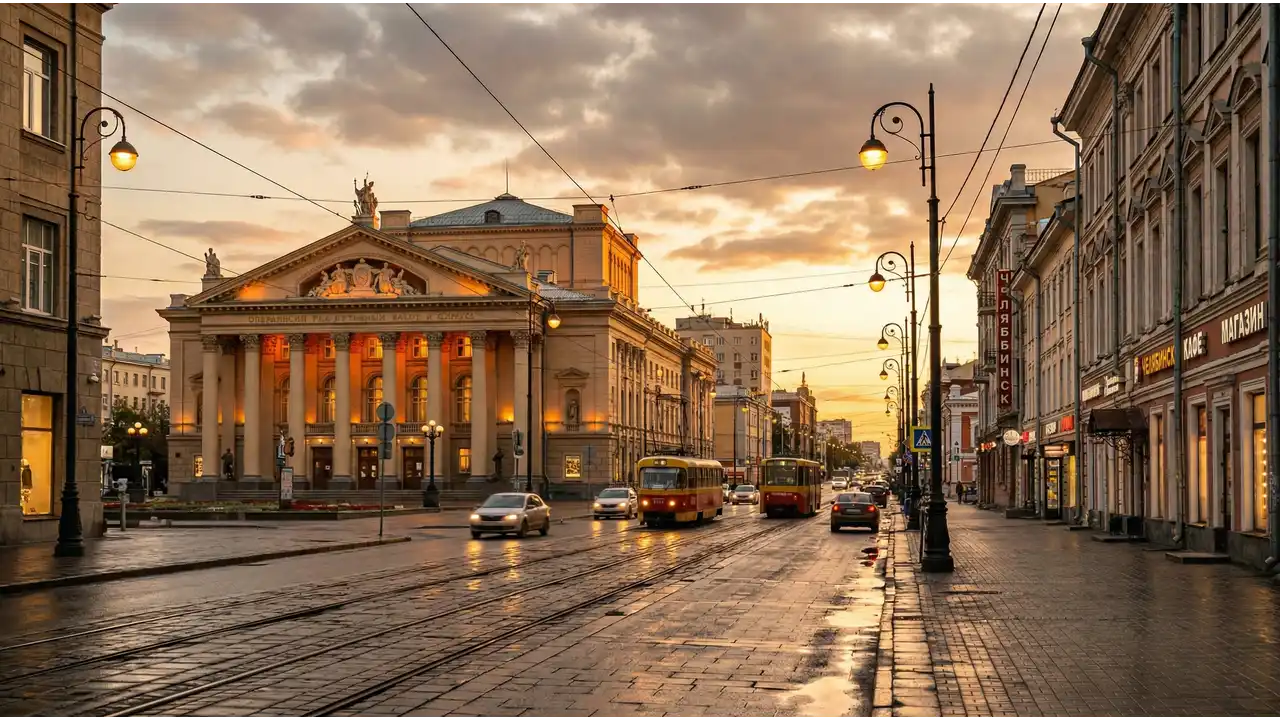
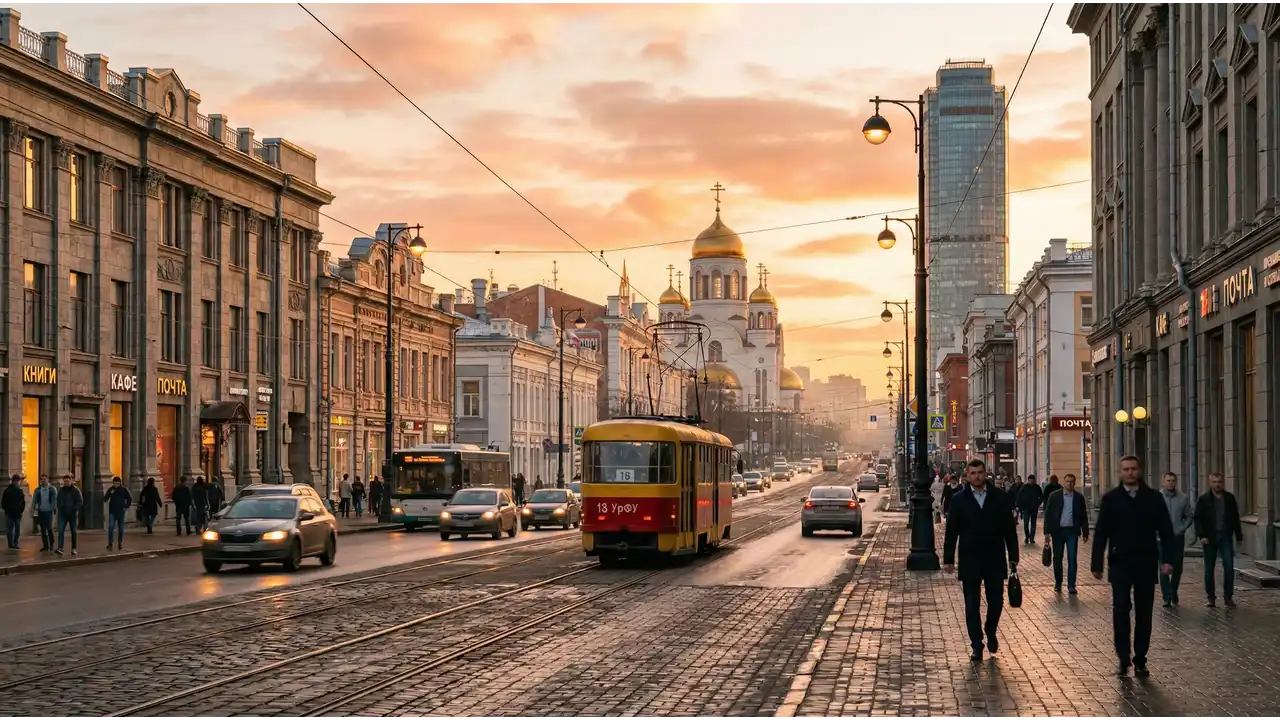
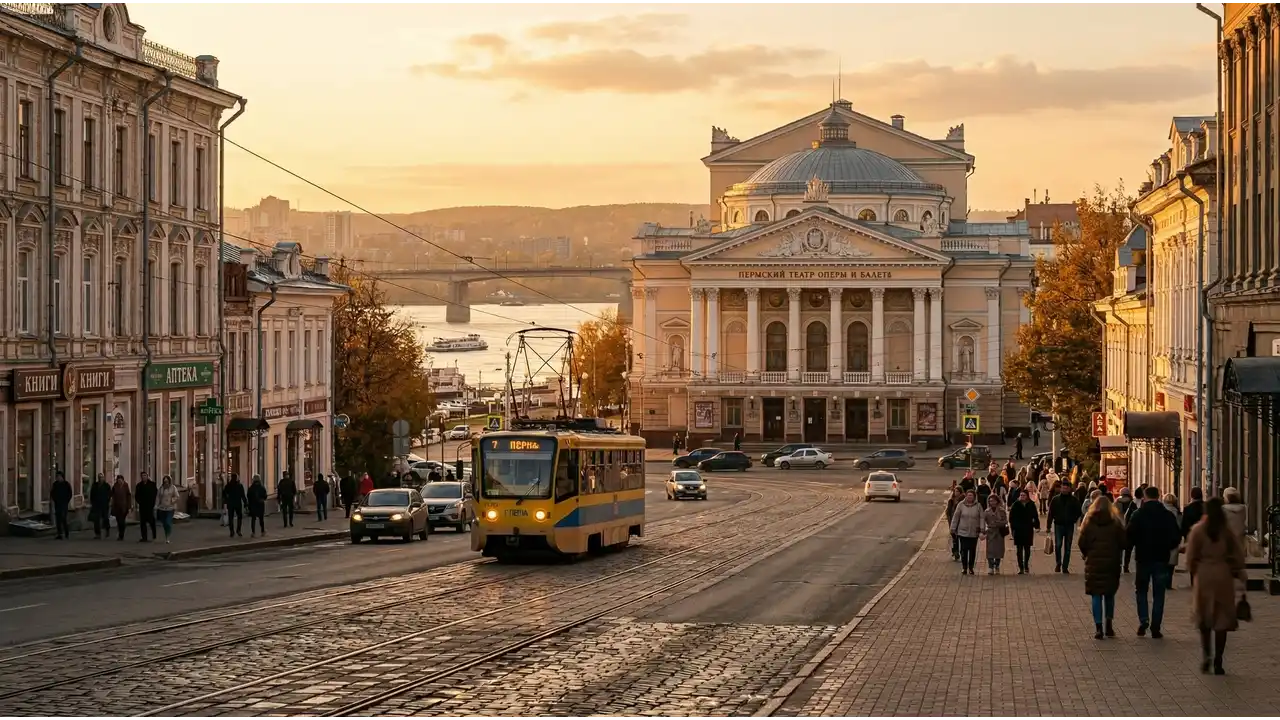
Novosibirsk is Russia's third-largest city, straddling the Ob River in southwestern Siberia. Winter temperatures drop to minus 20 Celsius regularly, and the city empties into snow for five months annually. The population is around 1.6 million, mostly Russian speakers with a small expat community. Daily life centers on work, family, and indoor socializing. Public transport (metro, buses, trams) is reliable and cheap. Supermarkets stock both Russian staples and imported goods. Most expats cluster in central neighborhoods near the metro. The city lacks the tourist infrastructure of Moscow or St. Petersburg, making it genuinely local and substantially cheaper.
💡 Local Insights
Novosibirsk · 2026
Housing costs are low by global expat standards. A one-bedroom apartment in central neighborhoods like Zavedensky or Studencheskaya runs around $400-$500 per month, while studio apartments in less central areas drop to $300-$350. Shared accommodation or rooms rent for $150-$250. Utility costs (heat, water, electricity) add $60-$100 monthly in winter due to extreme climate. Groceries are inexpensive if you shop at local markets and Russian chain supermarkets. A month's groceries for one person costs roughly $191, with bread at $0.50-$1, milk at $1.50-$2, and chicken at $4-$6 per kilogram. Eating out at casual cafes costs $3-$8 per meal. The metro card is prepaid and very cheap (roughly $0.50 per ride). Transportation rarely exceeds expat budgets. One significant cost driver: visa registration and documentation fees, which can add $100-$300 if using an agency rather than employer support. Expat pricing exists mainly in Western-brand stores and upscale restaurants, not in daily essentials.
Frequently Asked Questions
How much does it cost to live in Novosibirsk per month?
A moderate lifestyle in Novosibirsk costs around $1,050 per month. This breaks down roughly as: housing $459, groceries $191, transport $40-$60, utilities $70-$100, and discretionary spending (dining out, entertainment, personal care) $200-$250. At the budget tier, you can live on $630 monthly by choosing cheaper housing ($300-$350), cooking at home, using public transit, and limiting social spending. At the comfortable tier, $1,628 per month allows for larger housing, dining out regularly, occasional travel, and more leisure activities. These figures assume you have visa and registration sorted (one-time costs).
What is the average rent in Novosibirsk?
Average rent in Novosibirsk is around $459 per month for a one-bedroom apartment. In central, metro-accessible neighborhoods like Zavedensky or Studencheskaya, expect $400-$520 for a one-bedroom. Studio apartments in the same areas run $280-$380. Outer districts and less central locations offer one-bedrooms for $300-$400. Shared housing or single rooms rent for $150-$250 monthly. Utility bills add $60-$100 extra per month, with heating costs spiking in winter (October through April). Most landlords accept payment in rubles via bank transfer. Furnished apartments command a 20-30 percent premium over unfurnished.
Is Novosibirsk cheap to live in for expats?
Yes, Novosibirsk is substantially cheaper than Western Europe, North America, or Moscow. At $1,050 monthly for a moderate lifestyle, it costs roughly one-third of what you might spend in London or San Francisco. However, living here requires accepting trade-offs: extreme winters, limited English, less developed expat social infrastructure, and visa complications. For remote workers earning Western salaries, Novosibirsk offers excellent value and comfort. For those earning local salaries, the math becomes tighter. The city attracts expats working for international companies, teachers, and digital nomads. Long-term residents find the cost-of-living advantage erodes if you chase Western comforts (imported foods, Western restaurants, private healthcare).
How much does food cost per month in Novosibirsk?
Groceries for one person average $191 per month if you shop at local markets and Russian chain supermarkets. Bread costs $0.50-$1, milk $1.50-$2 per liter, eggs $1-$1.50 per dozen, chicken $4-$6 per kilogram, and seasonal vegetables $0.80-$2 per kilogram. Eating at casual Russian cafes or canteens costs $3-$5 per meal. Mid-range restaurants charge $8-$15 per person. Western chain restaurants and expat-oriented places run $15-$25. Alcohol is cheap: domestic beer $1-$2 per bottle, vodka $8-$15 per bottle. Shopping at Auchan, Magnit, or local outdoor markets keeps costs low. Imported Western goods at supermarkets cost significantly more but are not necessary for everyday living.
What salary do you need to live comfortably in Novosibirsk?
A comfortable lifestyle in Novosibirsk requires around $1,628 per month. This allows for a larger or centrally located apartment ($600-$700), dining out 5-10 times per month, occasional domestic travel, gym membership, entertainment, and some cushion for unexpected expenses. In local currency terms, this is roughly 160,000-180,000 rubles monthly, which is well above average local salaries but achievable for remote workers, expat employees, or business owners. If you earn less ($1,050-$1,200 per month), you can live well but must budget carefully and skip expensive activities. Below $630 monthly, comfort becomes limited unless you accept shared housing, cook exclusively at home, and use free activities for entertainment.
How does the cost of living in Novosibirsk compare to other places?
Novosibirsk is genuinely affordable compared to most European cities. A moderate lifestyle costs $1,050 per month, with housing at $459 per month. You'll find it slightly cheaper than Kazan, its peer Russian city, where a moderate lifestyle runs $1,100 monthly with housing at $504. Odesa offers lower costs overall at $800 per month for a moderate lifestyle, though it's in a different country and economic context. The real gap appears when comparing Novosibirsk to Western Europe. Thessaloniki, a comparable-size Greek city, costs substantially more at $1,475 per month for a moderate lifestyle and $566 for housing. Novosibirsk's pricing reflects Russia's regional economy and lower service costs, making it accessible for remote workers, students, and anyone seeking genuine affordability without sacrificing urban amenities.
Yes, but with significant constraints. At $630 monthly, you must: rent a room or small studio in outer districts ($250-$350), cook almost exclusively at home using local groceries ($150-$180), use public transit exclusively ($30-$40), and avoid restaurants, entertainment, and nightlife. Healthcare, visa renewal, and emergency costs become stressful without savings. This budget works if you earn in rubles (as many local employees do) or if you have external support. Remote workers with Western salaries can manage this budget easily and save heavily. Long-term expats rarely live this frugally by choice, but short-term visitors or students can stretch $630 across a month with discipline and low expectations for comfort.