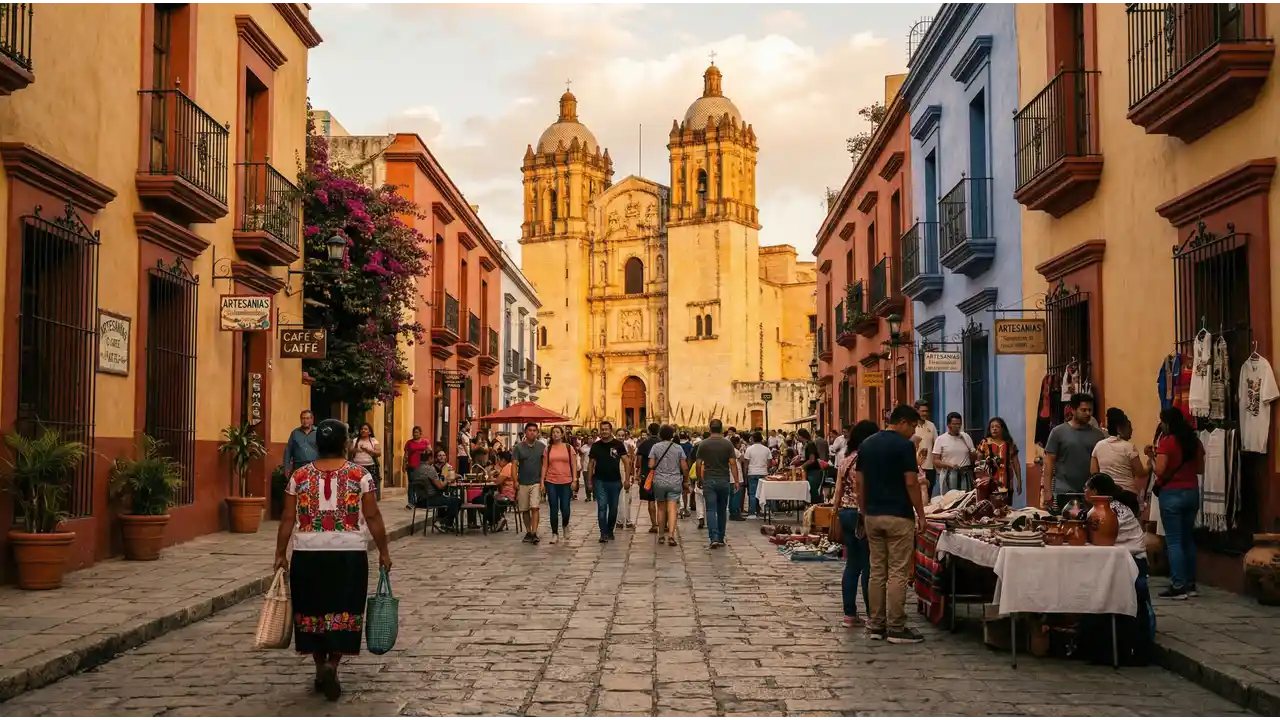
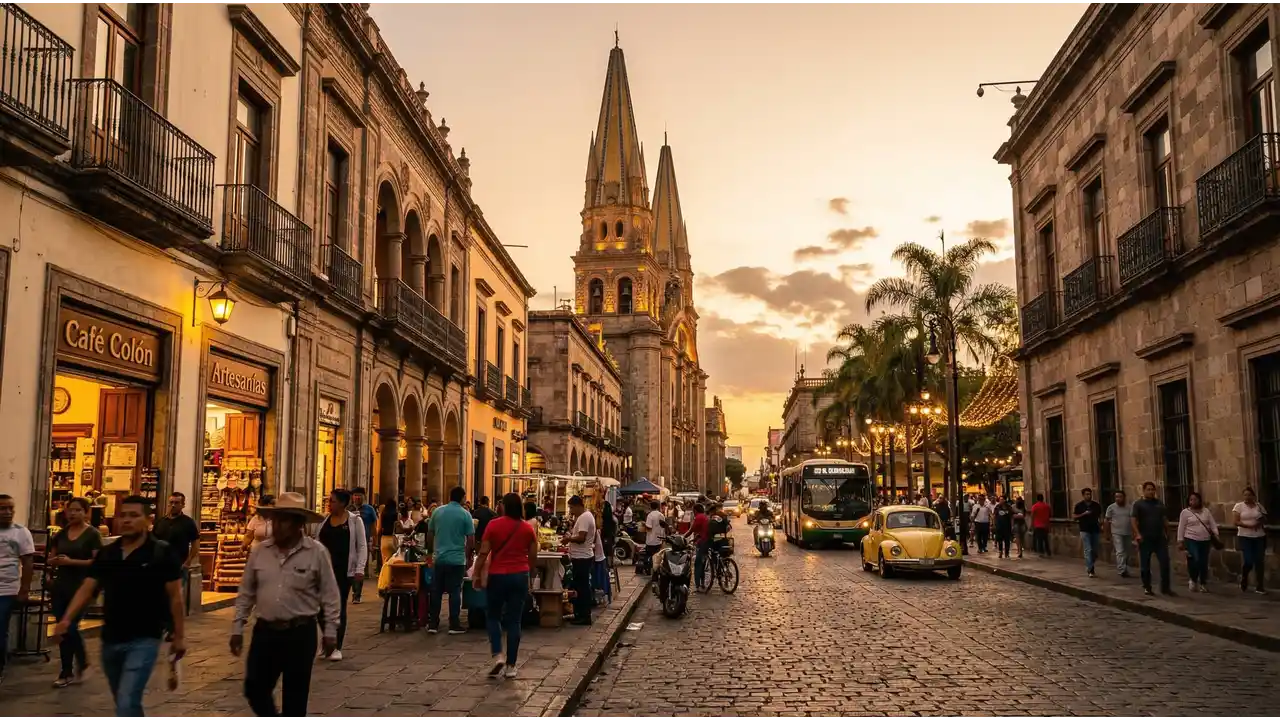
Oaxaca is a colonial city in southern Mexico known for indigenous culture, traditional markets, and Spanish architecture. The Centro (historic center) draws tourists and expats, while residential neighborhoods like Xochimilco and Jalatlaco remain primarily local. Daily life revolves around markets, small family restaurants, and a slower pace than Mexico City. The climate is mild year-round, around 70 degrees Fahrenheit. Most residents speak Spanish; English is limited outside tourist zones. Street food and mercados (markets) anchor daily routines. The city has consistent internet and water but infrastructure gaps in outlying areas. September through November bring rain.
💡 Local Insights
Oaxaca · 2026
Oaxaca's cost advantage comes from lower housing and food prices relative to expat destinations like Playa del Carmen or Mexico City. Housing averages $671 per month, covering everything from modest local apartments to furnished rentals in expat-friendly neighborhoods. Groceries run about $284 monthly if you cook at home and shop in local markets rather than imported-goods stores. Eating out is cheap: comida (lunch set meal) costs $2-4, street tacos $0.50-1 each. Transportation is minimal; local buses run under $0.50 per ride, and the city is walkable. However, expats often pay 20-40 percent more than locals for identical rentals in Centro. Utilities, healthcare, and imported goods add hidden costs. Remote workers earning in dollars find significant purchasing power, but living costs rise notably if you prefer restaurant meals, imported groceries, or private healthcare over public clinics.
Frequently Asked Questions
How much does it cost to live in Oaxaca per month?
A moderate lifestyle in Oaxaca costs around $1,550 per month. Housing runs $671 monthly, groceries $284, with the remainder covering utilities ($40-60), internet ($20-40), local transport ($15-25), and entertainment. A more frugal budget of $930 monthly is feasible if you share housing, cook extensively, and avoid restaurants. Comfortable living at $2,403 monthly includes nicer accommodations, regular dining out, and occasional travel. Costs vary significantly between Centro (tourist areas) and residential neighborhoods like Xochimilco, where locals live more affordably.
What is the average rent in Oaxaca?
Average housing costs $671 per month. A furnished one-bedroom apartment in Centro rents for $600-900, while similar units in local neighborhoods like Jalatlaco or Xochimilco run $400-650. Unfurnished rentals are cheaper. Long-term leases (3+ months) often negotiate lower rates than short-term rentals. Expats typically pay 30-50 percent premiums in Centro compared to locals in the same buildings. Utilities (water, gas, electricity) add $40-60 monthly. Property listings appear on Airbnb long-term, Facebook expat groups, and local real estate agents. Availability fluctuates seasonally.
Is Oaxaca cheap to live in for expats?
Yes, compared to US or European cities, Oaxaca is affordable. Compared to other Mexican expat hubs like Merida or San Miguel de Allende, costs are similar or slightly lower. The advantage depends on your reference point and lifestyle. Remote workers earning US dollars find exceptional purchasing power. However, "cheap" is relative; expats often spend more than locals on the same services due to language barriers, preference for imported goods, or settling in tourist zones. Healthcare, flights home, and visa costs can offset savings. For budget-conscious travelers or digital nomads with stable income, Oaxaca remains cost-effective.
How much does food cost per month in Oaxaca?
Grocery shopping runs $284 monthly for a single person cooking at home. Markets sell vegetables for $0.30-0.80 per pound, chicken $2-3 per pound, eggs $1 per dozen, beans and rice in bulk for $0.50-1 per pound. A comida (three-course lunch) at a local restaurant costs $2-4. Street tacos are $0.50-1 each. Imported groceries at supermarkets cost 50-100 percent more. Eating out regularly pushes monthly food costs to $400-600. Mercados like Central de Abastos offer the cheapest produce and prepared foods; supermarkets like Soriana are convenient but pricier.
What salary do you need to live comfortably in Oaxaca?
Comfortable living costs around $2,403 per month. This covers nicer housing ($900-1,100), dining out regularly, utilities, internet, and occasional travel within Mexico. For remote workers, a monthly income of $2,500-3,000 USD provides genuine comfort and savings. Consider visa requirements: Mexico's Temporary Resident visa requires demonstrating $2,700+ monthly income or $45,000 in savings. A Visitor Permit (FMM) has no income requirement but limits stays to 180 days. Including visa-related costs, healthcare, and occasional flights home, budget $3,000+ monthly for sustained comfortable living without financial stress.
How does the cost of living in Oaxaca compare to other places?
Oaxaca is genuinely affordable compared to most major Latin American cities. A moderate lifestyle here costs $1,550 per month, with housing at $671 monthly. That puts it on par with Guadalajara, which also runs $1,500 for a moderate budget, though Guadalajara's housing is notably pricier at $783 per month. If you're looking for cheaper options, Guayaquil undercuts both at $1,050 monthly with $435 housing. On the other end, Panama City is substantially more expensive at $1,950 total with $1,144 in housing costs. For anyone relocating from North America or Western Europe, Oaxaca offers serious purchasing power. The real advantage here isn't just the baseline cost but what your money actually buys: good food, colonial architecture, and established expat infrastructure that doesn't exist everywhere.
Yes, but with significant trade-offs. $930 monthly works if you share housing ($250-350/person), cook almost all meals, use local transport exclusively, and avoid restaurants and nightlife. Groceries and food might require strict budgeting to stay near $284. Internet, phone, and utilities consume $60-80 monthly. This leaves minimal buffer for clothing, healthcare, travel, or emergencies. Solo travelers managing $930 should expect a modest lifestyle in residential neighborhoods, far from Centro tourist zones. Healthcare emergencies or visa renewals quickly strain the budget. Digital nomads with emergency savings can sustain this; those without reliable income should budget $1,200+ for comfort and security.