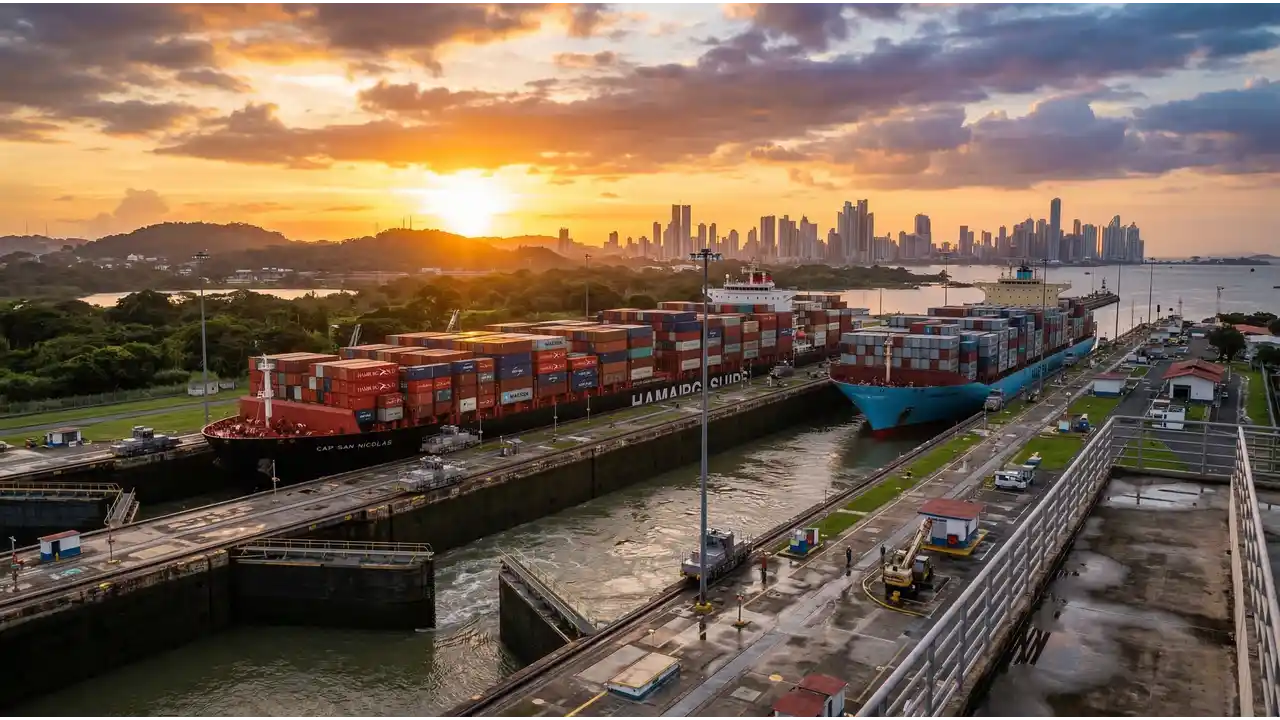
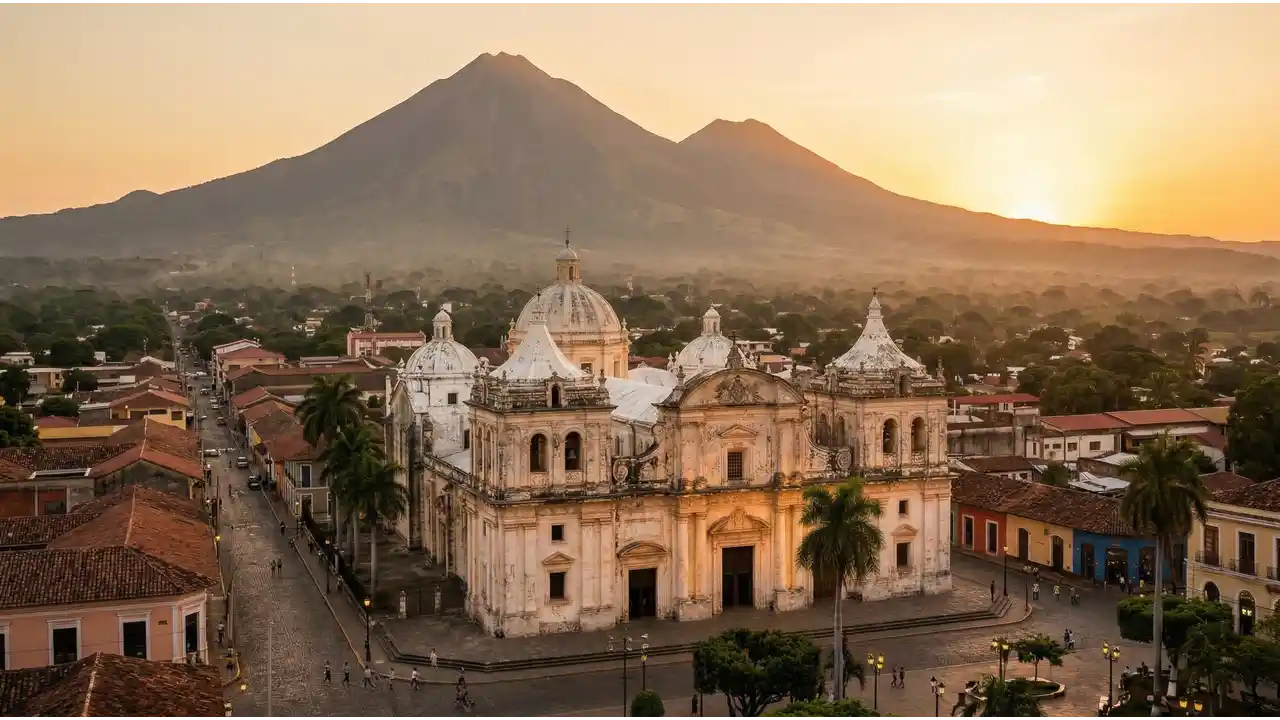
Panama is a transit hub and financial center squeezed between two oceans. The country mixes old colonial districts with modern high-rises, particularly in Panama City. Spanish is the primary language, though English is common in business and expat circles. The climate is tropical: hot, humid, and rainy May through December. Daily life centers on the capital; outside it, towns are smaller and quieter. Expats form visible communities, especially in Casco Viejo and Clayton neighborhoods. Cost of living is moderate for Central America, cheaper than much of the US but not a budget destination. Public buses are the main transport; private cars and taxis fill the roads. Food is a mix of local staples and imported goods.
💡 Local Insights
Panama · 2026
Panama's cost structure reflects its role as a financial and logistics hub. Housing around $951/month covers modest apartments in suburban neighborhoods or older units in central areas. Casco Viejo, the gentrified colonial quarter, commands higher prices. Clayton and Paitilla (modern neighborhoods) sit in the middle range. Outside Panama City, rents drop significantly. Groceries run about $242/month for local markets and supermarkets. Fresh produce and local staples are cheap; imported goods cost 30-50% more than US prices. Eating out ranges from $4 street meals to $20-plus restaurant dinners. Transport is inexpensive: metro trips cost about $0.35, and taxis are metered and affordable. Many expats use private transport, which adds to monthly budgets. Utilities (water, electricity, internet) typically run $100-150/month. Healthcare and schooling vary wildly depending on whether you use private or public systems. Local wages are lower than the US, which affects service costs but not imports. The official currency is the US dollar, eliminating exchange-rate friction.
Frequently Asked Questions
How much does it cost to live in Panama per month?
A moderate lifestyle in Panama costs around $1,700/month. That breaks down roughly as $951 for housing (rent, utilities, basic maintenance), $242 for groceries, and the remainder split between transport, dining out, entertainment, and personal goods. A budget lifestyle runs closer to $1,020/month by cutting back on dining out and housing options. A comfortable lifestyle, with more spacious housing and regular restaurant meals, runs $2,635/month. Costs vary significantly by neighborhood and whether you rely on private transport or public systems.
What is the average rent in Panama?
Average rent sits around $951/month. This typically covers a one-bedroom apartment in outer suburbs or an older unit in central neighborhoods. In Casco Viejo (the gentrified colonial district) or newer developments like Clayton, expect $1,200-1,800 for comparable space. In Paitilla or Avenida Balboa, modern two-bedroom apartments run $1,100-1,400. Outside Panama City (San Blas, Bocas del Toro, or beach towns), rent drops to $500-800 for similar units. Utilities add roughly $80-120/month. Furnished vs unfurnished makes a difference; furnished rentals often run 10-20% higher but are common for shorter-term expat stays.
Is Panama cheap to live in for expats?
Panama is moderately priced, not cheap by Central American standards but cheaper than most of North America or Western Europe. It is pricier than Guatemala, Honduras, or Nicaragua but comparable to Costa Rica in many categories. The trade-off is infrastructure quality: roads, utilities, and healthcare services are more reliable in Panama than in poorer neighbors, which justifies higher costs. Expats often spend more than local wages suggest because they gravitate toward modern housing, imported goods, and private services. On $1,700/month, you live comfortably but not lavishly. On $2,600+, you enjoy a middle-class expat lifestyle with choices.
How much does food cost per month in Panama?
Groceries average $242/month for one person buying at local supermarkets and street markets. Rice, beans, plantains, eggs, and local fish are cheap. Imported foods (cheese, cereals, meats) cost 30-50% more than US prices. A simple meal at a comedor (local lunch spot) costs $2-4. Mid-range restaurants charge $10-15 per person. Supermarkets like El Rey and Carrefour stock both local and imported goods. Public markets (Mercado de Abastos in San Miguelito) offer lower prices but require Spanish skills and navigation. Eating out regularly raises food spending to $400-600/month; cooking at home keeps it close to $242.
What salary do you need to live comfortably in Panama?
A comfortable lifestyle costs around $2,635/month. That usually means a two-bedroom apartment in a modern or expat-friendly neighborhood ($1,200-1,500), regular restaurant meals and social outings ($500-700), private transport or frequent taxis ($200-300), utilities and internet ($120), and discretionary spending on travel or hobbies ($200-300). In Panama City, $2,600-3,200/month supports a solid middle-class lifestyle with modest luxuries. Outside the capital, $2,000-2,300 stretches further. Expats often target higher to account for healthcare, international travel, and currency fluctuations, though the Panamanian balboa is fixed to the US dollar, eliminating that risk.
How does the cost of living in Panama compare to other places?
Panama's moderate lifestyle costs $1,700 per month, with housing at $951 per month. That puts it roughly in the middle of the Latin American range. Peru is noticeably cheaper, where a moderate lifestyle runs $1,200 per month and housing costs $463 per month. Costa Rica is a near peer, at $1,775 per month for a moderate lifestyle, though housing there is slightly less expensive at $832 per month. If you're coming from the United States, Panama is a genuine step down in cost. Iowa, for comparison, runs $2,375 per month for the same moderate lifestyle, with housing at $840 per month. The main savings in Panama come outside housing, particularly in food, transportation, and daily services, where dollars stretch further than in North American equivalents.
Yes, but it requires discipline. That budget tier typically means renting a one-bedroom in outer neighborhoods or smaller towns outside Panama City ($500-700/month), buying exclusively at local markets and cooking all meals ($200-250/month), using public transport ($30-40/month), and minimizing entertainment and dining out. Utilities and basic phone/internet add $80-120. This leaves almost nothing for travel, healthcare beyond basics, or emergencies. Most people on this budget are either local workers or long-term expats in established situations. It is doable but offers little margin for error or pleasure spending. Many who move on this budget quickly increase it once they understand local costs or encounter unexpected needs.