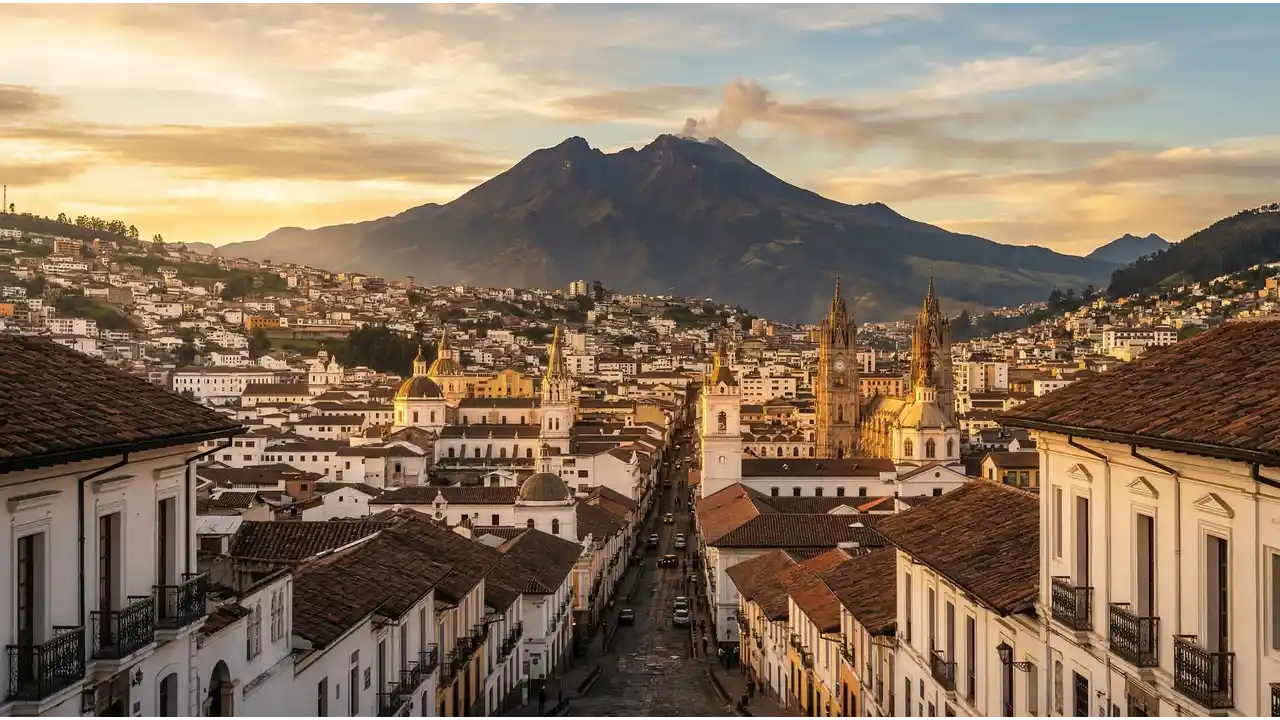
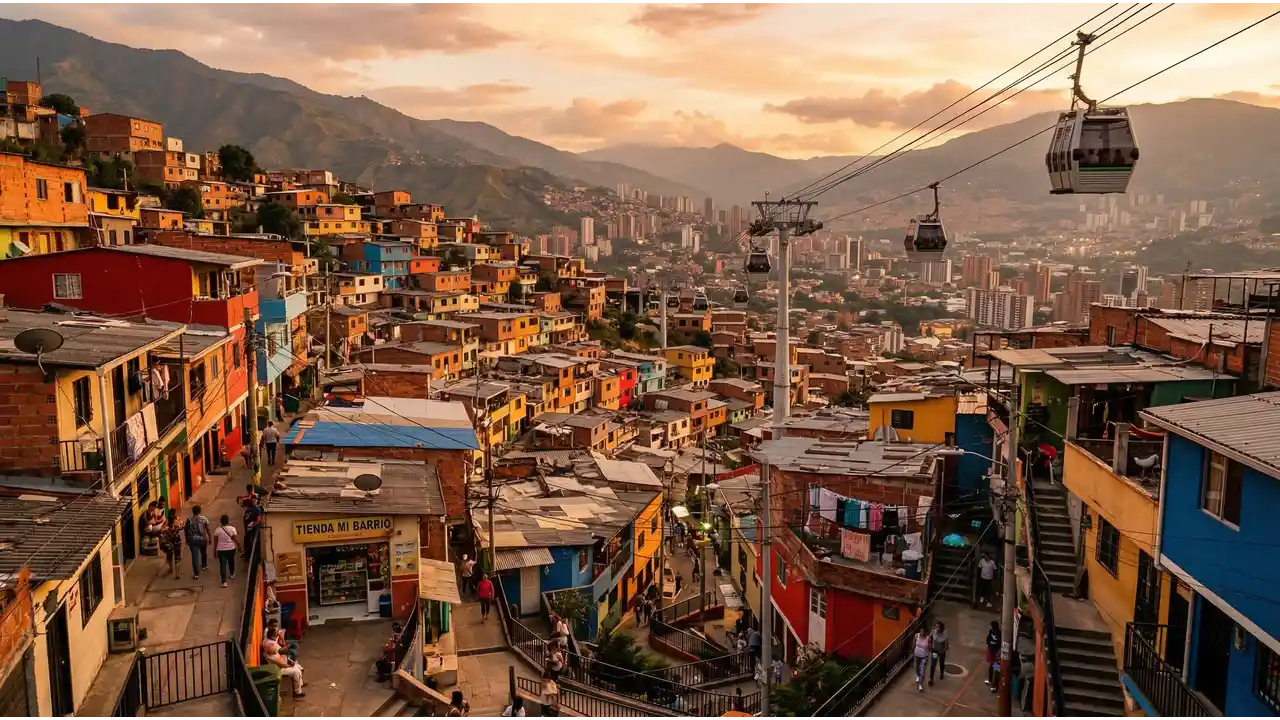
Peru is a country of distinct regions: coastal deserts, high mountain cities, and Amazon lowlands. Daily life varies sharply by location. Lima, the capital, operates like a modern city with traffic, restaurants, and expat neighborhoods. Mountain towns like Cusco and Arequipa move slower, with markets, colonial architecture, and lower prices. Most Peruvians speak Spanish; English is limited outside Lima and tourist areas. Weather depends entirely on altitude and region. Lima stays mild year-round. Highland cities are cool and dry May through September, rainy December through March. Public transit relies on minibuses and taxis. Groceries come from markets and supermarkets. Many expats cluster in specific Lima neighborhoods; others prefer smaller towns for lower costs and quieter living.
💡 Local Insights
Peru · 2026
Peru's cost structure splits between Lima and everywhere else. Lima drives up national averages because housing, imported goods, and restaurants cost significantly more there. Outside the capital, a moderate lifestyle at $1,200/month is achievable with comfort. Housing runs $463/month for a furnished one-bedroom apartment, though this varies: Lima's Miraflores or San Isidro districts run $600-$800; Cusco or Arequipa run $250-$400; rural towns run $150-$250. Groceries average $238/month when shopping at markets and local supermarkets. Markets offer cheaper produce, meat, and dairy than chain stores. Eating out is inexpensive (lunch combos $3-$5), which skews total food spending up for expats who eat restaurant meals regularly. Transport is very cheap: a month of public transit costs $15-$25. Utilities and internet run $40-$60/month combined. Local pricing is standard; expats do not typically pay premiums. Healthcare is affordable if you use private clinics ($20-$30 per visit), though insurance varies widely. Alcohol and imported goods cost more.
Frequently Asked Questions
How much does it cost to live in Peru per month?
A moderate lifestyle costs $1,200/month. This covers housing at $463/month (furnished one-bedroom apartment), groceries at $238/month (shopping at markets and supermarkets), utilities and internet around $50/month, transport $20/month, and dining out once or twice weekly. The budget tier runs $720/month if you minimize eating out, live in a shared space, and stay outside Lima. A comfortable lifestyle reaches $1,860/month, adding private healthcare, better housing, and regular restaurant meals. Actual spending depends on location (Lima costs 40-60% more than provincial cities) and lifestyle choices.
What is the average rent in Peru?
Average housing costs $463/month. This reflects a mix of Lima, provincial cities, and smaller towns. In Lima's expat-friendly neighborhoods like Miraflores or San Isidro, furnished one-bedroom apartments run $600-$800/month. In provincial cities like Cusco, Arequipa, or Trujillo, the same apartment rents for $250-$400/month. Smaller towns and rural areas go as low as $150-$250/month. Unfurnished apartments rent for 10-20% less. Utilities (water, electricity, gas) add $30-$50/month. Landlords typically ask for a deposit equal to one month's rent plus a guarantor or reference.
Is Peru cheap to live in for expats?
Peru is inexpensive compared to North America and Western Europe, but not the cheapest in Latin America. Food and housing are genuinely affordable, especially outside Lima. Transport and utilities cost very little. Healthcare is cheap if you use private clinics. Where costs rise is imported goods, some restaurants that cater to expats, and housing in Lima's central neighborhoods. For someone coming from the US, Australia, or Northern Europe, Peru feels notably cheaper across most categories. Compared to other Andean countries like Bolivia, Peru is somewhat pricier but offers better infrastructure. Most expats find their money stretches further, particularly if they're willing to live outside Lima or adopt local habits (market shopping, public transit, local restaurants).
How much does food cost per month in Peru?
Groceries average $238/month when shopping at local markets and supermarkets. Markets offer potatoes, rice, beans, eggs, chicken, and seasonal produce at the lowest prices. A dozen eggs costs $1-$2, chicken breast $3-$4/lb, rice $0.50-$0.80/lb. Supermarkets like Wong or Tottus cost 20-40% more. Eating out is cheap: lunch combos (three courses plus drink) run $3-$5 at local restaurants. Mid-range restaurants cost $8-$15 per meal. Imported foods and eating at expat-oriented restaurants push costs higher. Coffee, coca tea, and juices are inexpensive. Alcohol is moderate; local beer costs $1-$2 per bottle, wine $5-$15.
What salary do you need to live comfortably in Peru?
A comfortable lifestyle costs $1,860/month. This supports better housing ($700-$900 in Lima, $400-$500 in provincial cities), regular restaurant meals, private healthcare with insurance, domestic help if desired, and travel within the country. Someone earning $2,200-$2,500/month can live well in Lima with savings. In provincial cities, $1,860/month feels genuinely comfortable. Remote workers on $2,500+/month live very well. Local salaries vary widely: entry-level jobs pay $600-$900/month, mid-career professional roles $1,200-$2,000/month. Cost of living has risen in the past decade, particularly in Lima, but remains low by global standards for quality of life.
How does the cost of living in Peru compare to other places?
Peru sits in the middle range for Latin America. A moderate lifestyle costs $1,200 per month, with housing at $463 monthly. That puts Peru slightly cheaper than Argentina, where a moderate lifestyle runs $1,250 with housing at $496. If you're looking for lower costs, Nicaragua is genuinely affordable at $825 monthly, though housing there is still substantial at $324. On the other end, Uruguay is noticeably pricier at $1,675 for a moderate lifestyle and $603 for housing. Peru's advantage is that it offers decent infrastructure and cultural amenities without the price tag of the Southern Cone countries. Your money stretches further here than in Argentina or Uruguay, but you're not getting the rock-bottom costs available in Central America.
Yes, but with real constraints. The budget tier of $720/month works if you share housing (rent $200-$250), cook exclusively at home with market ingredients ($150-$180/month), use public transit, avoid restaurants, and skip paid entertainment. This budget cuts out internet, healthcare insurance, and emergencies. It suits people with very low material expectations or those receiving housing as part of an employment arrangement. Living alone on $720/month is difficult; you would struggle to find housing and food in Lima on this amount. In smaller towns like Ayacucho or Huancayo, $720/month provides basic comfort. Most expats find $1,000-$1,200/month the practical minimum for independent, stress-free living with small contingencies.