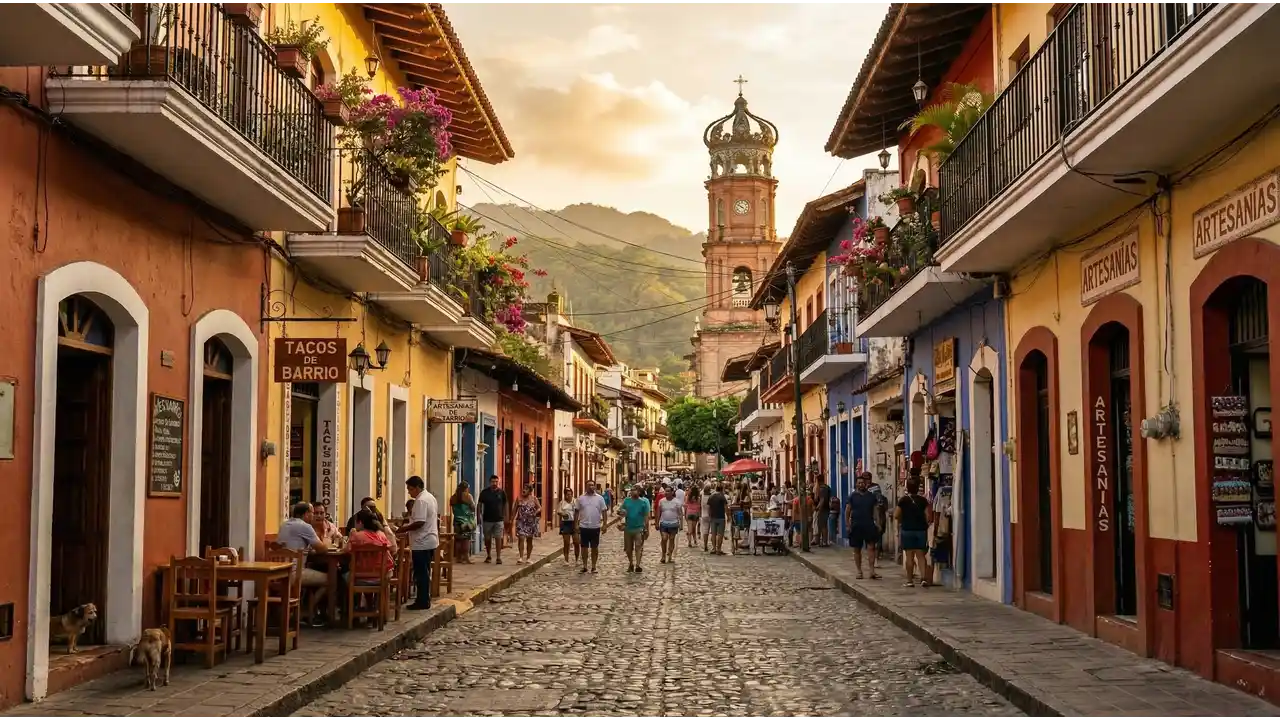
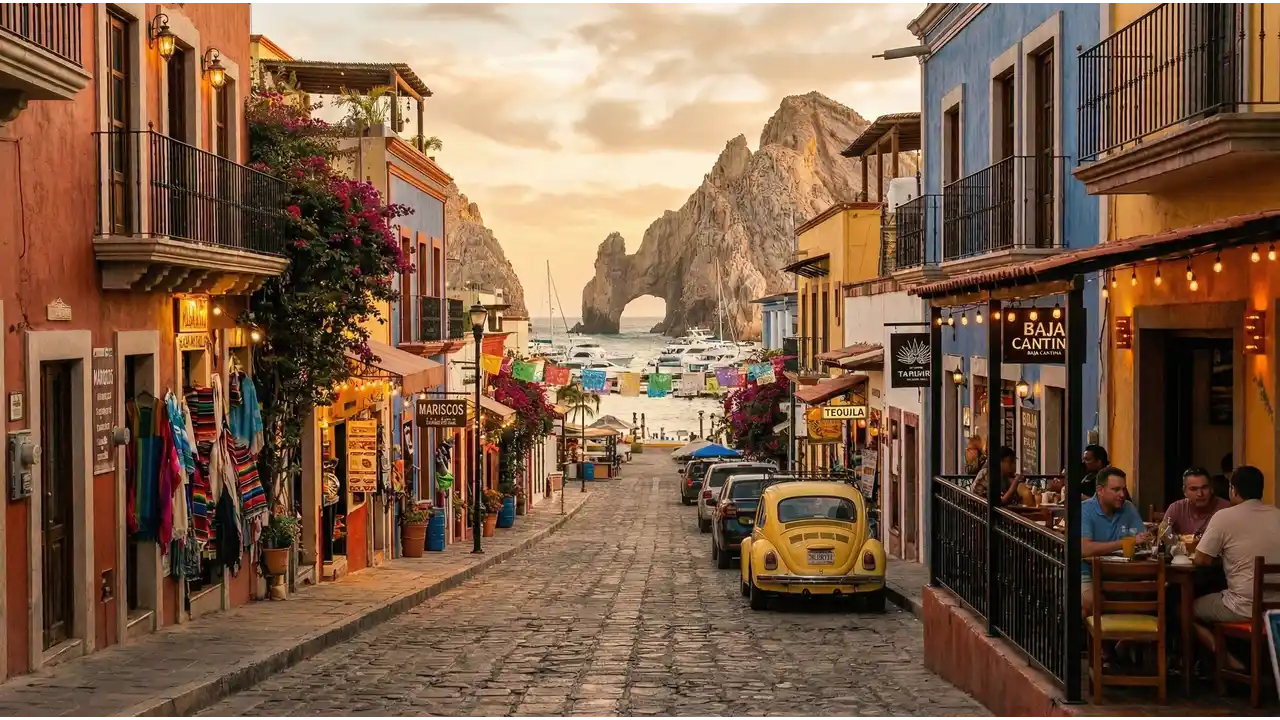
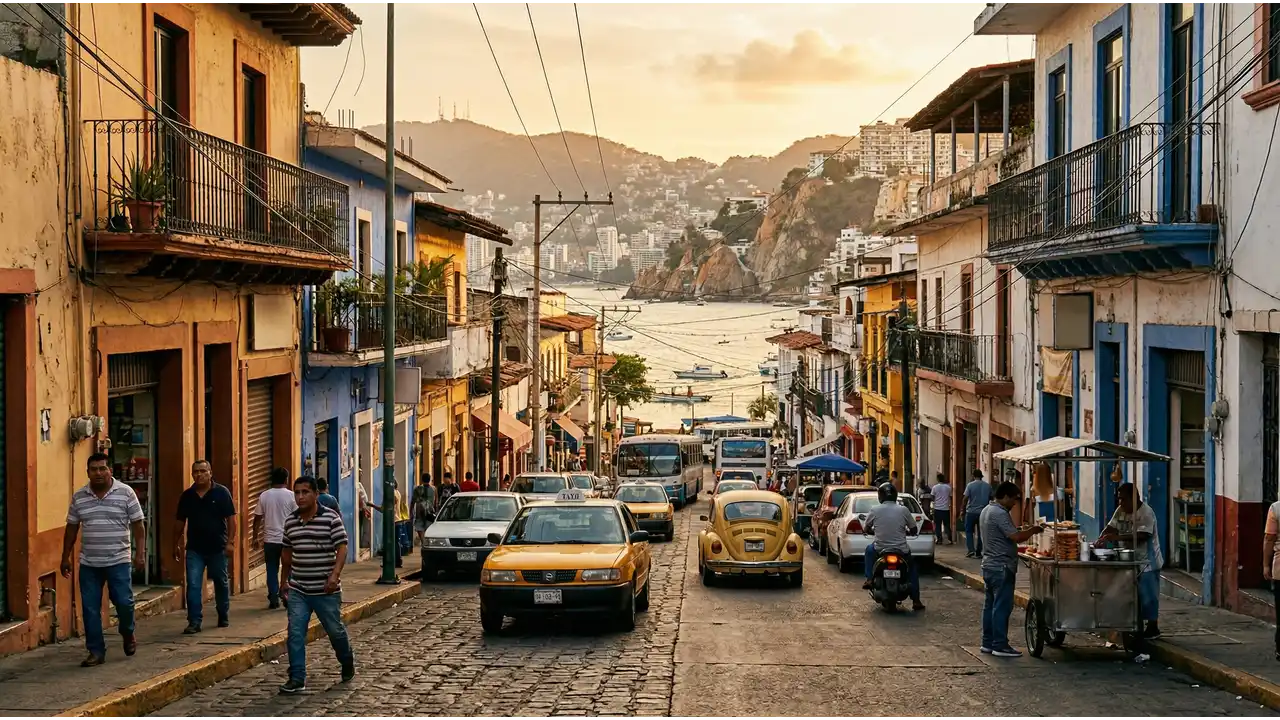
Puerto Vallarta is a Pacific coastal city of roughly 280,000 people, split between the older Mexican quarter (Casco Antiguo) inland and the tourist-oriented waterfront. The climate is tropical year-round with heat and humidity, a rainy season from June through October, and dry season November through May. The population mixes long-term expats (mostly retirees and remote workers from the US and Canada), Mexican locals, and seasonal tourists. Daily life centers on walking the malecón (boardwalk), shopping at Walmart and local mercados, navigating streets that range from tidy colonial to potholed side roads, and managing the reality that the city runs on two parallel price systems: local and tourist.
💡 Local Insights
Puerto Vallarta · 2026
Puerto Vallarta's cost structure reflects its role as a coastal tourist destination with a working Mexican city underneath. Housing runs $876 per month on average, but varies sharply by location. The Casco Antiguo and neighborhoods like Emiliano Zapata offer one-bedroom rentals in the $600 to $900 range; beachfront Zona Hotelera commands $1,200 and up. Negotiation is standard, especially for long-term leases. Groceries at local mercados and Walmart cost around $282 per month for a single person eating a mix of local produce, imported basics, and Mexican staples. Eating out at a casual taquería runs $3 to $5 per meal; tourist restaurants charge $12 to $20. Public transport (buses) costs 7 pesos (about $0.40 USD) per ride; taxis and Uber are available but add up fast. Local vendors and mercados charge Mexican prices; tourist zones and supermarkets charge tourist prices. Expats typically spend $1,750 monthly for a moderate lifestyle with a rental apartment, local groceries, occasional restaurant meals, and utilities. Water and electricity fluctuate seasonally (air conditioning in summer pushes bills up).
Frequently Asked Questions
How much does it cost to live in Puerto Vallarta per month?
A moderate lifestyle costs around $1,750 per month. That breaks down roughly to $876 for housing (one-bedroom apartment in a non-beachfront neighborhood), $282 for groceries, $200 to $300 for utilities and internet, $100 to $150 for transport, and the remainder for restaurants, entertainment, and discretionary spending. A tighter budget runs $1,050 monthly; a comfortable lifestyle with more dining out and higher-quality housing runs $2,713. Actual costs depend on neighborhood, lifestyle choices, and how much you eat out versus cook at home.
What is the average rent in Puerto Vallarta?
Average rent is $876 per month for a one-bedroom apartment in neighborhoods popular with long-term residents. In the Casco Antiguo and areas like Emiliano Zapata, you'll find one-bedroom rentals from $600 to $900. Beachfront or highly touristy zones (Zona Hotelera, Marina) run $1,200 to $1,800 and up. Two-bedroom apartments in working-class neighborhoods start around $800 to $1,000. Furnished short-term rentals (Airbnb, VRBO) cost significantly more, $60 to $150 per night. Always negotiate for long-term leases; landlords often reduce monthly rates for 6, 12, or 24-month commitments. Many rentals do not include utilities.
Is Puerto Vallarta cheap to live in for expats?
Puerto Vallarta is less expensive than most major US cities but pricier than inland Mexican cities like Guanajuato or Merida. If you're comparing to Miami, Los Angeles, or Toronto, yes, it's significantly cheaper. Rent in the $600 to $900 range versus $1,500 to $2,500 in US coastal cities. However, it's more expensive than smaller Mexican towns because it caters to tourists and expats. Groceries and utilities cost more than rural Mexico. The real value lies in year-round warm weather, established expat infrastructure, and healthcare availability. Whether it feels cheap depends on where you're coming from and whether you eat and socialize with locals or tourists.
How much does food cost per month in Puerto Vallarta?
Groceries for one person run approximately $282 per month if you shop at local mercados and discount supermarkets like Walmart or Costco. A kilo of chicken costs $3 to $4; tomatoes $0.50 to $1 per kilo; eggs $1.50 to $2 per dozen; bread $0.50 to $1.50 per loaf; milk $1 to $1.50 per liter. Imported items (cheese, specialty goods) cost significantly more. Eating out ranges from $3 to $5 for tacos or comida corrida at a local fonda, $8 to $15 at a casual restaurant, and $15 to $30 at tourist-oriented establishments. Alcohol is inexpensive; a beer at a local bar costs $1.50 to $3; imported spirits are marked up. Cooking at home is the budget strategy.
What salary do you need to live comfortably in Puerto Vallarta?
A comfortable lifestyle requires around $2,713 per month. That assumes better-quality housing in a safe, quieter neighborhood ($1,100 to $1,300 for a one or two-bedroom), regular dining out at good restaurants, utilities and internet included, occasional entertainment and travel, and a buffer for unexpected costs. In US dollar terms, that's roughly $32,500 annually. As a remote worker or retiree, factor in that most visa categories don't require income proof, but having $2,500 to $3,000 monthly available removes stress and lets you enjoy the city without counting pesos constantly. If you're willing to live more tightly, $1,750 works; if you want upscale beachfront living or frequent travel, plan for $3,500 to $4,500.
How does the cost of living in Puerto Vallarta compare to other places?
Puerto Vallarta runs $1,750 per month for a moderate lifestyle, positioning it in the middle range for Latin America. San Salvador, a peer city, costs $1,600 monthly, making it slightly cheaper overall. Tegucigalpa is considerably more affordable at $1,225 per month. For housing specifically, Puerto Vallarta averages $876 monthly. San Salvador's housing sits at $906, nearly identical to Puerto Vallarta's. Tegucigalpa offers the lowest housing costs at $496. If you're comparing to Europe, Madrid runs $2,450 monthly with housing at $1,442, making it substantially pricier than any of these Latin American options. Puerto Vallarta works well for people seeking beachside living without the expense of major tourist hubs or developed-world cities.
Yes, but with constraints. Budget tier living means renting a one-bedroom in a working-class neighborhood (away from beachfront) for $600 to $700, spending $282 on groceries, and keeping utilities and transport under $200. That leaves little for restaurants, entertainment, or travel. You'll cook most meals, use public buses, shop at local markets, and avoid tourist zones. Medical emergencies or appliance breakdowns become stressful. This budget works if you're retired with paid healthcare or have backup savings. Many digital nomads and long-term expats live here on $1,050 by being disciplined, but it requires accepting trade-offs: no car, limited nightlife, no margin for error. Visa status also matters; some temporary resident visas require proof of income around $1,800.