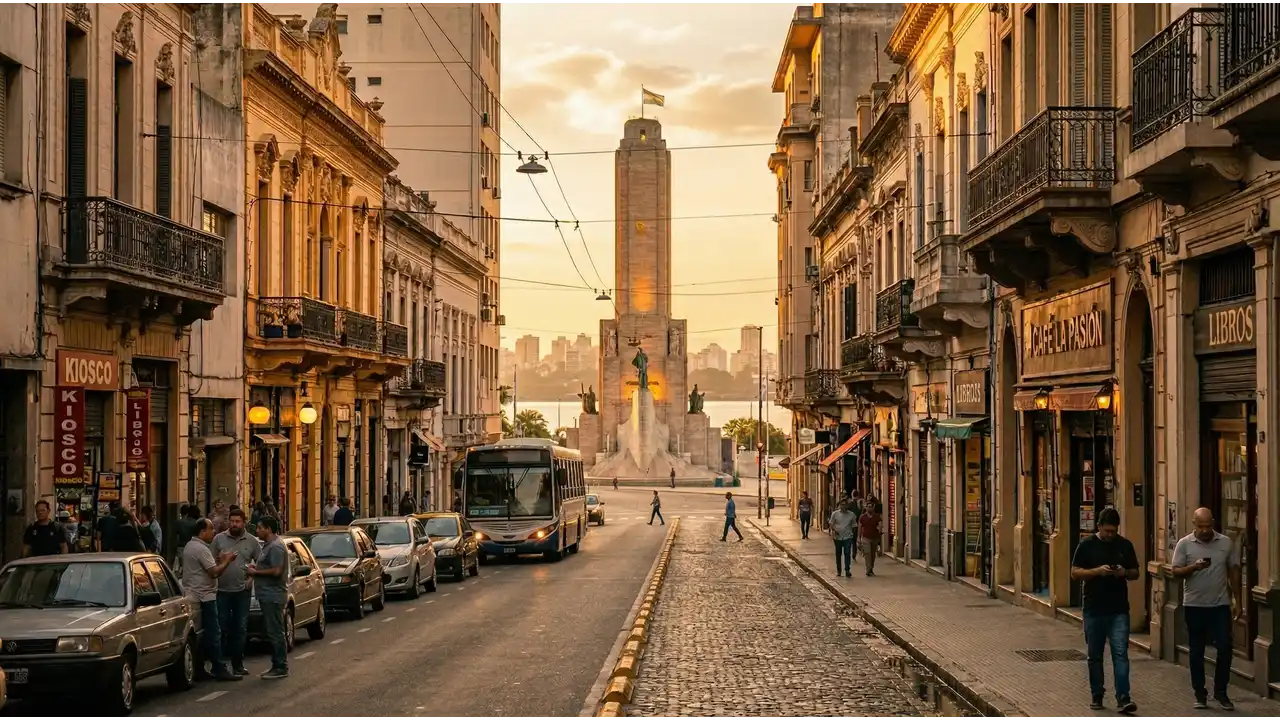
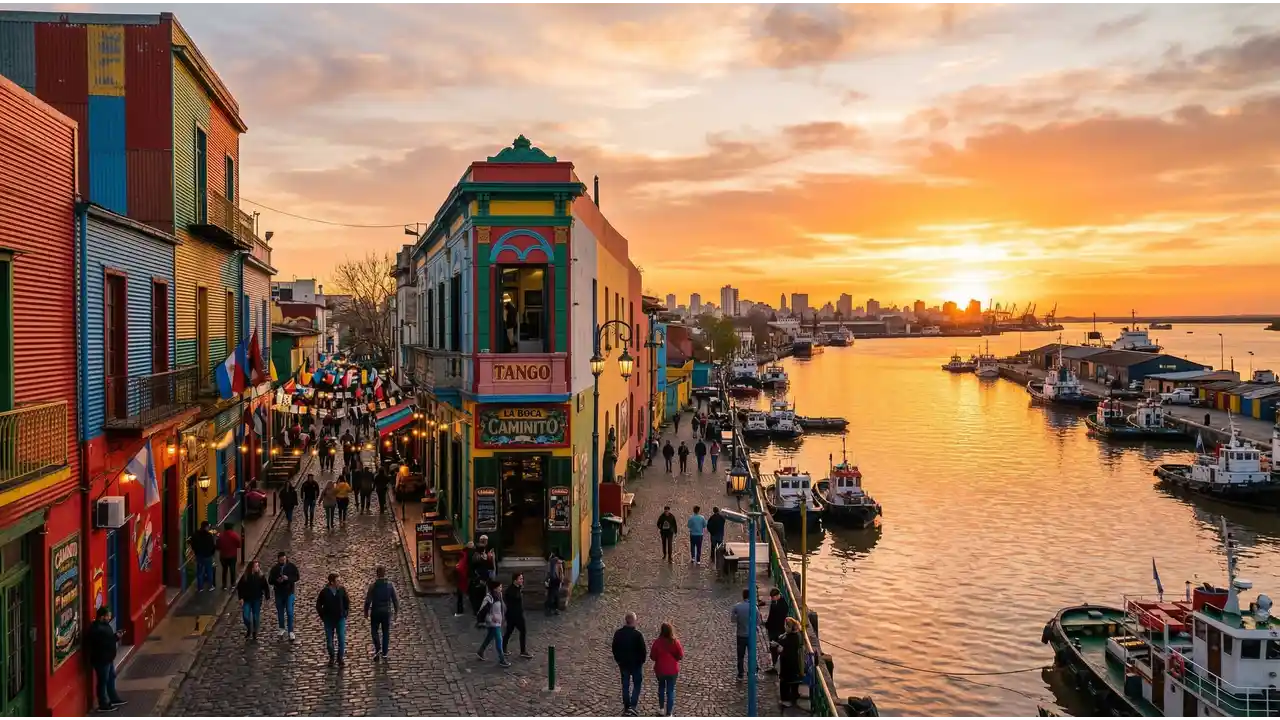
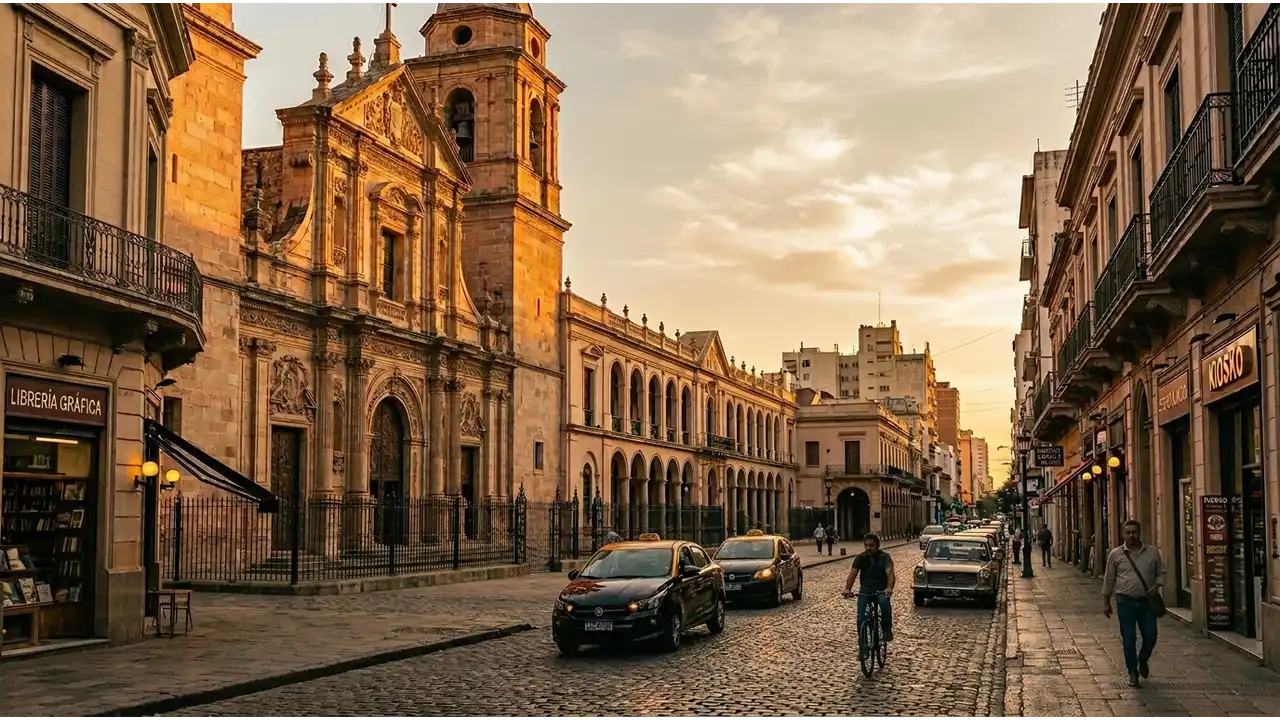
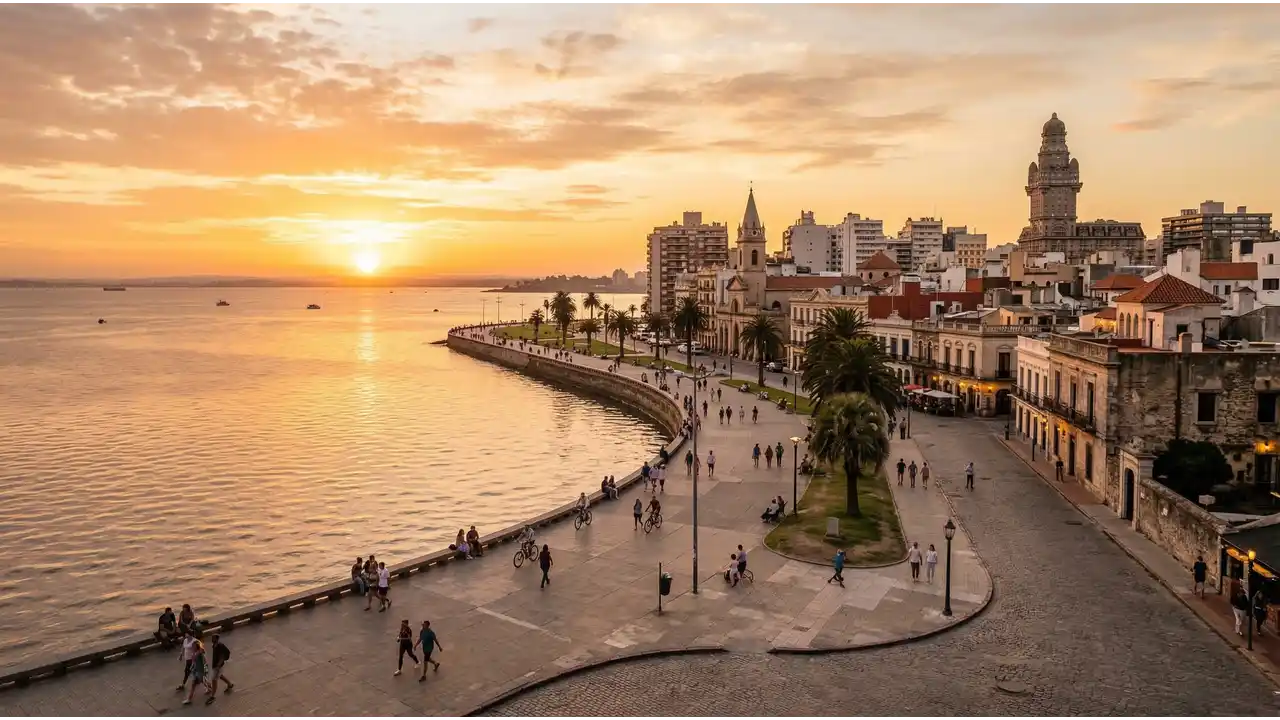
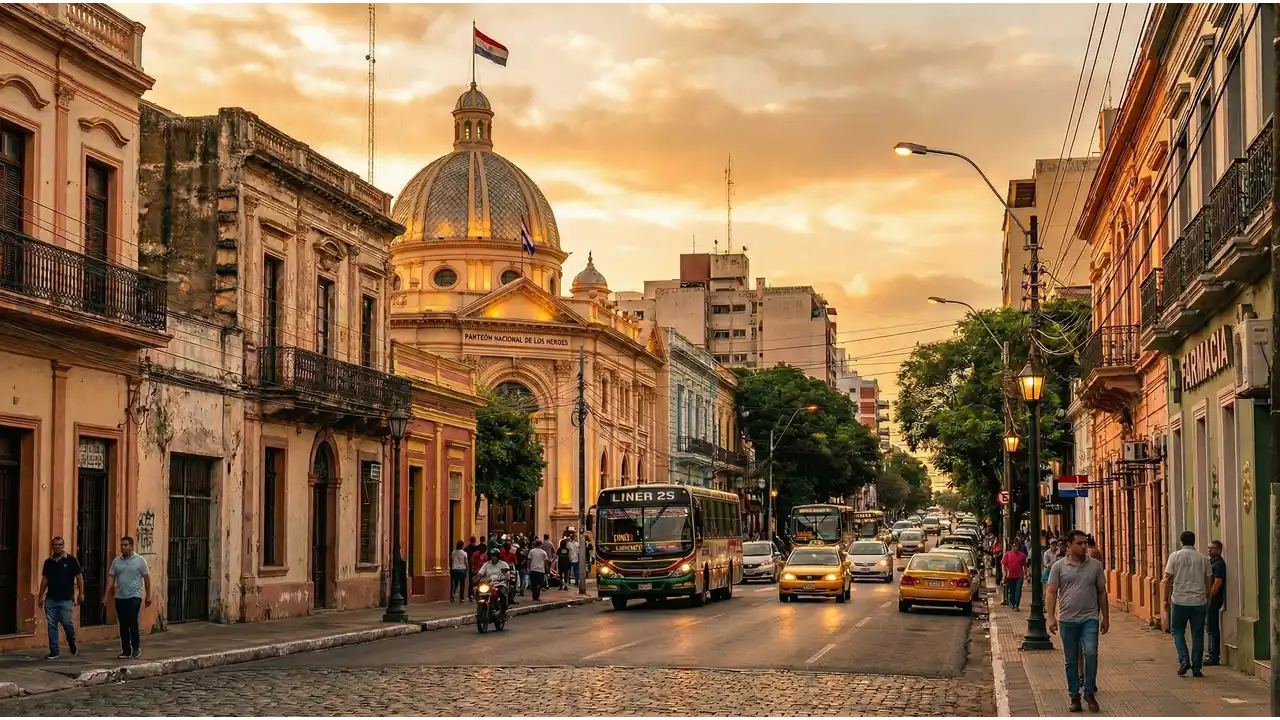
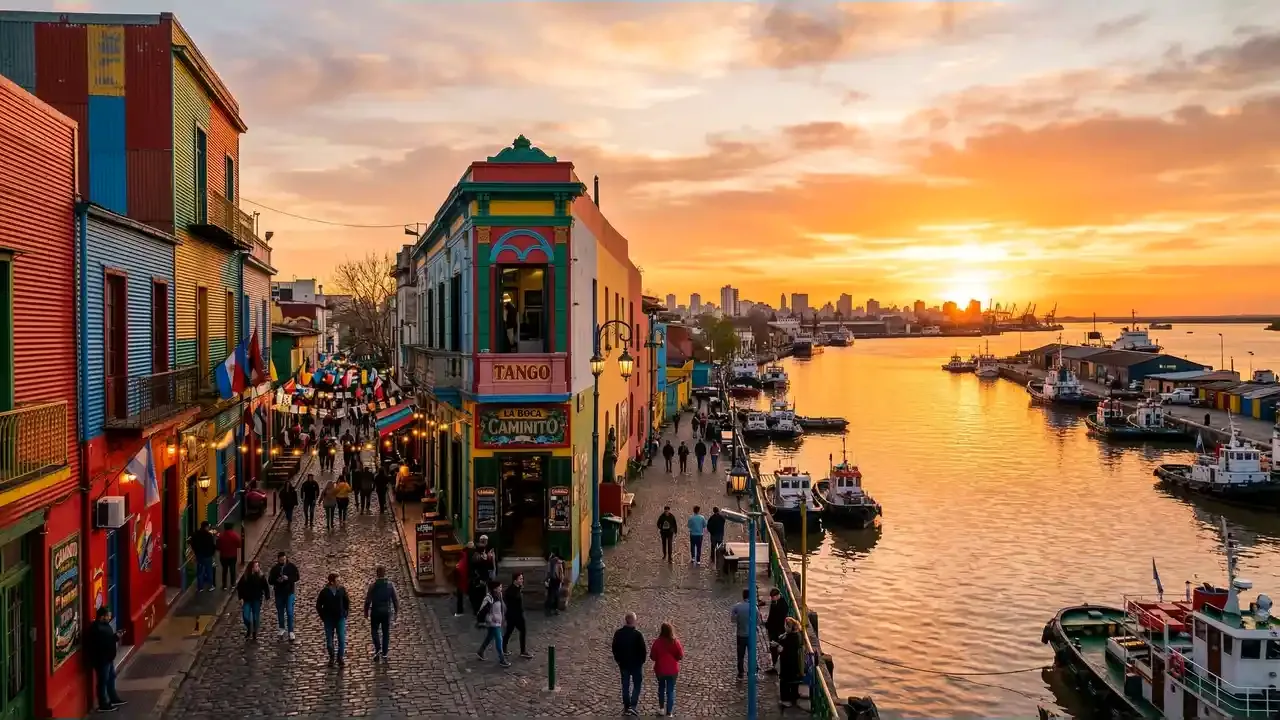
Rosario is Argentina's third-largest city, sitting on the Paraná River about 300 kilometers northwest of Buenos Aires. It functions as a regional hub for agriculture and trade, with a working-class core and a visible professional class. The climate is subtropical, with hot, humid summers and mild winters. Daily life centers on the waterfront, neighborhoods like Centro and Pichincha, and a strong cafe culture. The city feels less touristy than Buenos Aires but more economically active. Spanish is the standard language. Most residents work in commerce, education, or agriculture-related sectors. Summers run November to March. The pace is slower than the capital but faster than smaller provincial towns.
💡 Local Insights
Rosario · 2026
Rosario costs considerably less than Buenos Aires but more than smaller interior cities. The $496/month housing figure is Argentina's aggregate level that Rosario inherits, rather than a separate measurement for Rosario itself. Actual rents vary significantly by neighborhood. A one-bedroom unfurnished apartment in central areas runs roughly $400 to $650 per month, while peripheral neighborhoods cost $300 to $450. Furnished short-term rentals run higher. Food at supermarkets (Carrefour, Disco) is affordable; a monthly grocery budget of $243 covers staples comfortably. Eating out at neighborhood parrillas or cafes costs $5 to $10 per meal. Public transport (bus system) is $0.30 per ride. Expats report the main cost surprise is utilities in summer (air conditioning) and occasional peso weakness affecting import prices. Most long-term residents negotiate rent directly rather than through agencies. Service charges (expensas) on apartments add $30 to $80 monthly.
Frequently Asked Questions
How much does it cost to live in Rosario per month?
A moderate lifestyle costs around $1,250/month. This breaks down roughly as: housing (the Argentina figure) $496/month, food/groceries $243/month, transport $40/month, utilities $80/month, and dining/entertainment/personal care around $390/month. A tighter budget runs $750/month if you share housing, cook entirely, and limit outings. A comfortable lifestyle costs $1,938/month and includes a private apartment, regular dining out, and car use or frequent taxis.
What is the average rent in Rosario?
The $496/month housing figure shown is Argentina's aggregate level that Rosario inherits rather than a separate local rent measurement. In practice, Rosario renters encounter a range. One-bedroom unfurnished apartments in central neighborhoods (Centro, Pichincha) typically rent for $400 to $650 per month. Peripheral or older neighborhoods run $300 to $450. Short-term furnished rentals run 20-30 percent higher. Most renters negotiate directly with landlords. Monthly service charges (expensas) typically add $30 to $80. The market has softened somewhat due to outmigration to Buenos Aires, creating more negotiation room.
Is Rosario cheap to live in for expats?
Rosario is genuinely affordable for expats, particularly those coming from North America or Western Europe. A moderate lifestyle at $1,250/month is achievable without constant penny-pinching. However, do not expect the deep discounts available in smaller interior cities or Bolivia. Argentine peso volatility affects imported goods and occasional price spikes. Expats report that initial furnished rentals are more expensive than long-term local rates. Professional expats (teachers, remote workers) typically find a one-bedroom and dining out sustainable on $1,500 to $1,800 monthly. Expats should budget for occasional travel to Buenos Aires and expect slower internet and delivery services than they may be used to.
How much does food cost per month in Rosario?
Groceries cost approximately $243/month for one person cooking at home. A typical weekly shop at Carrefour or Disco includes bread ($1), milk ($1.50), eggs ($3 per dozen), chicken ($4 per kilogram), beef ($6 to $8 per kilogram), rice ($0.80 per kilogram), pasta ($0.60 per box), and seasonal vegetables ($2 to $4 each). Eating out at a neighborhood parrilla costs $6 to $10 for meat and sides. A coffee and medialunas at a cafe runs $1 to $2. Supermarket prices are stable; neighborhood markets sometimes slightly cheaper. Imported goods (cheese, specialty items) cost 30-50 percent more than in Buenos Aires.
What salary do you need to live comfortably in Rosario?
A comfortable lifestyle costs $1,938/month, which suggests a net monthly income around $2,000 to $2,100 (accounting for local taxes). This allows for a private one-bedroom apartment, regular restaurant visits (2 to 3 times weekly), occasional entertainment, and some savings. Remote workers on USD $2,200 to $2,500 monthly live quite well. Those earning $1,500/month can manage moderate comfort if willing to share housing or live outside central areas. Local salaries are significantly lower (most professionals earn $600 to $1,200 monthly), making this standard primarily accessible to remote workers, retirees, or expats with external income.
How does the cost of living in Rosario compare to other places?
Rosario sits in the middle tier for South American cities. A moderate lifestyle runs $1,250 per month here, with housing at $496 per month. That puts it roughly on par with Caracas, where a moderate lifestyle costs $1,300 per month and housing runs $541 per month. If you're coming from elsewhere in Argentina or Brazil, Rosario will feel notably cheaper than many major metros. Head south and upward in elevation to La Paz, and you'll find it considerably less expensive: a moderate lifestyle there costs $875 per month with housing at $353 per month. On the other end, San Miguel de Allende in Mexico runs substantially dearer at $1,725 per month for a moderate lifestyle, with housing at $839 per month. For most people relocating within Latin America on a budget, Rosario offers reasonable costs without sacrificing urban amenities or access to services.
Yes, but with significant constraints. A $750/month budget requires: shared housing ($250 to $300), groceries only ($200 to $220), minimal eating out ($50), and no car use ($100 for transport). This works for students, budget travelers, or those with very low fixed costs. You would skip regular restaurants, entertainment, travel, and personal services. Utilities in summer could strain the budget. Many long-term budget residents earn this locally plus remittances, or supplement with occasional work. This tier is sustainable but leaves no margin for emergencies or unexpected expenses. Most people planning to stay longer choose the moderate ($1,250) tier for peace of mind.