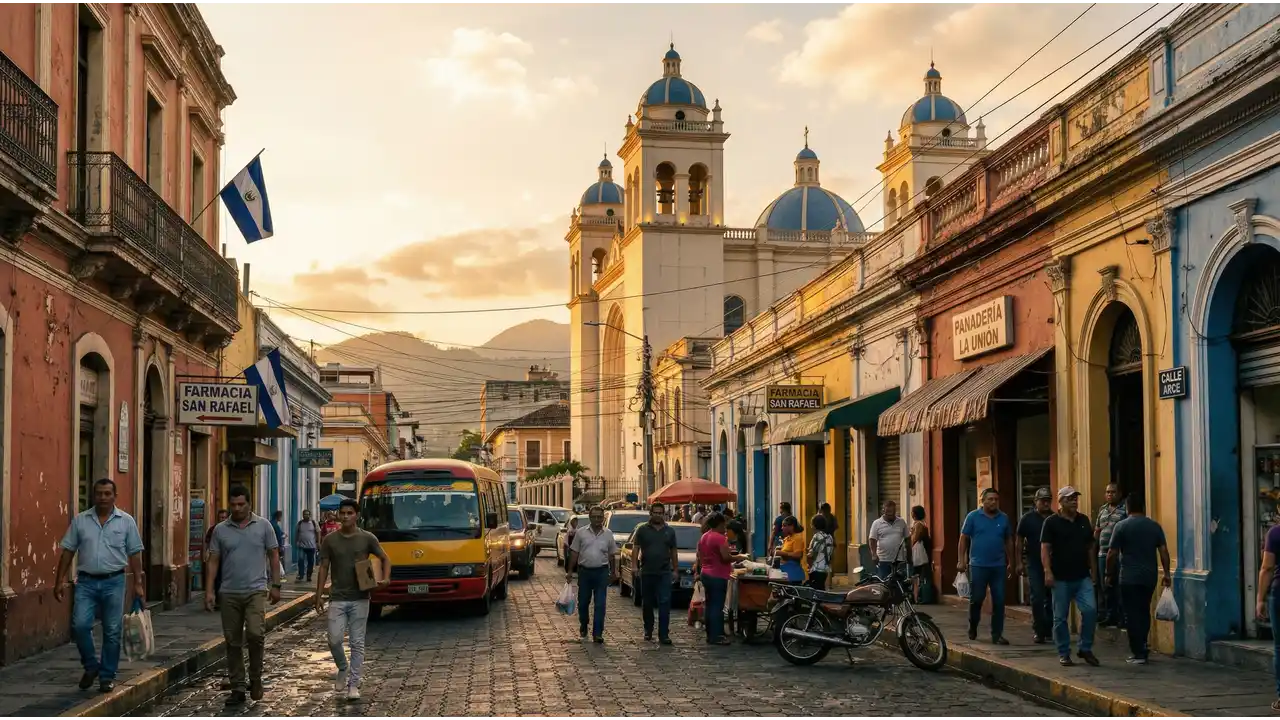
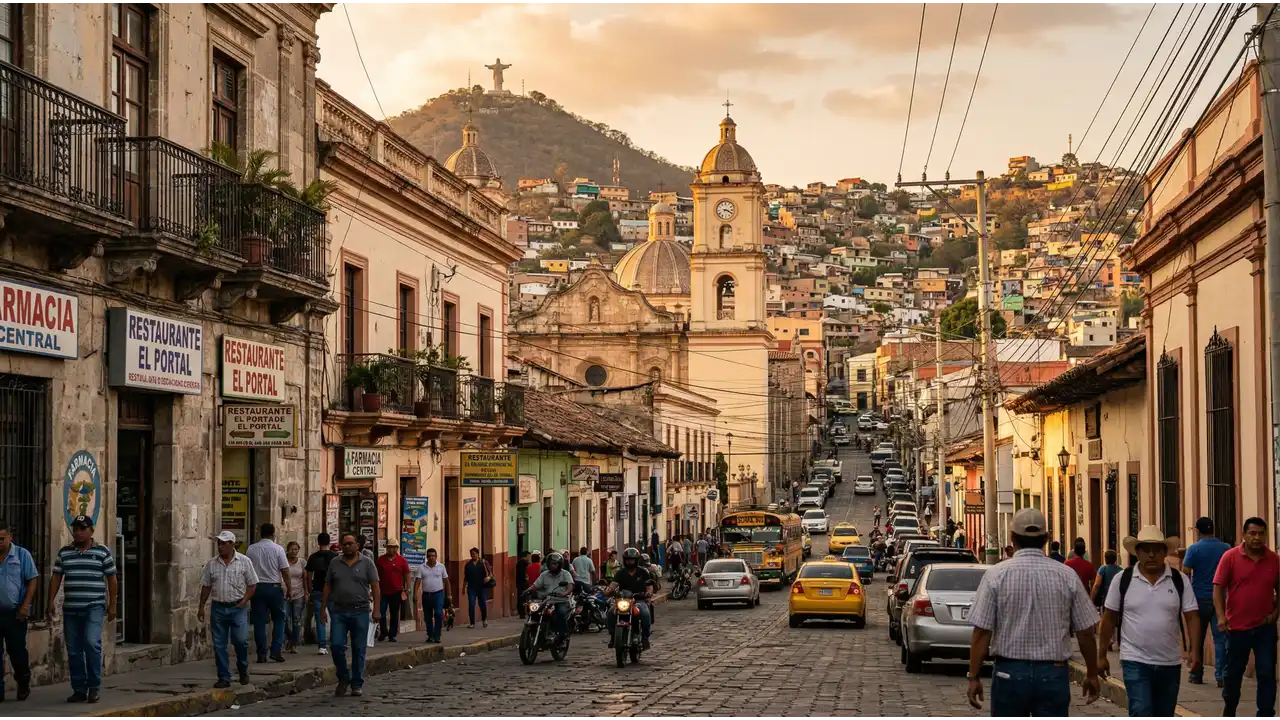
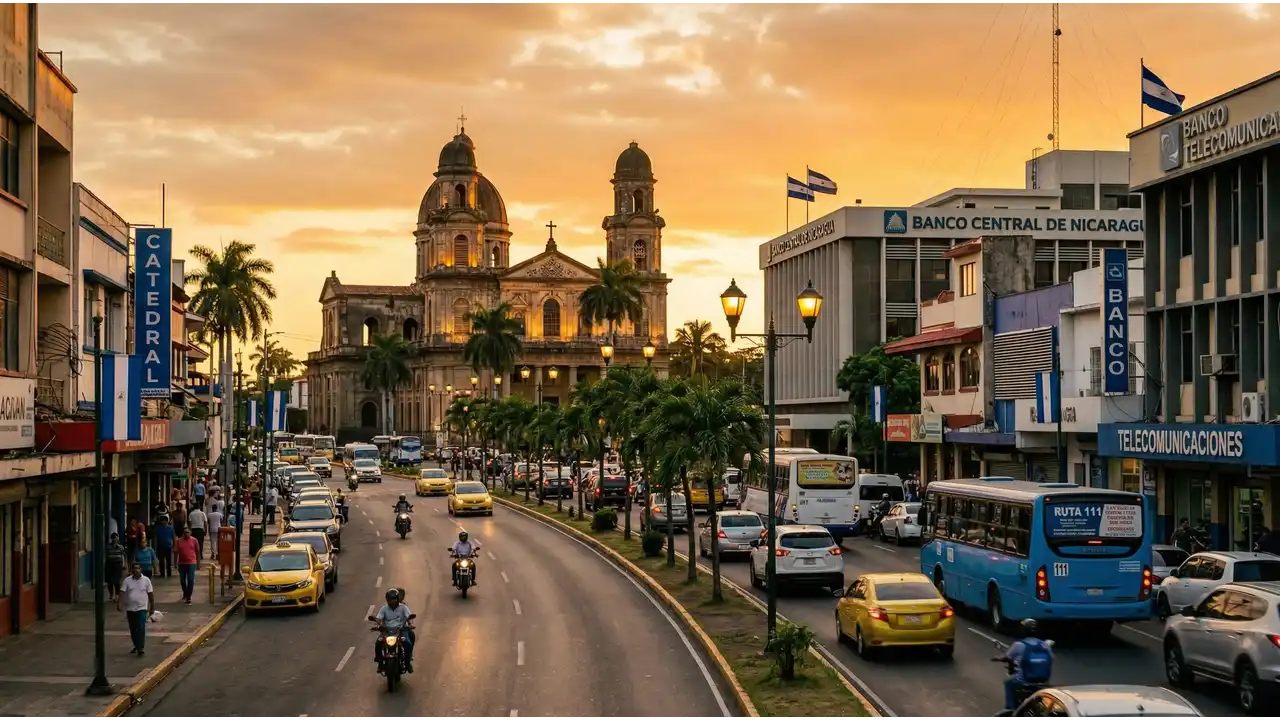
San Salvador is El Salvador's capital and largest city, home to about 2 million people in the metro area. The city sits in a volcanic valley at 2,200 feet elevation, which keeps temperatures warm year-round (70-90 degrees Fahrenheit). Daily life revolves around commercial districts like Centro and Zona Rosa, residential neighborhoods spreading up hillsides, and heavy traffic during commute hours. Most residents rely on buses, cars, or rideshare. The city has significant income inequality visible in neighborhood contrasts. Street food, small family businesses, and informal commerce are everywhere. Security concerns are real and affect where people live and move around.
💡 Local Insights
San Salvador · 2026
San Salvador's costs are low by North American standards but high for Central America. Housing runs around $906/month and dominates the budget. A furnished one-bedroom apartment in safer neighborhoods like Escalante or Zona Rosa ranges from $700 to $1,200; budget areas like Mejicanos or Cuscatlan drop to $500-$700. Unfurnished units cost 10-20 percent less. Most expats pay premium rent for security and location. Groceries average $224/month if you shop local markets and buy produce directly. Imported foods, cheese, and meat cost significantly more. Local bus rides cost less than $0.50, but taxis and Uber are common for safety reasons, adding transport costs. Water and electricity can spike during dry season. Local salaries are far lower than expat pricing, creating two-tier costs. Avoid tourist zones and central markets for everyday shopping if cost matters.
Frequently Asked Questions
How much does it cost to live in San Salvador per month?
A moderate lifestyle costs $1,600/month. That breaks down roughly as housing at $906/month, groceries at $224/month, plus utilities, transport, dining out, and discretionary spending. A tighter budget of $960/month is possible if you live outside central areas, eat mostly local food, and use public transport exclusively. A comfortable lifestyle with frequent dining out, a car, and more spacious housing runs closer to $2,480/month. Actual spending varies widely based on neighborhood, lifestyle, and whether you're paid in local currency (colones) or dollars.
What is the average rent in San Salvador?
Average rent is around $906/month. In safer, more expat-friendly neighborhoods like Escalante, Zona Rosa, or San Benito, expect $900-$1,200 for a furnished one-bedroom. Neighborhoods like Mejicanos or Cuscatlan offer $500-$700 for similar space but with less security infrastructure. Unfurnished units typically run 10-20 percent cheaper. Many expats pay premiums of $200-$400/month for gated communities or buildings with security. Utilities (water, electricity, internet) add $60-$120/month depending on usage and season. Property owners rarely negotiate with foreigners; local tenants often get better rates.
Is San Salvador cheap to live in for expats?
San Salvador is cheaper than most U.S. or Canadian cities but not the cheapest in Central America. Compared to Guatemala City or Honduras, costs are 15-25 percent higher, mainly because expats bid up housing in safer zones. Local residents live much more cheaply than what expats typically spend. For expats earning in dollars or euros, $1,600/month is reasonable for comfort. For those living on local wages or retirement income under $2,000/month, careful budgeting is necessary. Security costs (better neighborhoods, transport options) eat into savings compared to other regions.
How much does food cost per month in San Salvador?
Groceries average $224/month if you shop local markets and buy seasonally. A dozen eggs costs around $2.50, chicken about $3/pound at markets, rice $0.80/pound, beans $1/pound, and fresh produce varies by season. Imported foods, cheese, and specialty items are 2-3 times pricier. Eating out is cheap: a local comida (rice, beans, plantain, meat) runs $3-$5, pupusas $1-$2, and coffee $0.75. Mid-range restaurants cost $8-$15/plate. Street food is ubiquitous and safe from established vendors. Shopping at supermarkets like Walmart or La Despensa costs 30-40 percent more than markets but offers consistency and import selection.
What salary do you need to live comfortably in San Salvador?
A comfortable lifestyle costs around $2,480/month. That supports a one-bedroom in a secure neighborhood ($1,000-$1,200), regular dining out, a car or frequent Uber use, utilities, and entertainment. This level allows for gym memberships, occasional travel, and discretionary purchases without constant budget vigilance. Someone earning $3,000-$3,500/month can live very comfortably with savings. On $2,000/month, you can manage but will need to prioritize carefully. Expats on fixed incomes under $2,000/month exist in San Salvador but typically live in less central areas or share housing. Local salaries average $400-$800/month, so your reference point matters entirely.
How does the cost of living in San Salvador compare to other places?
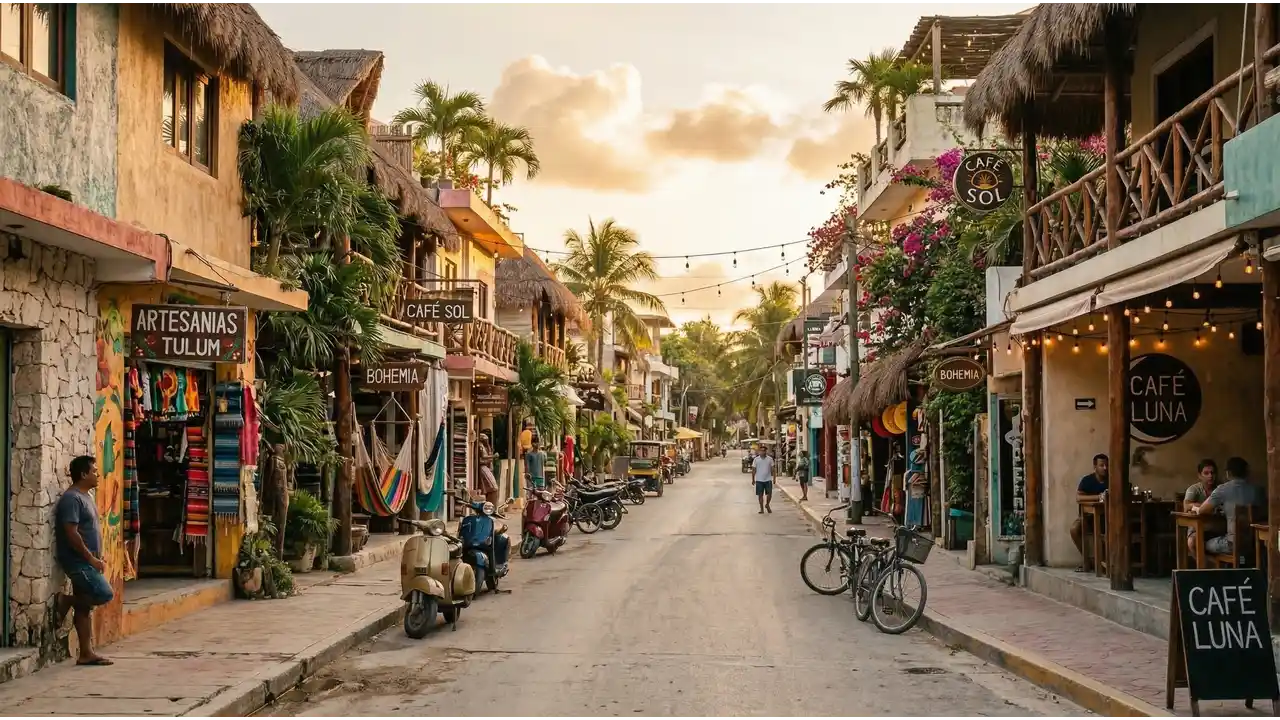
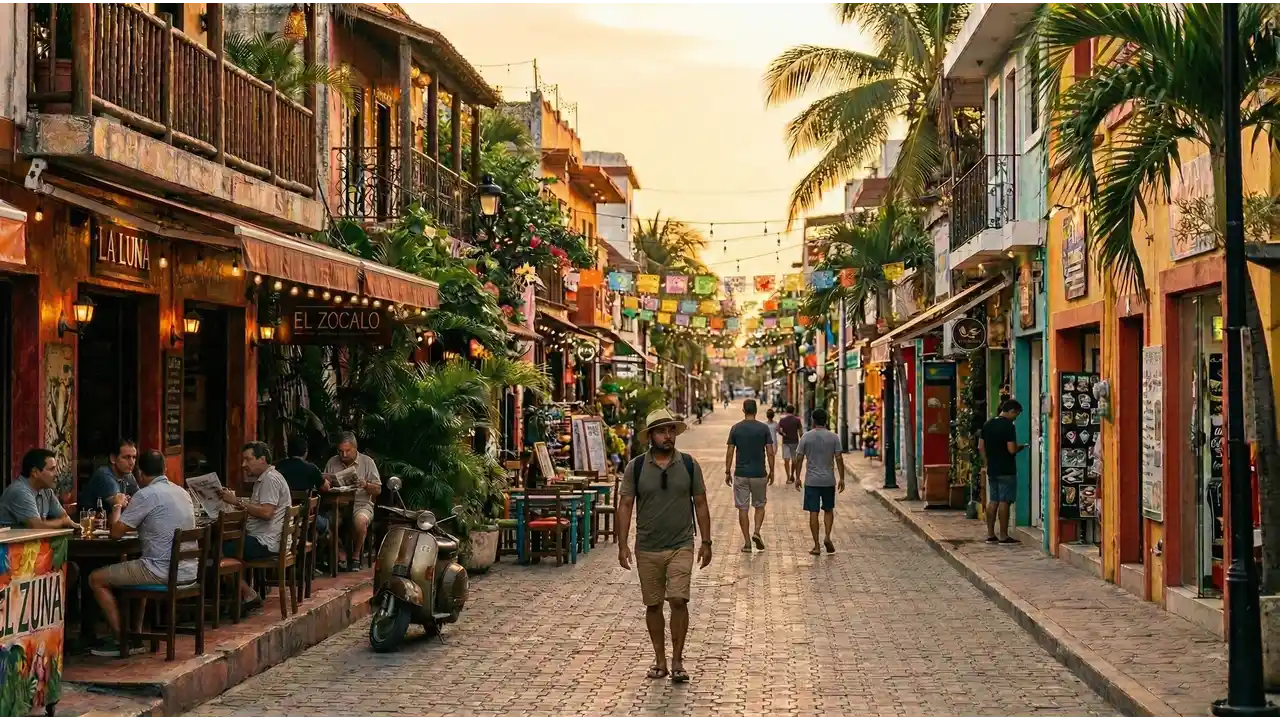
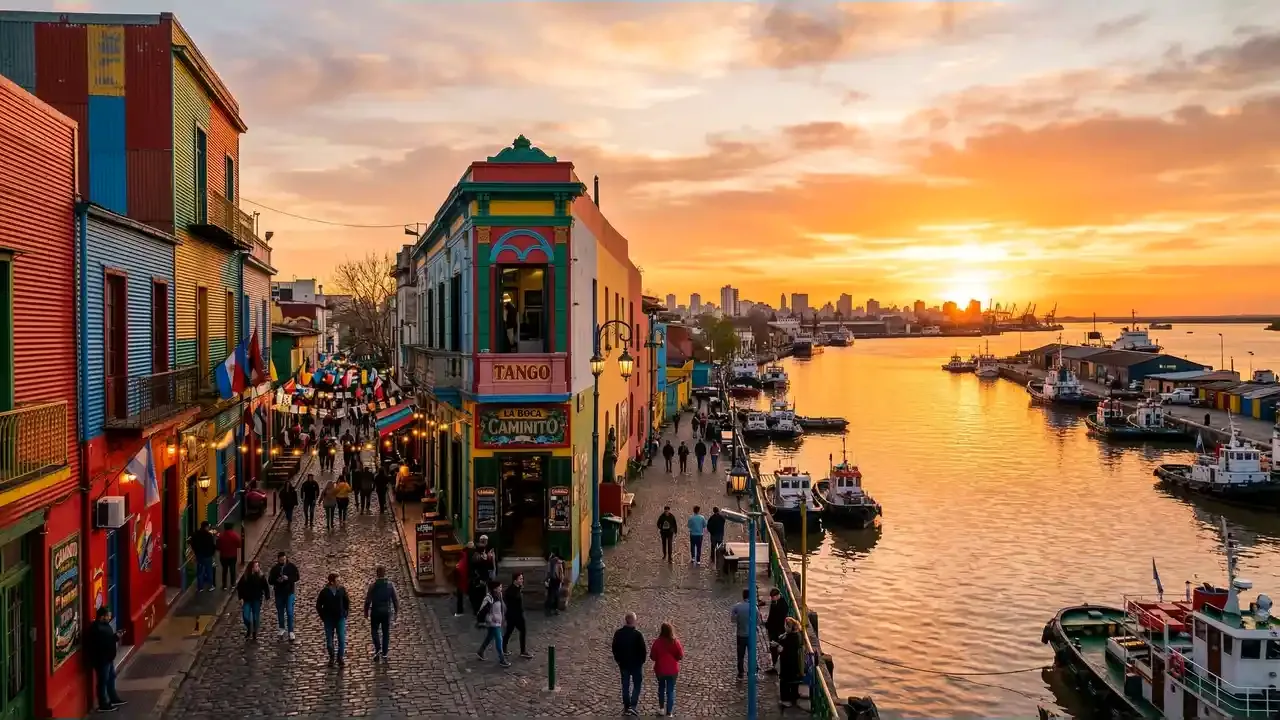
San Salvador sits in the middle range for Latin American cities. A moderate lifestyle here runs $1,600 per month, with housing at $906 per month. That puts it slightly above Rio de Janeiro, where a moderate lifestyle runs $1,100 per month and housing costs $504 per month. Buenos Aires is a near peer, at $1,550 per month overall with housing at $718 per month, so you'll find comparable expenses there. By contrast, Tulum is notably more expensive, with a moderate lifestyle at $1,900 per month and housing at $1,022 per month. If you're coming from a major US city, San Salvador will feel significantly cheaper. If you're island-hopping through Central America or comparing it to other regional capitals, think of it as mid-range but still accessible for most expat budgets.
Yes, but with tight constraints. This is the budget tier and requires living outside central neighborhoods (places like San Marcos, Mejicanos, or Soyapango), renting a basic unfurnished room or small apartment for $400-$550, limiting dining out, using public transport, and buying groceries exclusively from markets. You'll have $200-$250/month after housing for food, utilities, phone, and essentials. No car, no entertainment budget, no travel. This is doable if you're frugal and comfortable with less secure neighborhoods or longer commutes. Many local residents live at this level. For expats, it's survivable short-term but uncomfortable long-term. Unexpected expenses (medical, transport) quickly create problems at this budget.