São Paulo is Brazil's largest city and economic center, home to roughly 12 million people. The climate is subtropical, warm year-round with a rainy season from November to March. Daily life revolves around working in finance, tech, media, and services. Traffic congestion is severe, making commute times unpredictable. Neighborhoods vary sharply: wealthy zones like Pinheiros and Vila Madalena contrast with working-class peripheries. The city never stops. People eat late, work irregular hours, and navigate a complex public transit system. Portuguese is essential. Food culture centers on churrascarias (grilled meat), street snacks, and supermarket staples. Safety depends entirely on where you are and when.
💡 Local Insights
São Paulo · 2026
São Paulo's cost of living reflects Brazil's wide income inequality and currency volatility. Housing averages $660/month and varies dramatically by neighborhood. Central zones like Pinheiros command $900 to $1,200 for a one-bedroom apartment, while outer neighborhoods like Tatuapé or Itaquera run $450 to $600. Expats often overpay by choosing expat-marketed buildings. Groceries run $215/month if you shop at Carrefour or Pão de Açúcar and cook at home. A kilo of chicken costs roughly $8, rice $1.50 per kilo, and imported goods double or triple. Eating out costs $5 to $12 for a casual meal, $25 to $50 for sit-down restaurants. Public transit (subway, bus) costs $1.40 per ride; many locals buy monthly passes for $60. Utilities (electricity, water, internet) add $80 to $120. The real expense trap: expats often rent via agencies that mark up 30 percent, or choose expensive neighborhoods unnecessarily. Currency fluctuations against the real shift costs significantly month to month.
Frequently Asked Questions
How much does it cost to live in São Paulo per month?
A moderate lifestyle costs $1,325/month. That breaks down roughly as: housing $660, groceries $215, utilities $100, transport $60, and discretionary spending on dining, entertainment, and personal services $290. A budget tier exists at $795/month (shared housing, minimal eating out, no car), and comfortable living runs $2,054/month (better apartment, regular dining out, gym membership, occasional travel). These figures assume you avoid expat premium pricing and speak enough Portuguese to shop like a local.
What is the average rent in São Paulo?
Average rent is $660/month for a moderate one-bedroom apartment. In central neighborhoods like Consolação or Vila Mariana, expect $750 to $1,000. Pinheiros and Itaim Bibi (wealthier zones) range $900 to $1,200. Outer neighborhoods including Tatuapé, Tucuruvi, or Itaquera cost $450 to $600. Shared housing cuts this significantly, $350 to $500 per room in central zones. Expat-focused agencies and furnished rentals routinely charge 30 to 50 percent markups. Always check OLX or Vivastreet for direct owner listings before using agents. Deposits typically equal two months' rent.
Is São Paulo cheap to live in for expats?
São Paulo is moderately priced compared to major global cities, but not cheap relative to other Brazilian cities or Latin America overall. Rent is cheaper than New York or London but pricier than rural Brazil or Paraguay. The catch: expats often overpay by 30 to 50 percent through agencies or by choosing unnecessarily upscale neighborhoods. If you live like a local, use public transit, cook at home, and avoid tourist areas, $1,325/month is realistic and affordable on a mid-level expat salary. If you import expat expectations (private security, international schools, Western restaurants), costs jump to $2,500 to $4,000/month quickly.
How much does food cost per month in São Paulo?
Groceries for one person average $215/month if you shop at supermarket chains and cook at home. Basics include rice ($1.50/kilo), beans ($3/kilo), chicken ($8/kilo), eggs ($3 per dozen), and bread ($1.50 per loaf). Imported or organic items double these prices. Eating out ranges $5 to $12 for a casual meal (prato feito or sandwich), $8 to $15 for lunch buffet, and $25 to $50 at sit-down restaurants. Street food (pastel, coxinha, açaí) costs $1 to $3. A beer at a bar runs $2 to $4. Shopping at favela markets or street fairs saves 15 to 20 percent versus supermarkets.
What salary do you need to live comfortably in São Paulo?
Comfortable living costs $2,054/month. This includes a one-bedroom apartment in a safe, central neighborhood ($750 to $900), regular dining out ($400/month), utilities and internet ($120), transport ($80), gym and entertainment ($200), and a buffer for unexpected expenses. In real terms, a monthly gross salary of $2,800 to $3,200 (accounting for taxes and deductions) provides comfortable margin. Expats typically need higher budgets if they maintain Western habits (international restaurants, private transportation, expatriate social spaces). Locals on similar incomes live comfortably but have less discretionary spending.
How does the cost of living in São Paulo compare to other places?
São Paulo is moderately priced compared to other major Latin American cities. A moderate lifestyle runs $1,325 per month here, with housing at $660 monthly.
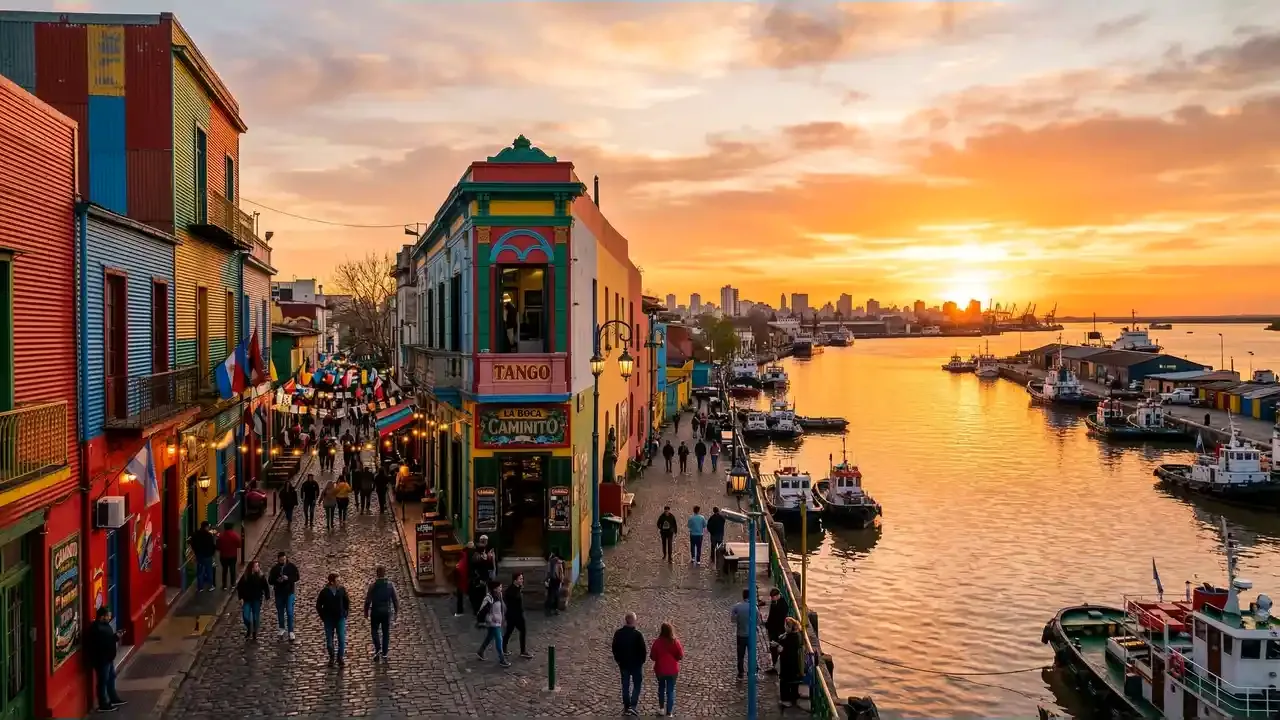
You'll find similar costs in Rosario, where a moderate lifestyle costs $1,250 per month and housing runs $496. Both cities offer comparable expense levels for everyday living.
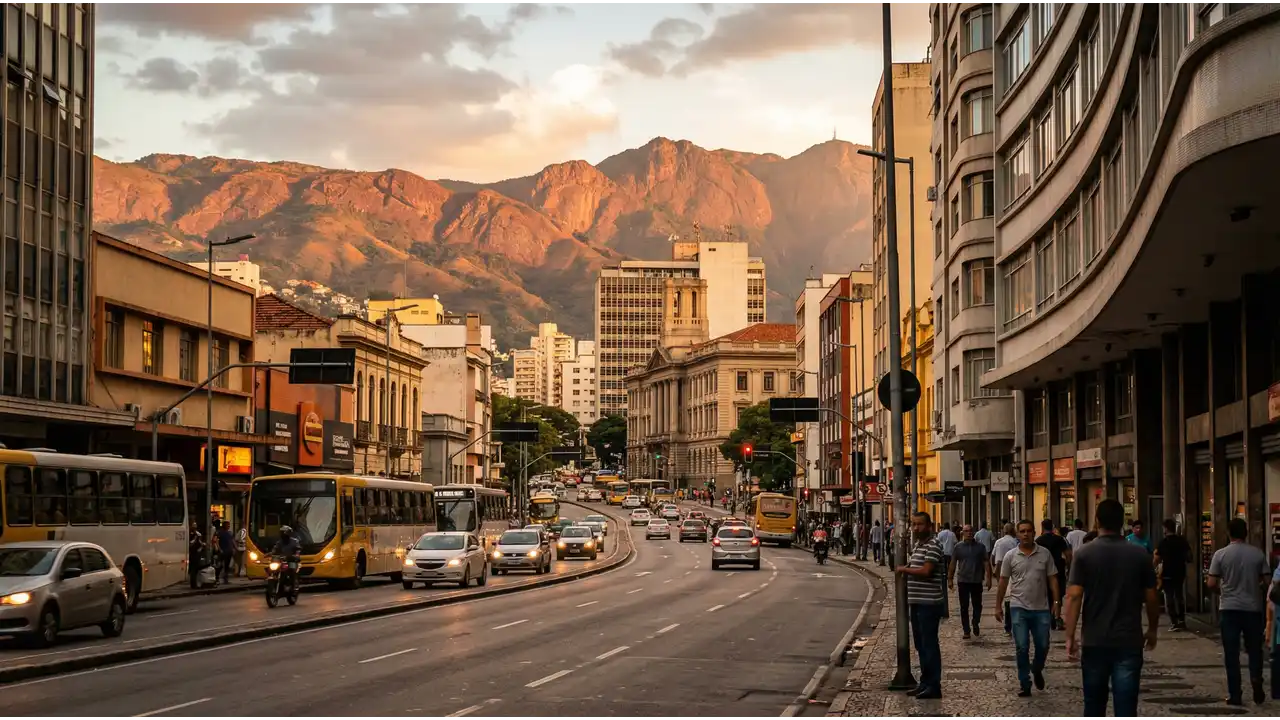
São Paulo is noticeably pricier than Belo Horizonte, which costs $950 monthly for a moderate lifestyle and $398 for housing. If budget is your main concern, heading inland to Belo Horizonte will stretch your money further.
Coastal tourist destinations like Tulum are significantly more expensive. A moderate lifestyle in Tulum runs $1,900 per month with housing at $1,022, making it roughly 40 percent costlier than São Paulo overall.
Yes, but with tight constraints. The budget tier of $795/month requires shared housing ($300 to $400/month for a room), minimal eating out (mostly cooking at home on $150/month groceries), free or cheap entertainment, and reliance on public transit. You cannot afford a private apartment or regular restaurant meals. Healthcare, dental, or emergency expenses will strain this budget. Most budget-living expats share apartments with other foreigners or Brazilians, use OLX meticulously, speak Portuguese, and avoid neighborhoods marketed to expats. This budget works for students, digital nomads with flexible spending, or those willing to live on the periphery. It is not comfortable but is feasible.