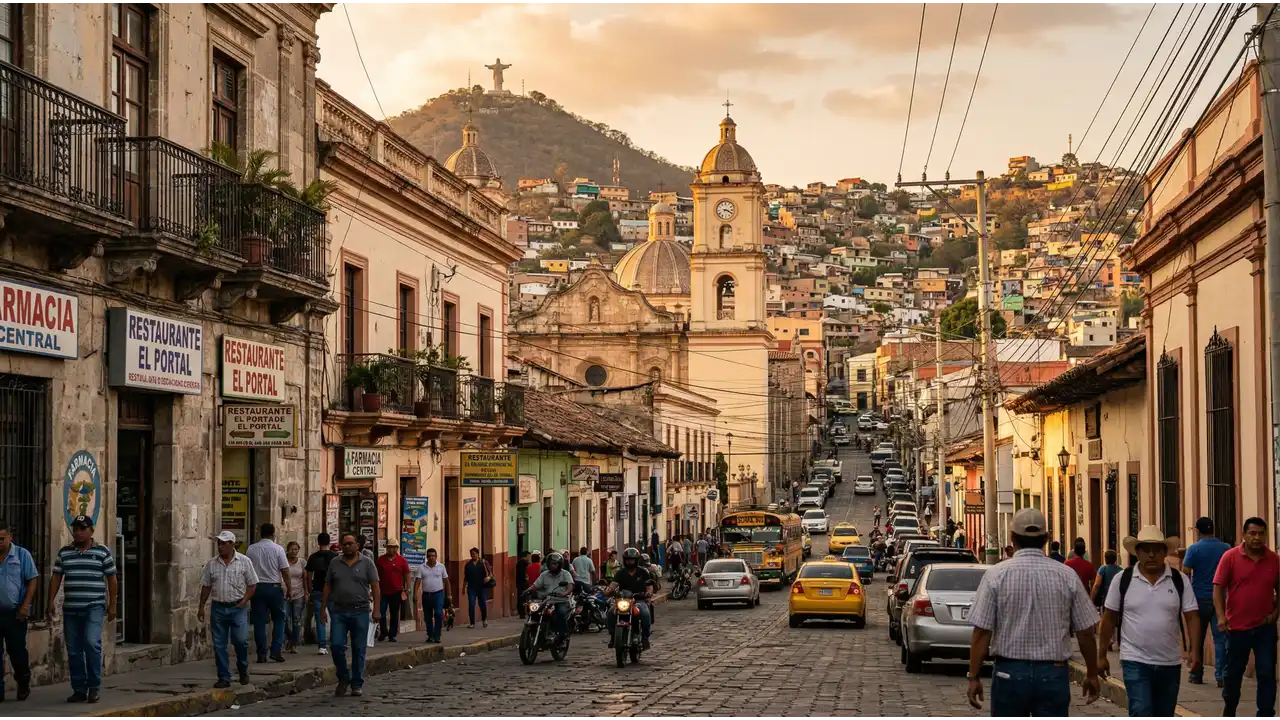
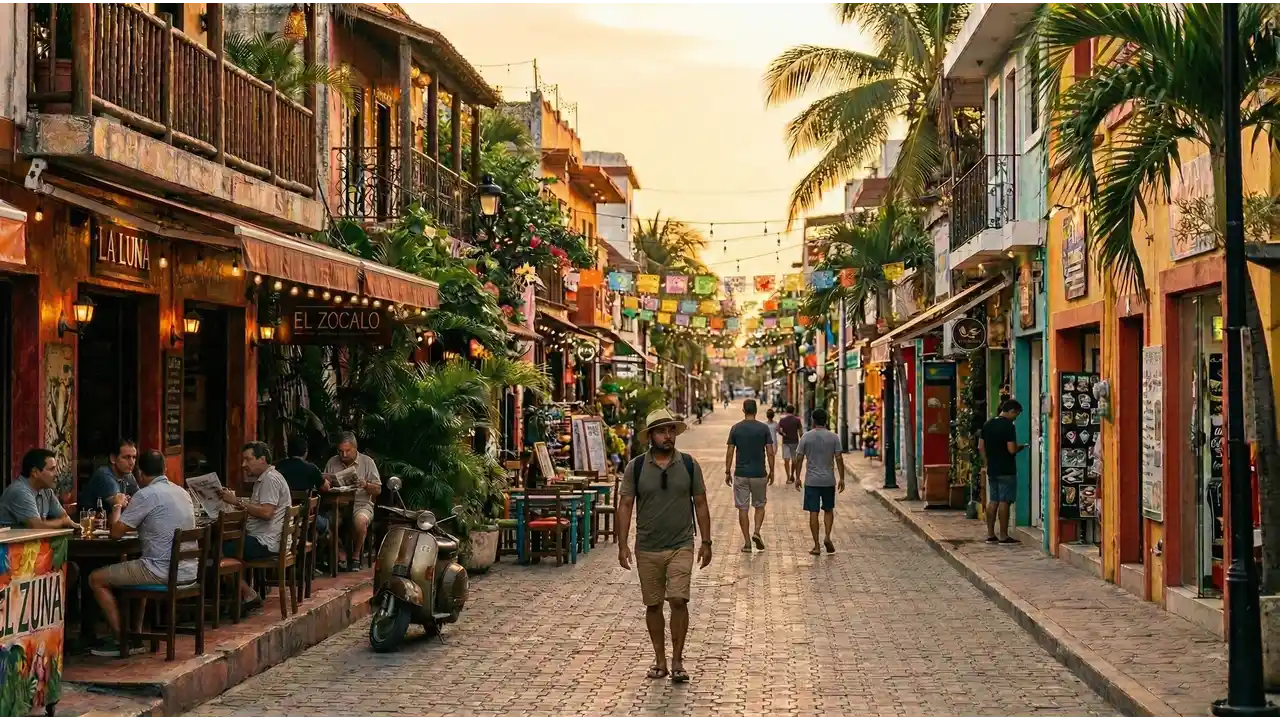
Tegucigalpa is Honduras's capital and largest city, sitting in a mountain valley at roughly 3,200 feet elevation. It has a tropical highland climate with warm days and cooler nights. The city mixes older Spanish colonial architecture with modern commercial districts, though infrastructure varies by neighborhood. Daily life involves navigating crowded markets, dealing with traffic congestion, and managing security awareness in certain areas. The population is predominantly Honduran, with a growing expat community concentrated in safer, more developed zones like Palmira and Boulevard Morazán. Public transportation relies on chicken buses and shared microbuses. Power outages and water supply disruptions occur but are manageable for those prepared.
💡 Local Insights
Tegucigalpa · 2026
Tegucigalpa's cost structure reflects a lower-income Central American capital with uneven development. Housing costs vary sharply by neighborhood. Secure, expat-friendly areas command significantly higher rents than outlying zones, but overall the market remains affordable by North American or European standards. The $496/month Honduras-level housing figure does not reflect Tegucigalpa's actual rental market; expat rentals typically range from $400 to $1,200+ depending on location and amenities. Groceries at $235/month assumes buying local produce at public markets and shopping at chains like Walmart or Carrefour. Eating out at comedores (lunch spots) costs $3-5 per meal; international restaurants $10-20+. Chicken buses cost under $1 per ride; taxis around $2-5 within the city. Import-heavy goods (specialty foods, electronics) cost more. Haggling is expected in markets. Security awareness affects where expats shop and move, sometimes pushing costs higher when avoiding certain neighborhoods means paying more elsewhere.
Frequently Asked Questions
How much does it cost to live in Tegucigalpa per month?
A moderate lifestyle in Tegucigalpa costs roughly $1,225 per month. This breaks down to approximately $496 for housing (Honduras-level figure), $235 for groceries, and the remainder covering utilities, transport, dining out, and personal expenses. A budget tier lifestyle runs around $735 per month, cutting housing to shared or remote areas and relying on local food and transport. A comfortable lifestyle costs $1,899 per month, allowing better housing, dining out more frequently, and more flexibility overall. Actual costs depend heavily on neighborhood choice and lifestyle preferences.
What is the average rent in Tegucigalpa?
The $496/month housing figure shown here is Honduras's national average, inherited at the country level since Tegucigalpa has no separate rent measurement. Tegucigalpa's actual rental market differs significantly by area. In safer expat neighborhoods like Palmira or around Boulevard Morazán, one-bedroom apartments rent for $500-800 per month; two-bedrooms $700-1,200+. Remote or less secure neighborhoods offer cheaper options, $300-400, but often lack amenities or proximity to services. Furnished rentals cost 20-30% more. Water and electricity add $30-60 monthly. Most landlords require first month, last month, and security deposit upfront. Negotiate; listed prices are often flexible.
Is Tegucigalpa cheap to live in for expats?
Tegucigalpa is cheaper than most North American, Western European, or Australian cities, but not among the cheapest in Central America. Rent and food cost less than San José, Costa Rica or Panama City, but a comfortable expat life here still requires thoughtful budgeting. The advantage lies in lower baseline costs; the drawback is that expat-friendly housing, security services, and international goods push costs up relative to local averages. Healthcare and private schooling (if relevant) add significantly. Expats on $1,500-2,000 per month can live decently; those on $1,000 or less face real constraints. Security consciousness, not poverty, drives expat costs.
How much does food cost per month in Tegucigalpa?
Monthly grocery costs average $235 for a moderate local diet: fresh produce, eggs, chicken, beans, rice, and basic staples from markets and supermarkets. Local markets offer tomatoes, plantains, and yuca at $0.50-1.50 per pound. A dozen eggs costs around $2. Chicken under $3 per pound. Imported goods (cheese, cereals, specialty items) cost two to three times local equivalents. Eating at comedores (local lunch restaurants) runs $3-5 per meal; better-quality restaurants $8-15. A coffee costs $0.50-1.50. Alcohol is inexpensive; local beer around $1 per bottle. Cooking at home is far cheaper than dining out; most expats on moderate budgets cook 60-70% of meals.
What salary do you need to live comfortably in Tegucigalpa?
A comfortable lifestyle in Tegucigalpa requires approximately $1,899 per month. This allows a decent one or two-bedroom apartment in a safe neighborhood, regular dining out, consistent utilities, private transport (taxi or car), and discretionary spending. At this level, expats can access private healthcare, international schools (if needed), and travel within Honduras. Below $1,500 per month, comfort requires significant compromises: smaller housing, limited dining out, or acceptance of inconveniences. Local Honduran salaries average much lower (many jobs $400-600 monthly), so expats earning $2,000+ live substantially above median. Remote workers on $2,500-3,500 per month live quite comfortably with savings.
How does the cost of living in Tegucigalpa compare to other places?
Tegucigalpa runs $1,225 per month for a moderate lifestyle, with housing at $496 per month. This puts it slightly higher than Havana, which costs $1,175 monthly and has housing at $467. If you're coming from Central America, Fortaleza is considerably cheaper at $850 per month overall, though Tegucigalpa offers better urban infrastructure and security than Brazil's northeast coast. On the other end, San Miguel de Allende in Mexico is significantly pricier at $1,725 per month, reflecting its popularity with expats and higher service costs. Tegucigalpa's affordability comes partly from low housing costs, though you'll want to factor in transportation safety concerns and occasional supply issues when budgeting. For most expats, the moderate budget assumes a comfortable apartment in a safer neighborhood and regular restaurant meals.
Yes, but tight. The budget tier of $735/month means shared or far-flung housing ($250-350), groceries from markets ($150-180), minimal dining out, and reliance on cheap transport. This works if you cook most meals, live outside prime expat zones, accept basic utilities and occasional shortages, and have few entertainment expenses. Many long-term expats live this way intentionally; locals do routinely. What it cuts: frequent restaurant meals, private transport, entertainment, and comfort margins. Medical emergencies or unexpected costs create stress. Remote work helps significantly; without income, $735 becomes survival mode. It's doable but requires discipline and local savvy, not casual expat comfort.