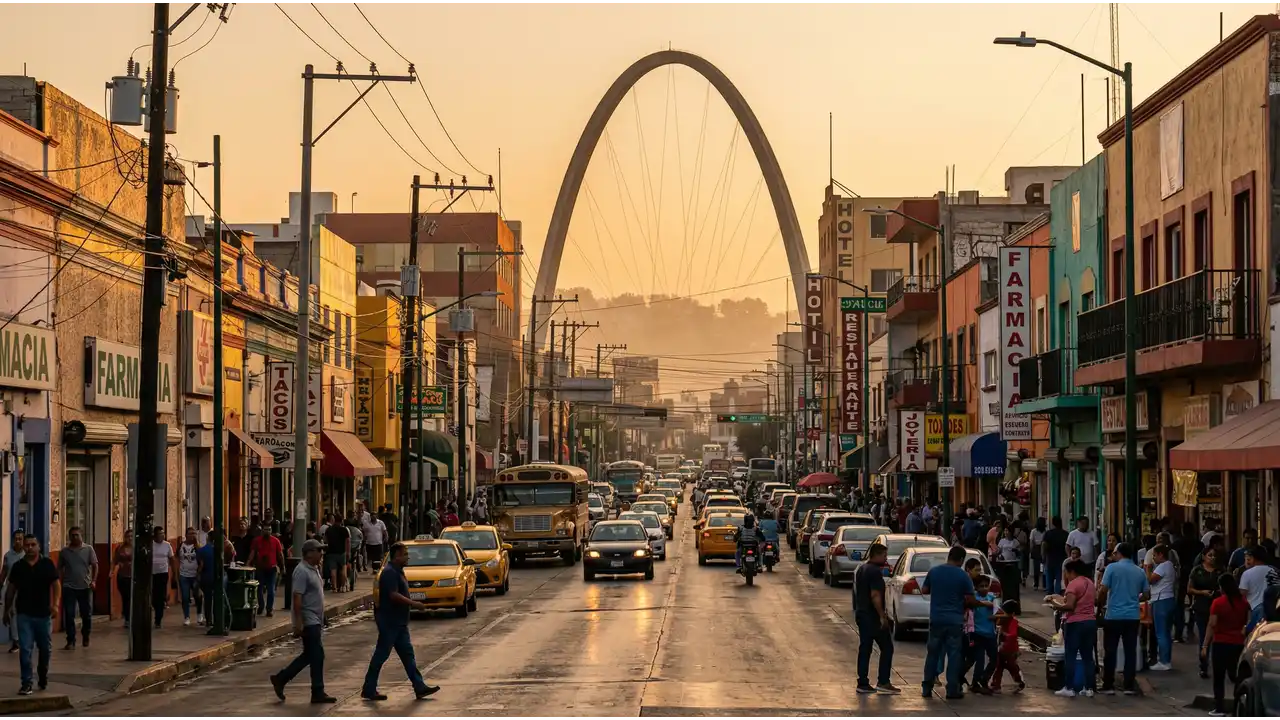
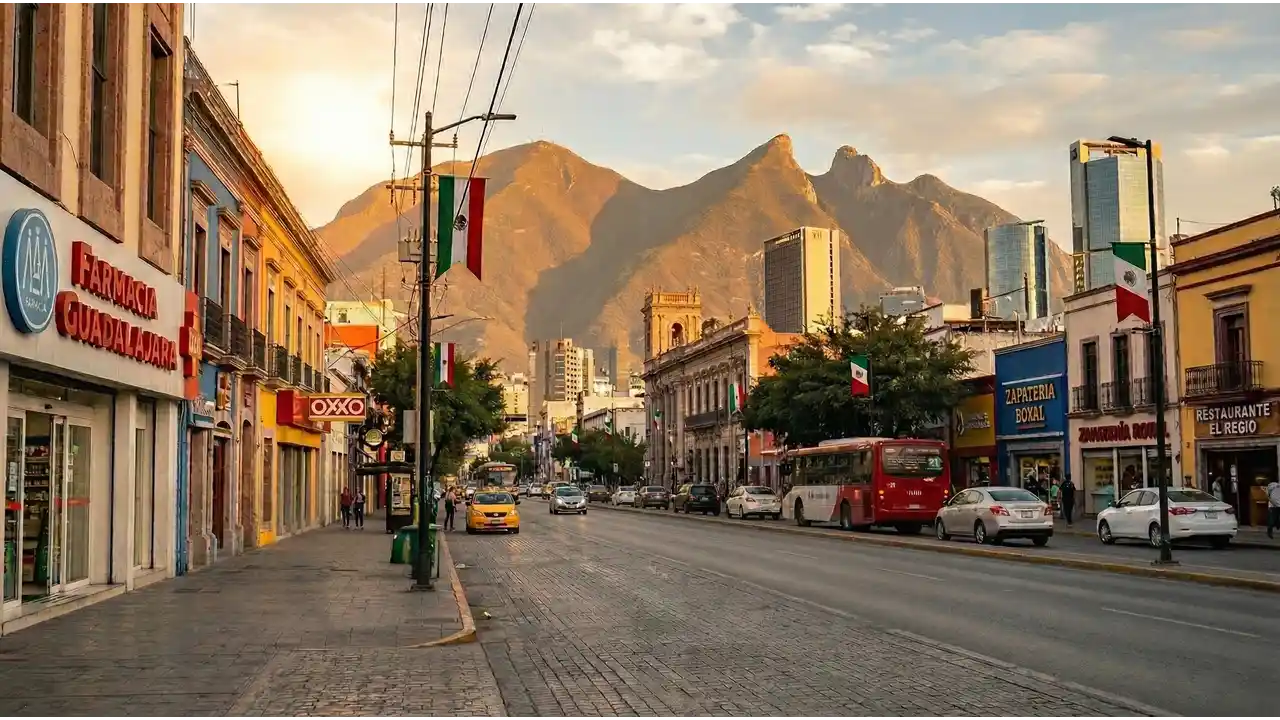
Tijuana is Mexico's northernmost city, sitting directly across from San Diego. It functions as both a border crossing hub and a residential city for Mexican and international residents. The climate is Mediterranean: mild winters, warm dry summers. Daily life centers on a mix of commercial zones, residential neighborhoods, and cross-border commerce. Spanish is the main language, though English is increasingly common near the border. The city has grown as a tech hub and affordable base for remote workers. Traffic and border wait times shape routines. It is substantially less expensive than Southern California while offering proximity to US services and culture.
💡 Local Insights
Tijuana · 2026
Tijuana's cost of living reflects its position as an affordable alternative to San Diego while remaining higher than interior Mexican cities. Housing runs $803/month on average, with significant variation by neighborhood. Zona Rio and Playas neighborhoods command higher rents ($900-$1,200 for a one-bedroom apartment), while outer areas like Otay and Tijuana Este run $600-$800. Expats and remote workers often pay premiums for furnished units or managed housing. Utilities add $80-$150/month. Groceries cost $281/month for basic staples if you shop at local markets and supermarkets like Soriana or Walmart. Eating out remains cheap: tacos run $1-$3, full restaurant meals $6-$12. Transport is affordable. Local buses cost under $1 per ride; Uber and taxis run $3-$8 for most trips. Expats accustomed to US pricing often underestimate how far the dollar stretches here. Healthcare and private schools add substantially to costs. Currency fluctuations matter since many expats earn USD but spend Mexican pesos.
Frequently Asked Questions
How much does it cost to live in Tijuana per month?
A moderate lifestyle costs around $1,675/month. This covers housing at $803/month, groceries at $281/month, utilities ($80-$150), transport ($40-$60), and dining out and entertainment ($300-$400). The budget tier runs $1,005/month for those sharing housing, cooking most meals, and minimizing entertainment. A comfortable lifestyle with private housing, regular dining out, and activities runs $2,596/month. Costs vary by neighborhood, lifestyle choices, and whether you use private schools or healthcare services.
What is the average rent in Tijuana?
Average rent is $803/month. Neighborhoods near the border or in Zona Rio (close to business districts) run $900-$1,200 for a one-bedroom furnished apartment. Residential areas like Playas and Chapultepec offer one-bedrooms for $750-$950. Outer neighborhoods like Otay, Tijuana Este, and Rosarito (south of the city) range $600-$800. Unfurnished apartments tend cheaper than furnished. Many expats rent short-term through management companies at a premium ($1,000-$1,500/month for furnished places). Utilities, internet, and parking typically run separate and add $80-$150/month combined.
Is Tijuana cheap to live in for expats?
Yes, relative to US cities, but not as cheap as interior Mexico. A remote worker earning $3,000-$4,000 USD monthly lives well here. Housing is substantially cheaper than San Diego (where median rent is $2,200+). Groceries, transport, and dining cost 40-60% less than California. However, expat-oriented housing, private healthcare, and English-language services carry premiums. US health insurance, VPN subscriptions, and international services add costs. Expats transitioning from Europe will find Tijuana noticeably cheaper; those from Southeast Asia may find it pricier. The real advantage is proximity to US services combined with lower costs.
How much does food cost per month in Tijuana?
Monthly groceries average $281/month for basic items. This includes fresh produce (tomatoes, avocados, beans, rice), dairy, eggs, chicken, and packaged goods bought at Soriana, Walmart, or local markets. Specific prices: eggs ($2-$3/dozen), chicken ($4-$6/pound), avocados ($0.50-$1 each), tortillas ($0.40-$0.60/pound). Eating out is cheap: street tacos $1-$3, full meals at casual restaurants $5-$10, nicer restaurants $12-$25. Coffee at local cafes runs $1.50-$3. Expats often spend more by eating at American restaurants or importing US goods. Shopping at markets rather than supermarkets cuts costs further.
What salary do you need to live comfortably in Tijuana?
A comfortable lifestyle costs $2,596/month. This budget allows for private housing ($900-$1,200), regular dining out, activities, and services like housekeeping or fitness clubs. Remote workers earning $3,500-$4,500 USD monthly live very well. Those earning $3,000 USD manage comfortably if careful about discretionary spending. Healthcare expenses (private clinics, insurance) and children's education significantly increase comfortable-tier costs. Expats with dependents, private school needs, or frequent cross-border travel should budget toward the higher end. A single person with modest entertainment needs can live well on $2,000-$2,400 USD monthly.
How does the cost of living in Tijuana compare to other places?
Tijuana sits in the middle tier for the region. A moderate lifestyle runs $1,675 a month, with housing at $803. That makes it slightly cheaper than Monterrey, where a moderate lifestyle costs $1,750 and housing runs $906. You'll spend considerably more in Panama City, where the same moderate lifestyle reaches $1,950 with housing at $1,144. If you're comparing to cheaper options in the region, Havana undercuts Tijuana significantly at $1,175 for a moderate lifestyle and $467 for housing. Your costs here depend heavily on neighborhood and lifestyle choices. The northern border location and proximity to San Diego anchor prices higher than inland Mexican cities, but you still get reasonable value compared to major North American centers.
Yes, but with tight constraints. The budget tier of $1,005/month requires shared housing ($400-$500/month), cooking all meals, minimal eating out, public transport, and no paid entertainment or fitness clubs. This means renting a room rather than an apartment, shopping at markets for basics ($250-$280/month for groceries), and limiting dining out to occasional cheap tacos. Utilities are minimal when shared. No budget for private healthcare, gym memberships, or frequent travel. It's sustainable for someone committed to frugality, but leaves little margin for emergencies or entertainment. Most expats on this budget work remotely and treat it as temporary or supplemented by savings. Locals working in retail or service jobs live this way more comfortably by using family networks.