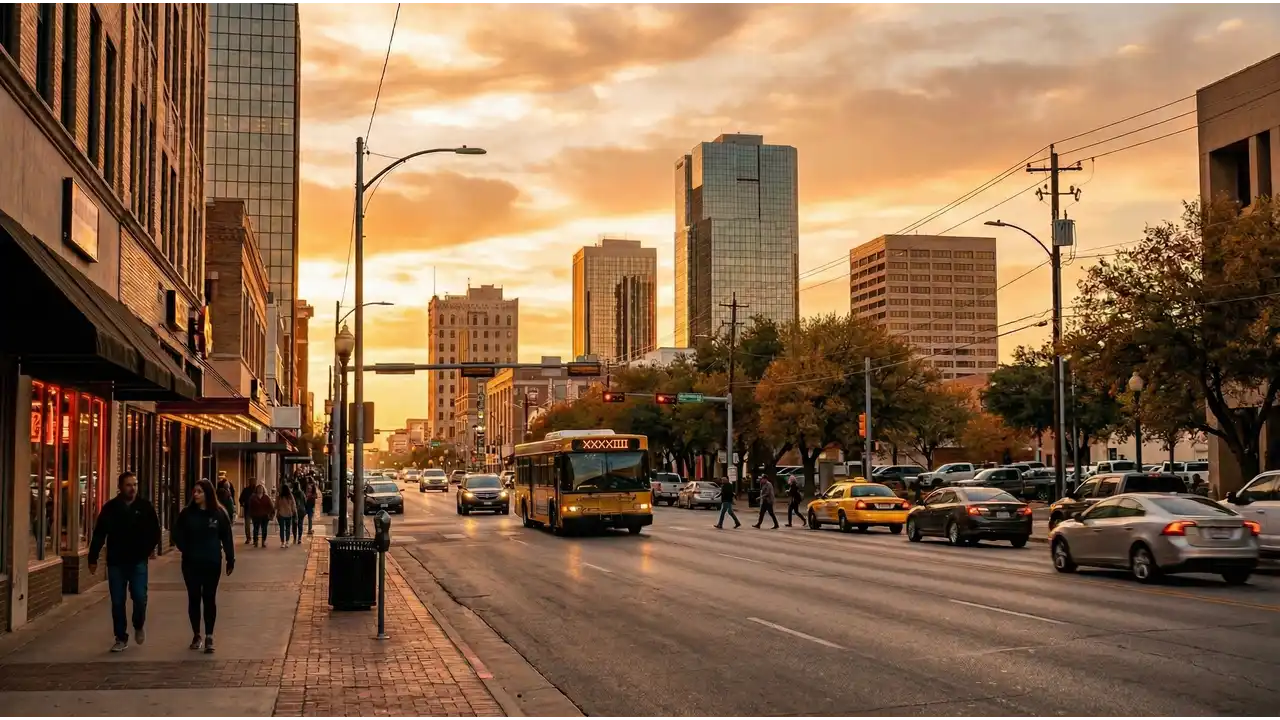
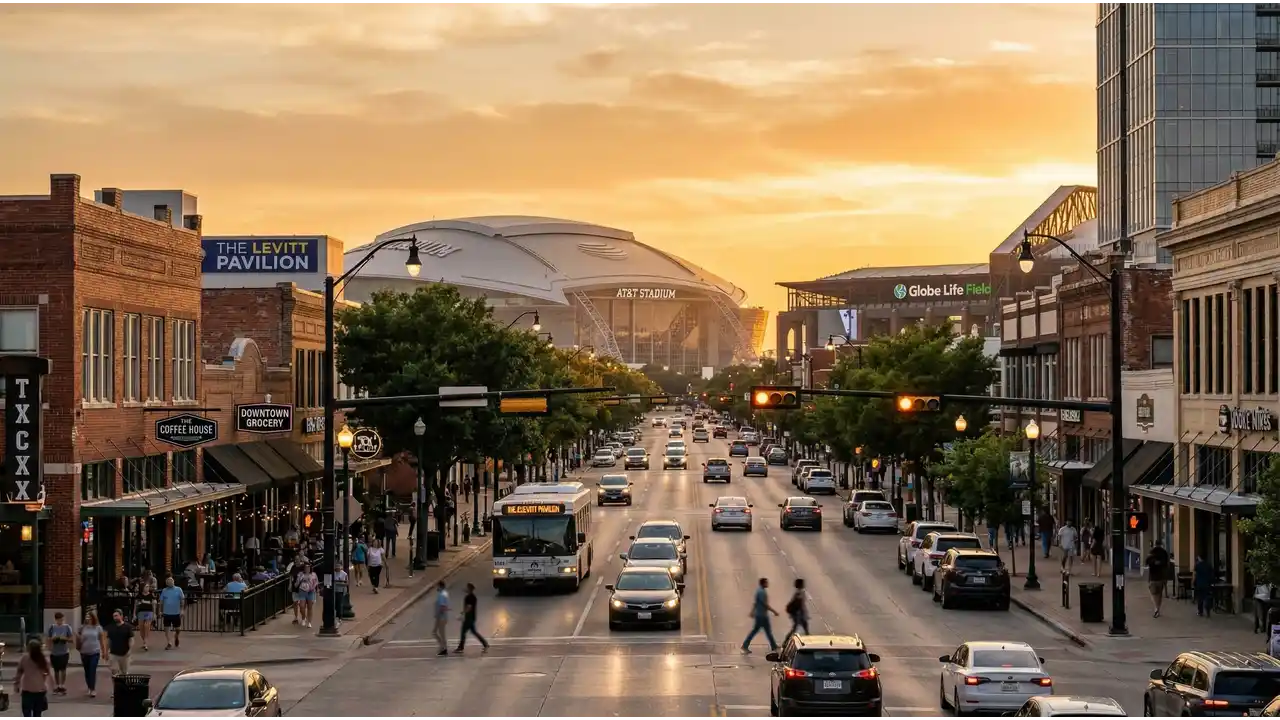
Abilene is a mid-sized city in central Texas with a population around 125,000. It sits on the edge of the High Plains, with hot summers, mild winters, and low humidity compared to East Texas. The city has a military presence (Dyess Air Force Base) and draws retirees, young families, and remote workers looking for affordability. Daily life centers on practical routines: shopping at big-box stores and local grocers, driving everywhere (public transit is minimal), and spending time outdoors when weather permits. The downtown has modest foot traffic; most activity happens along major roads. Schools and healthcare are available but not as extensive as larger metros.
💡 Local Insights
Abilene TX · 2026
Abilene's cost structure reflects a small-city economy with limited demand pressure. Housing at $863/month covers a modest one-bedroom apartment near downtown or a two-bedroom in outer areas; single-family rentals run higher. Buying is cheaper per square foot than renting long-term if you stay past 3-4 years. Groceries at $496/month are low because chain supermarkets dominate and competition keeps prices near or below national average. Eating out is inexpensive (casual meal around $12-15) but options are limited compared to major metros. Transportation is car-dependent; gas and maintenance matter more than in transit cities. No sales tax on groceries helps the food budget. Utilities run $150-180/month (cooling costs spike June-September). Expats find Abilene affordable but isolating; the city is not a destination hub. Job market outside defense and healthcare is thin, so most residents either work remotely, commute 60+ miles, or depend on established employers.
Frequently Asked Questions
How much does it cost to live in Abilene TX per month?
A moderate lifestyle costs $2,400/month. This breaks down roughly as: housing $863/month, food (groceries) $496/month, utilities and transportation $300-350/month combined, and the rest spread across healthcare, entertainment, and miscellaneous expenses. A budget tier of $1,440/month is possible if you share housing, cook all meals, and minimize discretionary spending. A comfortable lifestyle requiring more space, dining out regularly, and travel runs $3,720/month. Most residents live closer to the moderate range.
What is the average rent in Abilene TX?
Rent averages $863/month for a moderate one-bedroom apartment. Unfurnished one-bedrooms rent $750-950/month depending on age and location. Two-bedrooms range $850-1,100/month. Older units near downtown are cheaper; newer complexes on the south side command premiums. Single-family home rentals start around $1,000/month and climb past $1,400 for four-bedroom houses. Lease terms are typically 12 months. Vacancy rates are moderate, so negotiation is possible but not aggressive. The military presence (Dyess AFB) keeps rental demand steady.
Is Abilene TX cheap to live in for expats?
Yes, Abilene is genuinely affordable compared to most US metros and comparable to rural or small-city options in Canada or UK. At $2,400/month for a moderate lifestyle, it is cheaper than Austin (80 miles west), San Antonio, or Dallas. However, expats often find the isolation and lack of cultural amenities frustrating. There is limited international community, few non-American restaurants, and minimal public transportation. Remote workers and retirees adapt better than younger professionals seeking networking. Utilities, food, and housing are low; the trade-off is fewer job opportunities and less social infrastructure.
How much does food cost per month in Abilene TX?
Grocery shopping costs $496/month for a single person eating basic, home-cooked meals. This covers staples like eggs ($2.50/dozen), ground beef ($5-6/lb), chicken ($3-4/lb), milk ($3.50/gallon), bread ($2-3/loaf), and seasonal produce ($1-3/lb depending on item). Walmart and United Supermarkets are the main chains and keep prices competitive. Eating out is cheap: fast food $7-10, casual dinner $12-18 per person, no tax on groceries. Ethnic or specialty foods cost more; international aisles exist but selections are limited. Prepared foods and dining out regularly push the food budget above the grocery baseline.
What salary do you need to live comfortably in Abilene TX?
A comfortable lifestyle costs $3,720/month, suggesting a gross monthly income of $4,500-5,000 (accounting for taxes) or $54,000-60,000 annually. This supports a two-bedroom home or apartment, regular dining out, travel, and hobbies without tight budgeting. Median household income in Abilene is around $52,000, so comfortable living requires above-median earnings or dual income. Those earning $40,000-45,000 can live adequately at the moderate level ($2,400/month) by watching spending. Below $36,000/year, the budget tier ($1,440/month) becomes necessary, requiring roommates or a very spare lifestyle.
How does the cost of living in Abilene TX compare to other places?
Abilene is genuinely affordable compared to most U.S. cities. A moderate lifestyle here costs $2,400 per month, with housing running $863 monthly. That puts you well below major metros like Philadelphia, where a moderate lifestyle costs $3,350 and housing alone runs $1,746 per month. Abilene sits roughly even with Memphis, which costs $2,500 monthly overall with housing at $1,022. If you're shopping for the cheapest option among these comparisons, Zaragoza comes in at $1,675 for a moderate lifestyle and $669 for housing, though it's outside the U.S. Within Texas and the broader region, Abilene offers genuine cost relief without sacrificing urban amenities. The trade-off is straightforward: you get lower expenses in exchange for a smaller city with fewer entertainment and cultural options than major metropolitan centers.
Yes, but with significant constraints. The budget tier of $1,440/month requires: sharing a two-bedroom apartment or renting a small studio ($600-700/month), buying groceries only and cooking all meals ($300-350/month), minimizing utilities with a roommate (split $150-180 to $75-90/month), zero or near-zero transportation beyond a used car, and no dining out, entertainment, or travel budget. This works for students, retirees living off minimal fixed income, or those in temporary situations. Emergencies (car repairs, medical) break this budget fast. Most people working full-time or expecting some quality of life need $2,000+ monthly.