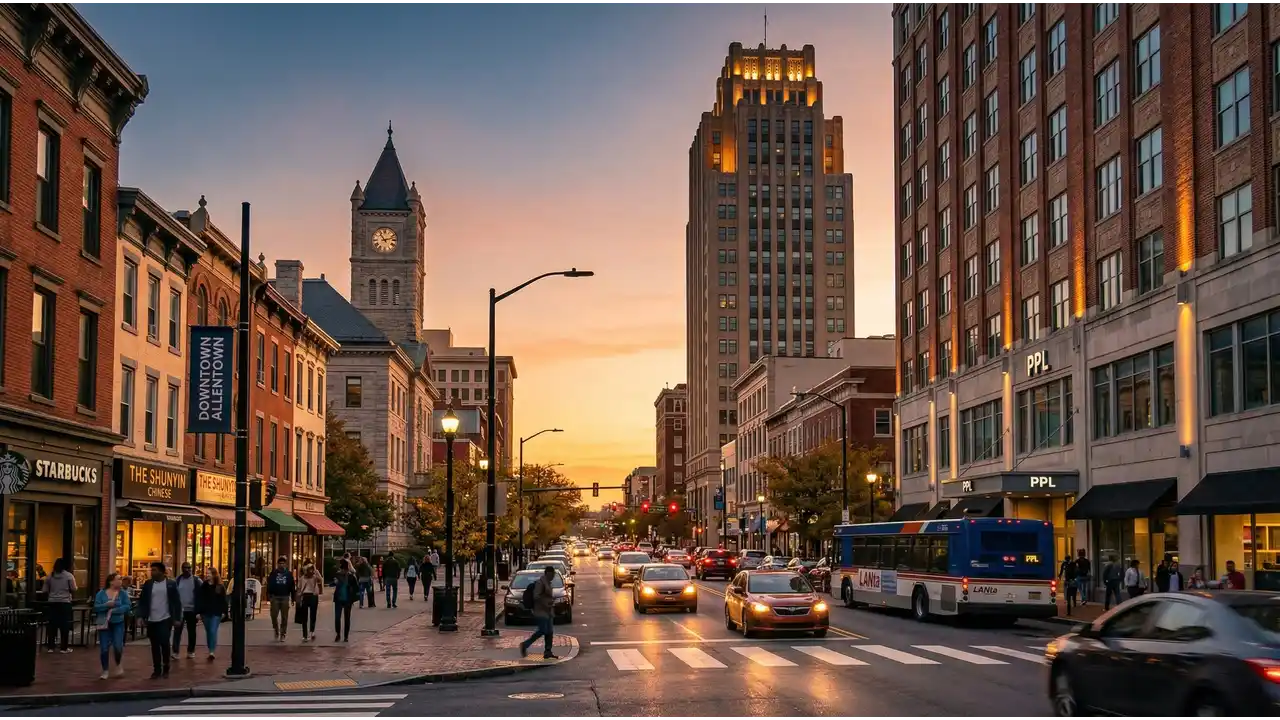
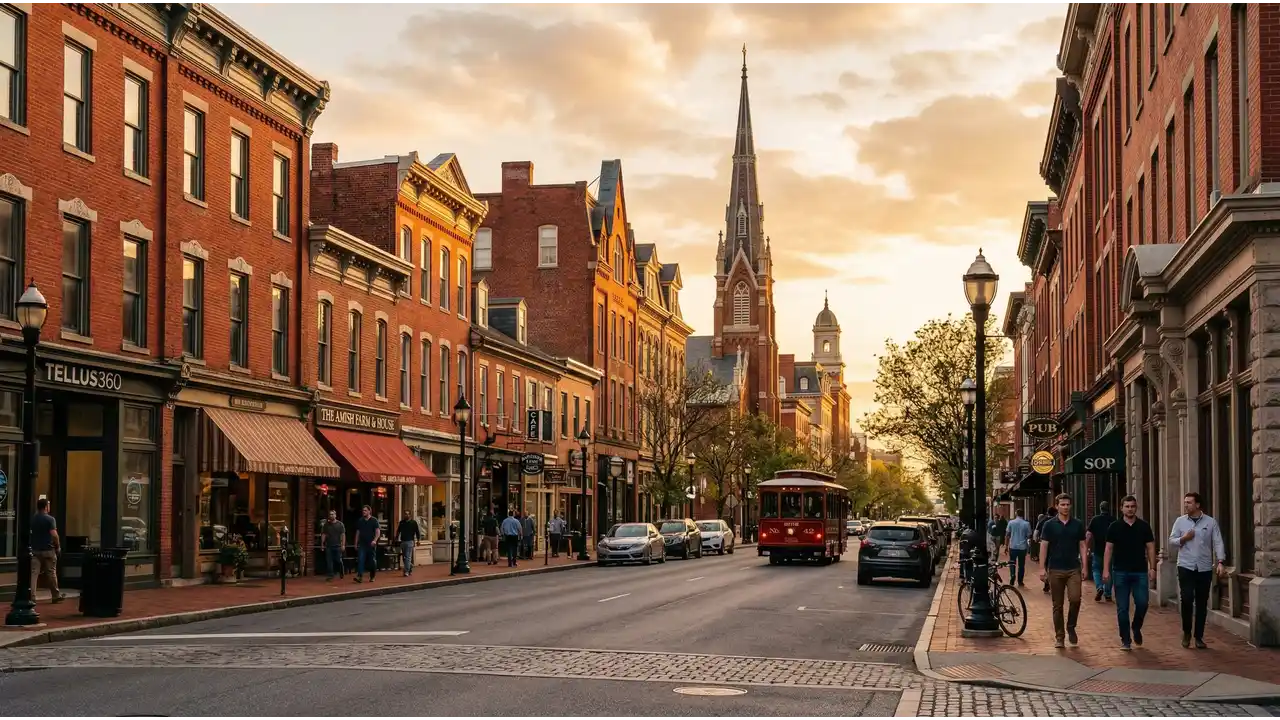
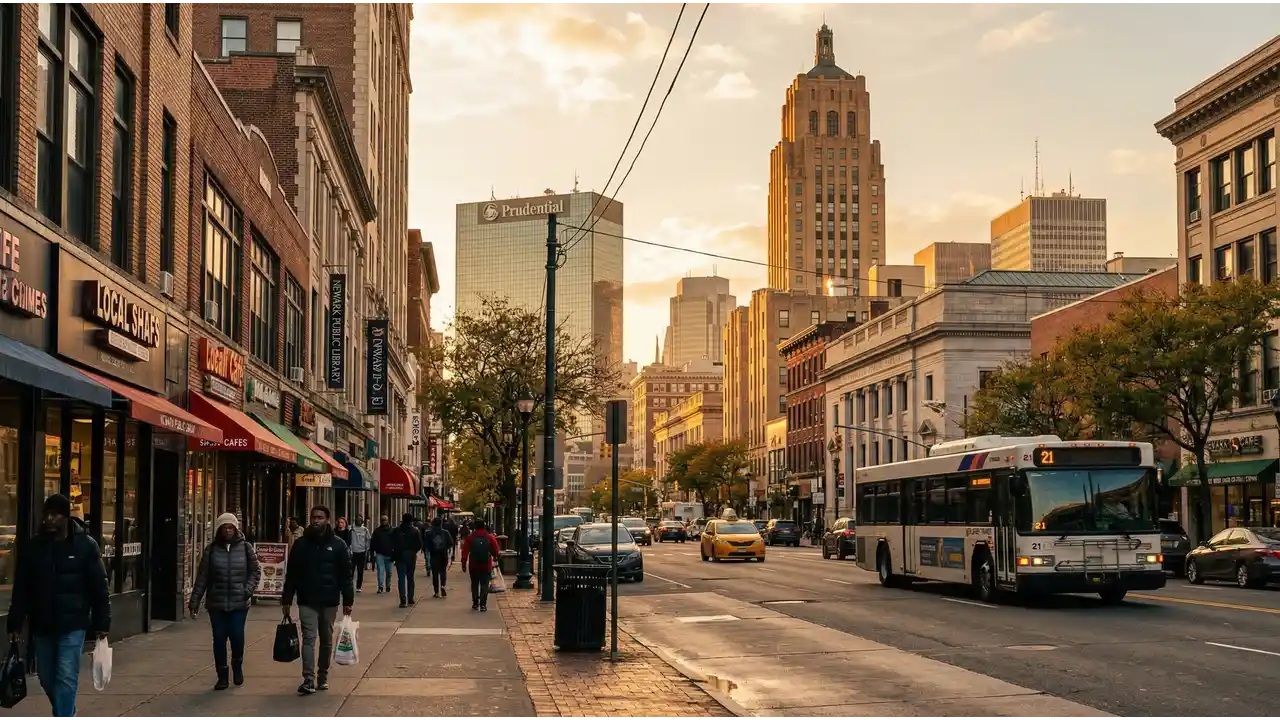
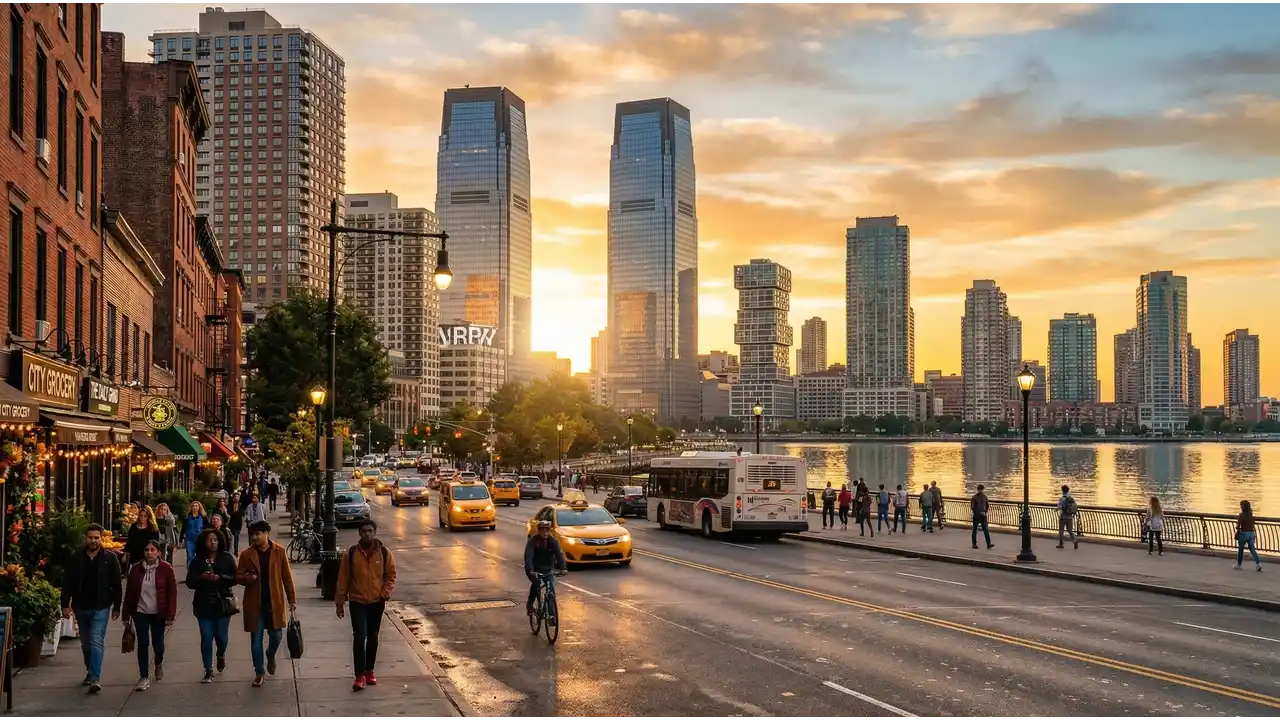
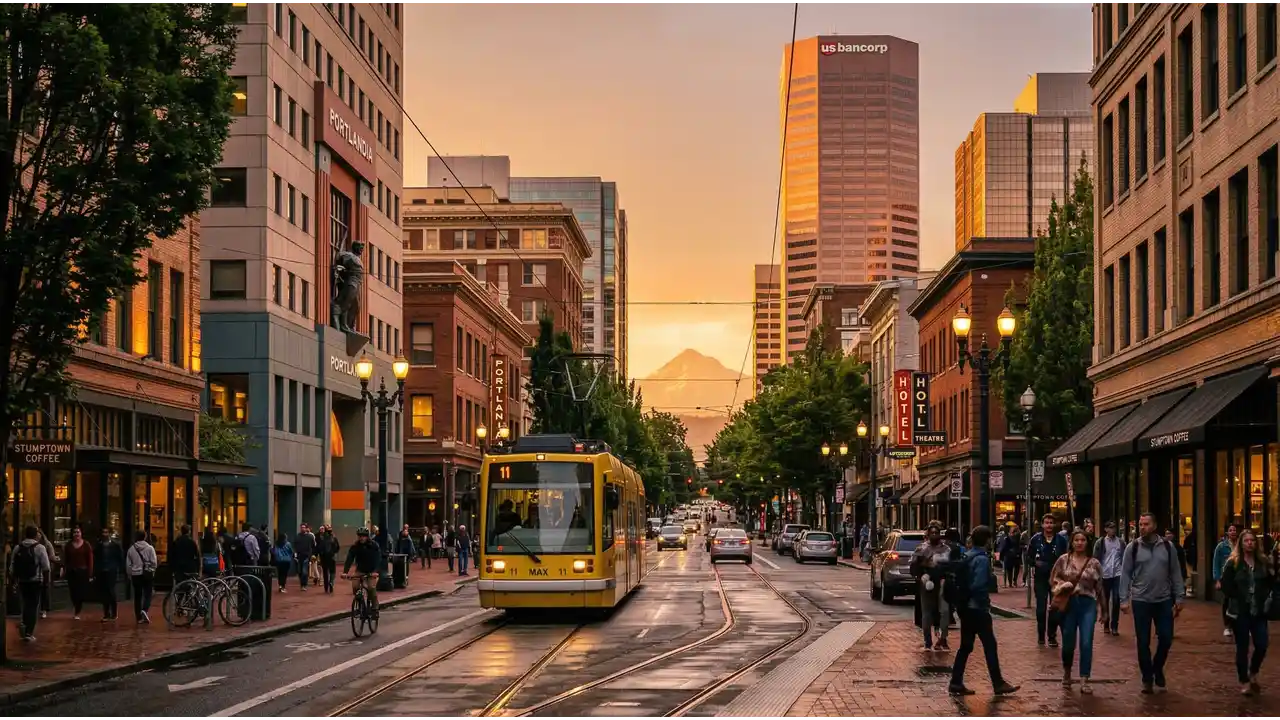
Philadelphia is a post-industrial city of 1.6 million people across 143 square miles, with pockets of renovation alongside working-class neighborhoods. Center City holds most jobs and cultural activity. Winters are cold and wet (average 32°F January), summers humid (85°F July). The population is roughly 40% Black, 35% white, 15% Hispanic, 8% Asian, with significant immigrant communities. Daily life means navigating older public transit, many rowhouse neighborhoods, established food scenes in Chinatown and Italian Market, and regular street-level commerce. Gentrification is active but uneven, creating sharp cost differences within short distances.
💡 Local Insights
Philadelphia · 2026
Philadelphia's cost advantage erodes quickly depending on neighborhood and housing type. Rent averages $1,746 per month citywide, but ranges sharply: Northeast and outer ring areas run $1,200 to $1,500 for a one-bedroom, while Center City and trendy Fishtown neighborhoods push $1,900 to $2,400. Food is moderate at $517 per month for groceries (MERIC index), with ethnic markets in Chinatown and Italian Market undercutting chain supermarkets. SEPTA transit passes cost $45 per month, making car-free living feasible in Center City. Expats often overpay initially by targeting already-gentrified blocks instead of stable neighborhoods one mile further out. Property taxes are low relative to housing costs, but wage tax (3.8987%) cuts take-home income. Northeast Philadelphia and West Philadelphia offer the steepest discounts; expect longer commutes or transit waits.
Frequently Asked Questions
How much does it cost to live in Philadelphia per month?
A moderate lifestyle costs $3,350 per month. This covers rent ($1,746), groceries ($517), utilities, transit, entertainment, and dining out. The budget tier ($2,010/month) strips housing to $1,200 or less, shared or outer neighborhoods, and minimal discretionary spending. The comfortable tier ($5,193/month) assumes $2,300+ rent in prime Center City, frequent dining, and travel. Most newcomers land near the moderate figure initially, then adjust based on neighborhood and lifestyle choices.
What is the average rent in Philadelphia?
Average rent is $1,746 per month for a one-bedroom apartment. Northeast Philadelphia and outer neighborhoods (Kensington, Northeast corridor) run $1,200 to $1,400. Center City and University City average $1,900 to $2,100. Fishtown, Rittenhouse, and Old City push $2,000 to $2,400. Two-bedroom units typically cost $1,000 to $1,500 more than one-bedroom equivalents in the same area. Shared housing drops these figures 30 to 50 percent. Most leases require first month, last month, and security deposit upfront.
Is Philadelphia cheap to live in for expats?
Philadelphia is cheaper than NYC, Boston, or DC, but not as cheap as its reputation suggests. The $1,746 median rent is reasonable by Northeast standards, but expats often pay 15 to 25 percent more by targeting gentrified neighborhoods or short-term rentals. Utilities, transit, and food are genuinely inexpensive. The real advantage is space: a one-bedroom in Center City is larger than equivalent Boston or NYC housing at lower cost. Expats from abroad find it affordable; those from the South or Midwest may find it expensive.
How much does food cost per month in Philadelphia?
Groceries average $517 per month per person. Ethnic markets (Italian Market, Chinatown, Reading Terminal Market) undercut chain supermarkets by 15 to 25 percent. A loaf of bread runs $2 to $3, dozen eggs $3 to $4, chicken $7 to $9 per pound. Dining out varies widely: casual lunch spots cost $10 to $15, dinner entrees $15 to $28 in established neighborhoods, $20 to $35 in Center City. Convenience store pricing is 30 percent higher than supermarkets.
What salary do you need to live comfortably in Philadelphia?
A comfortable lifestyle costs $5,193 per month, suggesting a gross monthly income of $7,500 to $8,500 (accounting for tax). Annually, that is $90,000 to $102,000 before tax. This allows $2,300+ rent in Center City, frequent dining and entertainment, travel, and savings. Philadelphia's wage tax (3.8987%) plus state and federal income tax means a $90,000 salary nets roughly $5,800 to $6,000 monthly. Many professionals in tech, healthcare, and finance earn $70,000 to $100,000 and live within moderate budgets.
How does the cost of living in Philadelphia compare to other places?
Philadelphia sits in the middle tier for major U.S. cities. A moderate lifestyle here costs $3,350 per month, with housing running $1,746 monthly.
You'll pay slightly less in Denver, where a moderate lifestyle is $3,225 monthly and housing is $1,624. Houston is notably cheaper at $2,675 for a moderate lifestyle, though that reflects a lower cost base across the board, with housing at $1,143.
Boston is considerably more expensive, at $4,675 monthly for a moderate lifestyle and $2,813 for housing alone. Philadelphia's housing costs about 60 percent of Boston's, which makes a meaningful difference if you're relocating from the Northeast.
If you're coming from a smaller city or the South, Philadelphia will feel pricier. If you're leaving a coastal hub, you'll likely find it a relief.
Yes, but only on a strict budget. $2,010 per month allows $1,200 to $1,300 rent in Northeast Philadelphia or shared housing in outer neighborhoods, $400 groceries (eating in mostly), $200 transit and utilities, and minimal discretionary spending. Dining out, entertainment, and new clothes come rarely. Healthcare copays, unexpected repairs, or moving costs break this budget quickly. Most people at this level work full-time or combine multiple income sources. It requires accepting longer commutes, roommates, or less central locations.