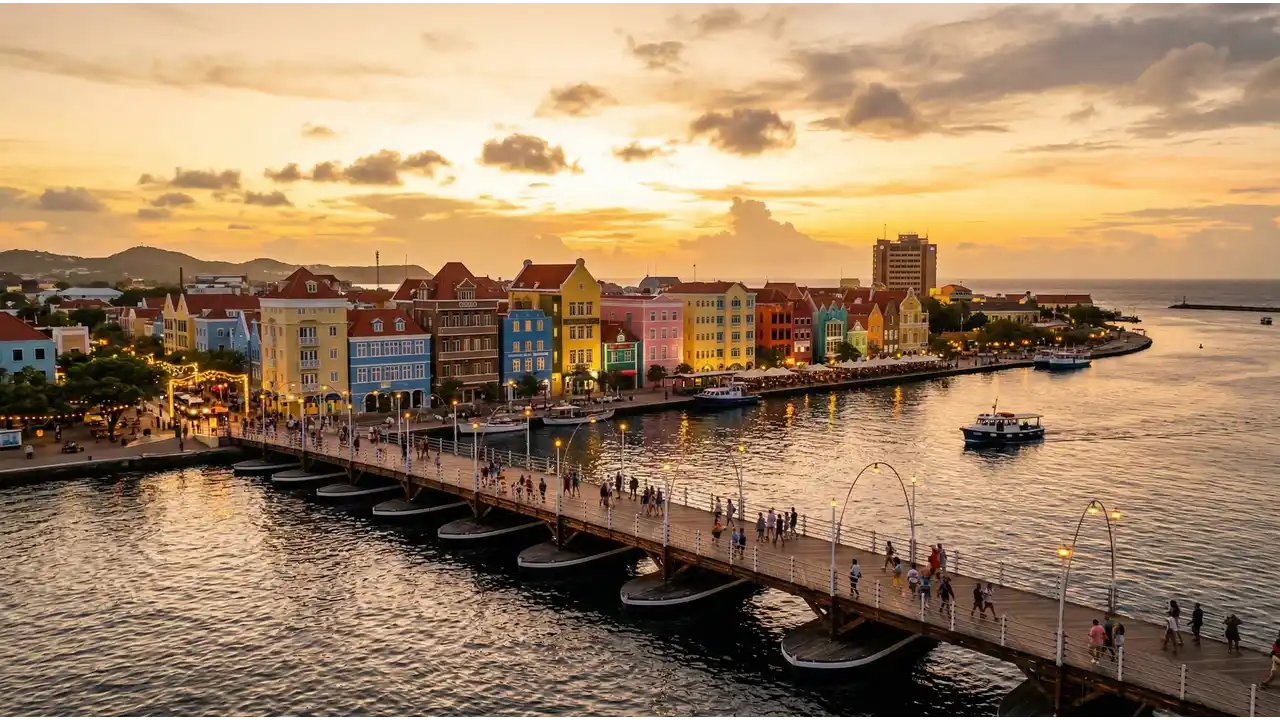
Aruba is a flat, arid island off the coast of Venezuela with roughly 107,000 residents. The population is ethnically mixed, with Dutch, Venezuelan, Colombian, and other Caribbean nationals alongside native Arubans. Daily life revolves around beaches, outdoor activities, and a strong tourism sector. The island has no hurricane season (it sits outside the typical Atlantic hurricane belt), making weather predictable year-round. English is widely spoken alongside Dutch and Papiamento. The main town, Oranjestad, serves as the commercial center with shops, restaurants, and government offices. Most expats and tourists stay in or near resort areas along the western coast.
💡 Local Insights
Aruba · 2026
Aruba's cost of living sits between Caribbean tourist destinations and more affordable regional alternatives, largely because nearly all goods are imported. Housing dominates the budget. Apartment rentals in Oranjestad or near Eagle Beach range from $1,200 to $2,500 monthly for one-bedroom units; resort-area rentals run higher. Home purchases average $400,000 to $800,000 for modest properties. Groceries cost roughly 30 percent more than the US mainland due to import dependence. A week of groceries for one person runs $80 to $120. Eating out at casual restaurants costs $12 to $20 per meal; upscale dining reaches $30 to $60 per entree. Utilities (electricity, water, internet) average $150 to $250 monthly. Transportation is limited; most expats rent cars ($40 to $60 daily) or rely on taxis. Gas prices are moderate by Caribbean standards. The budget tier ($1,845/month) requires careful spending and shared housing. The moderate figure ($3,075/month) assumes a one-bedroom apartment, occasional dining out, and a rental car. The comfortable tier ($4,766/month) allows for more spacious housing and regular restaurant visits.
Frequently Asked Questions
How much does it cost to live in Aruba per month?
A moderate lifestyle costs $3,075 per month. This covers a modest one-bedroom apartment ($1,500 to $1,800), groceries and some dining out ($400 to $500), utilities ($150 to $200), car rental or transport ($200 to $300), and miscellaneous expenses. Budget living runs $1,845 monthly if you share housing and cook most meals. Comfortable living reaches $4,766 if you want a larger apartment, frequent dining out, and activities. Actual costs vary significantly based on neighborhood choice and lifestyle preferences.
What is the average rent in Aruba?
One-bedroom apartments in or near Oranjestad rent for $1,200 to $2,000 monthly. Eagle Beach and Palm Beach (resort areas) run $1,800 to $2,800 for comparable units. Older buildings or further inland locations may cost $900 to $1,400. Two-bedroom apartments range from $1,800 to $3,000. Rental agreements typically require security deposits and are often negotiated directly with landlords or property managers. Longer leases (six months or more) may offer modest discounts. Tourist-season prices (November to April) are higher; off-season rentals can be 10 to 20 percent cheaper.
Is Aruba cheap to live in for expats?
No. Aruba ranks in the upper-middle range for Caribbean expat destinations. It is more expensive than Mexico, Central America, or parts of South America, but less costly than Cayman Islands or Turks and Caicos. Most expats choose Aruba for stability, safety, no hurricane risk, and English availability rather than affordability. The import-dependent economy drives up food and goods prices. If your budget is under $2,000 monthly, Aruba will stretch your money thin. If you earn $3,500 or more monthly, living here comfortably is realistic without major financial stress.
How much does food cost per month in Aruba?
Groceries for one person run $80 to $120 weekly, or $320 to $480 monthly. Imported items cost significantly more than local alternatives. A gallon of milk costs around $5; a dozen eggs, $4; chicken breast per pound, $6 to $8. Local produce at markets is cheaper than supermarkets. Casual dining (local lunch spots) costs $8 to $15 per meal. Mid-range restaurants charge $18 to $35 for dinner entrees. Upscale resort restaurants and beachfront dining reach $40 to $70. Many expats grocery shop at shops like Ling and Ling or Superfood to manage costs, buying bulk items and cooking at home four to five nights weekly.
What salary do you need to live comfortably in Aruba?
A comfortable lifestyle costs $4,766 monthly. To cover this without financial strain, a household income of $5,500 to $6,000 monthly is realistic, accounting for taxes and savings. For couples, combined household income of $7,000 to $8,000 allows for housing, dining out regularly, activities, and travel. Single earners should aim for at least $4,000 monthly salary to live at the comfortable tier. If your income is $3,000 to $3,500, you can manage at the moderate level by being selective about housing and entertainment. Expats without income should have liquid savings of at least $50,000 to $75,000 to sustain themselves long-term.
How does the cost of living in Aruba compare to other places?
Aruba is more expensive than Puerto Rico, Dominican Republic, and Jamaica due to its smaller economy and import reliance. At $3,075 monthly for a moderate lifestyle, it costs roughly 20 to 30 percent more than Playa del Carmen, Mexico, but 25 to 35 percent less than Cayman Islands. It sits slightly above Barbados in overall cost. Compared to US cities, Aruba rent is competitive (lower than Miami or New York), but groceries and dining out cost more. Compared to Belize or Panama, Aruba is pricier. Choose Aruba for safety and stability, not affordability.
Can you live in Aruba on $1,845/month?
Yes, but with significant constraints. This budget requires shared housing (two-bedroom split with a roommate), keeping rent to $800 to $900 monthly. Groceries must be self-cooked most nights, targeting $250 to $300 monthly. Utilities in a shared space run $75 to $100 per person. Transport must be public buses or carpooling ($50 monthly). This leaves little for dining out, entertainment, or emergencies. You cannot comfortably afford a car or frequent activities. This tier suits young people, remote workers with flexible arrangements, or those with additional income streams. Most expats find $1,845 tight for long-term sustainability unless your lifestyle is genuinely minimal.
💰 What's Your Budget?
Enter your monthly budget and see what lifestyle you can afford in Aruba.