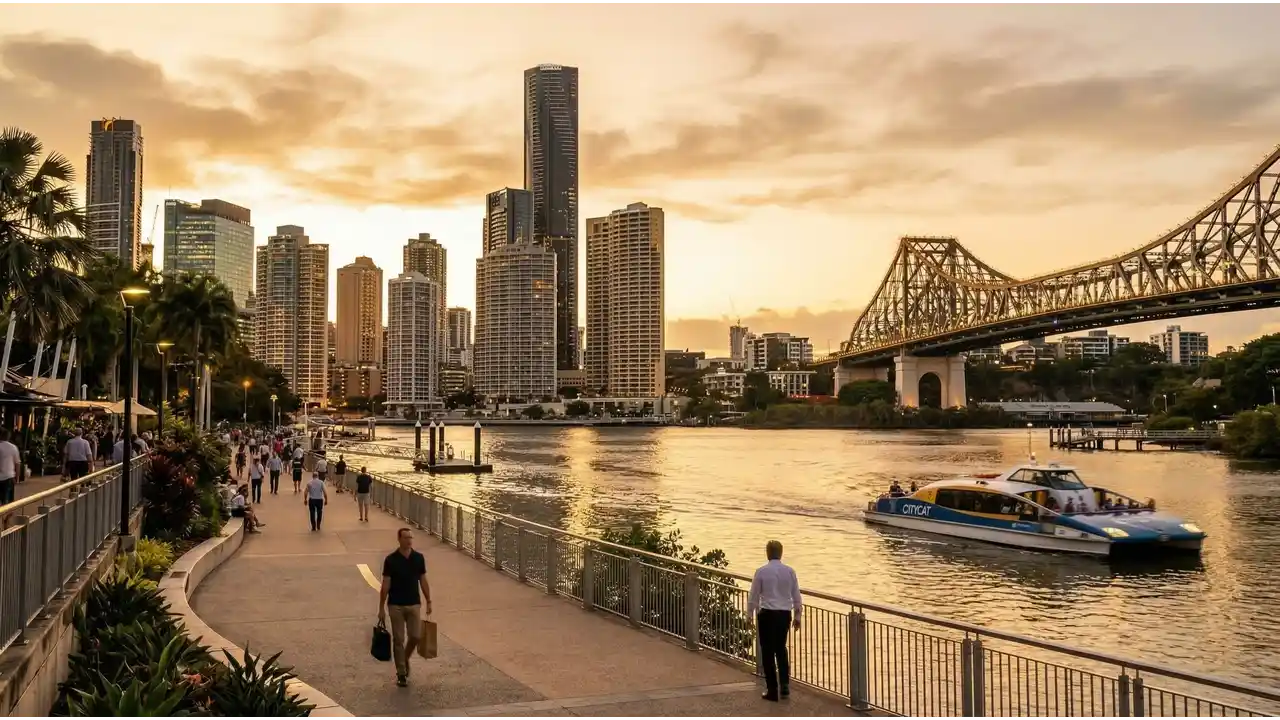
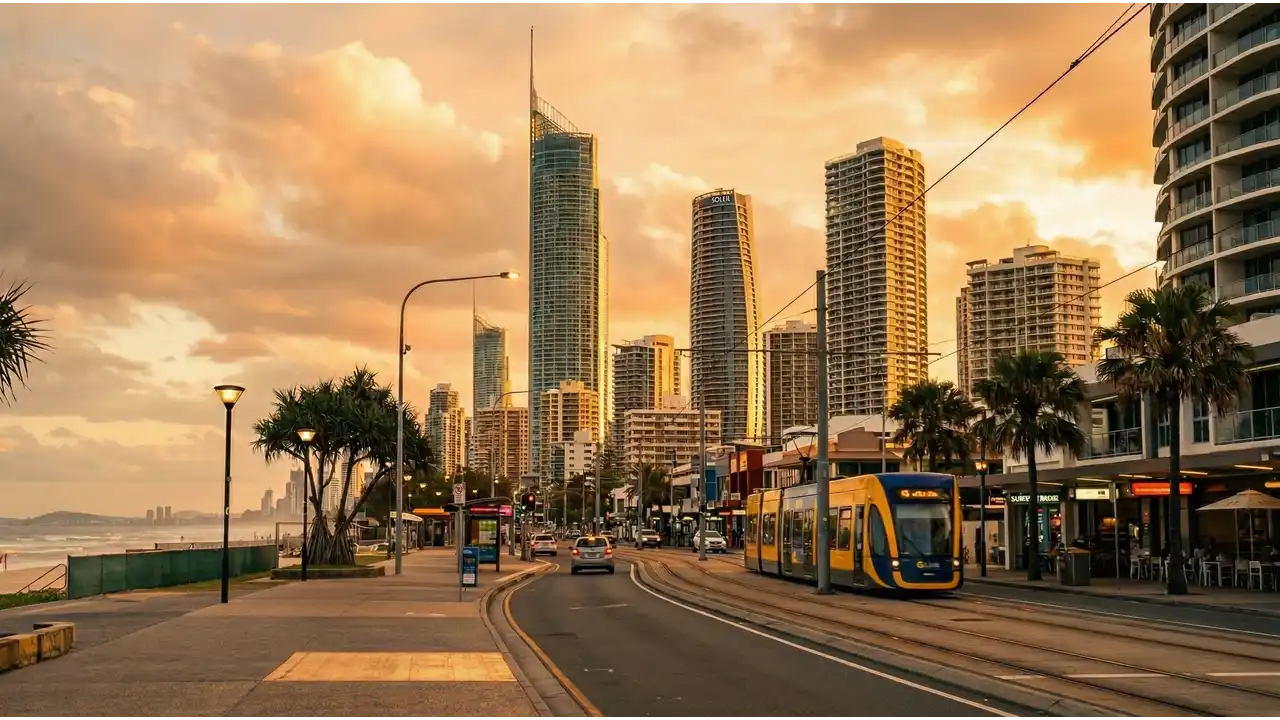
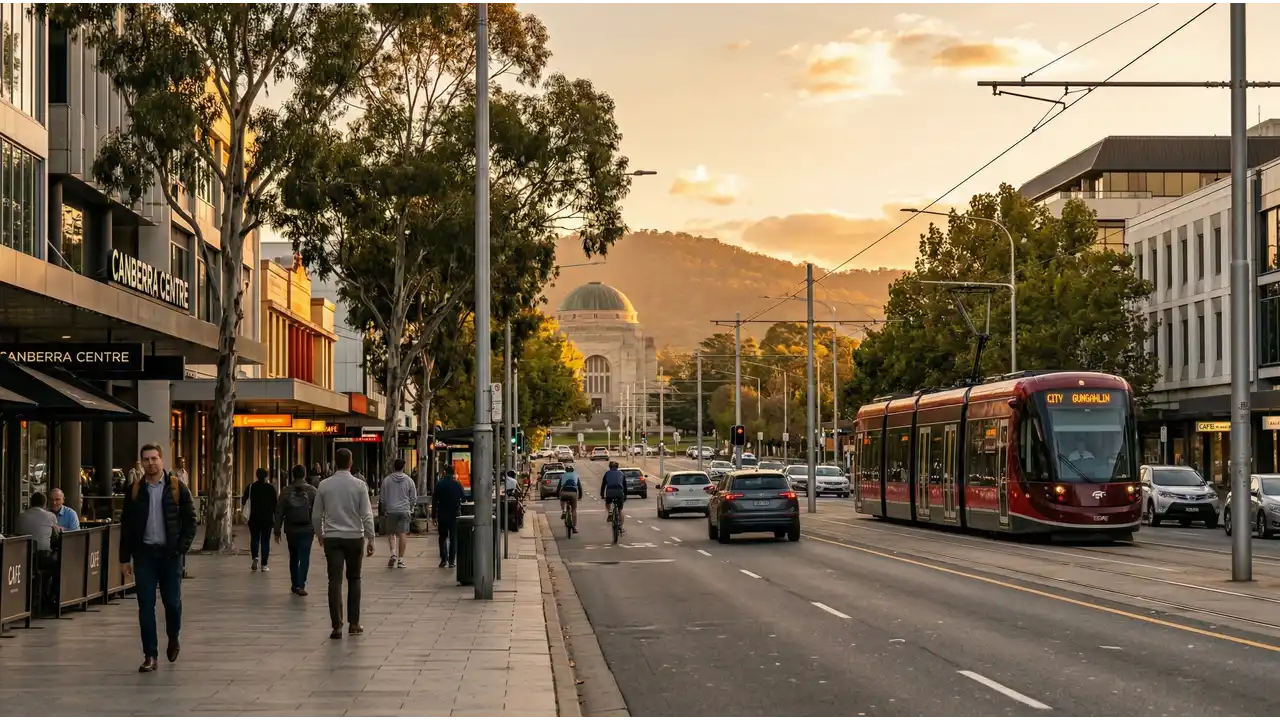
Brisbane is Australia's third-largest city, located on the east coast in Queensland. It has a subtropical climate with warm summers and mild winters. The population is around 2.6 million in the metro area, with a mix of Australian-born residents, interstate migrants, and international expats, particularly from Asia and Europe. Daily life centers on outdoor activity, riverside precinct work and dining, and car-dependent suburban living beyond the CBD. The city has grown significantly as a tech and education hub, drawing younger professionals. Traffic can be heavy, but public transport via rail and bus exists across most suburbs.
💡 Local Insights
Brisbane · 2026
Brisbane's cost structure reflects a major Australian city with regional affordability relative to Sydney and Melbourne. Housing dominates the budget at $1,641/month, which typically covers a one-bedroom apartment in or near the CBD, or a two-bedroom suburban rental 10-15 kilometers out. Inner suburbs like Paddington, South Brisbane, and Fortitude Valley command higher rents; outer suburbs like Ipswich or Toowoomba (exurban) are significantly cheaper. Groceries run $382/month for basics, consistent with Australian supermarket prices (Coles, Woolworths, Aldi). Transport costs depend on location: Brisbane City Council buses and rail are reliable but not cheap; a car is common and adds fuel, insurance, and parking. Eating out is moderate, with cafes around $5-8 for coffee and lunch mains $14-22. Expats report Brisbane feels less crowded than Sydney and slightly cheaper overall, though price differences are smaller than many expect. Seasonal work visas and skilled migration visas dominate the expat demographic.
Frequently Asked Questions
How much does it cost to live in Brisbane per month?
A moderate lifestyle in Brisbane costs $2,825/month. This breaks down to approximately $1,641 for housing (rent or mortgage), $382 for groceries, $200-250 for utilities, $150-200 for transport, and the remainder for dining out, entertainment, and personal services. The budget tier is $1,695/month (minimal lifestyle, shared housing, no car), while a comfortable tier is $4,379/month (larger apartment, car, frequent dining and travel). Actual costs vary by suburb, household size, and choices around transport and food.
What is the average rent in Brisbane?
Average rent is approximately $1,641/month, based on current market data. A one-bedroom apartment in the CBD or inner suburbs (Paddington, Southbank, New Farm) typically costs $1,700-2,100. One-bedroom outer suburbs cost $1,300-1,600. Two-bedroom apartments in inner areas run $2,200-2,800; outer suburbs $1,600-2,100. Houses are rarer to rent and more expensive. Prices have risen steadily; competition for rentals is strong, especially in inner zones. Most leases are 12 months. Real estate websites like Domain and Realestate.com.au show current listings. Bonds equal four weeks' rent.
Is Brisbane cheap to live in for expats?
Brisbane is moderate for expats, cheaper than Sydney or Melbourne but not dramatically so. Expats on skilled visas or employer sponsorship find the moderate budget of $2,825/month workable if earning Australian professional salaries ($70,000-90,000 AUD annually). However, housing at $1,641/month eats a large share of lower salaries. Students and working-holiday visa holders often live on $1,695/month by sharing housing and cooking. Healthcare is subsidized via Medicare if eligible. The cost-of-living gap versus home country (UK, US, Canada) depends heavily on your baseline. Brisbane feels less pressurized than Sydney; salaries are typically 10-15 percent lower to match.
How much does food cost per month in Brisbane?
Groceries for one person average $382/month. Weekly shopping at Coles or Woolworths: milk $1.50/liter, bread $3.50, eggs $6/dozen, chicken $8/kg, rice $2/kg, vegetables $5-8/kg depending on season. Aldi is 10-20 percent cheaper. Eating out is moderate: cafe coffee $5, lunch mains $15-20, dinner $25-40 at casual restaurants. Supermarket own-brand items are cheaper than premium brands. Fresh produce is cheaper in summer (November-March). Meal prep is common among budget-conscious expats. No major price inflation for imported foods compared to other Australian cities.
What salary do you need to live comfortably in Brisbane?
A comfortable lifestyle costs $4,379/month, equivalent to roughly $52,500/year before tax (gross), or approximately $65,000/year AUD gross for sustainable after-tax living. This covers a one-bedroom apartment or modest house, car ownership, regular dining out, entertainment, and modest travel. Australian full-time professional roles typically start at $55,000-70,000 AUD; skilled migrants in tech, healthcare, and engineering often earn $75,000-100,000+. If supporting dependents, add $600-1,000/month per child. Couples can share housing costs, reducing per-person burden significantly. Part-time or casual work usually pays $25-30/hour AUD, which limits monthly income.
How does the cost of living in Brisbane compare to other places?
Brisbane sits in the middle tier of major Oceania cities. A moderate lifestyle costs $2,825 per month, with housing at $1,641 per month. Auckland is notably cheaper overall at $2,325 per month, though its housing costs only $1,238 per month, making it the most affordable option for accommodation among these cities. Hobart is Brisbane's closest peer at $2,675 per month, with housing at $1,259 per month, so the two cities track similarly. Singapore is substantially dearer, running $4,125 per month with housing alone at $2,649 per month. If you're moving from a major Australian capital, Brisbane typically undercuts Sydney and Melbourne. Compared to North American cities, Brisbane generally feels more affordable, particularly once you factor in lower transport and utility costs.
Yes, but with significant trade-offs. The budget tier of $1,695/month requires shared housing (rent $800-1,000), no car, public transport only, cooking most meals, and minimal entertainment. Students and working-holiday visa holders do this routinely. You would cut groceries slightly, skip restaurants, limit social outings, and use flatshare platforms. Unexpected costs (medical, dental, visa fees) strain this budget quickly. It's sustainable short-term (6-12 months) but uncomfortable long-term without income growth or housemates. Many work part-time or casual jobs to reach $2,200-2,500/month, which eases the pressure significantly and allows occasional dining out and small travel.