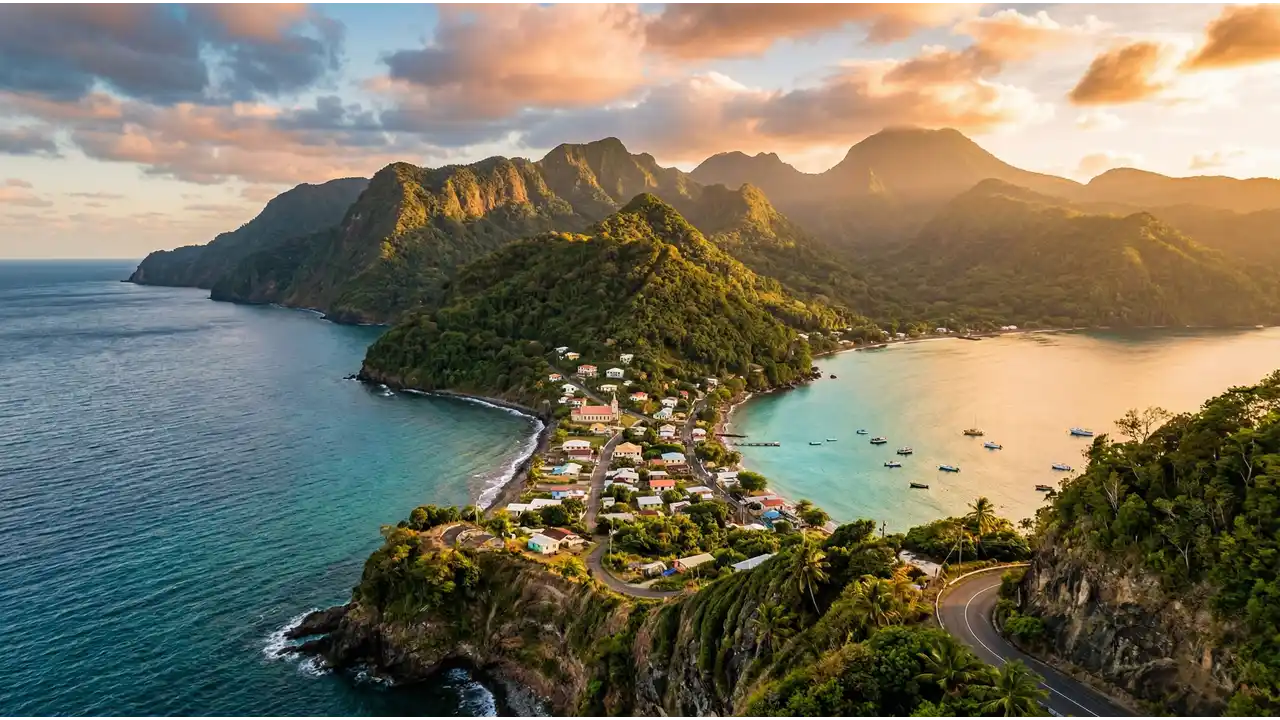
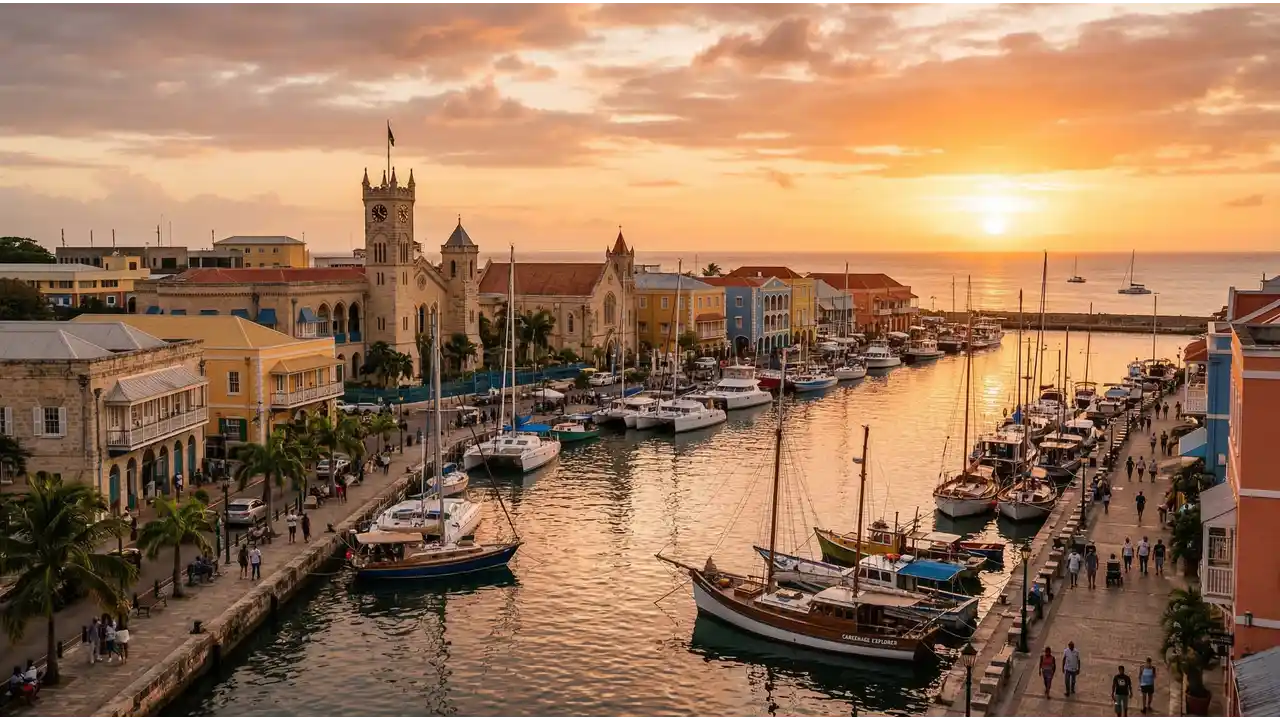
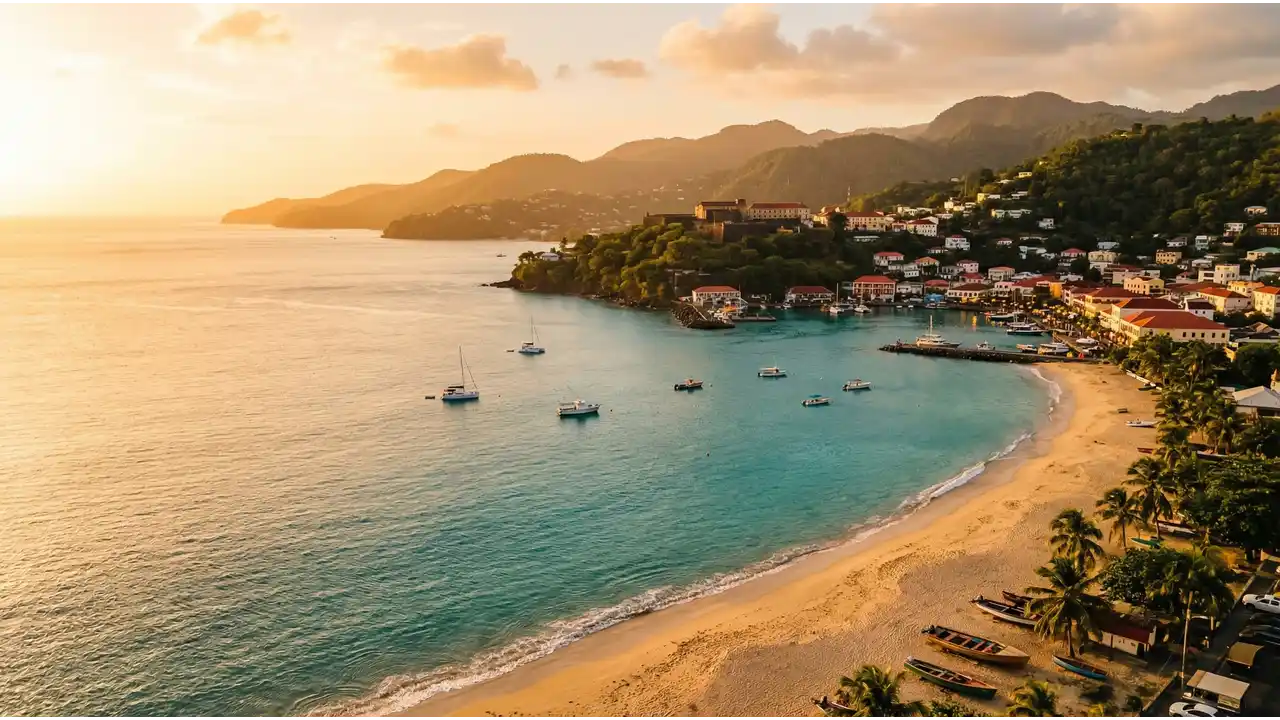
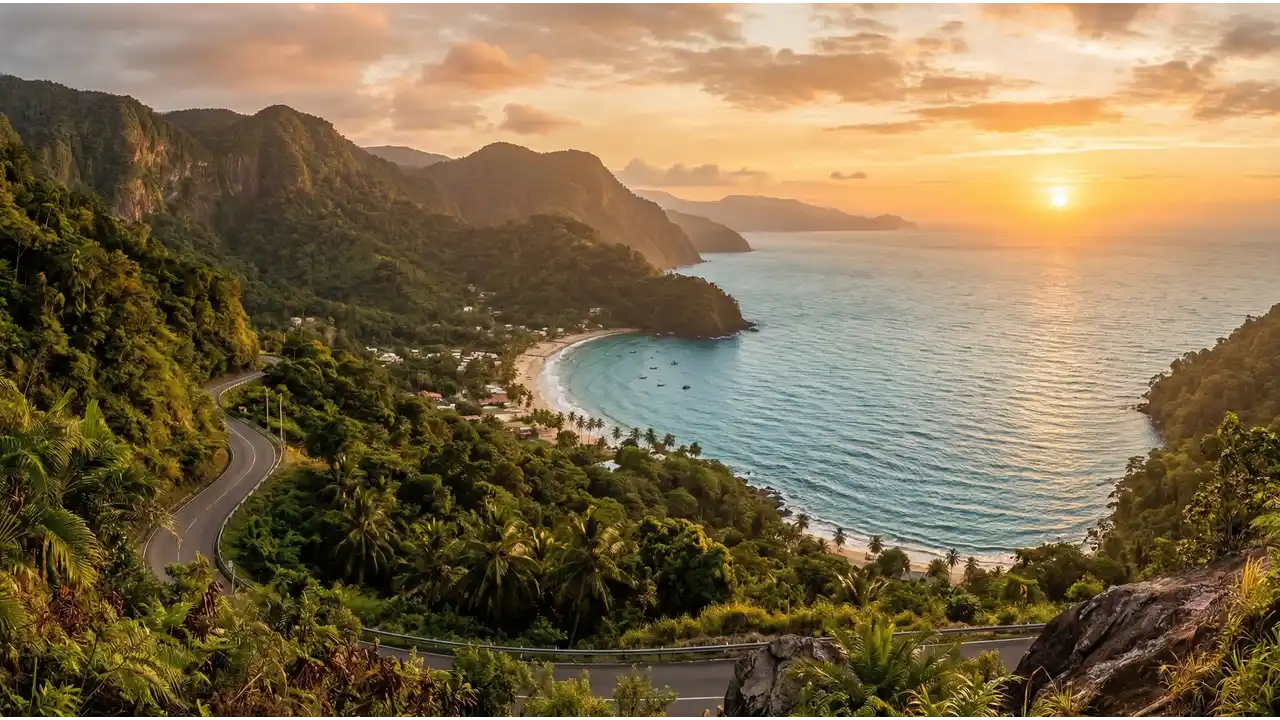
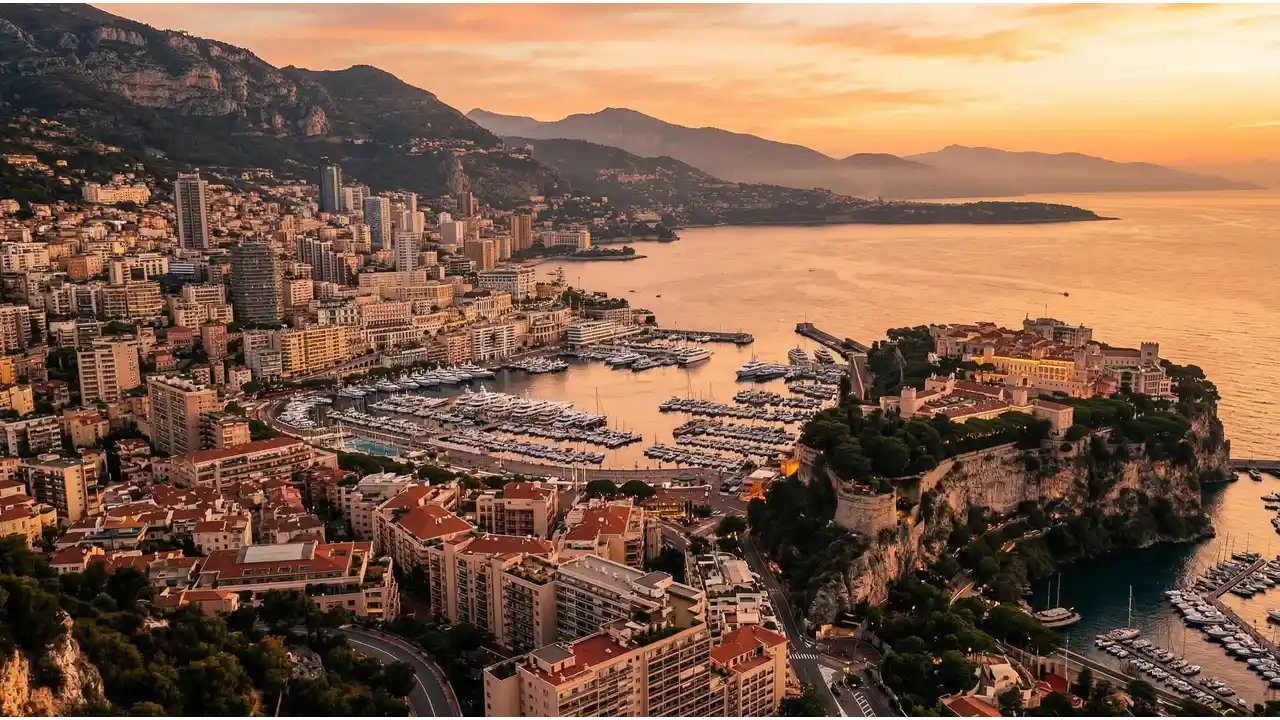
Dominica is a small island nation in the Eastern Caribbean, populated by roughly 72,000 people. The economy relies on agriculture, tourism, and citizenship investment programs. Daily life centers on tight-knit communities, with Roseau as the capital and largest town. The climate is tropical with a pronounced hurricane season (June through November). Most residents speak English and French Creole. Infrastructure is basic but functional, with reliable electricity and reasonable internet in populated areas. Healthcare is available but serious cases often require travel to larger islands.
💡 Local Insights
Dominica · 2026
Dominica's cost of living sits between budget Caribbean destinations and expensive resort islands. Housing runs $1,544 per month on average, reflecting a mix of rental stock: modest local apartments in Roseau or Mahaut rent for $800-$1,200, while expat-facing properties and coastal homes run $1,800-$2,400. Grocery costs average $252 monthly, lower than many Caribbean islands because of local produce (plantains, yams, avocados) sold at markets rather than imported packaged goods. Imported goods (cheese, cereals, electronics) carry high markups. Transport is cheap (minibus rides cost $0.50-$1.50) but a car simplifies life outside Roseau. Expats and locals pay the same prices in shops but locals often access cheaper produce and fish through informal networks. Water, electricity, and internet add $80-$120 monthly. Healthcare is affordable for routine visits but uninsured emergencies can be costly.
Frequently Asked Questions
How much does it cost to live in Dominica per month?
A moderate lifestyle costs $2,325 per month. This covers housing at $1,544, groceries at $252, transport, utilities, phone service, and discretionary spending. A budget tier costs $1,395 monthly (tight, local lifestyle with shared accommodation or remote housing). A comfortable tier costs $3,604 monthly (private home, regular dining out, vehicle). Most expats aiming for stability budget between $2,000-$3,000.
What is the average rent in Dominica?
Average rent is $1,544 per month. Local apartments in Roseau or the central valley run $800-$1,200 for a one-bedroom. Expat-standard homes with reliable utilities, good condition, and coastal or elevated locations rent for $1,800-$2,400. Outside the capital, rural rentals drop to $600-$900. Long-term leases (6+ months) attract small discounts. Furnished and unfurnished rents are similar; most landlords expect payment in advance.
Is Dominica cheap to live in for expats?
Dominica is moderately priced for the Caribbean. It is cheaper than Barbados, the US Virgin Islands, and Grenada, but more expensive than Haiti or rural Dominican Republic. You pay more than North American cities for housing relative to quality, but less for local food and transport. The real savings come from low utility use (no heating), cheap minibus travel, and access to fresh local produce. Healthcare and imported goods stay pricey.
How much does food cost per month in Dominica?
Groceries average $252 monthly for one person. Local produce is cheap: plantains, breadfruit, yams, and root vegetables cost $0.50-$1.50 per pound at markets. Fresh fish runs $4-$7 per pound. Imported items (cheese, milk, breakfast cereals, frozen goods) are double or triple US prices. Eating out at local restaurants costs $6-$12 per meal; expat-facing cafes charge $12-$18. Cooking at home with local ingredients keeps costs low.
What salary do you need to live comfortably in Dominica?
Comfortable living costs $3,604 per month, which assumes a private house or apartment, regular dining out, reliable vehicle, and leisure activities. That translates to roughly $43,000 annually before tax. Many expats live on $2,500-$3,000 by cooking at home, using minibuses, and avoiding frequent travel. Remote workers earning $2,500-$3,500 monthly find Dominica sustainable and often save money compared to North American cost bases.
How does the cost of living in Dominica compare to other places?
Dominica sits in the middle of the Caribbean cost spectrum. A moderate lifestyle runs $2,325 per month, with housing at $1,544 per month. That makes it meaningfully cheaper than Aruba, where a moderate lifestyle costs $3,225 monthly and housing alone runs $2,058. It's also less expensive than St. Lucia, which runs $2,575 for the same moderate standard with housing at $1,749 per month. If you're looking for the lowest costs in this comparison, Grenada undercuts Dominica substantially at $1,600 for a moderate lifestyle and just $648 for housing. Your money stretches furthest there, but Dominica remains an affordable Caribbean option, especially if you want island living without the premium prices of the most tourist-heavy destinations.
Yes, but with constraints. The budget tier of $1,395 requires living like a local: shared housing or remote village rental ($500-$700), cooking exclusively at home ($150), and using minibuses. You skip dining out, minimize travel, and delay vehicle ownership. Expats pulling this off typically have deep local connections, speak French Creole, or accept isolation. Solo travelers and digital nomads can manage it; families struggle. Healthcare emergencies would break this budget.